 Func Eats

Understanding the Link Between Chronic Inflammation and Sleep Quality
Chronic inflammation disrupts sleep by elevating cytokines that interfere with the body's natural rest cycles. Research from institutions like the National Institutes of Health shows that higher levels of inflammatory markers such as CRP and IL-6 correlate with longer sleep latency and more frequent awakenings. In 2026, many adults seek natural solutions rather than relying solely on medications, making an anti-inflammatory diet a powerful tool for improving sleep architecture. This connection works through multiple pathways: inflammation raises cortisol levels at night, suppresses melatonin production, and increases oxidative stress in the brain, all of which fragment sleep stages. Individuals experiencing persistent poor sleep often show elevated systemic inflammation, creating a vicious cycle where lack of rest further promotes inflammatory responses. Addressing this through diet offers a sustainable approach that targets underlying mechanisms rather than symptoms alone.
This approach targets root causes by reducing systemic inflammation through targeted nutrition. Unlike quick fixes, dietary changes support long-term hormonal balance, including melatonin production and cortisol regulation. Studies consistently demonstrate that lowering inflammatory load can shorten the time it takes to fall asleep and increase the proportion of deep and REM sleep.
Top Anti-Inflammatory Foods Proven to Support Restful Sleep
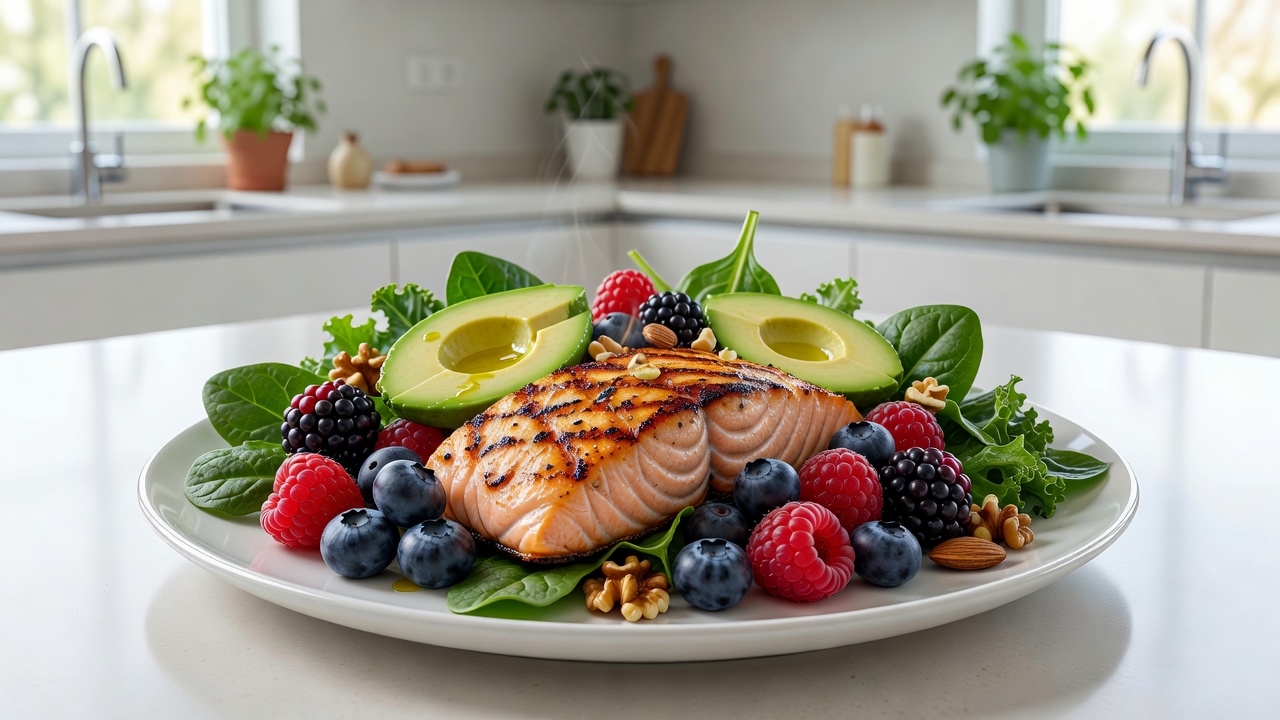
Certain foods stand out for their ability to lower inflammation while promoting relaxation. Fatty fish like salmon provide omega-3 fatty acids that reduce pro-inflammatory compounds. Leafy greens such as spinach and kale deliver magnesium, which aids muscle relaxation before bed. Berries, especially tart cherries, contain melatonin and anthocyanins that combat oxidative stress. Turmeric, rich in curcumin, has been studied for its anti-inflammatory effects on the central nervous system. Nuts like almonds offer healthy fats and tryptophan, a precursor to serotonin. Incorporating these regularly creates a foundation for deeper, uninterrupted sleep.
Additional options include olive oil for its oleocanthal content, which mimics ibuprofen's effects at a cellular level, and cruciferous vegetables like broccoli that supply sulforaphane to modulate inflammatory pathways. Whole grains such as oats provide beta-glucans that stabilize blood sugar overnight, preventing middle-of-the-night awakenings. Herbal additions like ginger and cinnamon further enhance meals with antioxidant compounds that support circadian rhythm alignment.
Practical Steps for Daily Integration
Start by replacing processed snacks with whole-food options. Aim for two servings of fatty fish weekly and add a handful of berries to your evening routine. Prepare meals with anti-inflammatory spices like ginger and turmeric. Track progress by noting sleep quality in a journal over 14 days to observe improvements.
- Plan meals around seasonal produce to maximize nutrient density and flavor.
- Stay hydrated with herbal teas instead of caffeine after 2 p.m. to avoid disrupting adenosine buildup needed for sleep pressure.
- Combine foods strategically, such as pairing vitamin C-rich produce with iron sources for better absorption and reduced inflammation.
- Batch-prep anti-inflammatory components like roasted vegetables or overnight oats on weekends to simplify weekday evenings.
- Monitor portion balance by filling half your plate with colorful vegetables at dinner to ensure consistent intake of protective phytonutrients.
Real-world example: A busy professional might swap afternoon chips for Greek yogurt topped with walnuts and blueberries, then finish dinner with a turmeric-spiced lentil soup. Over several weeks, this pattern reduces reliance on inflammatory triggers like refined sugars and trans fats.
Three Sample Evening Recipes
These simple recipes emphasize sleep-supportive ingredients and take under 20 minutes to prepare. Each includes exact portions for one serving and focuses on easy-to-source items available year-round.
1. Turmeric Golden Milk
Warm one cup of unsweetened almond milk with half a teaspoon of turmeric, a pinch of black pepper, and a quarter teaspoon of cinnamon. Stir in one teaspoon of raw honey after heating. The curcumin enhances absorption thanks to piperine in pepper, while the warm liquid signals the body to wind down. Consume 60-90 minutes before bed for optimal effect.
2. Baked Salmon with Spinach
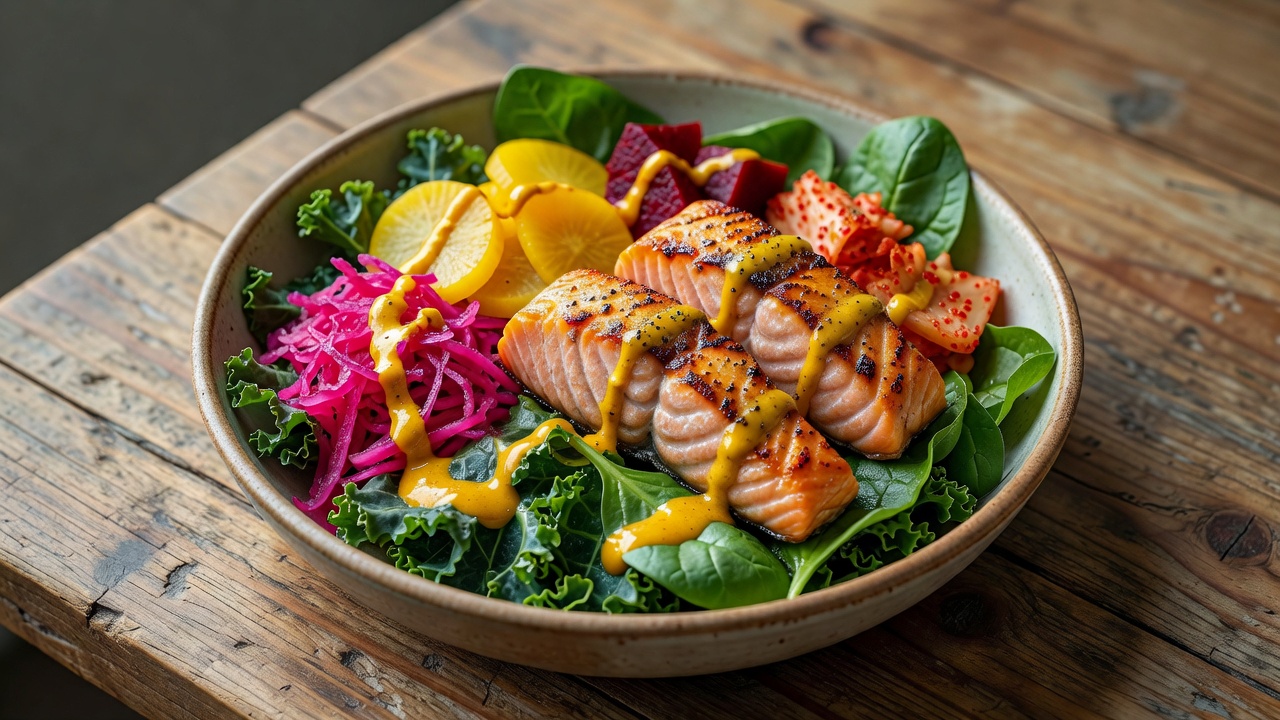
Season a four-ounce salmon fillet with one tablespoon of olive oil, dried herbs, and a squeeze of lemon. Bake at 400°F for 12 minutes alongside two cups of fresh spinach wilted in the same pan. Omega-3s and magnesium work together to reduce evening inflammation and promote muscle relaxation for faster sleep onset.
3. Cherry Almond Smoothie
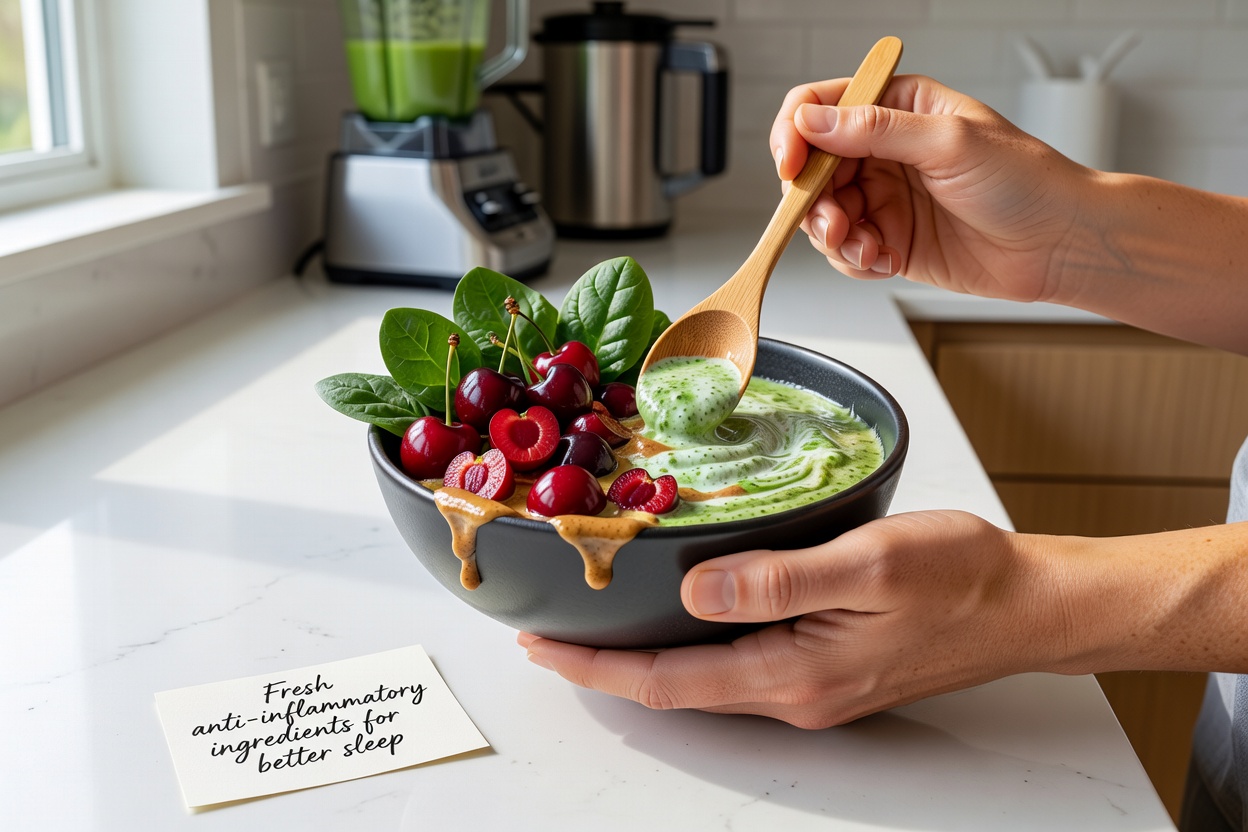
Blend one cup of frozen tart cherries, one tablespoon of almond butter, half a cup of oat milk, and a handful of spinach until smooth. Tart cherries provide natural melatonin, supporting the transition into deeper sleep stages. Add ice for a thicker texture if desired.
Lifestyle Adjustments for Maximum Effect
Pair dietary changes with consistent sleep hygiene. Maintain a cool, dark bedroom environment and establish a wind-down routine that includes light stretching. Limit screen time to reduce blue light exposure, which can exacerbate inflammation. Moderate exercise earlier in the day further amplifies the benefits of anti-inflammatory eating. Additional adjustments include practicing 10 minutes of mindful breathing before bed to lower sympathetic nervous system activity and keeping bedroom humidity between 40-60 percent to support respiratory comfort during sleep. Combining these with the diet creates synergistic effects; for instance, evening walks after dinner improve insulin sensitivity while aiding digestion of anti-inflammatory meals.
How Results Compare to Standard Sleep Aids
While over-the-counter sleep aids offer short-term relief, they often mask symptoms without addressing inflammation. An anti-inflammatory diet provides cumulative benefits, improving sleep quality sustainably without dependency risks. Many users report noticeable differences within three to four weeks when combining both approaches thoughtfully under professional guidance. Prescription options may cause next-day grogginess or tolerance buildup, whereas food-based strategies enhance overall health markers like joint comfort and mood stability. Long-term data from sources such as the Mayo Clinic suggest that lifestyle interventions yield more durable improvements in sleep efficiency scores.
Mistakes to Avoid When Starting an Anti-Inflammatory Sleep Diet
Common pitfalls include over-restricting calories, which can increase stress hormones and worsen sleep. Another error is consuming large portions of even healthy fats too close to bedtime, potentially causing reflux. Avoid relying solely on supplements instead of whole foods, as the synergistic effects of fiber and polyphenols in real foods are more effective. Finally, inconsistent application—such as following the diet only on weekdays—limits results; aim for daily adherence for at least 21 days to establish new patterns.
Frequently Asked Questions
When should I consume anti-inflammatory foods for best sleep results?
Focus on evening meals and snacks two to three hours before bedtime to allow digestion while leveraging nutrients like magnesium and tryptophan. Earlier intake of omega-3-rich foods during lunch can also set the stage for lower inflammation by evening.
What portion sizes work well?
Aim for 4-6 ounces of fish, one cup of berries, and a small handful of nuts per serving. Adjust based on individual calorie needs and consult a dietitian for personalization.
Can I combine this diet with existing sleep medications?
Yes, but consult your healthcare provider first. The diet often allows gradual reduction in medication reliance as sleep quality improves naturally.
How long until I notice better sleep?
Most people observe initial improvements in sleep latency within 10-14 days, with deeper benefits emerging after four to six weeks of consistent practice.
Conclusion
Adopting an anti-inflammatory diet offers a natural, evidence-based path to better sleep. By emphasizing specific foods, following practical integration steps, and combining them with supportive lifestyle habits, individuals can experience improved rest and overall well-being. Begin with small, consistent changes today for lasting results that extend far beyond nighttime hours into daytime energy and resilience.
No comments yet. Be the first!