 Func Eats
Introduction to a Budget-Friendly Anti-Inflammatory Diet
Adopting an anti-inflammatory diet does not require expensive superfoods or specialty stores. This comprehensive guide shows how to use common grocery items to reduce inflammation while staying within a tight budget. Readers will find practical shopping lists, cost-saving strategies, detailed meal prep advice, and five simple recipes designed for beginners who want sustainable results. Chronic inflammation contributes to many health issues including joint pain, fatigue, and long-term conditions, but everyday foods like beans, leafy greens, whole grains, and spices can help manage it effectively. The focus here remains on accessibility, simplicity, and real-world application for anyone shopping at standard supermarkets.
Understanding Inflammation and the Role of Diet
Inflammation is the body’s natural response to injury or infection, but when it becomes chronic it can damage tissues over time. Diet plays a significant role because certain foods promote inflammatory pathways while others counteract them through antioxidants, omega-3 fatty acids, fiber, and polyphenols. Research from major health organizations shows that consistent intake of whole foods helps lower markers of inflammation without requiring costly supplements. By choosing affordable staples available year-round, individuals can create lasting habits that support overall wellness on any income level.
Affordable Anti-Inflammatory Foods at Regular Grocery Stores
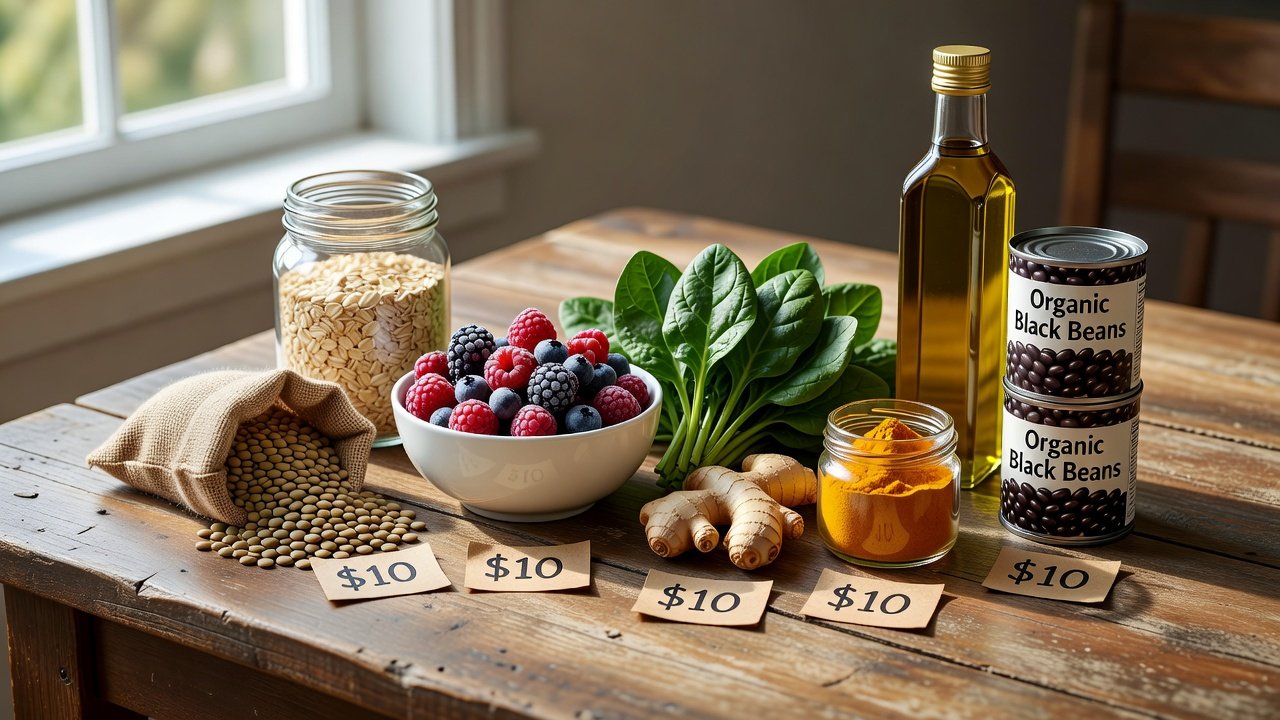
Many powerful anti-inflammatory ingredients are inexpensive pantry staples found in every major grocery chain. Stock up on rolled oats for breakfast, dried or canned lentils and beans for protein, frozen berries for antioxidants, fresh or frozen spinach and cabbage for vitamins, turmeric root or powder, fresh ginger, garlic, onions, olive oil, and canned tomatoes. These deliver essential nutrients that combat oxidative stress. Canned salmon or sardines provide omega-3s at a fraction of fresh fish prices, while brown rice and sweet potatoes offer sustained energy. Buying in bulk when items go on sale further reduces costs and ensures a steady supply for weekly meals.
Weekly Shopping Strategies for Maximum Savings
Plan meals around weekly sales and seasonal produce to stretch every dollar. Create a simple list focused on versatile items: oats, lentils, a large bag of carrots, cabbage, frozen mixed berries, canned beans, and basic spices. Visit stores mid-week for markdowns on produce nearing expiration. Use store apps for digital coupons and compare unit prices on shelves. A typical weekly haul under thirty dollars can cover breakfast, lunch, and dinner for several days when prepared thoughtfully. Prioritize frozen vegetables and fruits, which retain nutrients and cost less than out-of-season fresh options while reducing spoilage.
Cost Comparisons: Anti-Inflammatory Meals vs. Processed Foods
Home-cooked anti-inflammatory meals frequently cost less per serving than processed alternatives loaded with added sugars and unhealthy fats. A hearty lentil soup made from pantry staples delivers protein, fiber, and anti-inflammatory spices for far less than a frozen entrée or packaged snack. Batch preparation minimizes waste and eliminates the need for daily convenience purchases. Over time, these savings add up while improving health markers, demonstrating that nutritious eating aligns with financial goals rather than conflicting with them.
Meal Prep Steps for Beginners
Beginners should start with weekend batch cooking sessions lasting one to two hours. Cook a large pot of lentils or beans, prepare a tray of roasted vegetables, and simmer a simple tomato-based sauce. Portion everything into reusable containers for grab-and-go meals. Keep a running inventory of what is already prepared to avoid overbuying. This system ensures balanced plates are available during busy weekdays, supporting consistency without daily decision fatigue. Rotate recipes to prevent boredom and experiment with spice variations using turmeric, ginger, and garlic for flavor and benefits.
Five Budget-Friendly Recipes Under Ten Dollars Per Serving
Each recipe below uses widely available ingredients and serves four people. They emphasize whole foods known for inflammation-fighting properties and require minimal equipment.
1. Berry Overnight Oats
Combine two cups rolled oats, two cups frozen berries, a pinch of cinnamon, and enough milk or plant-based alternative to cover. Stir, divide into jars, and refrigerate overnight. Top with a spoonful of yogurt or seeds in the morning. This breakfast provides fiber, antioxidants, and steady energy while costing very little per portion.
2. Lentil Vegetable Soup
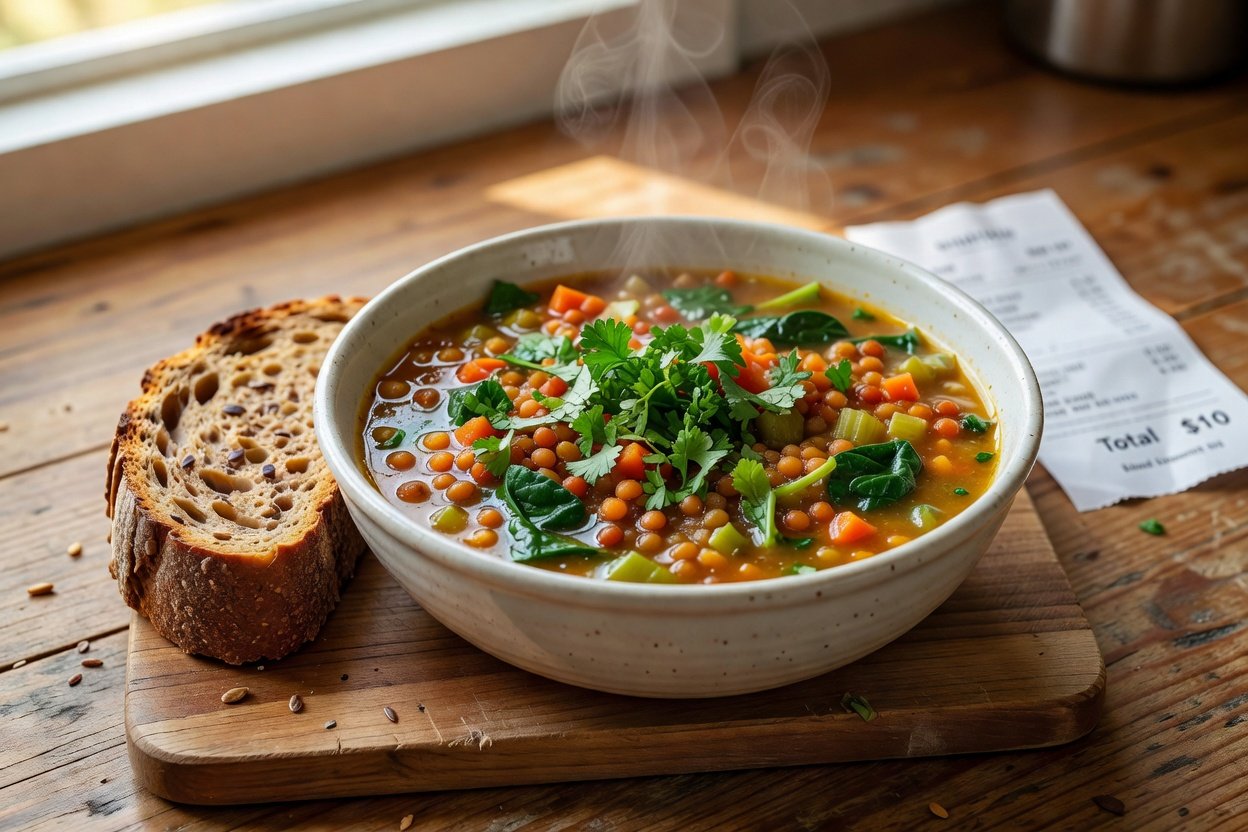
Sauté onion and garlic in olive oil, add two cups dried lentils, chopped carrots, celery, a can of tomatoes, turmeric, ginger, and six cups water or broth. Simmer thirty minutes until lentils soften. Season to taste. This soup freezes beautifully and supplies plant protein plus anti-inflammatory compounds from the spices.
3. Canned Salmon Salad
Drain and flake two cans of salmon, mix with chopped spinach, olive oil, lemon juice, and herbs. Serve over greens or whole-grain toast. The omega-3s from salmon combine with the vitamins in spinach for a quick lunch that fights inflammation effectively.
4. Turmeric Chickpea Stir-Fry
Sauté a can of chickpeas with shredded cabbage, carrots, and fresh ginger in olive oil. Add turmeric and garlic for the final minutes. Serve over pre-cooked brown rice. This colorful dish delivers protein, fiber, and curcumin from turmeric at minimal cost.
5. Berry Spinach Smoothie Bowl
Blend frozen berries, a handful of spinach, oats, and a splash of liquid until thick. Top with sliced banana or additional berries. This refreshing option works for breakfast or snacks and packs antioxidants without expensive ingredients.
Batch Cooking and Storage Tips
Prepare double or triple batches of soups, grains, and bean dishes. Cool completely before transferring to airtight containers. Refrigerate portions for up to four days or freeze for up to three months. Label each container with contents and date to maintain safety and reduce waste. Reheat gently to preserve nutrients. These practices stretch grocery budgets while ensuring nutritious meals remain available even on the busiest days.
Common Mistakes to Avoid
Many beginners overspend on single-use specialty items or neglect planning, leading to spoiled produce. Another pitfall is skipping meal prep, which results in reliance on more expensive convenience foods. Focus instead on versatile staples and simple seasoning to keep meals interesting without added cost. Monitoring portion sizes also prevents overeating while stretching ingredients further.
Conclusion
A sustainable anti-inflammatory diet is fully achievable on any budget by prioritizing versatile staples and smart preparation methods. These strategies support long-term health and reduce inflammation without added expense or complexity.
FAQ
- How can I maintain nutrition on a tight budget? Focus on beans, frozen produce, whole grains, and basic spices that deliver essential nutrients affordably while supporting anti-inflammatory goals.
- Are these recipes suitable for beginners? Yes, each requires minimal equipment, basic cooking skills, and common ingredients found in standard stores.
- Can I reduce inflammation without supplements? Whole foods provide synergistic benefits that supplements often cannot replicate, according to guidance from health authorities.
- What if fresh produce is unavailable? Frozen and canned options retain most nutrients and cost less year-round, making them reliable choices.
- How long until I notice benefits? Many people report improved energy and reduced discomfort within a few weeks of consistent dietary changes combined with overall healthy habits.
Learn more from Mayo Clinic, World Health Organization, and Centers for Disease Control and Prevention.
No comments yet. Be the first!