 Func Eats
Understanding the Link Between Inflammation and Joint Pain
Chronic inflammation plays a major role in joint discomfort, stiffness, and progressive conditions such as osteoarthritis and rheumatoid arthritis. When the body remains in a prolonged inflammatory state, it releases cytokines and other compounds that irritate joint tissues, leading to swelling and reduced mobility. Dietary patterns directly influence these processes because certain nutrients can either amplify or dampen inflammatory signals. In 2026, growing numbers of adults are turning to food-based strategies for sustainable relief, especially those who prefer to minimize long-term medication use or complement existing treatments.
The science behind this approach centers on how foods modulate pathways like NF-kB and COX-2 enzymes. Omega-3 fatty acids compete with pro-inflammatory omega-6 fats, antioxidants neutralize free radicals, and polyphenols inhibit inflammatory gene expression. Studies consistently show that shifting toward an anti-inflammatory eating pattern can lower C-reactive protein levels and improve joint function over time. This guide provides in-depth, practical advice tailored for readers seeking measurable improvements without drastic lifestyle overhauls.
Key Anti-Inflammatory Foods Backed by Recent Research
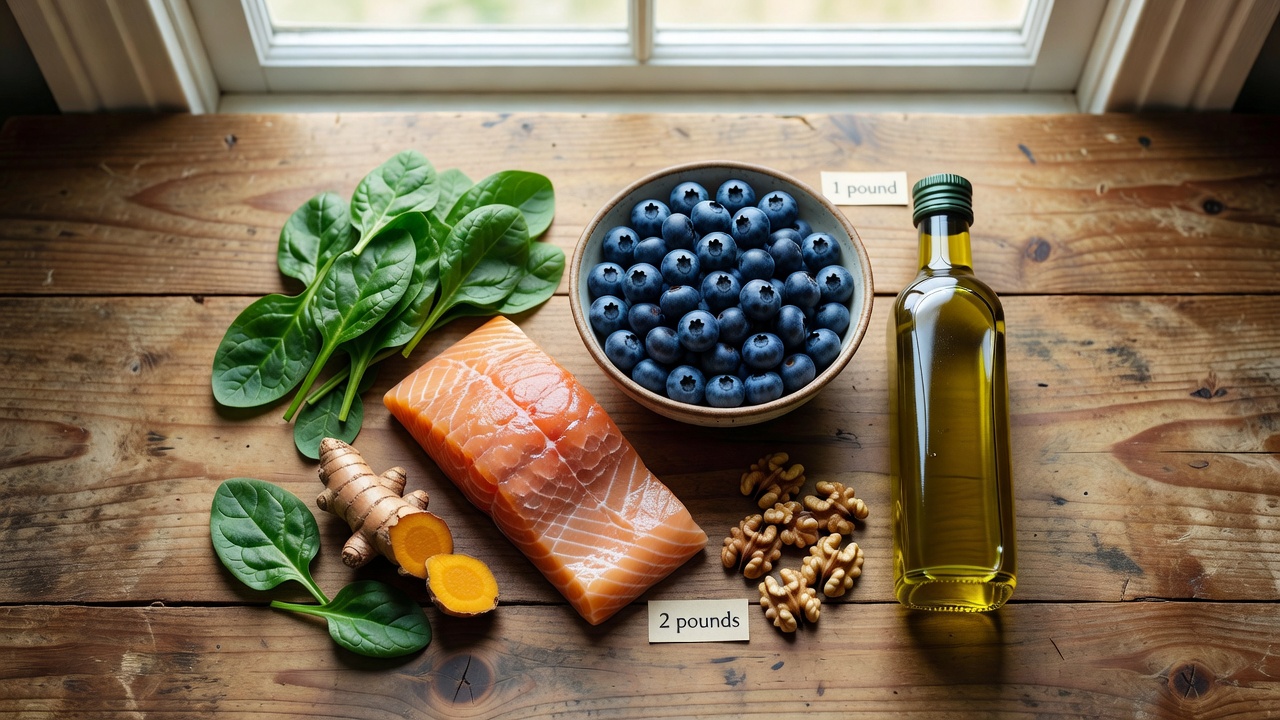
Selecting the right foods forms the foundation of any effective plan. Fatty fish such as salmon, mackerel, and sardines deliver high amounts of EPA and DHA omega-3s that reduce joint swelling. Berries, particularly blueberries and strawberries, are rich in anthocyanins shown to decrease inflammatory markers. Leafy greens including spinach, kale, and Swiss chard supply vitamin K, folate, and magnesium that support cartilage health. Turmeric contains curcumin, which blocks inflammatory enzymes when paired with black pepper for better absorption. Extra-virgin olive oil provides oleocanthal, a natural compound with ibuprofen-like effects, while ginger, walnuts, and avocados add further protective layers through their unique phytonutrients.
Authoritative sources such as Mayo Clinic emphasize consistent inclusion of these items for arthritis management. Guidance from National Institutes of Health reinforces the value of whole-food sources over isolated supplements. Additional insights appear on Arthritis Foundation pages that review dietary interventions for joint conditions.
5 Inflammation-Fighting Recipes Optimized for Joint Support
These five recipes use everyday ingredients, require minimal equipment, and deliver balanced nutrition. Each recipe includes approximate preparation times and explains the joint-specific benefits.
1. Baked Salmon with Turmeric and Greens
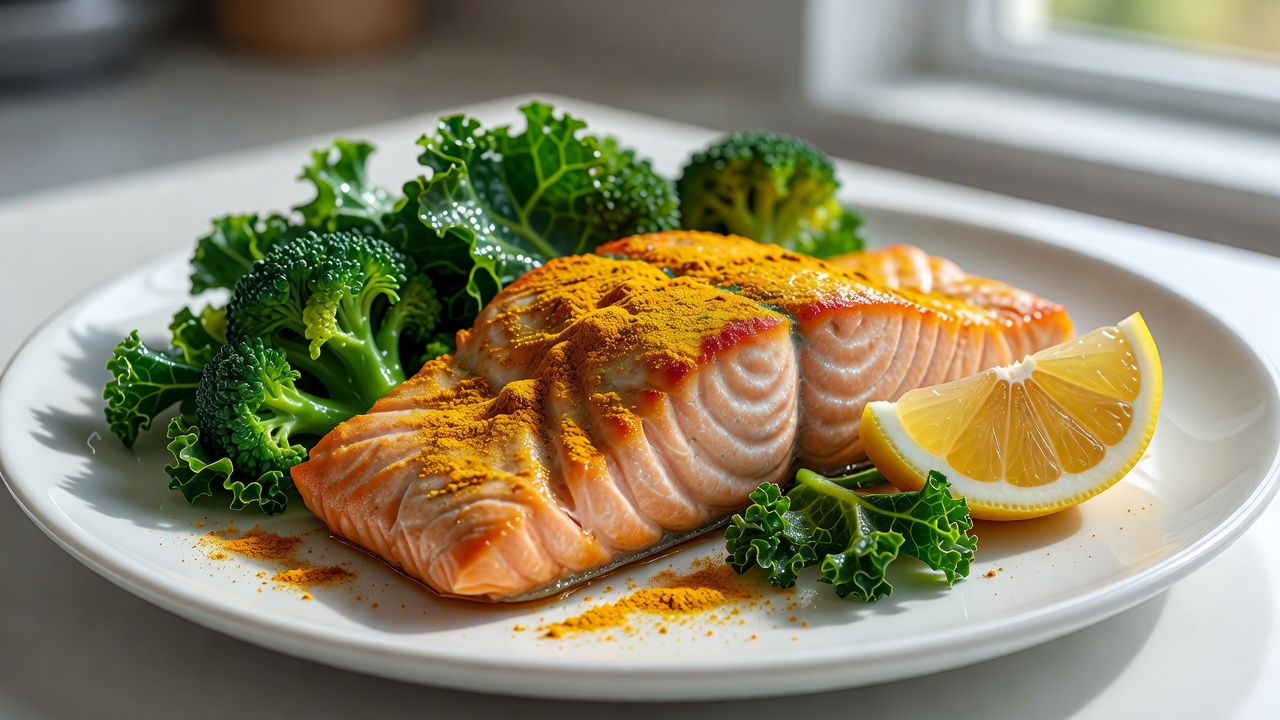
Ingredients for two servings: two 5-ounce salmon fillets, 1 teaspoon turmeric, ½ teaspoon black pepper, 1 tablespoon olive oil, 2 cups kale, 1 cup broccoli florets, and lemon wedges. Rub the fillets with turmeric, pepper, and oil, then bake at 400°F for 15 minutes. Steam the vegetables alongside. The combination supplies omega-3s and curcumin that work together to lower joint inflammation within weeks of regular consumption.
2. Berry and Spinach Smoothie Bowl
Blend 1 cup frozen blueberries, 1 cup spinach, 1 cup almond milk, 1-inch fresh ginger, and 1 tablespoon chia seeds. Top with ¼ cup walnuts. This breakfast option delivers antioxidants and fiber that combat oxidative stress in joint tissues while keeping blood sugar stable.
3. Ginger-Lentil Soup
Sauté one onion, two carrots, and 2 tablespoons grated ginger in olive oil for five minutes. Add 1 cup lentils, 4 cups vegetable broth, and 1 teaspoon turmeric; simmer 25 minutes. The lentils provide plant protein and iron, while ginger and turmeric reduce stiffness, making this an excellent lunch for cooler days.
4. Quinoa Salad with Olive Oil Dressing
Combine 2 cups cooked quinoa, 1 cup cherry tomatoes, 1 cucumber, ¼ cup olives, and fresh parsley. Whisk 3 tablespoons olive oil with lemon juice and drizzle over the top. The monounsaturated fats and polyphenols support joint lubrication and help maintain healthy cartilage.
5. Grilled Chicken with Berry Compote
Season two chicken breasts with herbs and grill for 12 minutes. Warm 1 cup blueberries with 1 teaspoon ginger for five minutes to create a compote. The lean protein repairs muscle around joints while the berries supply anthocyanins that ease morning stiffness.
Weekly Shopping List and Portion Guidance
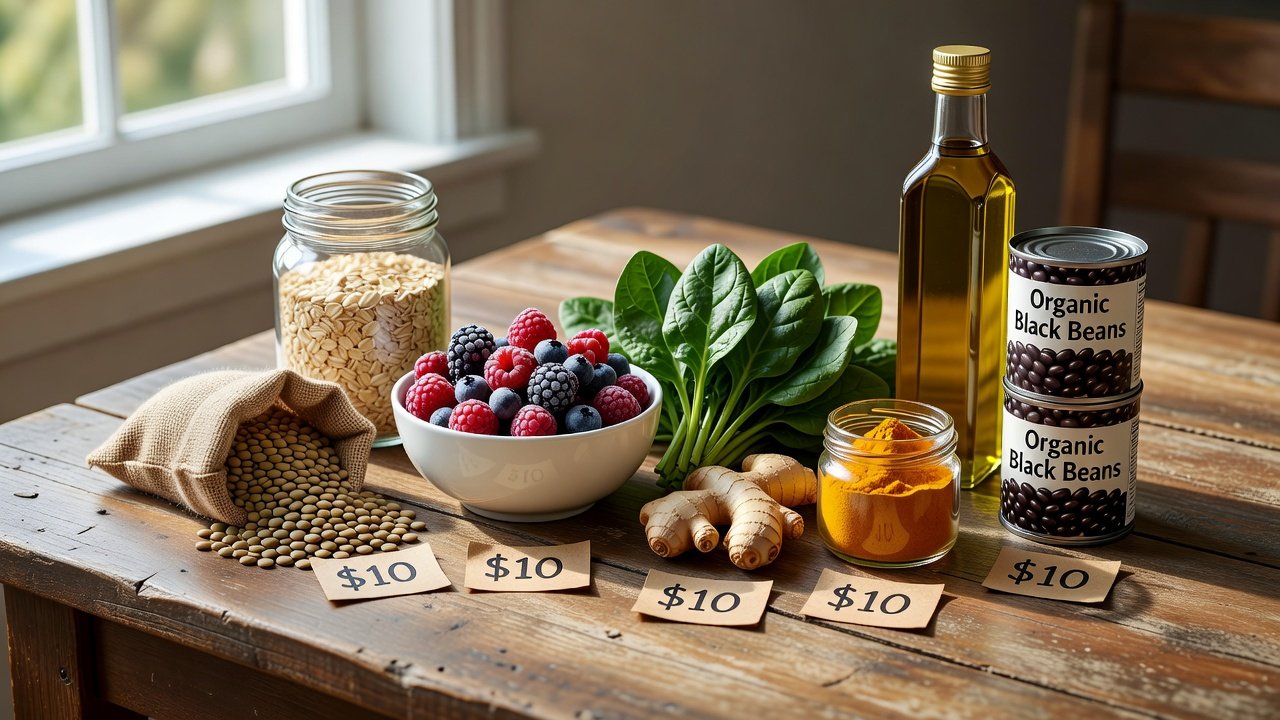
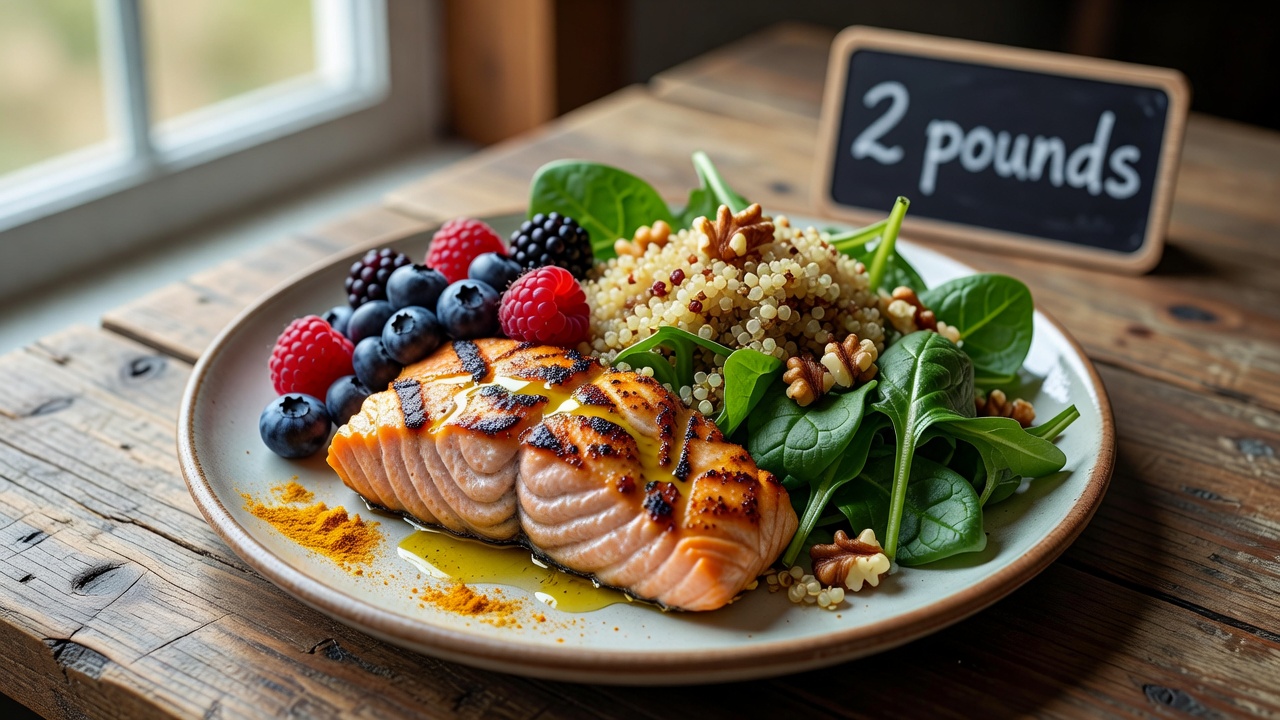
Build a repeatable shopping list around these core items for seven days: 2 pounds fatty fish, 4 cups mixed berries, 3 bunches leafy greens, 2 pounds root vegetables, 1 pound lentils or quinoa, fresh turmeric and ginger root, extra-virgin olive oil, walnuts or almonds, and spices. Choose seasonal produce to maintain quality and reduce costs. Store fish in the freezer and greens in airtight containers to extend freshness.
Portion guidance helps prevent overeating while maximizing benefits. Aim for 3–4 ounces of fish or poultry per meal, 1–1½ cups cooked whole grains, 2 cups vegetables, and 1 cup fruit daily. Limit nuts to 1–2 ounces and olive oil to 2–3 tablespoons. These amounts align with evidence-based anti-inflammatory eating patterns and support gradual weight management that further reduces joint load.
Gradual Implementation Steps with Real-World Examples
Successful adoption requires patience. Week one: replace one daily processed snack with a handful of berries or a small smoothie. Week two: prepare two of the listed recipes and add turmeric to existing meals. Week three: plan three balanced dinners using the shopping list and track energy levels. Week four: incorporate meal-prep sessions on weekends, such as batch-cooking quinoa and soup, to reduce weekday stress. Many readers report noticeable mobility improvements by week six when they combine these steps with light walking.
Keep a simple journal noting pain levels on a 1–10 scale, sleep quality, and meals consumed. Adjust portions or ingredients based on personal tolerance. For example, individuals sensitive to nightshades may swap tomatoes for extra cucumber in the quinoa salad.
Common Mistakes to Avoid
- Relying heavily on supplements instead of whole foods, which often leads to missing synergistic nutrients found in complete meals.
- Eliminating entire food groups without guidance, potentially creating nutrient gaps that worsen fatigue.
- Expecting dramatic results in under two weeks rather than tracking gradual improvements in stiffness and range of motion.
- Overlooking hidden sources of added sugar in beverages and packaged items that counteract anti-inflammatory efforts.
- Skipping meal preparation, which increases the likelihood of reaching for convenience foods during busy periods.
Frequently Asked Questions
How soon can I expect relief from joint pain?
Most people observe reduced morning stiffness within 2–4 weeks of consistent adherence, with further improvements in overall mobility appearing by 6–8 weeks when combined with gentle movement.
Can this diet replace prescribed medications?
The anti-inflammatory diet supports but does not replace medical treatments. Always consult a physician before adjusting any medication regimen.
Are there specific foods I should strictly limit?
Minimize sugary drinks, fried foods, processed meats, and excessive refined carbohydrates, as these can elevate inflammatory markers and counteract dietary gains.
How does this approach compare to other diets?
Unlike restrictive plans, this pattern emphasizes addition of beneficial foods rather than elimination, making it more sustainable long-term for most adults.
Conclusion
An anti-inflammatory diet offers a practical, research-supported method for managing joint pain through everyday food choices. By understanding key ingredients, following the detailed recipes, using the shopping guidance, and implementing changes step by step, readers can create lasting habits that deliver relief in 2026 and beyond. Pairing dietary improvements with regular activity and adequate rest maximizes results and supports overall joint health.
No comments yet. Be the first!