 Func Eats
Introduction: The Link Between Inflammation and Immunity in 2026
Chronic inflammation silently weakens the immune system, making the body more susceptible to illness. In 2026, research continues to highlight how targeted nutrition can counteract this process. An anti-inflammatory diet emphasizes whole foods rich in antioxidants, omega-3 fatty acids, and polyphenols to reduce inflammation markers while enhancing immune cell function. This approach goes beyond temporary fixes, offering sustainable support for long-term health. Many people notice fewer seasonal illnesses and better energy levels after adopting these habits consistently.
Understanding the science is key. Persistent low-grade inflammation disrupts cytokine balance and impairs white blood cell activity. Studies from institutions like the National Institutes of Health connect diets high in processed foods to elevated C-reactive protein levels, directly correlating with reduced immune resilience. By focusing on nutrient-dense choices, individuals can actively lower these markers and support their body's natural defenses.
Key Anti-Inflammatory Foods for Immune Support
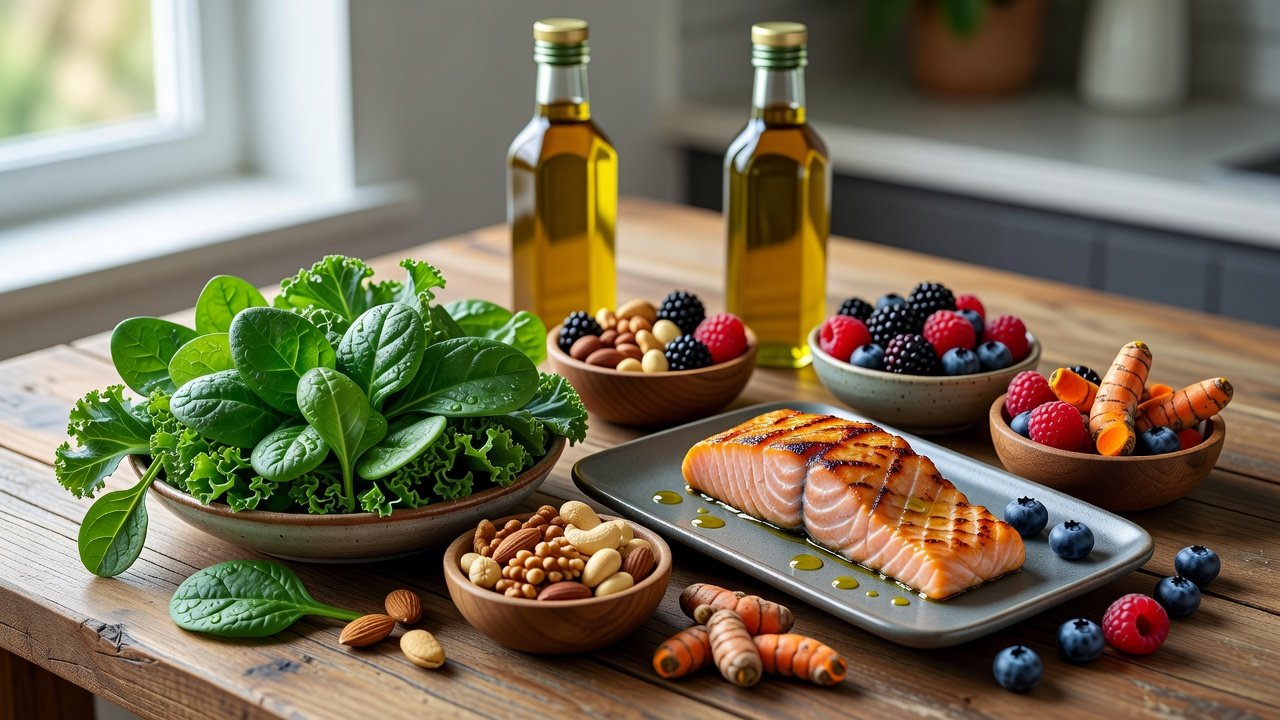
Certain foods stand out for their dual benefits. Leafy greens such as spinach and kale deliver vitamins A, C, and K plus folate, which regulate immune responses. Fatty fish like salmon and sardines provide EPA and DHA omega-3s that lower inflammatory pathways. Nuts, particularly almonds and walnuts, supply vitamin E and healthy fats that protect cell membranes from damage. Berries offer anthocyanins that combat oxidative stress, while turmeric provides curcumin known for its potent anti-inflammatory properties.
Additional standouts include extra-virgin olive oil for oleocanthal, avocados for monounsaturated fats, and cruciferous vegetables like broccoli for sulforaphane. Incorporating these daily creates a cumulative protective effect against oxidative stress and supports gut health, which is closely tied to immunity. Practical examples include adding spinach to morning eggs or snacking on a handful of walnuts in the afternoon.
Science-Backed Mechanisms: How These Foods Bolster Immunity
Omega-3s from fish modulate prostaglandin production, decreasing joint and tissue inflammation. Polyphenols in greens and berries activate Nrf2 pathways, boosting antioxidant enzymes. This reduces free radical damage to immune cells. The Mayo Clinic notes that consistent intake of these compounds can lower systemic inflammation within weeks when paired with lifestyle factors such as regular movement and stress management.
Comparisons show daily consumption yields faster results than weekly spikes. For instance, eating fatty fish three times weekly maintains steady omega-3 levels, while sporadic intake allows inflammation to rebound. Research also links higher fiber intake from vegetables to improved microbiome diversity, which trains immune cells to respond appropriately rather than overreacting.
Delicious Recipes to Fight Inflammation
Immune-Boosting Berry Spinach Smoothie
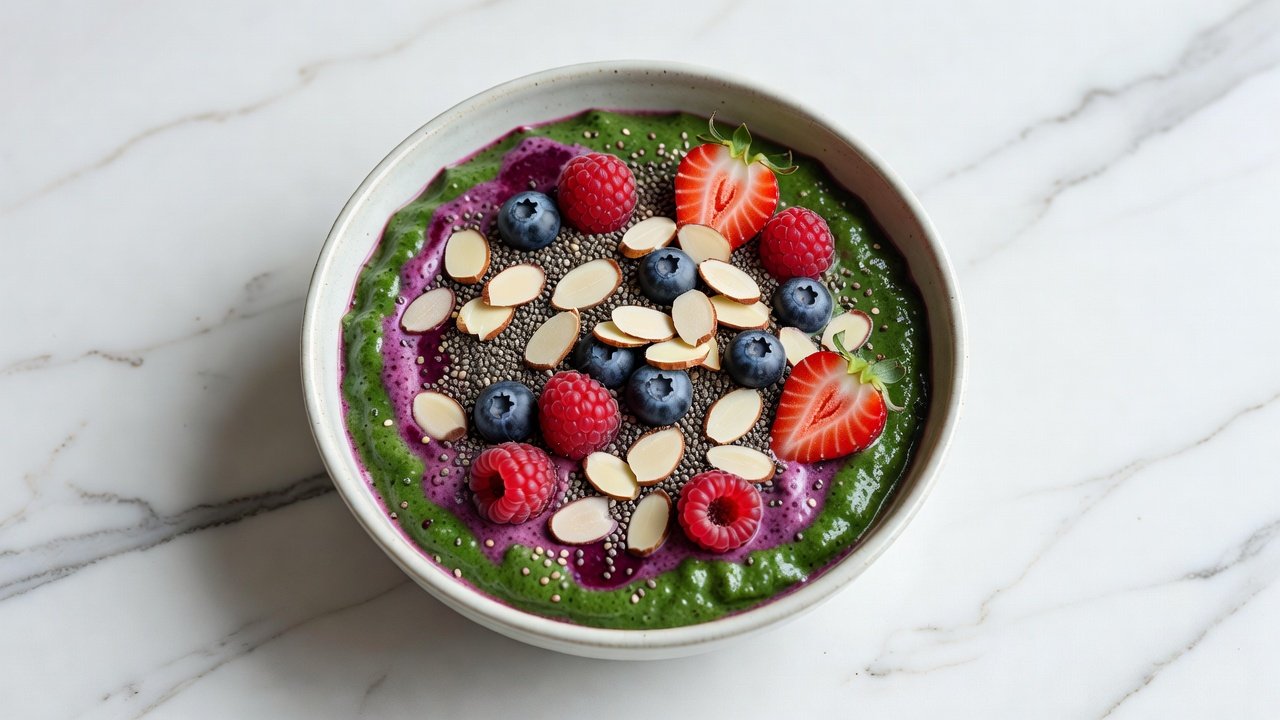
Blend 1 cup spinach, 1 cup mixed berries, 1 tablespoon chia seeds, 1/2 cup Greek yogurt, and almond milk. This delivers antioxidants and probiotics in minutes. For variety, swap spinach for kale or add a teaspoon of turmeric powder.
Turmeric Ginger Carrot Soup
Sauté onions and garlic, add carrots, turmeric, ginger, and vegetable broth. Simmer and blend for a warming bowl rich in curcumin and beta-carotene. Top with a drizzle of olive oil and pumpkin seeds for extra texture and nutrients.
Nut and Seed Snack Mix
Combine walnuts, almonds, pumpkin seeds, and a sprinkle of cinnamon. Portion into small bags for on-the-go anti-inflammatory snacking. This mix provides sustained energy without spiking blood sugar.
Grilled Salmon Salad with Olive Oil Dressing
Season salmon with lemon and herbs, grill until flaky, and serve over mixed greens with avocado slices. Dress with olive oil, lemon juice, and garlic for a complete meal that combines multiple anti-inflammatory ingredients.
Step-by-Step Meal Integration Tips
Start the day with a green smoothie or oatmeal topped with berries and nuts. Include fatty fish at lunch or dinner three times per week. Snack on vegetable sticks with olive oil dip or nut mixes. Season meals with turmeric, ginger, and garlic for extra benefits. Plan weekly prep of soups and salads to ensure consistency throughout busy schedules.
Daily approaches build habits faster but require more planning. Weekly strategies allow flexibility yet may need supplementation awareness. Track progress with simple food journals rather than strict calorie counts. Example weekly plan: Monday smoothie and soup, Tuesday salmon salad, Wednesday nut snacks, and so on. Adjust portions based on activity level and personal preferences.
Practical Shopping and Storage Advice
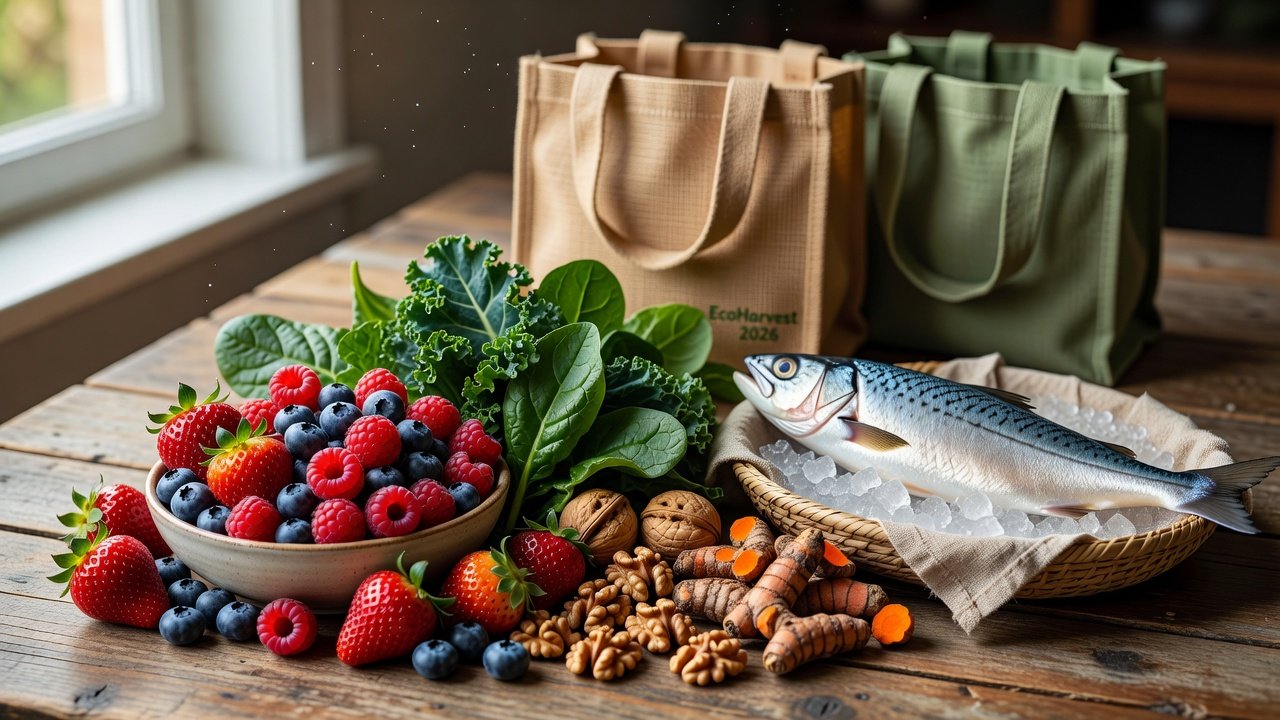
Shop the perimeter of the grocery store for fresh produce and proteins. Choose wild-caught fish when possible and store it in the freezer for up to three months. Leafy greens stay crisp longer when wrapped in a damp paper towel inside the refrigerator. Nuts maintain freshness in airtight containers in a cool pantry. These small habits reduce waste and keep anti-inflammatory ingredients readily available.
Common Mistakes to Avoid
- Over-relying on supplements instead of whole foods, which misses synergistic nutrients.
- Ignoring portion sizes of healthy fats, leading to excess calories.
- Skipping variety and eating the same three foods repeatedly, which limits nutrient diversity.
- Pairing anti-inflammatory meals with sugary drinks that counteract benefits.
Whole Foods vs. Supplements: Addressing Common Concerns
Whole foods provide synergistic nutrients that isolated supplements often miss. The World Health Organization emphasizes dietary patterns over pills for immune health. However, those with deficiencies may benefit from targeted supplements under professional guidance. Always prioritize food-first strategies for optimal absorption and fewer side effects. Blood tests can reveal specific needs before adding any concentrated products.
FAQ Section
How long until I notice immune benefits? Most people report improved energy and fewer colds within 4-6 weeks of consistent adherence, though individual results vary based on starting health and lifestyle factors.
Can I eat these foods if I have allergies? Substitute safely—use flaxseeds instead of nuts or coconut yogurt for dairy-free options. Always check labels for cross-contamination.
Is this diet suitable for all ages? Yes, with age-appropriate portions; consult a pediatrician for children or a physician for older adults with medical conditions.
Do I need to avoid all inflammatory foods completely? Moderation works best; limit processed sugars and trans fats while focusing on additions rather than restrictions.
Should I combine this diet with exercise? Yes, moderate activity like walking enhances circulation and amplifies the anti-inflammatory effects of the foods.
What if I travel frequently? Pack portable options such as nuts and dried berries, and choose grilled fish or salads at restaurants when possible.
Conclusion: Building Lasting Immune Resilience
An anti-inflammatory diet offers a practical, evidence-based path to stronger immunity. By centering meals around leafy greens, fatty fish, nuts, and vibrant produce, individuals can reduce inflammation and support their body's natural defenses effectively in 2026 and beyond. Start small, stay consistent, and enjoy the flavorful journey to better health.
No comments yet. Be the first!