 Func Eats
Introduction to Seasonal Anti-Inflammatory Eating in 2026
Choosing seasonal produce in 2026 offers a powerful way to follow an anti-inflammatory diet while minimizing environmental impact. Fresh, locally grown foods often contain higher nutrient levels and require fewer resources for transport. This approach supports sustainable eating by reducing carbon footprints associated with imported goods. In an era of increasing awareness about climate change and personal health, aligning meals with nature's calendar helps individuals enjoy optimal flavor, nutrition, and ethics simultaneously. Many people overlook how out-of-season imports lose potency during long journeys, leading to diminished benefits against inflammation.
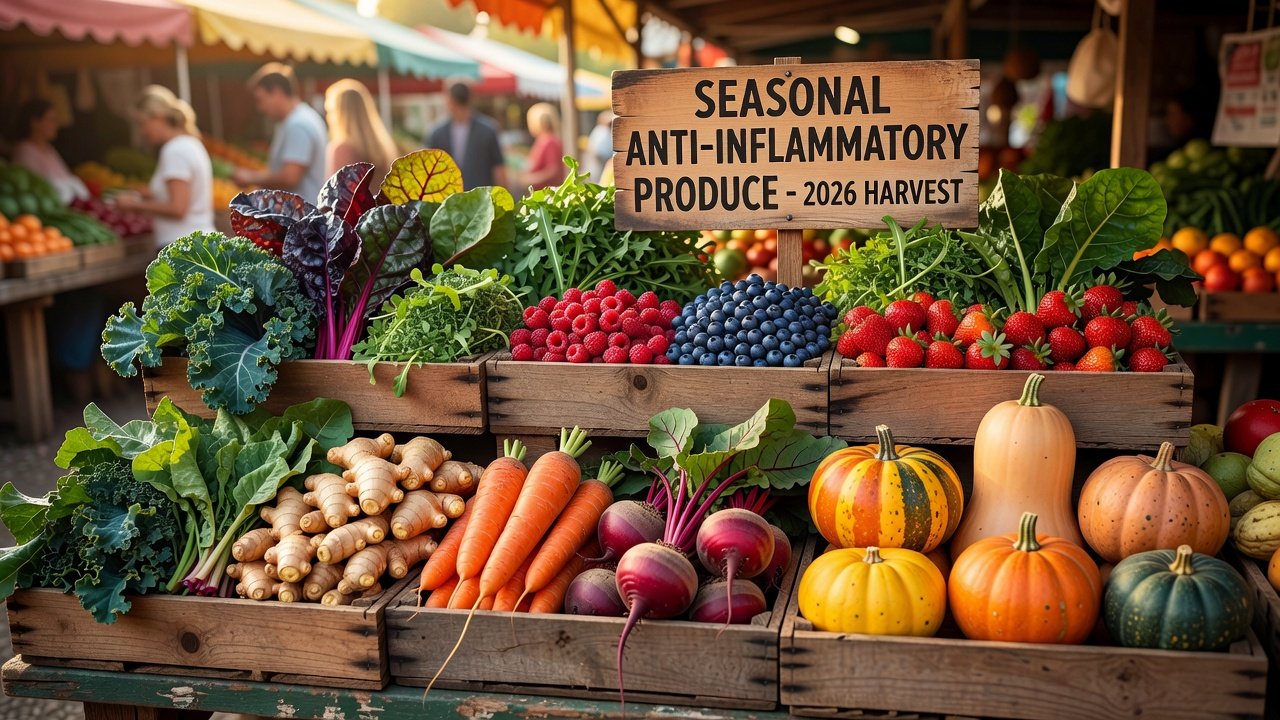
Seasonal eating aligns with natural growing cycles, providing variety throughout the year. Winter brings hearty root vegetables, while summer offers vibrant berries and greens. These choices help combat chronic inflammation linked to conditions like arthritis and heart disease. By understanding regional availability, readers can build resilient habits that last beyond one season.
Benefits of Seasonal Produce for Anti-Inflammation and Sustainability
Seasonal foods deliver peak nutrition because they ripen naturally on the plant. This timing maximizes antioxidants, vitamins, and polyphenols that fight inflammation. Sustainability improves as shorter supply chains cut emissions and support local farmers. For example, choosing nearby kale instead of flown-in tropical fruits reduces the energy needed for refrigeration and shipping, directly lowering an individual's ecological footprint.
Studies from health authorities show that diets rich in colorful plants lower inflammatory markers. By focusing on what grows nearby, individuals also reduce reliance on energy-intensive greenhouses or long-distance shipping. Additional advantages include fresher taste that encourages consistent healthy eating and economic support for community agriculture. Over time, this practice contributes to biodiversity by preserving traditional crop varieties suited to local climates.
Understanding the Connection Between Diet, Inflammation, and Seasonal Choices
Inflammation serves as the body's defense mechanism, but chronic low-grade inflammation stems from poor diet, stress, and environmental factors. Anti-inflammatory compounds in seasonal produce, such as flavonoids in berries and fiber in roots, help regulate this response. Eating with the seasons ensures these compounds arrive at their highest potency, unlike stored or transported alternatives that degrade.
Practical examples include swapping winter comfort foods with roasted roots instead of processed snacks. This shift not only calms inflammation but also aligns purchases with harvest abundance, avoiding waste from overproduction of non-local items.
Top Anti-Inflammatory Foods by Season
Winter highlights root vegetables like sweet potatoes and beets, packed with fiber and betalains that combat oxidative stress. Leafy greens such as kale and spinach provide omega-3s and vitamin K to support joint health. Spring features asparagus and peas for folate and antioxidants that aid detoxification pathways.
Summer brings berries including blueberries and strawberries, known for anthocyanins that reduce oxidative stress. Tomatoes and zucchini add lycopene and vitamin C for skin and cardiovascular protection. Fall offers apples, Brussels sprouts, and squash rich in quercetin and carotenoids that ease respiratory inflammation common during colder months.
National Institutes of Health resources emphasize these compounds' roles in modulating immune responses. Regional variations mean checking local extension services for precise harvest windows in 2026.
Simple Recipes Using Peak-Season Ingredients
Here are five easy recipes designed for 2026 seasonal eating, each with clear steps and serving suggestions:
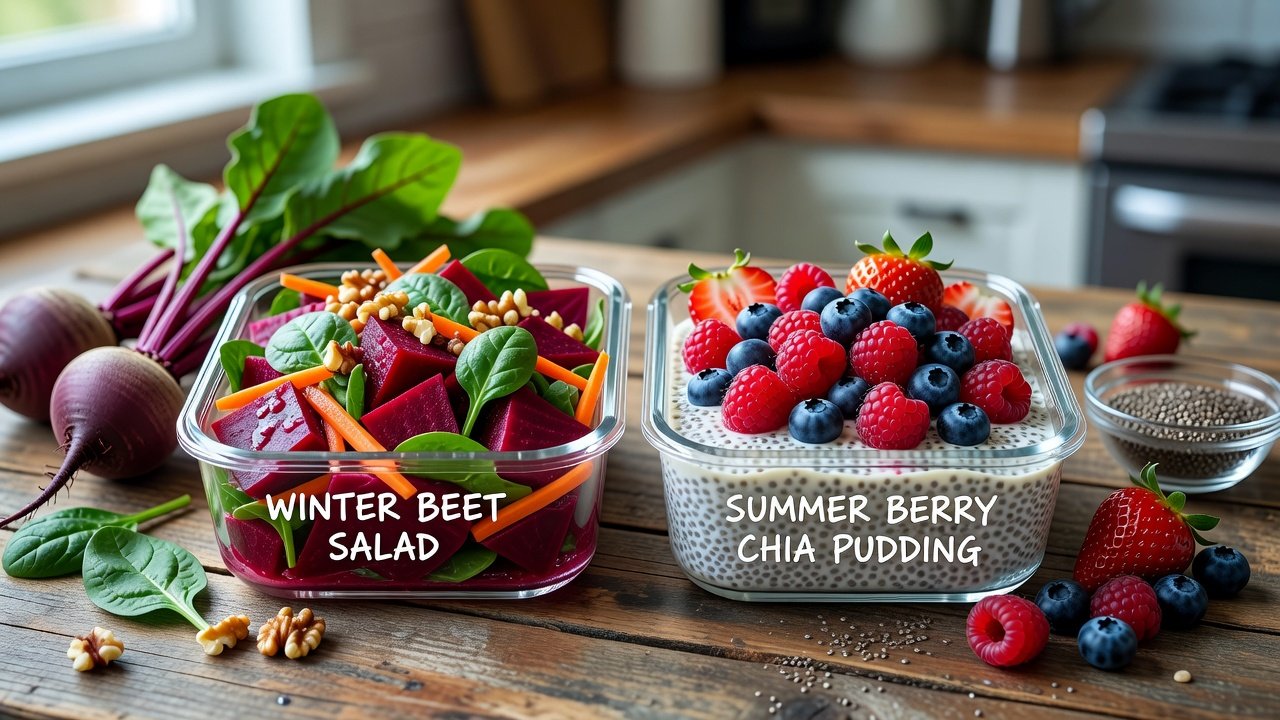
- Winter Beet and Kale Salad: Roast two medium beets at 400°F for 40 minutes, peel and cube them, then toss with two cups of massaged kale, a handful of walnuts, and a dressing of olive oil, balsamic vinegar, and garlic. Serves two as a main course rich in fiber and nitrates.
- Spring Asparagus Soup: Simmer one pound of fresh asparagus with two leeks and three garlic cloves in vegetable broth for 20 minutes, blend until smooth, and finish with fresh lemon juice and cracked pepper. This light soup delivers folate for cellular repair.
- Summer Berry Chia Pudding: Combine one cup of mixed blueberries and strawberries with three tablespoons of chia seeds and one cup of unsweetened almond milk; refrigerate overnight and top with mint. The anthocyanins provide sustained anti-inflammatory effects.
- Fall Butternut Squash Stew: Cube one small squash, add it to a slow cooker with one cup of spinach, half a cup of lentils, turmeric, and broth; cook on low for six hours. The curcumin synergy enhances overall benefits.
- Year-Round Green Smoothie: Blend two handfuls of spinach, one cup of frozen seasonal berries, a thumb of ginger, and water until creamy. Quick to prepare, it maintains consistent nutrient intake across transitions.
Each recipe uses minimal ingredients available at local markets during peak seasons and can be scaled for meal prep.
Shopping Tips for Local Markets and Storage Advice
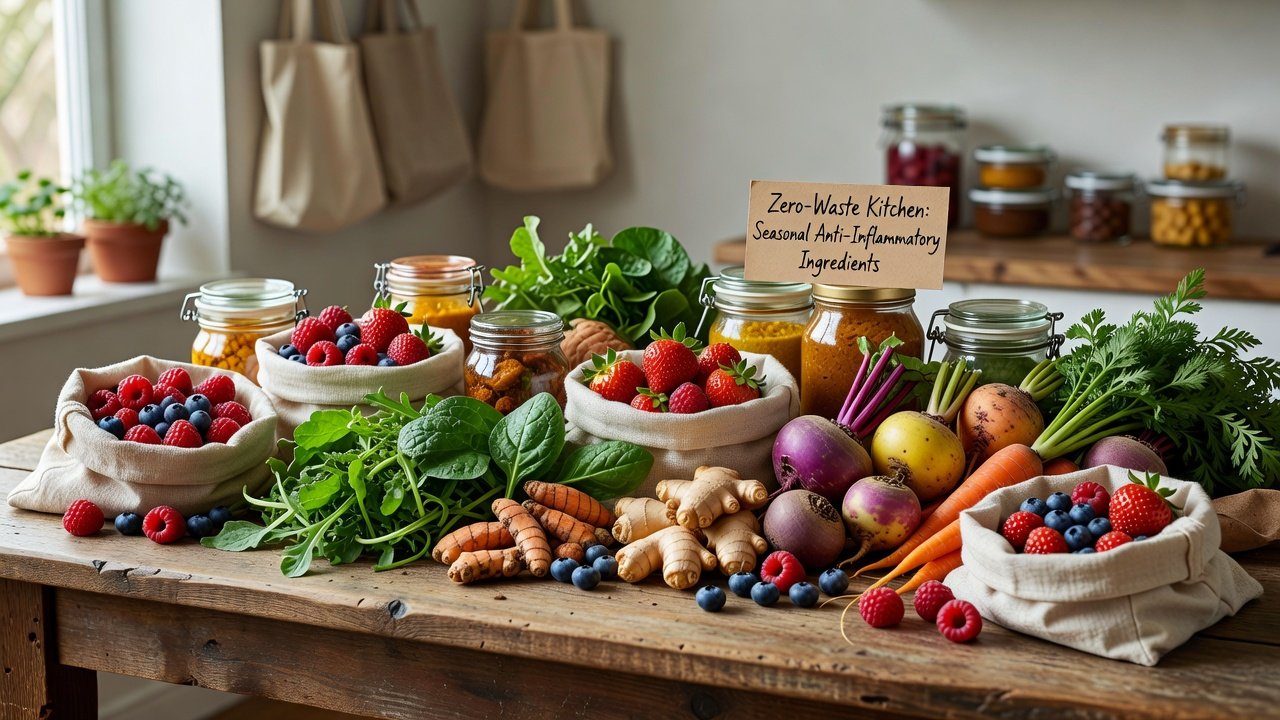
Visit farmers' markets early to select the freshest items. Look for vibrant colors and firm textures while avoiding bruised produce. Ask vendors about growing practices to ensure organic or low-pesticide options and learn exact harvest dates. Bring reusable bags and plan purchases around weekly menus to prevent impulse buys that lead to spoilage.
Store leafy greens in perforated bags in the crisper drawer for up to five days. Root vegetables keep well in cool, dark places like a pantry bin for weeks. Berries should stay in shallow containers lined with paper towels to avoid bruising and mold. Proper storage minimizes waste and preserves anti-inflammatory compounds by slowing nutrient loss.
Centers for Disease Control and Prevention guidelines recommend washing produce thoroughly before storage and using the FIFO method (first in, first out) for pantry items.
Seasonal vs Imported Options: Nutrient Density and Cost Savings
Seasonal local produce often outperforms imported alternatives in nutrient density due to shorter harvest-to-table times. Imported items may lose vitamins during extended transit, especially water-soluble ones like vitamin C. Cost savings arise from avoiding premiums on out-of-season imports, though exact savings vary by region and year.
Comparisons show seasonal choices support both health goals and budgets while lowering environmental impact through reduced transportation needs. For instance, local beets retain more betalains than shipped versions, offering superior inflammation control without extra packaging waste.
Mistakes to Avoid When Transitioning to Seasonal Eating
Common pitfalls include forcing non-local favorites year-round, which undermines benefits, or neglecting frozen backups during off-seasons. Another error is improper storage leading to quick spoilage; always label containers with dates. Overlooking variety can cause nutrient gaps, so rotate colors and types weekly.
Creating a Year-Round Seasonal Meal Plan
Start by mapping your region's harvest calendar. Dedicate one day weekly to prep core ingredients like roasted roots or washed greens. Incorporate leftovers creatively, such as turning stew into soup bases. Track progress by noting energy levels and inflammation symptoms monthly to refine the plan.
FAQs on Adapting the Diet Year-Round
How do I adapt anti-inflammatory eating across seasons? Rotate focus to whatever is local and fresh, supplementing with frozen options when needed while maintaining core principles of variety and minimal processing.
What markers track inflammation? Consult a doctor for tests like CRP levels, and monitor symptoms such as joint pain or fatigue alongside dietary changes for a holistic view.
Can this diet work for everyone? Most people benefit, but individual needs vary; professional guidance ensures safety with any medical conditions or allergies.
Is organic always necessary? Prioritize local first; organic seasonal produce maximizes benefits but conventional options from trusted sources still deliver strong anti-inflammatory value.
Conclusion
Embracing 2026 seasonal anti-inflammatory foods creates a sustainable path to better health. By prioritizing local produce, experimenting with simple recipes, and following smart storage practices, individuals reduce inflammation effectively while protecting the planet. Consistent application yields lasting results in both wellness and environmental stewardship.
No comments yet. Be the first!