 Func Eats

Brain Boosting Foods for Creative Professionals 2026
Creative professionals including writers, designers, and innovators depend on sharp divergent thinking, rapid problem-solving, and consistent idea generation. Nutrition plays a powerful role in supporting these abilities. Specific nootropic foods can elevate brain-derived neurotrophic factor (BDNF), support dopamine pathways, improve cerebral blood flow, and reduce oxidative stress. This comprehensive guide examines the underlying mechanisms, provides a ranked list of the most effective foods with serving suggestions, offers weekly integration strategies, sample meals, a detailed nutrition tracker, timing advice, and mindfulness combinations to help you optimize creative performance throughout 2026.
Understanding the Science Behind Nootropic Foods
BDNF acts as a fertilizer for the brain by promoting neuron survival, growth, and synaptic plasticity. Higher BDNF levels correlate with improved learning, memory consolidation, and the ability to form novel connections essential for creativity. Dopamine influences motivation, reward anticipation, and cognitive flexibility, which are critical during brainstorming sessions. Foods containing omega-3 fatty acids, curcumin, flavanols, and anthocyanins target these pathways. Chronic low-grade inflammation and oxidative stress impair these processes, so antioxidant-rich options also deliver protective effects. According to resources from the National Institutes of Health, dietary patterns rich in these compounds can produce measurable changes in cognitive biomarkers over several weeks. The World Health Organization emphasizes balanced nutrition as a foundational strategy for maintaining mental performance across demanding professions.
Top Ranked Brain-Boosting Foods for Creativity
Here is a carefully ranked selection based on strength of evidence for BDNF elevation, dopamine support, and practical usability for busy creatives.
- Walnuts: Exceptionally high in alpha-linolenic acid, an omega-3 that directly elevates BDNF and supports myelin integrity. One ounce (about 14 halves) daily provides the target dose. Add chopped walnuts to yogurt or salads for sustained energy without blood-sugar spikes.
- Turmeric: Curcumin increases BDNF expression and crosses the blood-brain barrier when paired with piperine from black pepper. Use one teaspoon of turmeric plus a pinch of black pepper in golden milk or roasted vegetables.
- Dark Chocolate (70%+ cacao): Cocoa flavanols boost dopamine release and enhance cerebral blood flow within 30-60 minutes. One ounce (two small squares) consumed mid-afternoon supports afternoon creative blocks.
- Blueberries: Anthocyanins protect hippocampal neurons and improve executive function. One cup fresh or frozen daily can be blended into smoothies or eaten as a snack.
- Fatty Fish such as Salmon or Sardines: Provide DHA and EPA that raise BDNF and lower inflammation. Aim for 4-6 ounces two to three times per week, grilled or baked.
- Leafy Greens including Spinach and Kale: Deliver folate, vitamin K, and nitrates that enhance blood flow. Two cups daily in salads or smoothies support long-term cognitive flexibility.
- Avocados: Monounsaturated fats improve absorption of fat-soluble nutrients from other brain foods. Half an avocado added to meals aids overall nutrient uptake.
Practical Weekly Integration Tips
Build habits gradually by introducing one new food each week. Prepare a Sunday batch of turmeric-spiced roasted vegetables and walnut-topped overnight oats. Keep a small container of dark chocolate squares at your desk for scheduled breaks. Rotate fatty fish into two dinners and rely on walnuts or blueberries for daily snacks. These small, consistent actions compound over time and fit around writing deadlines or design sprints.
Sample Meal Ideas for Creative Days
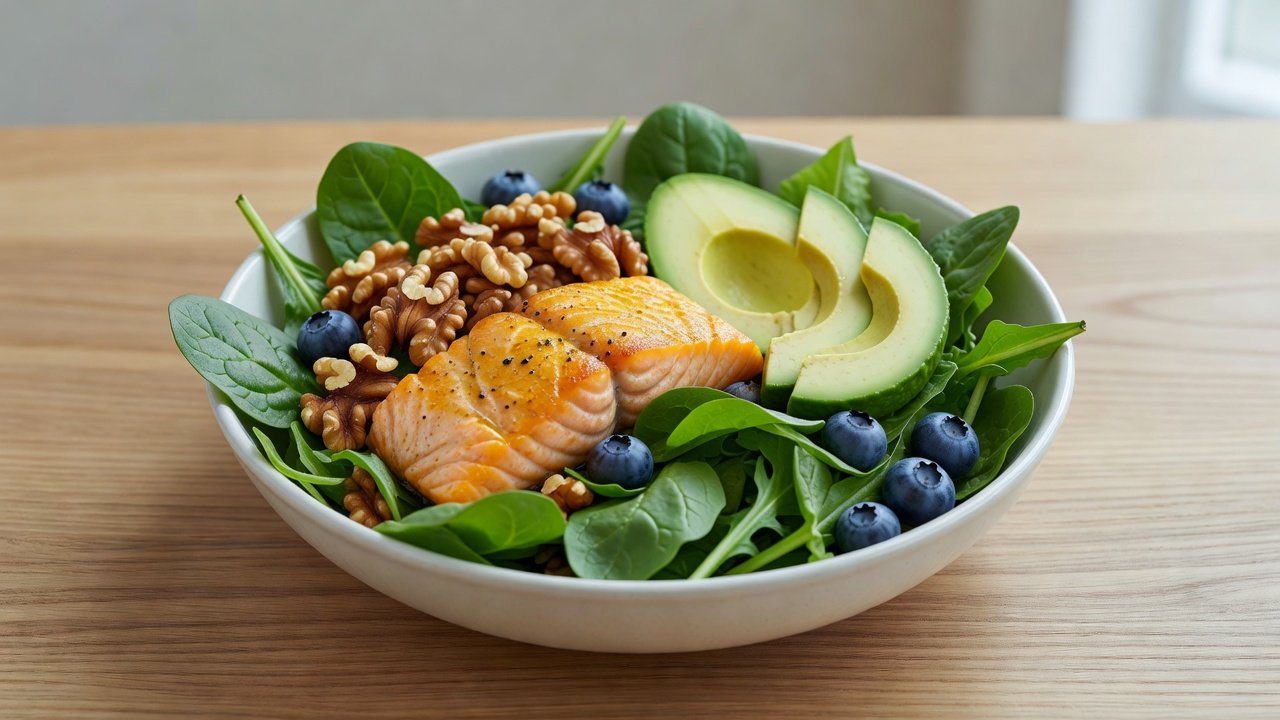
Breakfast options include blueberry-walnut overnight oats or a turmeric golden milk smoothie with spinach and avocado. Lunch ideas feature grilled salmon salad with leafy greens, avocado, and a turmeric dressing, or a quinoa bowl topped with walnuts and roasted vegetables. Dinner examples are baked salmon with kale and sweet potatoes or a lentil-turmeric curry served with brown rice and avocado slices. Evening snacks can be a square of dark chocolate paired with a handful of blueberries. Each combination delivers synergistic nutrients that sustain focus from morning ideation through evening refinement.
3-Day Creative Nutrition Tracker
Use this tracker as a template and repeat or modify based on preferences.
- Day 1: Breakfast – Blueberry walnut smoothie with spinach; Lunch – Turmeric quinoa bowl with avocado; Dinner – Baked salmon with kale and olive oil; Snack – One ounce dark chocolate.
- Day 2: Breakfast – Avocado toast on whole-grain bread with greens; Lunch – Salmon and leafy green salad; Dinner – Turmeric vegetable stir-fry with walnuts; Snack – One cup blueberries.
- Day 3: Breakfast – Turmeric golden milk oats with walnuts; Lunch – Walnut-topped veggie wrap with avocado; Dinner – Grilled sardines with spinach and turmeric rice; Snack – Dark chocolate and berries.
Timing Intake for Peak Creative Sessions
Consume omega-3 sources such as walnuts or salmon two to three hours before intense work to allow absorption and steady energy. Polyphenol-rich foods like dark chocolate and turmeric perform best 60-90 minutes before brainstorming or problem-solving blocks when dopamine support is most valuable. Avoid large meals within one hour of creative sessions to prevent postprandial sluggishness. Evening intake of lighter options such as blueberries supports overnight consolidation of ideas without disrupting sleep.
Combining Foods with Mindfulness Practices
Pair nutrient timing with brief mindfulness exercises to amplify benefits. A 10-minute focused breathing session after a walnut-blueberry snack can heighten attention and reduce mind-wandering during writing or design work. The Mayo Clinic highlights that integrating dietary choices with stress-reduction techniques strengthens cognitive resilience and emotional regulation, both vital for sustained creative output under deadline pressure.
Common Mistakes to Avoid
Many professionals skip consistent intake, expecting immediate results, or combine these foods with excessive caffeine that masks natural dopamine support. Overcooking turmeric reduces curcumin bioavailability, so add it near the end of cooking or pair with fat. Neglecting variety leads to nutrient gaps, so rotate the ranked list rather than relying on only one or two items.
Frequently Asked Questions
How long until noticeable effects appear? Most individuals report improved creative stamina and focus within two to four weeks of consistent daily intake. Can these foods replace medication or therapy? They serve as supportive lifestyle factors and should not replace professional medical advice. Are there contraindications? Individuals with specific health conditions should consult a physician, though the listed foods are generally recognized as safe for regular consumption by healthy adults.
Conclusion
Strategic inclusion of these brain-boosting foods offers a practical, evidence-supported approach to enhancing divergent thinking and problem-solving for creative professionals. Apply the ranked list, meal ideas, tracker, and timing guidelines to build a personalized routine that supports peak performance in 2026 and beyond.
No comments yet. Be the first!