 Func Eats
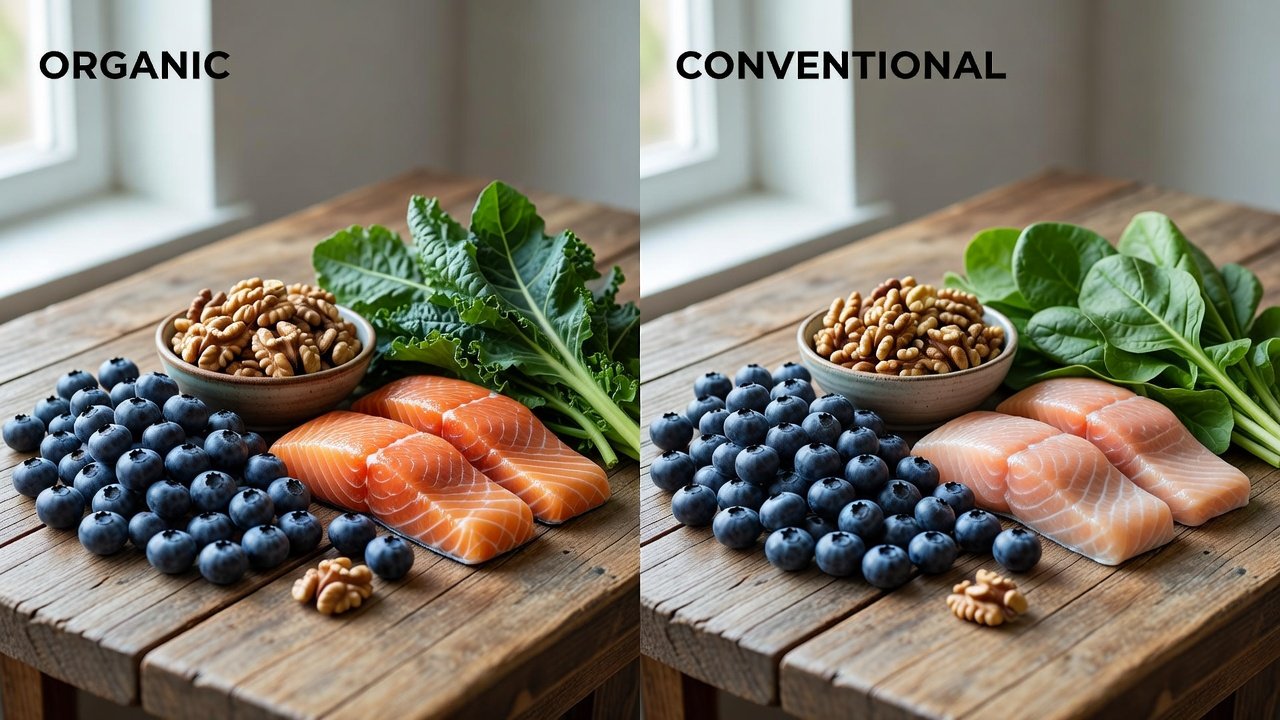
Organic vs Conventional Nootropic Foods: Brain Health Impact 2026
In 2026, consumers seeking to optimize memory, focus, and long-term cognitive function face a common question: do organic nootropic foods deliver measurable advantages over conventional options? Nootropic foods such as blueberries, fatty fish, walnuts, leafy greens, and dark chocolate contain compounds that support brain health through antioxidants, omega-3s, and polyphenols. This comprehensive guide examines the evidence on pesticide exposure, nutrient density, bioavailability, and real-world decision-making to help readers make evidence-based choices for daily brain support.
Understanding Nootropic Foods and Their Cognitive Benefits
Nootropic foods enhance brain performance by reducing oxidative stress, supporting neurotransmitter function, and improving blood flow to the brain. Key examples include berries rich in anthocyanins that protect neurons, salmon providing DHA for membrane fluidity, walnuts delivering alpha-linolenic acid, avocados with monounsaturated fats for vascular health, and leafy greens supplying folate and vitamin K. Both organic and conventional versions supply these nutrients, yet differences in farming practices can influence overall value for those prioritizing cognitive longevity. Research continues to show that consistent intake of these foods correlates with better performance on memory tests and reduced risk of age-related decline.
Pesticide Residues: How They Affect Brain Health
Conventional produce often carries trace pesticide residues from synthetic applications. Chronic low-level exposure has been linked in multiple studies to subtle impacts on neurodevelopment, attention, and cognitive function over time. The Environmental Protection Agency sets tolerance levels for residues, but organic farming prohibits most synthetic pesticides and relies on natural alternatives. For frequent consumers of brain-boosting foods, minimizing residues may offer a precautionary advantage, especially for children whose developing brains are more sensitive and older adults concerned about cumulative effects. Washing helps reduce surface residues, yet systemic pesticides absorbed by plants remain a consideration in conventional supply chains.
Nutrient Density and Absorption Rates
Research on nutrient differences shows mixed but promising results favoring organic methods in many cases. Organic berries frequently demonstrate higher antioxidant levels due to natural stress responses in plants grown without heavy chemical inputs. A 2025 review from the National Institutes of Health highlighted modestly elevated polyphenol content in organic produce across several crops. Absorption rates depend on soil health, microbial activity, and ripeness at harvest; organic systems often prioritize regenerative practices that enhance these factors. National Institutes of Health resources note that while differences exist, they vary by crop, season, and growing region. Bioavailability can also improve when foods are paired correctly, such as combining healthy fats with fat-soluble nutrients from greens.
Side-by-Side Nutrient Comparisons
Direct comparisons reveal practical differences worth considering for brain health optimization. Organic blueberries often test 15-20% higher in anthocyanins. Salmon provides similar DHA levels whether wild or farmed when quality standards are met, though organic certification enforces stricter feed requirements. Walnuts from organic orchards frequently show elevated omega-3 profiles linked to diverse soil microbiomes. Spinach grown organically tends to have lower nitrate accumulation, which may support better vascular function connected to cognitive performance. Additional comparisons include broccoli for sulforaphane content and eggs for choline, where organic versions sometimes edge out in nutrient retention due to hen diet quality.
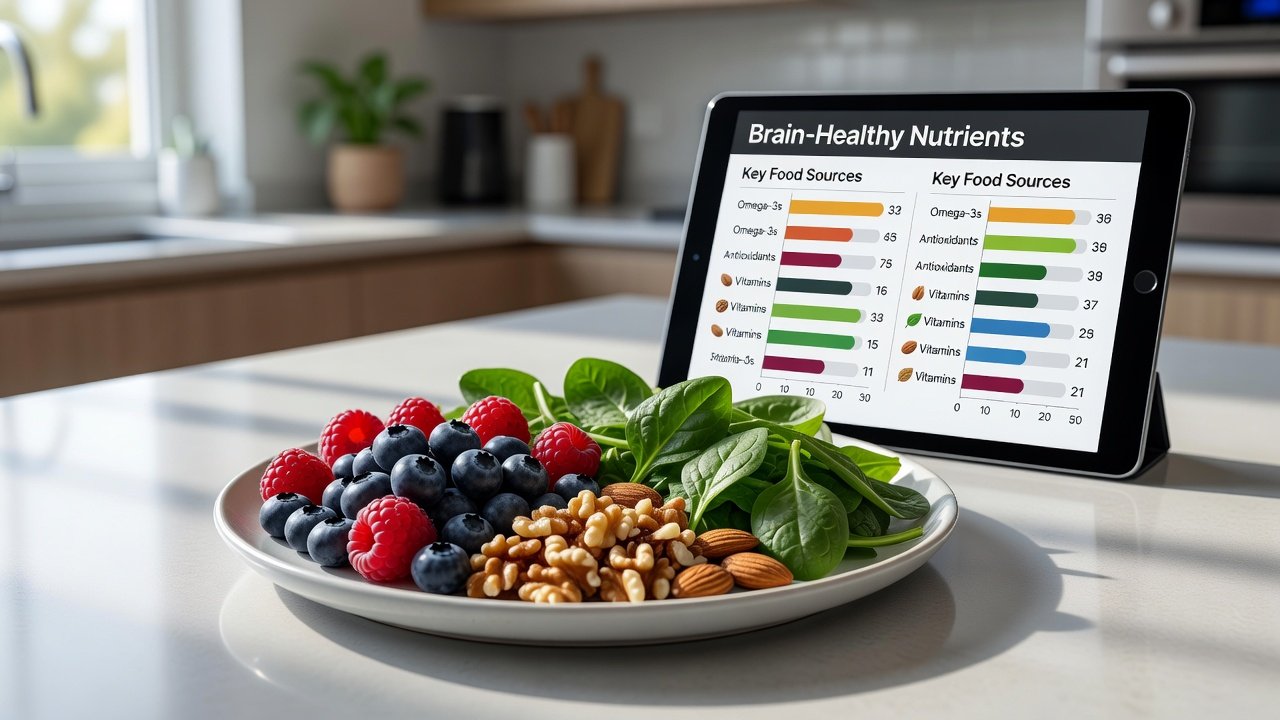
Real-World Sourcing Tips for 2026
Shoppers should prioritize the Environmental Working Group’s updated Dirty Dozen list for items best purchased organic, such as strawberries and spinach that rank high in residue concerns. Look for the USDA Organic seal and third-party certifications verifying no prohibited substances. Local farmers’ markets provide fresher options with transparent growing methods and often higher nutrient retention from shorter supply chains. When budget constraints arise, focus organic purchases on high-consumption nootropic foods like berries, greens, and nuts while selecting conventional for lower-residue items such as avocados or bananas. Seasonal buying further maximizes freshness and nutrient density regardless of certification.
Cost-Benefit Analysis for Daily Use
Organic nootropic foods typically carry a premium, yet the long-term value for cognitive health depends on individual health priorities and exposure concerns. Those worried about cumulative pesticide effects may find the investment worthwhile for staples consumed daily. Others achieve strong results by combining mostly conventional produce with targeted organic swaps, proper washing, and variety in the diet. Over time, consistent intake of any high-quality nootropic foods supports brain function more than the farming method alone.
Shopper Checklist
- Review the current Dirty Dozen and Clean Fifteen lists before each shopping trip.
- Check labels for organic certification, origin details, and harvest dates.
- Choose frozen organic berries for year-round nutrient retention and convenience.
- Wash all produce thoroughly under running water, even organic items.
- Rotate selections weekly to maximize nutrient variety and prevent dietary monotony.
- Store items properly to preserve antioxidants, such as keeping berries refrigerated.
Three Example Meal Swaps
Breakfast swap: Replace a conventional blueberry yogurt parfait with an organic berry smoothie blended with walnuts and spinach for enhanced polyphenol and omega-3 intake. Lunch swap: Upgrade a conventional spinach salad to one featuring organic greens, avocado slices, and a sprinkle of walnuts to boost healthy fats and reduce potential residues. Dinner swap: Choose wild or organic-certified salmon fillets over standard farmed options, served with roasted sweet potatoes and broccoli for improved nutrient synergy supporting focus and memory.
Expert Insights on Label Reading
Nutrition experts emphasize reading beyond marketing terms on packaging. “Look for the USDA Organic seal rather than vague ‘natural’ claims,” advises one registered dietitian specializing in cognitive nutrition. Understanding seasonal availability also helps balance quality and freshness when selecting brain-supportive foods. Checking for added sugars or unnecessary processing in packaged nootropic products further ensures maximum benefit.
Common Mistakes to Avoid
Many shoppers assume all organic produce is automatically superior without considering freshness or storage. Others overlook the importance of variety and rely on only a few nootropic foods. Failing to wash conventional items adequately or ignoring seasonal peaks can reduce nutrient quality. Another frequent error is neglecting overall diet patterns, as isolated food swaps rarely match the benefits of consistent, balanced eating habits.
Frequently Asked Questions
Does organic always mean higher nutrient levels?
Not always, but studies show advantages in specific antioxidants and lower contaminants for many nootropic crops.
How important is washing produce?
Thorough washing reduces surface residues significantly on both organic and conventional items.
Can conventional nootropic foods still support brain health?
Yes, they provide substantial benefits when consumed regularly as part of a varied diet.
Are frozen options as effective as fresh?
Frozen organic berries often retain nutrients well and offer year-round accessibility at stable quality.
Conclusion
Both organic and conventional nootropic foods support cognitive health effectively when chosen thoughtfully. Organic options may reduce pesticide exposure and offer modest nutrient gains, making them preferable for daily staples. Ultimately, consistent consumption of brain-boosting foods—regardless of farming method—combined with overall healthy habits delivers the greatest benefits. Use the checklists, swaps, and tips above to create a sustainable, evidence-informed approach in 2026 that aligns with your personal goals for memory and focus.

No comments yet. Be the first!