 Func Eats
Introduction: Fueling Innovation Through Nutrition
In 2026, professionals and artists are turning to targeted nutrition to enhance divergent thinking and problem-solving beyond standard memory support. Specific nootropic foods influence brain pathways linked to creativity, offering a practical edge in competitive fields. This guide examines the science-backed connections, provides a ranked list of top foods, integrates sample meals, compares approaches to mindfulness, shares three easy recipes, outlines side effects, and answers common questions. By understanding how diet supports cognitive flexibility, individuals can integrate these foods strategically into daily routines for sustained innovative output. The focus remains on whole foods that promote neuroplasticity rather than quick fixes or supplements alone.
Mechanisms Linking Foods to Divergent Thinking
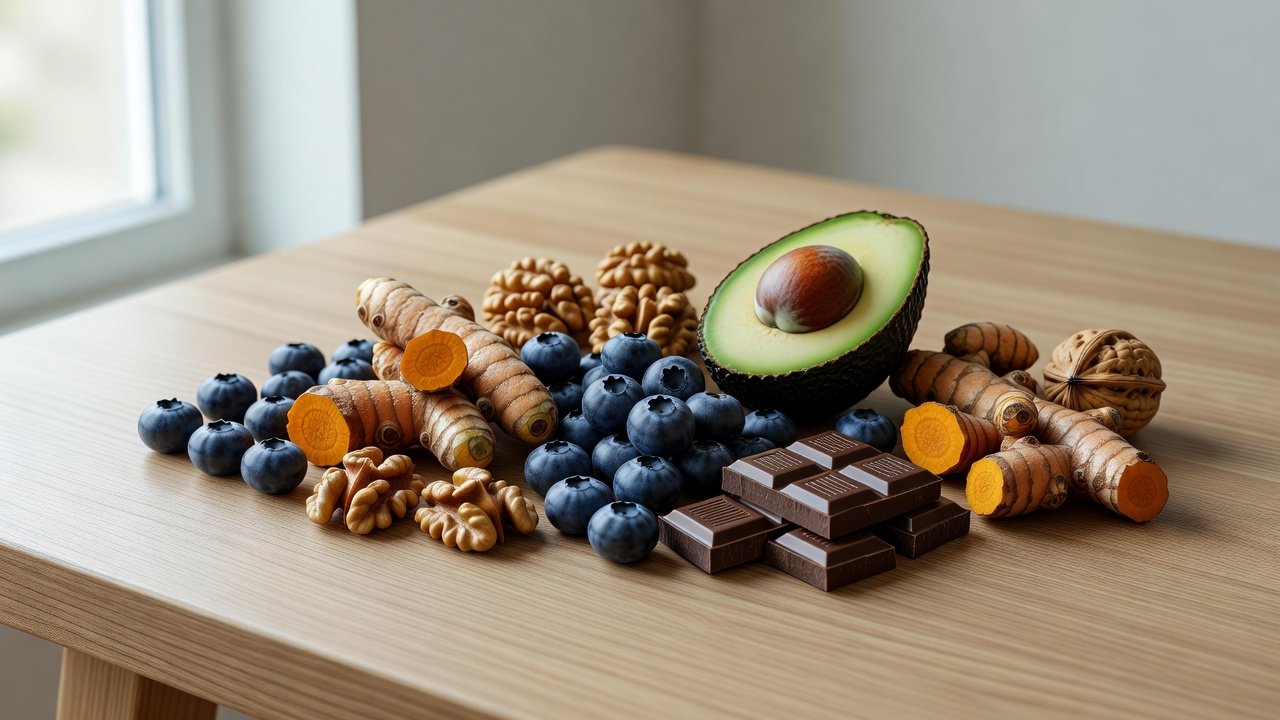
Foods rich in anti-inflammatory compounds and healthy fats support neuroplasticity and neurotransmitter balance. Turmeric's curcumin reduces oxidative stress in the prefrontal cortex, fostering idea generation. Walnuts deliver omega-3s that improve blood flow to brain regions involved in creative associations. These effects extend past basic recall, promoting flexible cognition essential for innovation. Research from institutions like the National Institutes of Health highlights how dietary polyphenols modulate BDNF levels, a protein tied to creative output. Additional pathways include enhanced dopamine signaling from berries and improved mitochondrial function in neurons from avocados. Over time, consistent intake helps maintain steady mental energy during long creative sessions, reducing mental blocks associated with inflammation. Learn more from NIH resources on nutrition and brain health. The gut-brain axis also plays a role, as many of these foods support microbiome diversity that indirectly influences mood and idea flow.
Explore WHO guidance on healthy diets for cognitive function.
Ranked List of Top Brain-Boosting Foods
- Turmeric – Curcumin enhances mood and focus pathways while lowering inflammation that can stifle creative thought.
- Walnuts – Omega-3s support executive function and idea fluency by nourishing neural membranes.
- Blueberries – Antioxidants protect against cognitive fatigue and improve visual processing tied to inspiration.
- Dark chocolate (70%+ cacao) – Flavonoids boost cerebral blood flow for sharper associative thinking.
- Avocados – Monounsaturated fats aid nutrient absorption for brain cells and stabilize energy levels.
- Leafy greens – Folate supports neurotransmitter synthesis critical for sustained creative problem-solving.
Each option carries peer-reviewed backing for creativity-related benefits rather than rote memorization alone. Incorporating variety ensures broad nutrient coverage without relying on any single food.
Sample Daily Meal Integrations
Start the day with a turmeric latte and walnut oatmeal topped with blueberries. Midday, add blueberries and avocado to a salad with leafy greens. Evening meals can feature sautéed greens alongside dark chocolate for dessert. For professionals, pack portable options like walnut energy bites during meetings. Artists might prepare a berry-avocado bowl before studio time. These combinations sustain steady energy for creative sessions without crashes. A sample full day could include a morning smoothie, afternoon snack of dark chocolate with walnuts, and dinner incorporating turmeric-spiced vegetables over greens. Adjust portions based on activity level and personal tolerance.
Comparing Nutrition to Mindfulness Techniques
While mindfulness meditation improves attention regulation, foods deliver biochemical support that complements practice. Nutrition acts continuously throughout the day, whereas mindfulness requires scheduled time and mental discipline. Many creatives combine both for synergistic results, with diet providing foundational support and mindfulness refining application during brainstorming. Studies suggest dietary interventions may yield faster measurable shifts in mood stability, while mindfulness builds long-term resilience. Neither replaces the other; instead, they address different layers of cognitive performance for maximum creative output in demanding 2026 environments.
Three Easy Recipes for Creative Boosts
Turmeric Walnut Smoothie: Blend 1 tsp turmeric, a handful of walnuts, one cup blueberries, and unsweetened almond milk. Add a pinch of black pepper to enhance curcumin absorption. Ready in five minutes, this provides an immediate anti-inflammatory lift.
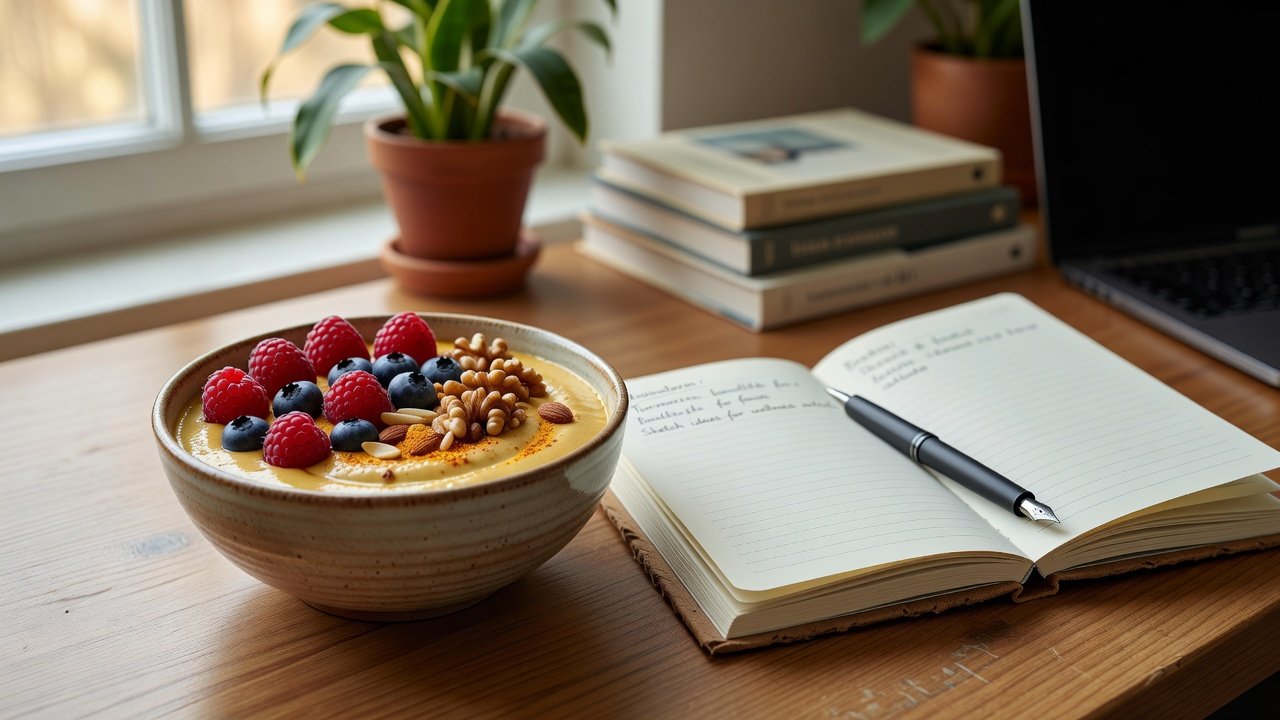
Avocado Berry Bowl: Mash half an avocado over a bed of leafy greens, top with fresh berries and dark chocolate shavings for a quick lunch. Drizzle with olive oil for extra healthy fats that support brain cell membranes.
Dark Chocolate Walnut Energy Bites: Mix rolled oats, chopped walnuts, a dash of turmeric powder, and melted dark chocolate; roll into balls and chill for 30 minutes. These portable snacks deliver sustained focus during afternoon creative slumps.
Potential Side Effects and Precautions
Excess turmeric may cause digestive upset in sensitive individuals or interact with certain medications. Walnuts can trigger allergies in those with tree nut sensitivities. Blueberries and avocados are generally well-tolerated but should be introduced gradually. Always consult a healthcare provider before major dietary changes, especially if managing conditions. Moderation prevents imbalances while maximizing benefits, and cycling foods helps avoid tolerance buildup.
Practical Examples for Professionals and Artists
A graphic designer might start the morning with the turmeric smoothie before tackling concept sketches, noting improved idea diversity. A software engineer could prepare energy bites for use during coding sessions that require innovative solutions. Writers benefit from the berry bowl at lunch to maintain narrative flow into the afternoon. These real-world applications demonstrate how small integrations fit busy schedules without requiring extra time or expense.
Mistakes to Avoid
Common errors include over-relying on one food, ignoring portion control, or expecting instant results. Skipping variety leads to nutrient gaps, while consuming these foods alongside high-sugar items can counteract benefits. Another pitfall is neglecting hydration, which amplifies the effects of anti-inflammatory compounds. Tracking personal responses over several weeks helps refine the approach effectively.
FAQ on Timing and Dosage
When should I eat these foods? Morning intake aligns with peak creative hours for many people, though consistent daily consumption matters more than exact timing.
What dosage works best? One to two servings daily of each key food provides meaningful support without excess, adjustable based on body weight and activity.
Can supplements replace whole foods? Whole foods offer synergistic nutrients superior to isolated extracts in most cases, delivering fiber and additional compounds that aid absorption.
How long until effects appear? Consistent use over two to four weeks often yields noticeable improvements in creative flow and mental clarity.
Conclusion
Incorporating these brain-boosting foods creates a sustainable foundation for creativity in 2026. Combine with mindful practices for optimal innovation. Start small, track personal responses, and adjust for lasting results that support both professional and artistic endeavors.

No comments yet. Be the first!