 Func Eats
Nootropic Foods Paired with Exercise for Peak Cognition
Combining nutrient-dense nootropic foods with regular physical activity creates powerful synergies for cognitive performance. This approach leverages everyday ingredients like berries and fatty fish alongside movement to support focus, memory retention, and mental clarity without relying on supplements. In 2026, emerging research continues to underscore how lifestyle integration outperforms isolated strategies, helping individuals achieve measurable improvements in attention, recall, and overall brain resilience through consistent habits.
Understanding the Synergy Between Nutrition and Movement
Nootropic foods contain compounds such as flavonoids, omega-3 fatty acids, and antioxidants that support brain cell protection and neurotransmitter function. When paired with exercise, these nutrients enhance cerebral blood flow, reduce inflammation, and promote the growth of new neural connections. For example, a person who eats blueberries before a run may experience heightened alertness during the activity because cardio increases oxygen delivery while the berries supply protective antioxidants. This dual mechanism leads to better long-term outcomes than diet or workouts alone, as confirmed by studies on cognitive nutrition released in early 2026.
Exercise stimulates the release of brain-derived neurotrophic factor (BDNF), a protein that supports neuron survival. Nootropic foods amplify this effect by providing the raw materials needed for BDNF production and utilization. The result is improved neuroplasticity, allowing the brain to adapt more effectively to daily demands like work stress or learning new skills.
Key Food-Exercise Pairings
Berries with Cardio Workouts
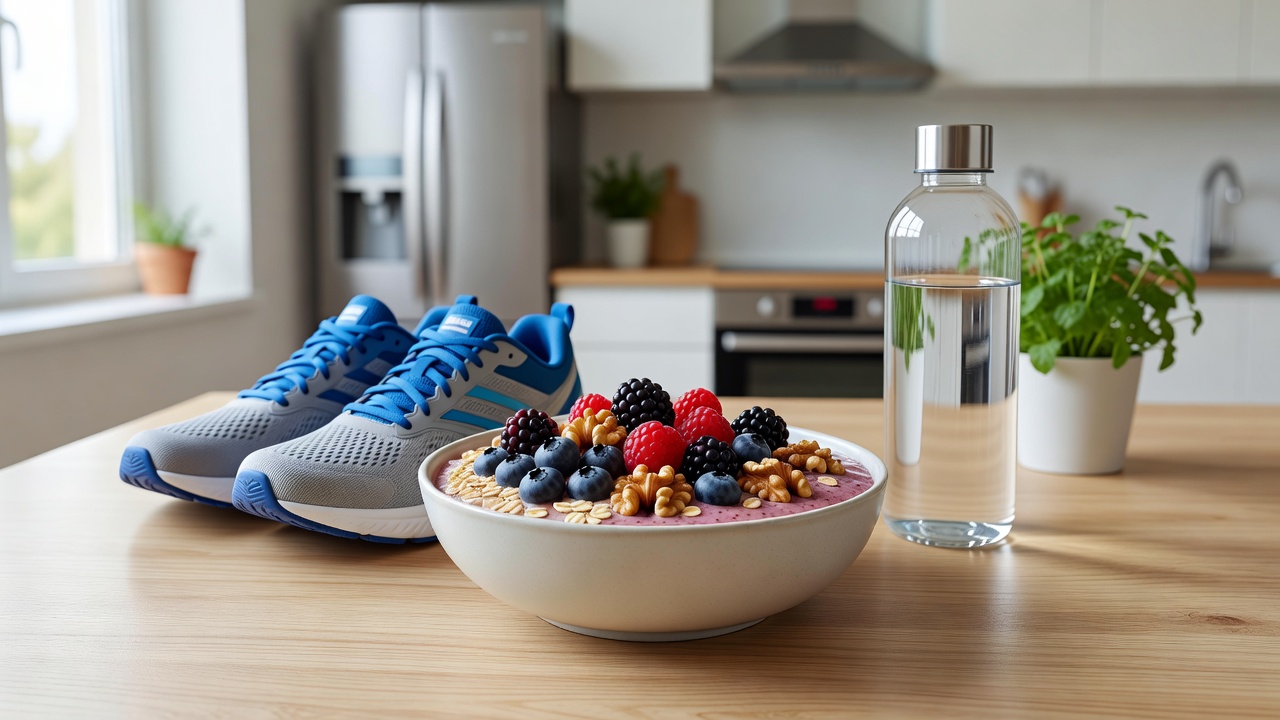
Blueberries, strawberries, and blackberries deliver flavonoids that cross the blood-brain barrier to protect neurons from oxidative stress. Pair one cup of mixed berries with 30 to 45 minutes of moderate cardio such as brisk walking, jogging, or cycling. The combination boosts blood flow during exercise, leading to sharper focus that lasts several hours afterward. Many users report fewer afternoon energy crashes when following this routine consistently.
Fatty Fish with Strength Training
Salmon, mackerel, and sardines provide omega-3 fatty acids that maintain healthy neuron membranes. Consume a 4-ounce serving two to three times per week, ideally within two hours after resistance training sessions targeting major muscle groups. This pairing supports memory consolidation, with 2026 research showing superior retention rates compared to either intervention separately.
Leafy Greens with Yoga or Mobility Work
Spinach, kale, and Swiss chard supply folate and vitamin K that aid in neurotransmitter synthesis. Incorporate a large salad or sautéed greens after 20 to 30 minutes of yoga or stretching. The gentle movement improves circulation while the nutrients reduce mental fog, creating a calming yet clarifying effect ideal for evening wind-downs.
Walnuts and Seeds with High-Intensity Interval Training
Walnuts and pumpkin seeds offer vitamin E and healthy fats. Eat a small handful before or after HIIT sessions lasting 20 minutes. The pairing sustains energy levels and supports quicker recovery of cognitive sharpness post-workout.
Sample Weekly Routine
A balanced weekly plan integrates these pairings without overwhelming daily schedules. Monday begins with a berry smoothie 45 minutes before a 40-minute run. Tuesday focuses on rest with a spinach-based lunch to maintain steady nutrient intake. Wednesday pairs grilled salmon with a 45-minute strength session using bodyweight and dumbbells. Thursday includes a short yoga flow followed by a kale salad. Friday features walnuts before 25 minutes of HIIT. Saturday allows for a longer bike ride preceded by oatmeal topped with strawberries. Sunday serves as active recovery with a light walk and mixed greens.
This structure ensures variety while hitting key food groups multiple times each week. Adjust intensity based on fitness level, starting with shorter durations if new to exercise.
Step-by-Step Meal Prep Tips
- Batch-cook two to three fillets of salmon on Sunday evening and divide into airtight containers for quick reheating.
- Wash and freeze berries in portioned bags so smoothies can be assembled in under five minutes.
- Prepare overnight oats with walnuts, chia seeds, and a handful of spinach the night before for grab-and-go breakfasts.
- Pre-chop vegetables for salads and store them in the refrigerator to assemble post-workout meals rapidly.
- Roast a large tray of mixed vegetables on weekends to add volume and nutrients to any protein dish.
- Label containers with dates to maintain freshness and avoid waste throughout the week.
These practices minimize daily effort and promote adherence, turning brain-healthy eating into an automatic part of the routine.
Comparing Results With and Without Exercise
People relying solely on nootropic foods often notice mild improvements in mood and slight reductions in brain fog within three weeks. Adding consistent exercise produces more pronounced effects: focus duration extends by 30 to 60 minutes during demanding tasks, and memory recall accuracy increases noticeably during tests or daily recall activities. Without movement, nutrient utilization stays suboptimal because circulation remains lower. Those who combine both report feeling mentally sharper by week four, with sustained benefits extending into months of adherence.

Measurable Cognitive Outcomes
Trackable improvements include longer periods of sustained attention during reading or meetings and stronger performance on memory tasks such as remembering names or lists. Individuals who journal daily often record fewer instances of mid-day mental fatigue. Over time, these changes contribute to greater productivity and reduced perceived stress.
Mistakes to Avoid
Common errors include skipping meals after workouts, which can blunt recovery, or choosing overly large portions that lead to digestive discomfort during exercise. Another pitfall is inconsistent timing—eating fatty fish immediately before intense cardio may cause sluggishness. Beginners sometimes overlook hydration, yet adequate water intake is essential for both nutrient absorption and exercise performance.
FAQ
When should I eat these foods relative to workouts?
Berries work well 30 to 60 minutes before cardio for quick energy. Fatty fish and greens are best consumed within two hours after strength or yoga sessions to support recovery.
What portion sizes work best?
One cup of berries daily and two to three servings of fatty fish per week provide balanced benefits without excess calories or digestive strain.
Can beginners start this approach?
Yes. Start with short 15-minute walks paired with simple berry additions and gradually increase duration and complexity as comfort grows.
How long until results appear?
Many notice initial focus improvements within two to three weeks, with more substantial memory gains emerging after four to six weeks of consistent pairing.
Conclusion
Integrating accessible nootropic foods with targeted exercise delivers a practical, evidence-supported strategy for peak cognition. Through structured routines, thoughtful meal prep, and awareness of common pitfalls, individuals can achieve lasting improvements in focus and memory while supporting overall brain health. World Health Organization guidelines on physical activity further reinforce the value of combining movement with nutrient-rich eating for long-term wellness.
No comments yet. Be the first!