 Func Eats
Introduction to Budget-Friendly Brain Boosters
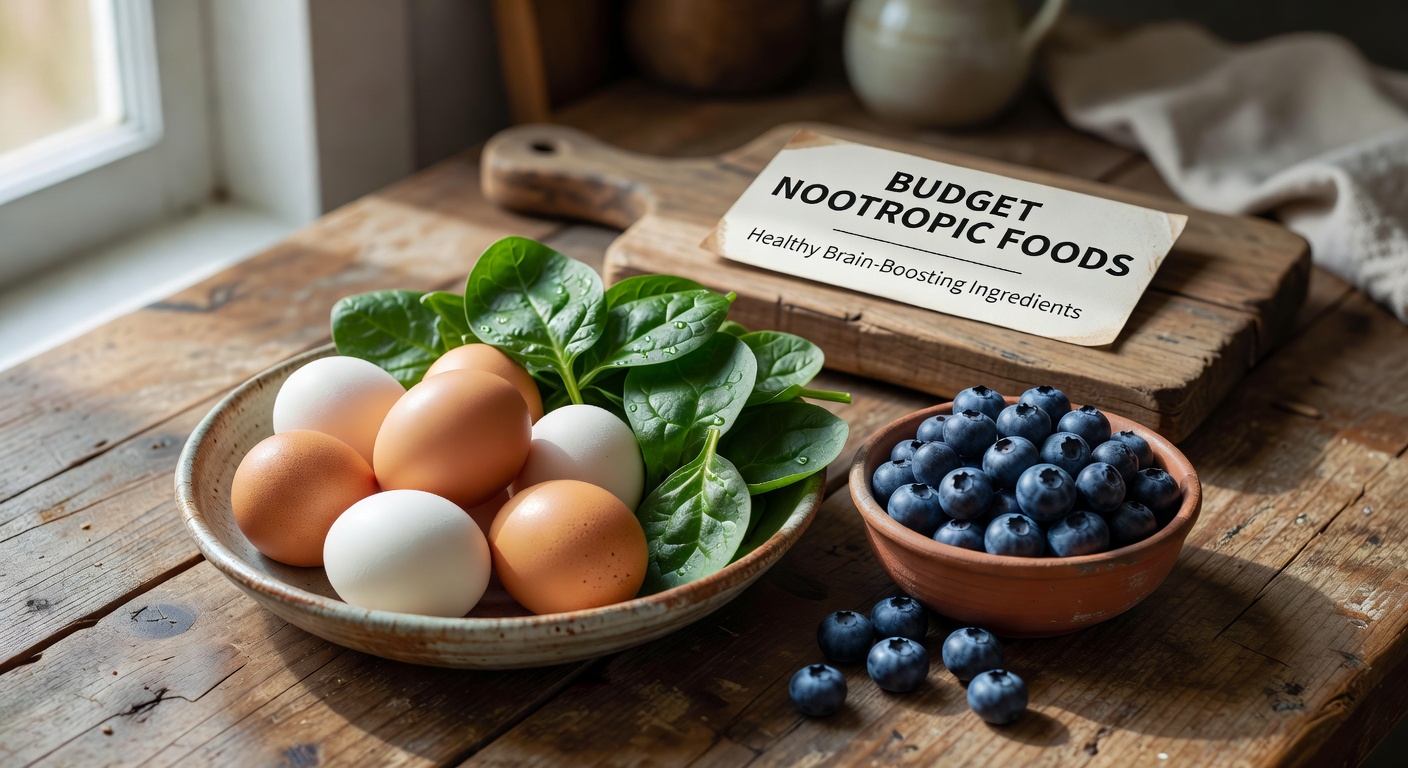
Many people assume that enhancing cognitive function requires expensive supplements or exotic ingredients. In reality, everyday foods available at most grocery stores deliver powerful nootropic benefits when consumed regularly. This guide focuses on accessible options such as eggs, leafy greens, and berries that support memory, focus, and overall brain health without straining your budget. These foods work through proven mechanisms including choline delivery for neurotransmitter production, antioxidant protection against oxidative stress, and anti-inflammatory compounds that maintain healthy blood flow to the brain. Incorporating them consistently can yield noticeable improvements in mental clarity over weeks and months, making brain health achievable for anyone regardless of income level.
The emphasis here is on real-world accessibility and long-term adherence. Rather than short-term trends, the focus remains on building habits that fit into busy schedules and tight budgets. By understanding the science behind these foods and learning practical integration strategies, readers can create sustainable routines that deliver lasting cognitive support.
Understanding How Affordable Foods Act as Nootropics
Nootropic effects come from specific nutrients rather than high price tags. Eggs provide choline, which the body converts into acetylcholine, a neurotransmitter essential for learning and memory. Leafy greens supply folate and vitamin K that help protect brain cells and support cognitive processing speed. Berries deliver flavonoids that enhance communication between neurons and improve blood-brain barrier function. Additional low-cost options like beans contribute B vitamins that aid energy metabolism in the brain, while root vegetables offer beta-carotene for cellular protection.
Research from institutions like the National Institutes of Health highlights these mechanisms without requiring premium products. The key is regular intake combined with simple preparation methods that preserve nutrients. Over time, these compounds accumulate to reduce inflammation, support neuroplasticity, and maintain sharp focus during demanding tasks. Understanding these pathways helps prioritize foods that offer the highest impact per dollar spent.
Top Low-Cost Nootropic Foods and Their Benefits
Eggs stand out as one of the most versatile and nutrient-dense choices. They deliver high-quality choline along with protein that helps stabilize blood sugar levels for sustained mental energy throughout the day. Leafy greens such as spinach and kale are packed with lutein, folate, and vitamin K, compounds linked to better memory retention and slower age-related cognitive changes. Berries, particularly blueberries and strawberries, provide anthocyanins that promote brain plasticity and combat oxidative stress.
Beans and lentils offer an economical source of B vitamins and fiber that support the gut-brain connection, leading to improved mood and focus. Carrots and sweet potatoes supply beta-carotene, which converts to vitamin A and aids in protecting brain cells from damage. These items form the foundation of a budget nootropic pantry because they store well, require minimal processing, and combine easily into everyday meals.
Sourcing Tips for Maximum Value
Shop at discount grocers or warehouse clubs for eggs in larger quantities. Choose frozen berries over fresh when out of season, as they retain nutrients and cost less while lasting longer in the freezer. Select pre-washed bags of greens during sales or buy whole heads of lettuce and wash at home. Seasonal produce like carrots often appears at lower prices in local markets. Planning weekly purchases around advertised specials and using loyalty programs further stretches the budget. Buying in bulk for non-perishables such as dried lentils reduces overall cost per serving significantly.
Simple Meal Integrations for Daily Routines
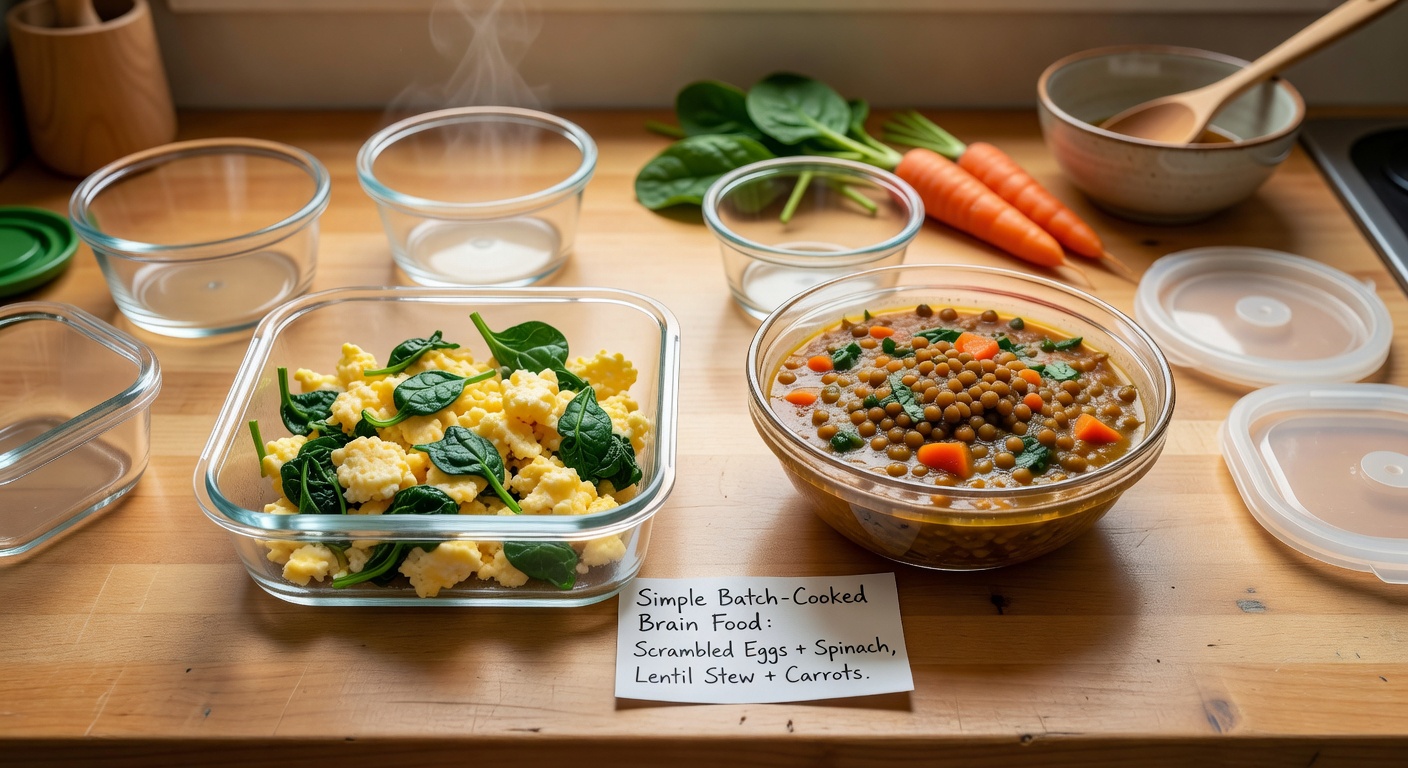
Breakfast can feature a spinach and egg scramble seasoned with basic herbs. Lunch might include a lentil salad with shredded carrots and a handful of greens. Dinner could center on a sweet potato topped with beans and steamed kale. Snacks are easy with hard-boiled eggs paired with a small portion of berries. These combinations deliver multiple nootropic nutrients in single dishes while keeping active preparation time under 15 minutes per meal.
Additional examples include overnight oats mixed with frozen berries for a quick morning option, or a bean and vegetable soup prepared in advance for reheating. Rotating these meals prevents boredom while ensuring consistent nutrient intake. Families can adapt the same base recipes for children by adjusting seasonings, making the approach practical across households.
Value Comparison Versus Expensive Alternatives
Commercial nootropic stacks and specialized supplements frequently carry high per-serving costs that add up quickly. In contrast, whole foods like eggs and greens provide synergistic nutrients including fiber and additional vitamins that isolated capsules often lack. Long-term adherence improves dramatically when meals feel familiar and align with existing grocery habits. Over months, the cumulative savings become substantial while delivering comparable or superior support for memory and focus through natural food matrices.
According to guidance from Mayo Clinic, whole-food approaches to nutrition tend to support broader health outcomes beyond cognition alone. This makes budget nootropic foods a smarter investment for overall wellness compared to targeted but costly products.
Nutrient Retention During Preparation
Steaming or lightly sautéing greens preserves water-soluble vitamins better than prolonged boiling. Store eggs in their original carton on a middle refrigerator shelf to maintain consistent temperature and freshness. Freeze extra portions of berries in airtight bags to prevent repeated thawing cycles that degrade antioxidants. When cooking beans, use low-heat simmering and avoid draining away the cooking liquid, which contains valuable B vitamins. These techniques ensure maximum delivery of brain-supporting compounds in every serving without additional expense.
Sample Shopping List for One Week
- One dozen eggs
- Two bags of spinach or mixed greens
- One large bag of frozen blueberries
- Two cans or one pound of dried lentils
- One bunch of carrots
- Two sweet potatoes
- Basic pantry staples like olive oil and seasonings if needed
Batch Cooking Examples
Hard-boil a full dozen eggs on Sunday for quick snacks, salads, and breakfast additions throughout the week. Roast a large tray of carrots and sweet potatoes with minimal oil to add to lunches and dinners. Prepare a big pot of lentil stew incorporating greens and portion it into containers for easy reheating. These strategies reduce daily decision fatigue and guarantee that brain-boosting ingredients remain readily available even on busy days.
Storage Solutions for Longevity
Keep fresh greens crisp by wrapping them loosely in a damp paper towel inside a sealed container. Freeze cooked lentils in single-serving portions for up to three months. Store root vegetables in a cool, dark place to extend shelf life naturally. Proper storage minimizes waste and ensures a steady supply of nootropic foods without frequent shopping trips.
Mistakes to Avoid When Starting
Overcooking vegetables can destroy delicate nutrients, so aim for minimal heat exposure. Relying solely on one food type limits nutrient diversity, so rotate ingredients regularly. Ignoring portion control may lead to waste, while underestimating prep time can derail consistency. Starting with small additions rather than complete overhauls helps build sustainable habits.
Tracking Progress and Long-Term Results
Many individuals notice improved focus within two to four weeks of consistent intake. Keeping a simple journal of energy levels and mental clarity can reveal patterns and reinforce adherence. Over several months, these foods contribute to better overall cognitive resilience, supporting memory during demanding periods and maintaining mental sharpness with age.
FAQ: Addressing Common Budget and Storage Concerns
How can I afford organic options? Conventional produce still delivers strong benefits when washed thoroughly. Prioritize spending on eggs and frozen berries where nutrient density remains high regardless of labeling.
What if fresh greens wilt quickly? Buy frozen spinach as a reliable backup and store fresh greens in airtight containers with a paper towel to absorb excess moisture.
Can these foods really replace supplements? Whole foods provide synergistic nutrients that isolated supplements often lack, supporting sustainable results when eaten consistently as part of balanced meals.
How do I handle limited kitchen equipment? One-pot meals like lentil stews require only a single pot and work well on basic stoves or even portable burners.
Are there seasonal substitutions? Swap berries for apples or oranges when they are more affordable, focusing on their vitamin content to maintain antioxidant intake year-round.
Conclusion
Brain health does not require luxury ingredients or complex routines. By focusing on eggs, leafy greens, berries, and similar staples, anyone can build a sustainable routine that supports memory and focus. Consistent sourcing, simple meal planning, smart storage, and nutrient-preserving techniques turn these affordable foods into powerful daily allies for long-term cognitive wellness and improved quality of life.

No comments yet. Be the first!