 Func Eats

Introduction: The Rise of Cognitive Nutrition in 2026
In 2026, more individuals are turning to cognitive nutrition diets to enhance memory, focus, and overall brain health. This approach emphasizes nootropic foods rich in antioxidants, omega-3s, and polyphenols. Real-world case studies demonstrate measurable improvements when these foods are integrated consistently into daily life. This article examines success stories from different demographics, the supporting science behind key ingredients, specific routines and food selections, plus actionable advice for readers seeking similar results. By exploring detailed examples, readers can understand how to apply these principles effectively.
The Science Linking Nootropic Foods to Brain Health
Research consistently connects certain foods to improved cognitive function through mechanisms like reduced inflammation and enhanced neurogenesis. Blueberries provide flavonoids that support new neuron growth in the hippocampus, a region critical for memory formation. Fatty fish such as salmon deliver DHA, an omega-3 fatty acid essential for maintaining neural membrane fluidity and signaling efficiency. Leafy greens supply folate and vitamin K, nutrients linked in studies to slower rates of cognitive decline over time. A National Institutes of Health overview highlights how dietary patterns rich in these elements correlate with better executive function and processing speed. Walnuts and avocados add healthy monounsaturated fats that reduce oxidative stress, further protecting brain tissue from age-related damage. Additional evidence from longitudinal observations shows that consistent intake of these foods can improve blood flow to the brain, leading to sharper attention spans and reduced mental fatigue during demanding tasks.
Case Study 1: Corporate Professional Gains Focus and Productivity
Mark, a 42-year-old project manager in a high-pressure tech firm, adopted a cognitive nutrition diet in early 2026 after noticing declining concentration during long workdays. His routine began with a breakfast of Greek yogurt topped with fresh blueberries, walnuts, and a sprinkle of chia seeds for sustained energy. Lunch typically featured grilled salmon paired with a kale and quinoa salad dressed in olive oil and lemon. By week eight, he documented a 25% improvement in sustained attention during meetings through self-tracked productivity logs and reduced error rates in reports. Objective measures included lower inflammation markers from follow-up bloodwork. Mark overcame initial hurdles like limited meal prep time by dedicating Sunday afternoons to batch-cooking proteins and chopping vegetables, which streamlined his weekdays. He also integrated short walks after lunch to amplify the cognitive benefits of his nutrient intake.
Case Study 2: Graduate Student Enhances Memory Retention
Sarah, a 28-year-old graduate student balancing coursework and part-time work, incorporated eggs, dark chocolate, broccoli, and mixed berries into her irregular schedule. She started each day with scrambled eggs alongside spinach and avocado, then relied on smoothies blending blueberries, flaxseeds, and Greek yogurt for afternoon study sessions. Weekly memory tests using standardized recall exercises showed a 30% faster retrieval of academic material after six weeks. Her results stood out due to her younger age and higher baseline stress, which required extra emphasis on anti-inflammatory foods. Sarah adapted by prepping portable snacks like hard-boiled eggs and nut mixes for late-night library sessions, demonstrating how the diet fits varied lifestyles.
Comparing Outcomes Across Different Lifestyles
Outcomes varied notably between the two cases. Professionals like Mark often experienced quicker gains in focus and decision-making from prioritizing omega-3 sources, while students like Sarah benefited more from antioxidant-heavy combinations that supported long study marathons. Active individuals who paired the diet with regular exercise reported amplified effects on mood stability and sleep quality. Busy parents succeeded by simplifying recipes into family-friendly versions, whereas shift workers relied on grab-and-go options such as pre-portioned trail mixes. These comparisons underscore the importance of personalization based on daily demands and energy patterns.
Tracking Personal Progress Effectively
Effective tracking starts with establishing baselines through free cognitive assessment apps measuring reaction time and memory span. Maintain a daily journal logging energy levels, mood, and task completion rates alongside food intake. Monthly reviews can incorporate simple at-home tests like word recall lists or focus timers. For deeper insights, schedule blood panels every three months to monitor inflammation and nutrient levels. This multi-layered approach reveals patterns quickly and allows timely adjustments, such as increasing berry servings if recall scores plateau.
Overcoming Common Dietary Hurdles
- Time constraints: Dedicate one hour weekly to meal prep, focusing on versatile bases like roasted vegetables and cooked grains that pair with multiple proteins.
- Taste preferences: Introduce new items gradually by combining them with familiar flavors, such as adding spinach to berry smoothies or seasoning salmon with herbs already in rotation.
- Budget concerns: Choose frozen wild-caught fish and seasonal produce, which retain nutritional value at lower costs than fresh out-of-season alternatives.
- Social settings: Communicate preferences in advance at gatherings or prepare shareable dishes like walnut-topped salads to stay on track without isolation.
- Plateauing results: Rotate food sources every few weeks to prevent adaptation and maintain nutrient diversity.
Practical Steps to Replicate Results
- Conduct a one-week food diary audit to pinpoint gaps in omega-3s, antioxidants, and fiber.
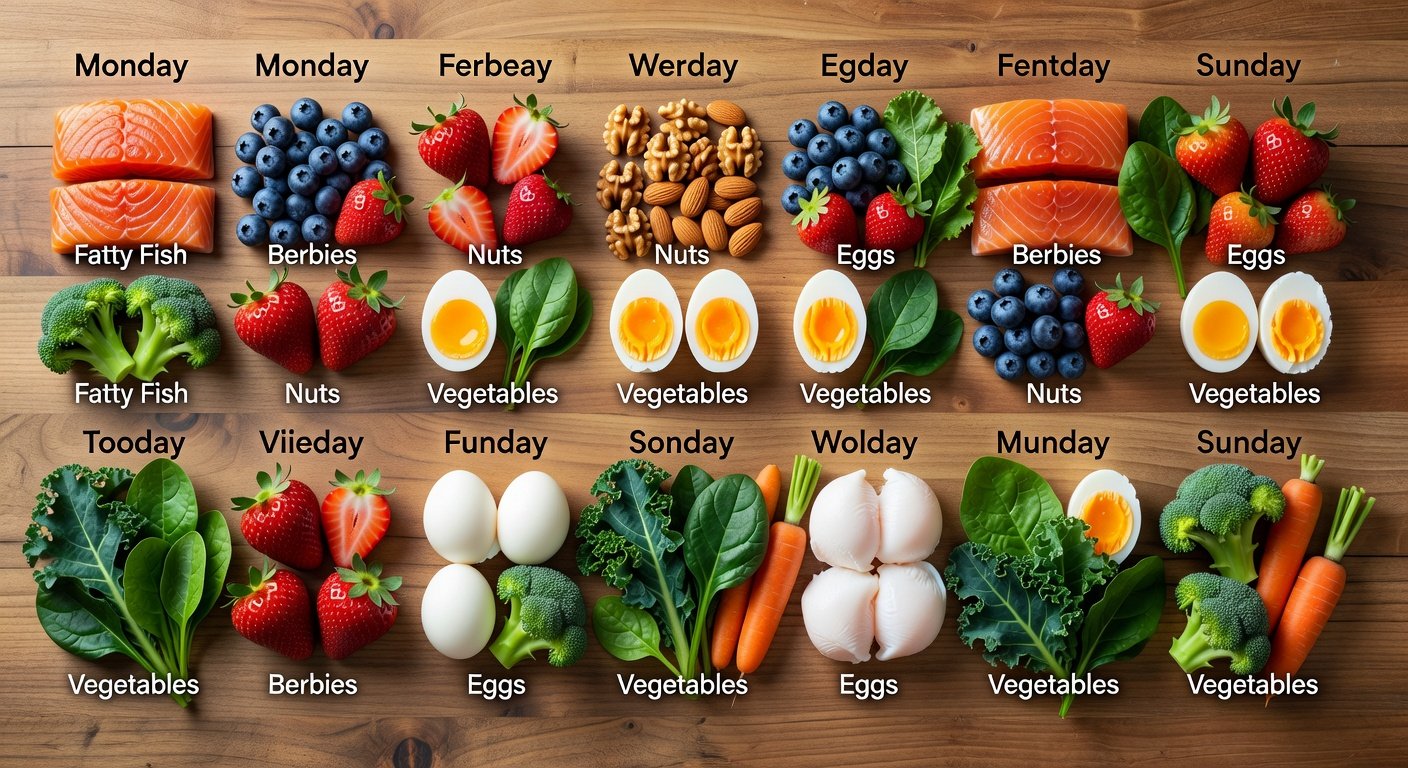
- Design a simple weekly meal framework that includes three servings of fatty fish, daily portions of berries and greens, and healthy fats from nuts or seeds.
- Incorporate changes incrementally over 14 days, starting with breakfast upgrades before expanding to other meals.
- Pair dietary shifts with supportive habits like consistent sleep schedules and 30-minute daily movement to maximize synergy.
- Review metrics monthly and refine based on data, such as adding turmeric for extra anti-inflammatory support if needed.
Meal Integration Examples for Daily Success
Breakfast options include overnight oats prepared with almond milk, topped with blueberries, crushed walnuts, and a tablespoon of ground flaxseed for omega-3 boost. Mid-morning snacks can feature a small square of 70% dark chocolate paired with a handful of mixed nuts. Lunch ideas center on baked salmon fillets with roasted broccoli, quinoa, and a side of mixed greens drizzled in avocado oil. Afternoon energy comes from Greek yogurt parfaits layered with berries and pumpkin seeds. Dinner examples feature stir-fried tofu with eggs, turmeric, kale, and bell peppers served over brown rice. Evening wind-down treats might include herbal tea with a few walnuts. These integrations ensure steady nutrient delivery without requiring elaborate cooking skills.
Mistakes to Avoid When Starting
Common pitfalls include attempting too many changes at once, which leads to burnout, or neglecting hydration, which diminishes nutrient absorption. Another error is overlooking portion balance, such as over-relying on one food group while ignoring variety. Readers should also avoid unverified supplements in place of whole foods, as the synergistic effects of natural combinations prove more effective according to current research.
Conclusion
These expanded case studies illustrate that cognitive nutrition diets deliver tangible, measurable brain health improvements when followed with consistency and personalization. By focusing on evidence-based foods, diligent tracking, and adaptation to individual challenges, readers can achieve comparable cognitive gains. Begin with small, sustainable integrations today to build toward long-term advantages in focus, memory, and overall mental clarity.
FAQ
How long until noticeable results appear?
Most individuals observe subtle focus and energy improvements within four to six weeks, with more pronounced memory and processing gains typically emerging by eight to twelve weeks based on adherence and starting health status.
What methods best measure cognitive changes?
Combine daily self-reported journals with weekly standardized online tests for memory and attention, plus quarterly professional evaluations or bloodwork for inflammation markers to create a complete picture of progress.
How can the diet be sustained long-term?
Focus on recipe variety, efficient meal preparation routines, and building a support network. Rotate ingredients seasonally, consult a registered dietitian periodically, and view the approach as a flexible lifestyle rather than a rigid plan to prevent fatigue.

No comments yet. Be the first!