 Func Eats
Debunking Myths on Brain Boosting Foods in 2026
In 2026, the wellness industry continues to promote foods that supposedly deliver instant cognitive upgrades. Yet scientific consensus shows that brain health relies on consistent dietary patterns rather than isolated superfoods. This article examines prevalent misconceptions, reviews nutrient mechanisms backed by recent studies, and offers actionable steps for evaluating claims. Readers seeking clarity will find detailed explanations of how nutrients interact with the brain, real-world meal examples, and guidance on avoiding hype-driven decisions.
Why Myths Persist Around Cognitive Nutrition
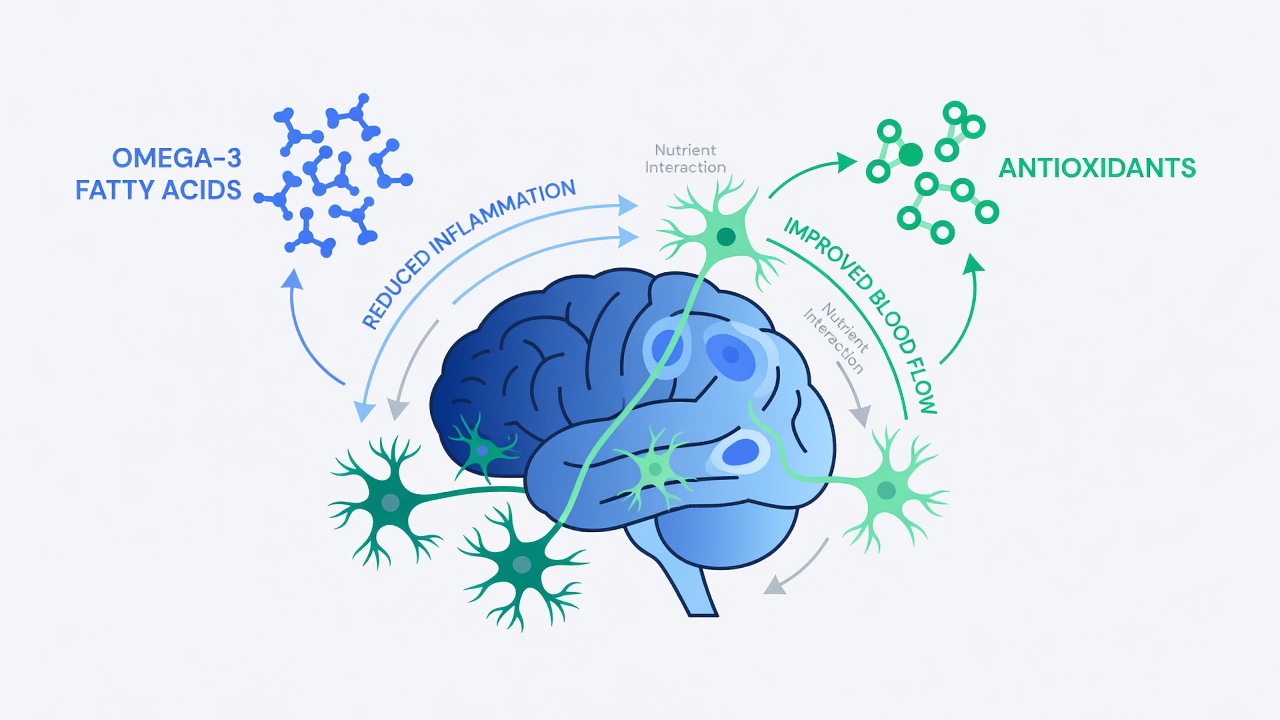
Marketing campaigns often highlight single ingredients like turmeric or blueberries as miracle workers for memory. These claims thrive because consumers seek quick solutions amid busy lifestyles. However, the National Institutes of Health emphasizes that no food produces measurable cognitive improvements overnight. Instead, sustained intake of balanced nutrients supports long-term brain function through reduced inflammation and improved blood flow. Social media algorithms amplify dramatic before-and-after stories, while peer-reviewed research receives less attention. Cultural fascination with "hacks" also plays a role, leading many to overlook the gradual nature of nutritional benefits.
Common Myth: One Ingredient Delivers Instant Memory Boosts
Many social media posts suggest eating a handful of walnuts will sharpen recall within hours. In reality, nutrients such as omega-3 fatty acids require weeks of regular consumption to influence cell membrane fluidity. Studies from major research institutions demonstrate only modest benefits after consistent intake over months, not days. Overstating these effects leads people to neglect overall diet quality. For instance, someone might add chia seeds to every meal expecting rapid focus gains while ignoring sleep or stress management, both critical cofactors for cognition.
Nutrient Mechanisms Supported by Evidence
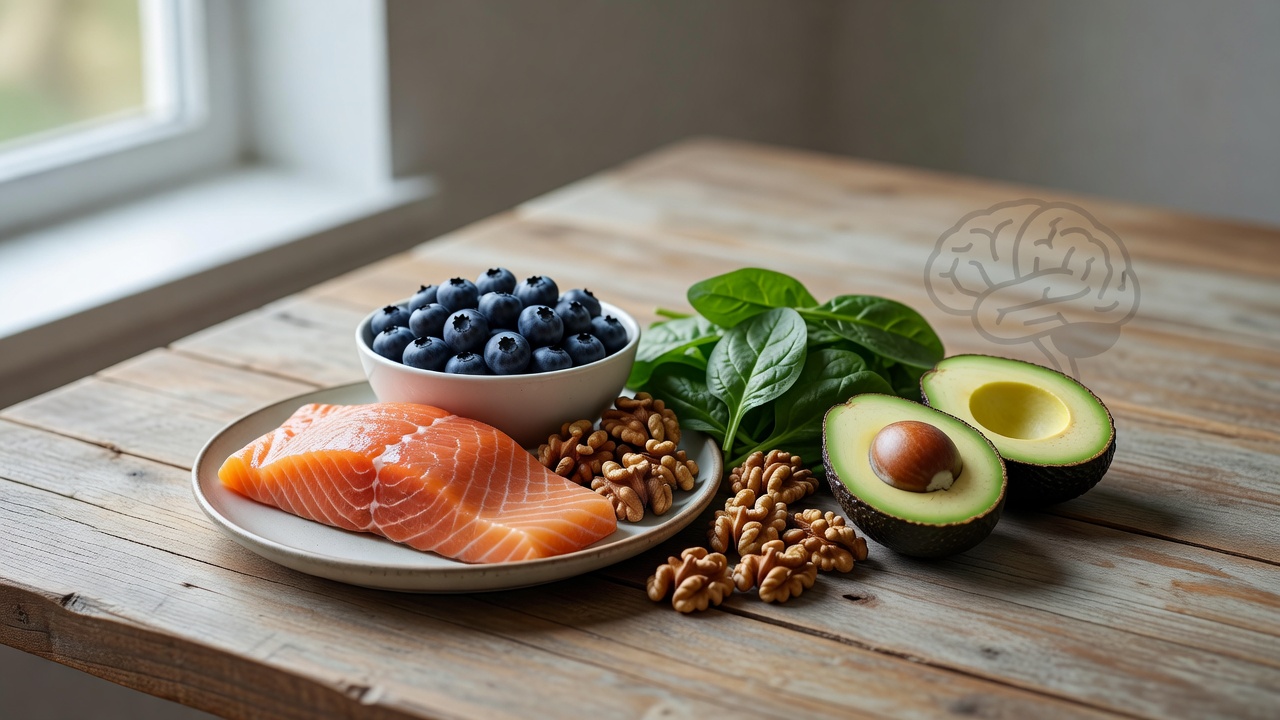
Omega-3s from fatty fish help maintain neuronal membranes, while antioxidants in berries combat oxidative stress. B vitamins found in leafy greens assist neurotransmitter synthesis. These processes unfold gradually and depend on dosage, individual genetics, and lifestyle factors like sleep and exercise. Emerging 2025-2026 research highlights how polyphenols may cross the blood-brain barrier to modulate signaling pathways, but effects remain incremental. Understanding these mechanisms helps set realistic expectations rather than chasing quick fixes.
Another Prevalent Myth: The Mediterranean Diet Is the Only Effective Option
While the Mediterranean diet shows strong associations with cognitive preservation in long-term cohort studies, it is not the sole path. The MIND diet, which combines Mediterranean and DASH elements, also demonstrates protective effects in observational data. Similarly, traditional Asian diets rich in green tea, fermented soy, and fatty fish offer comparable benefits through different nutrient profiles. The key lies in overall pattern quality rather than rigid adherence to one regional style. Comparing these approaches reveals that variety in plant foods and healthy fats consistently outperforms any single labeled diet.
Marketing Influences on Public Perception
Food manufacturers frequently use terms like “neuroprotective” without robust human trial data. Regulatory bodies require stricter evidence for medical claims, yet general wellness messaging remains loosely monitored. Readers should cross-reference product assertions against peer-reviewed sources rather than influencer endorsements. Packaging often features brain imagery or vague percentages of “daily brain support,” creating an impression of proven efficacy that clinical trials have not yet confirmed at scale.
Realistic Limitations of Foods for Brain Health
While diet plays a supportive role, it cannot reverse neurodegenerative conditions or replace medical treatment. Genetic predispositions and environmental exposures also shape cognitive outcomes. Foods complement but do not replace therapies prescribed by healthcare professionals. For example, individuals with diagnosed mild cognitive impairment may benefit from dietary changes as an adjunct, yet they still require monitoring and potential pharmacological intervention. Recognizing these boundaries prevents disappointment and encourages integrated health strategies.
Evidence-Backed Food Options and Practical Examples
- Fatty fish such as salmon or sardines twice weekly for omega-3s: Grill with olive oil and herbs, or add canned sardines to salads for quick lunches.
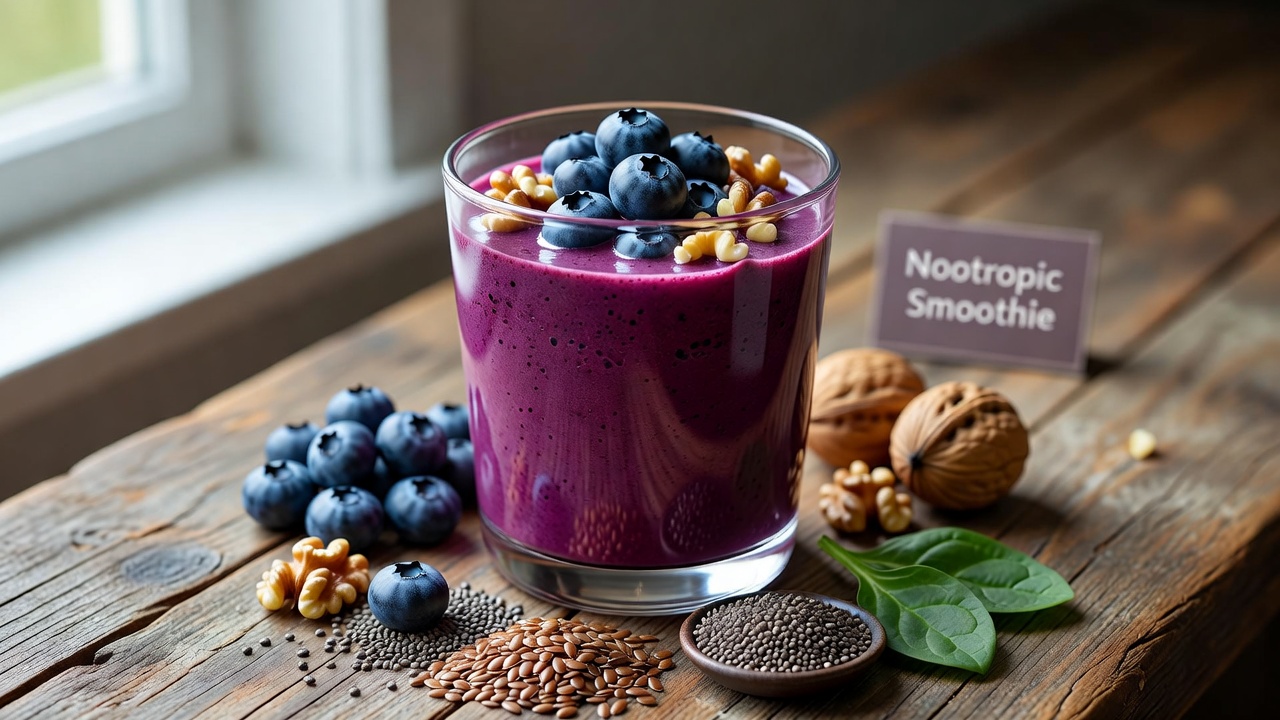
- Dark leafy greens daily to supply folate and vitamin K: Sauté kale with garlic or blend spinach into smoothies with banana and almond milk.
- Berries as snacks for flavonoid intake: Frozen blueberries in yogurt parfaits or fresh strawberries on whole-grain toast provide convenient options.
- Nuts and seeds in moderation for vitamin E and healthy fats: A small handful of mixed almonds and pumpkin seeds mid-afternoon sustains energy without excess calories.
- Whole grains to stabilize blood glucose levels affecting brain energy: Oatmeal topped with walnuts and berries makes an ideal breakfast that supports steady mental performance.
Additional practical ideas include preparing batch-cooked quinoa bowls with roasted vegetables and chickpeas for weekday lunches or incorporating green tea into afternoon routines instead of sugary drinks. These small, repeatable choices accumulate benefits over time and fit varied budgets and schedules.
Steps for Verifying Claims Independently
- Check the original study: Look for randomized controlled trials published in journals indexed by PubMed.
- Assess sample size and duration: Small or short studies often fail to replicate in larger populations; prioritize research spanning at least six months with hundreds of participants.
- Consult authoritative summaries: Sites like Mayo Clinic provide plain-language reviews of current evidence and highlight study limitations.
- Consider confounding factors: Many trials do not control for exercise, sleep, or socioeconomic status, which can skew results significantly.
- Seek meta-analyses when available: These combine multiple studies and offer stronger statistical power than single trials.
Practical Daily Integration and Mistakes to Avoid
Start by auditing your current plate: ensure half contains colorful vegetables and fruits at each meal. Rotate protein sources to include fish, legumes, and nuts. Track changes in a simple journal noting energy and focus levels after two weeks. Common mistakes include over-relying on supplements instead of food, eliminating entire food groups unnecessarily, or expecting visible results within days. Another pitfall is falling for expensive “brain blends” that contain minuscule amounts of active ingredients.
FAQ: Separating Facts from Fiction in Daily Meal Planning
Does coffee count as a brain-boosting food?
Moderate caffeine intake can enhance alertness temporarily, yet tolerance develops quickly. Long-term benefits depend on overall sleep hygiene rather than coffee alone. Pairing coffee with a balanced breakfast amplifies any short-term focus advantage.
Are supplements necessary if I eat well?
Whole foods generally provide synergistic nutrients that isolated pills lack. The Centers for Disease Control and Prevention recommends focusing on dietary patterns first and using supplements only when bloodwork indicates specific deficiencies.
How long until I notice changes?
Most people observe subtle improvements in focus or mood after 8–12 weeks of consistent nutrient-rich eating, according to observational data. Individual responses vary based on baseline diet and health status.
Can children or older adults follow the same advice?
Core principles remain similar, but portion sizes and specific needs differ. Older adults may require extra attention to vitamin B12 absorption, while children benefit from age-appropriate omega-3 sources like fortified eggs.
Conclusion
Evidence-based eating supports brain health through steady, cumulative effects rather than dramatic overnight transformations. By understanding mechanisms, questioning marketing hype, and verifying claims, readers can make informed choices that genuinely benefit cognitive function in 2026 and beyond. Implementing these evidence-backed strategies leads to sustainable improvements without falling prey to fleeting trends.

No comments yet. Be the first!