 Func Eats
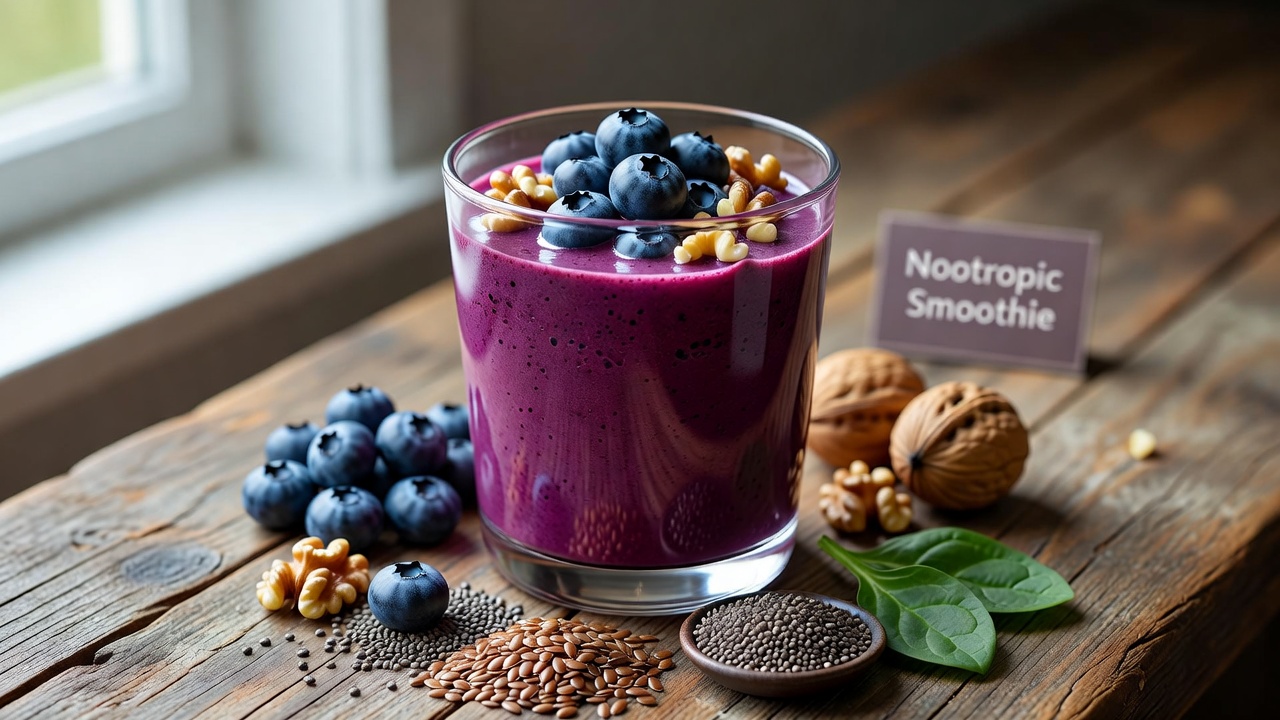
Nootropic Smoothie Recipes with Brain Boosting Foods 2026
Blending smoothies with nootropic ingredients offers a simple yet powerful way to support focus, memory and overall cognitive function without complicated meal prep or expensive supplements. In 2026, more people are turning to whole-food approaches for brain health, and smoothies make it easy to pack multiple beneficial ingredients into one delicious drink. This comprehensive guide covers everything from selecting the right ingredients like walnuts and blueberries to detailed preparation methods, science-backed benefits, customizable recipe variations, serving adjustments, and practical tips for long-term success.
Understanding Nootropics in Everyday Smoothies
Nootropics are natural compounds found in certain foods that may enhance brain performance, including memory, concentration and mental clarity. Unlike synthetic options, food-based nootropics come with additional nutrients such as fiber, vitamins and antioxidants that support overall wellness. Foods like walnuts and blueberries stand out because they deliver omega-3 fatty acids, flavonoids and polyphenols that studies link to better neural communication and reduced inflammation. The National Institutes of Health continues to explore how consistent dietary intake of these compounds contributes to cognitive resilience over time. Incorporating them into smoothies removes barriers like lengthy cooking, making daily brain nutrition accessible for busy individuals.
Top Brain-Boosting Ingredients to Include
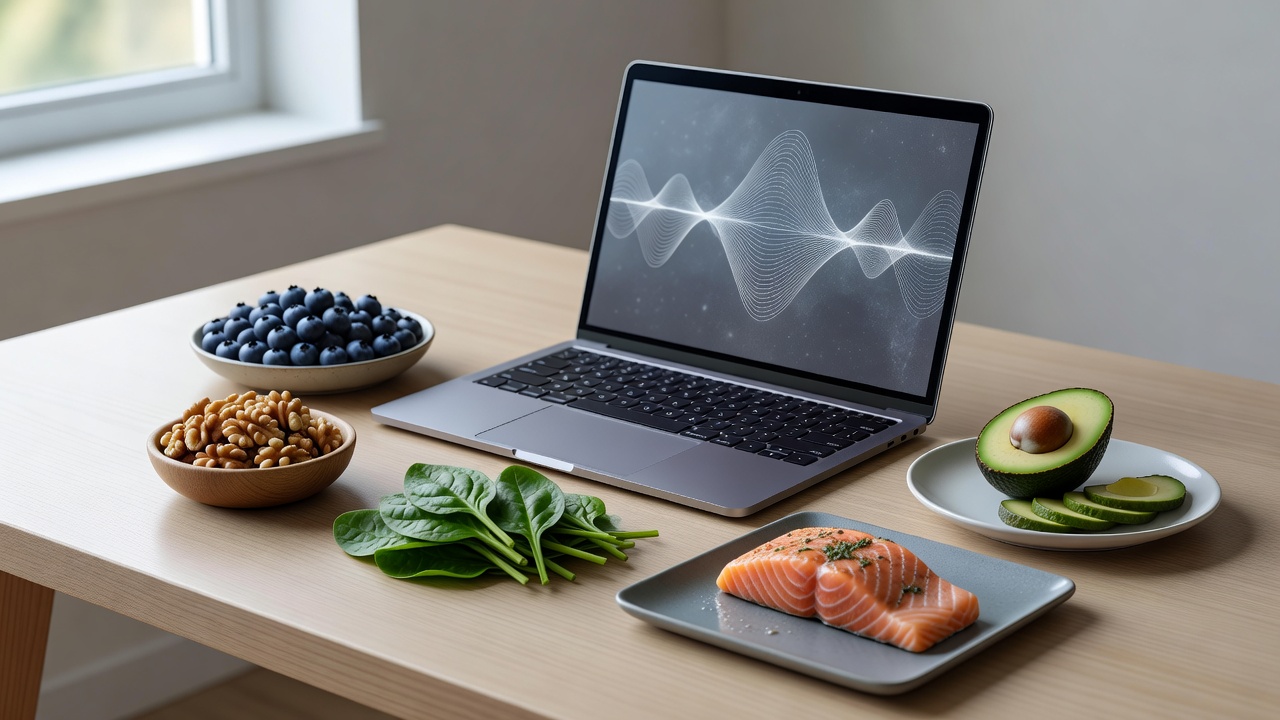
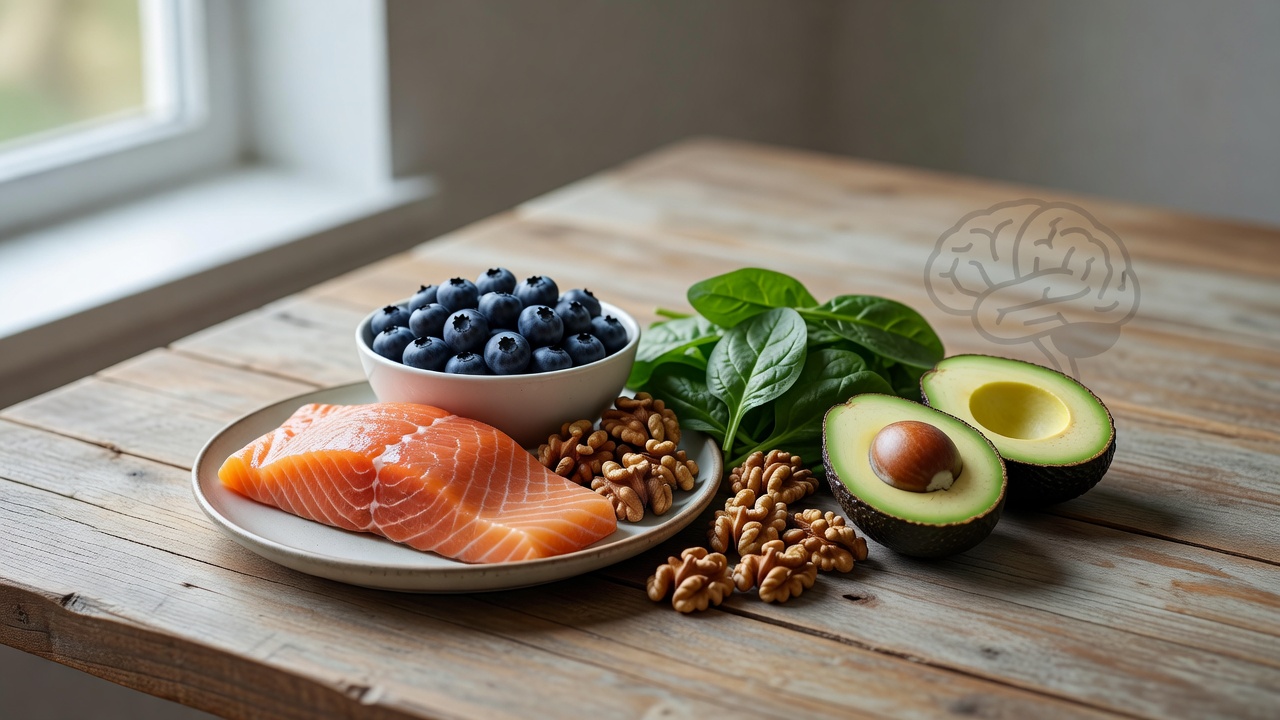
Selecting high-quality ingredients forms the foundation of effective nootropic smoothies. Start with walnuts, which provide alpha-linolenic acid, a plant-based omega-3 that helps maintain brain cell membrane fluidity. Blueberries deliver anthocyanins that cross the blood-brain barrier and may protect against oxidative stress. Leafy greens such as spinach supply folate and vitamin K, both associated with slower cognitive decline. Avocado adds monounsaturated fats for steady energy delivery to the brain, while chia seeds contribute additional omega-3s and soluble fiber that promote gut-brain axis health. For extra variety, consider adding a small amount of cacao nibs for flavanols or a teaspoon of turmeric for curcumin’s anti-inflammatory properties. Always choose fresh or frozen organic produce when possible to maximize nutrient density and minimize pesticide exposure.
Science-Backed Benefits for Focus and Memory
Regular consumption of these brain-boosting foods shows measurable advantages in multiple areas of cognition. Blueberries have been extensively researched for their ability to improve short-term memory and executive function, with effects noticeable within weeks of daily intake. Walnuts support faster information processing and may help maintain mood stability through their healthy fat profile. The Mayo Clinic notes that antioxidant-rich diets correlate with lower risk of age-related memory issues. When combined in smoothies, these ingredients create synergistic effects that amplify individual benefits, offering a practical strategy for sustained mental performance throughout demanding days.
Step-by-Step Smoothie Preparation Methods
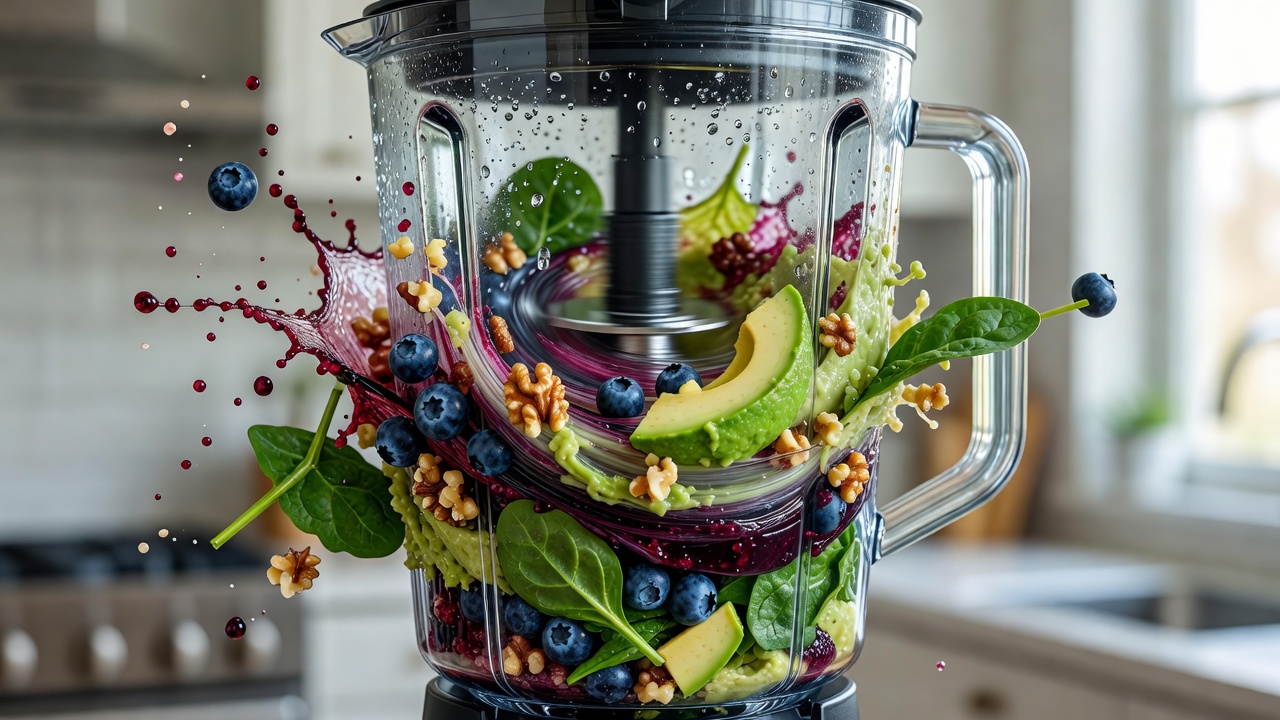
Mastering basic preparation ensures consistent texture and nutrient retention. Begin by gathering ingredients: one cup frozen blueberries, one-quarter cup walnuts, one large handful spinach, half an avocado and one cup unsweetened almond milk. Add liquids to the blender first, followed by soft items like avocado and greens, then finish with frozen components. Blend on high speed for 45 to 60 seconds, stopping once to scrape down sides if needed. For creamier results, soak walnuts overnight beforehand. If the mixture becomes too thick, add a splash more liquid gradually. Always blend immediately before drinking to preserve delicate antioxidants that degrade with prolonged exposure to air.
Recipe Variations for Different Cognitive Goals
Adapting recipes allows targeting specific mental needs. The Focus & Alertness variation adds a half-teaspoon of matcha powder alongside extra walnuts for a gentle caffeine boost paired with L-theanine. The Memory Support version increases blueberries to one-and-a-half cups and includes one tablespoon chia seeds for sustained release of nutrients. The Overall Brain Health recipe uses a spinach-avocado base with a pinch of cinnamon for blood-sugar stability. Each version maintains core nootropic foods while shifting emphasis. Comparing them side-by-side reveals trade-offs: morning focus blends tend to be lighter and more energizing, while afternoon memory blends feel more grounding and satisfying. Experiment over several days to discover personal preferences and optimal timing.
Adjusting Serving Sizes for Daily Use
Single servings work well for one person, but families or meal-prep enthusiasts can easily scale recipes. Double quantities for two servings or prepare a larger batch and divide into individual jars. Refrigerated smoothies remain fresh for up to 24 hours; shake vigorously before consuming as separation occurs naturally. For longer storage, freeze portions in silicone ice cube trays and blend frozen cubes with a splash of liquid when ready. This method preserves flavor and nutrients effectively. Track personal response over a week to fine-tune portion sizes based on activity level and hunger patterns.
Common Mistakes to Avoid
Many beginners overlook simple details that reduce effectiveness. Overloading the blender with too many frozen items creates a thick, unpalatable texture. Skipping the greens reduces overall nutrient variety. Using sweetened plant milks adds unnecessary sugar that can counteract cognitive benefits. Another frequent error involves storing prepared smoothies too long, leading to nutrient loss. Always prioritize whole, minimally processed ingredients and rotate recipes to prevent boredom and ensure a broad spectrum of nutrients.
Integrating Smoothies into Your Daily Routine
Consistency matters more than perfection. Prepare ingredients the night before by portioning nuts and seeds into small containers. Keep frozen fruit stocked in the freezer for quick assembly. Pair smoothies with a short walk or five minutes of stretching to enhance blood flow and absorption. Many users report improved afternoon focus when replacing a sugary snack with a nootropic blend. Over time, these small habits compound into noticeable improvements in mental clarity and energy stability.
Frequently Asked Questions
How long do these smoothies stay fresh?
Consume within 24 hours when refrigerated. Freezing portions in ice cube trays extends usability for up to one month while retaining most nutrients.
Can I prepare ingredients in advance?
Yes. Portion dry ingredients like walnuts and chia seeds into jars ahead of time for quicker morning blending. Pre-washed greens stored in airtight containers also save time.
Are there substitutions for common allergens?
Replace almond milk with oat milk and walnuts with pumpkin seeds if needed. The core cognitive benefits remain similar with these swaps.
Should I drink smoothies on an empty stomach?
Many find better absorption when consumed with or after a light meal, though individual tolerance varies. Start with half a serving to assess personal response.
What blender works best?
High-speed models with at least 1000 watts handle frozen ingredients smoothly. Lower-powered blenders may require smaller batches or additional liquid.
Conclusion
Incorporating nootropic smoothies into your routine provides an accessible, evidence-informed path to better cognitive nutrition. Start with the base recipes, adjust according to your goals, and maintain consistency for the best results. With thoughtful ingredient choices and simple preparation techniques, these blends become a sustainable habit supporting long-term brain health in 2026 and beyond.
No comments yet. Be the first!