 Func Eats

Introduction: Combating Shift Work Fatigue Through Cognitive Nutrition
Shift workers face unique challenges in maintaining steady energy and mental clarity due to irregular schedules that clash with natural body clocks. In 2026, many professionals in healthcare, logistics, manufacturing, emergency services, and transportation rely on nootropic foods to stabilize focus without depending solely on caffeine or stimulants. These nutrient-dense options provide targeted support for brain function by influencing neurotransmitters like dopamine and serotonin, which regulate mood, alertness, and sleep-wake cycles. Real-world scenarios highlight the pressing need: a night nurse managing rotating 12-hour shifts in a busy hospital, a factory operator working 11 PM to 7 AM on an assembly line, or a long-haul truck driver navigating overnight routes often experiences midday slumps, post-shift insomnia, or impaired decision-making that affects safety and productivity. Incorporating specific foods can help bridge the gap between disrupted circadian rhythms and sustained performance, offering a sustainable dietary approach rather than quick fixes.
Research into cognitive nutrition shows that consistent intake of certain whole foods can enhance mental resilience for those whose work defies traditional daytime patterns. This article explores the science behind these foods, practical implementation strategies, and real-life examples tailored to shift work demands.
Understanding Circadian Rhythms and Their Impact on Shift Workers
Circadian rhythms govern hormone release, digestion, cognitive performance, and energy levels over a roughly 24-hour cycle. Night shifts suppress melatonin production during daylight hours while elevating cortisol at inappropriate times, leading to chronic fatigue, mood instability, and reduced cognitive function. CDC resources on occupational health note that prolonged misalignment raises risks for metabolic disorders, cardiovascular concerns, and diminished workplace safety. Nootropic foods offer a dietary strategy to support neurotransmitter balance and ease this transition by providing building blocks for dopamine (which drives motivation and focus) and serotonin (which aids mood stability and eventual sleep onset). For instance, a rotating-shift paramedic might notice sharper reactions after adding targeted foods, while a permanent night security guard could experience steadier alertness across multiple consecutive nights.
Top Nootropic Foods and Their Mechanisms of Action
Several evidence-backed foods stand out for shift workers seeking stable energy. Each delivers compounds that enhance dopamine pathways for sustained motivation and serotonin for mood regulation during odd hours.
Walnuts
Rich in omega-3 fatty acids, polyphenols, and vitamin E, walnuts support dopamine synthesis by supplying alpha-linolenic acid precursors that cross the blood-brain barrier efficiently. Regular consumption of a small handful daily improves sustained attention and reduces oxidative stress during long night hours. In practice, a logistics coordinator might keep a container of walnuts at the workstation for quick access between tasks.
Fatty Fish
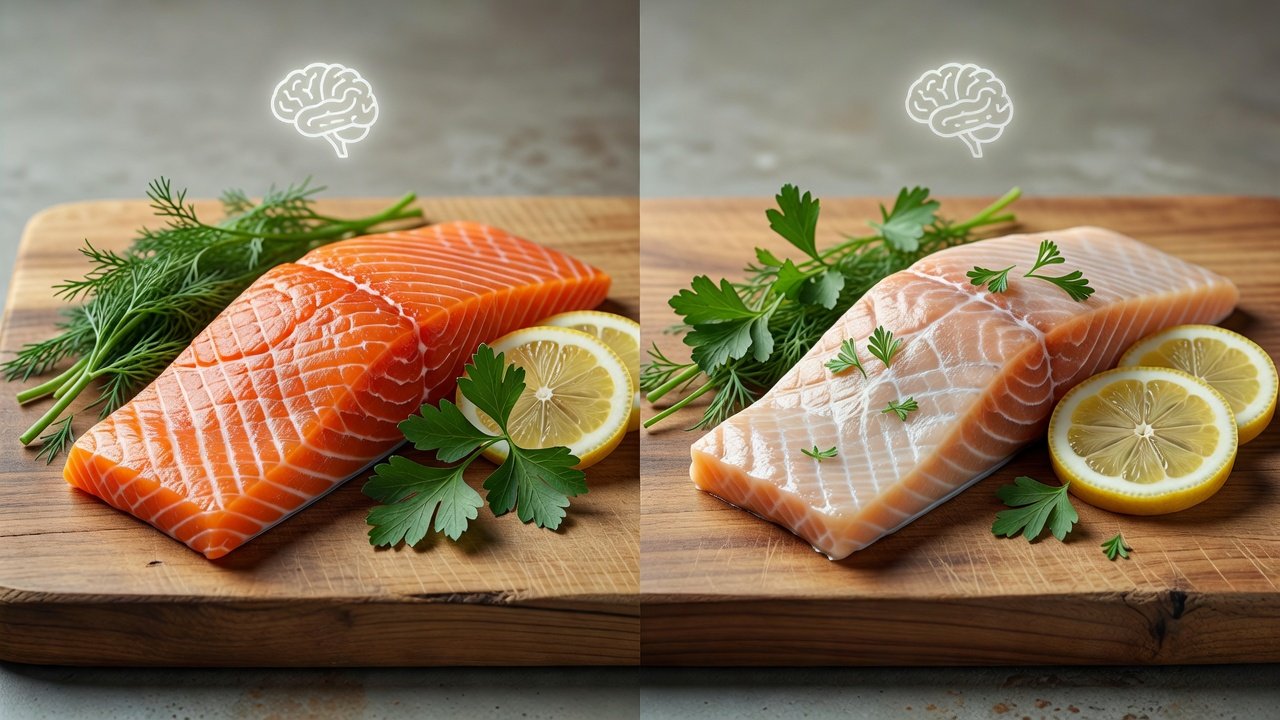
Salmon, mackerel, and sardines supply DHA and EPA omega-3s, which bolster serotonin receptor sensitivity and lower inflammation triggered by irregular sleep. These fats help maintain clearer thinking on demanding shifts where concentration is critical, such as monitoring equipment or handling patient care.
Leafy Greens
Spinach, kale, and Swiss chard deliver folate, magnesium, and antioxidants essential for serotonin production. Magnesium also promotes muscle relaxation, making these greens ideal for post-shift recovery meals that prepare the body for daytime rest.
Additional Supporting Foods
- Blueberries and other berries: Packed with antioxidants that protect dopamine neurons from oxidative stress common in sleep-deprived states.
- Eggs: Provide choline, a precursor for acetylcholine that enhances memory and focus during high-stakes decision moments.
- Avocados: Supply monounsaturated fats that facilitate absorption of fat-soluble nutrients vital for overall brain health.
- Dark chocolate (70%+ cocoa): Offers flavanols that may mildly boost cerebral blood flow when consumed in moderation during shifts.
These foods work synergistically; combining them in meals amplifies benefits beyond single-item intake.
Practical Meal Timing Strategies Around Night Shifts
Strategic eating aligns food intake with the body’s adjusted needs rather than fighting against the schedule. Consume a balanced meal containing protein and healthy fats 1–2 hours before a shift begins to prevent energy crashes. During breaks, choose light snacks such as walnuts paired with berries to maintain blood sugar stability. Post-shift, prioritize tryptophan-rich foods 30–60 minutes before attempting sleep to encourage serotonin conversion and smoother transition to rest. Avoid heavy carbohydrate loads close to bedtime to prevent disruptive blood sugar fluctuations. For rotating shifts, adjust timing gradually over two to three days when the schedule changes. Permanent night workers benefit from consistent windows, such as a main meal at 8 PM before the shift and a lighter recovery meal at 8 AM after clocking out. NIH guidance on sleep and nutrition underscores the importance of meal timing for circadian adaptation.

Sample Recipes Tailored for Shift Workers
Pre-shift option: Spinach and egg omelet with sliced avocado and a side of blueberries provides sustained protein and fats for focus through the first half of the night. Mid-shift snack: Overnight oats prepared with walnuts, a sprinkle of chia seeds, and fresh berries offers quick energy without heaviness. Post-shift recovery: Grilled salmon salad with mixed leafy greens, olive oil dressing, and a small portion of quinoa supports overnight repair processes. Variations include swapping salmon for mackerel or adding hard-boiled eggs for extra choline on particularly demanding weeks.
Comparing Food-Based Approaches Versus Supplements
Whole foods deliver synergistic nutrients, fiber, and additional vitamins that isolated supplements often lack, lowering the risk of over-supplementation or nutrient imbalances. While supplements can provide concentrated doses for convenience, foods such as walnuts and fatty fish offer broader benefits including digestive support and sustained release of active compounds. Many shift workers find better long-term adherence and fewer side effects when prioritizing dietary patterns over daily pills. A hybrid approach works for some, but starting with food-first strategies builds foundational habits that prove more reliable across months and years of irregular schedules.
Common Mistakes to Avoid
One frequent error is eating large, carb-heavy meals right before sleep, which can spike energy and delay rest. Another is skipping meals entirely during shifts, leading to sharper energy crashes later. Over-relying on sugary snacks for quick boosts undermines dopamine stability. Finally, inconsistent application across multiple shift changes reduces cumulative benefits; gradual integration yields better results.
FAQ on Common Challenges
How do these foods affect sleep quality after night shifts?
By supporting serotonin pathways, they promote natural melatonin production when consumed at appropriate times, improving sleep onset and depth for daytime rest.
Can I combine nootropic foods with my current eating habits?
Yes, integrate one or two items gradually per shift to monitor tolerance and observe personal energy patterns without overwhelming dietary changes.
What if I follow a vegetarian or vegan diet?
Plant-based swaps such as flaxseeds or walnuts for omega-3s, fortified plant milks, and extra leafy greens maintain comparable neurotransmitter support.
Are there any foods that might counteract benefits?
Excessive processed sugars and refined carbs can disrupt blood sugar and blunt the positive effects of nootropic choices; limit these during shifts.
How long until I notice improvements?
Many individuals report subtle shifts in focus within one to two weeks of consistent intake, with more pronounced stabilization after four to six weeks alongside good sleep hygiene.
Conclusion
Adopting nootropic foods empowers shift workers to reclaim energy stability and mental sharpness despite unconventional hours. Consistent inclusion alongside mindful timing and awareness of common pitfalls yields noticeable improvements in focus, mood, and recovery. Mayo Clinic nutrition guidance reinforces the value of whole-food strategies for sustained wellness in demanding lifestyles. Start small, track personal responses, and build routines that fit your specific shift pattern for lasting results.

No comments yet. Be the first!