 Func Eats
Introduction: Choosing the Best Nootropic Fish for Brain Health
In 2026, fatty fish continue to rank among the most effective brain-boosting foods thanks to their high levels of omega-3 fatty acids. These nutrients play a critical role in supporting cognitive function, reducing inflammation, and promoting long-term brain health. Wild-caught and farmed varieties both deliver benefits for memory and focus, but differences in omega-3 density, contaminant profiles, nutrient absorption, and sustainability require careful consideration. This comprehensive comparison explores the latest 2026 research on bioavailability while providing actionable advice for incorporating these nootropic foods into daily routines.
Omega-3 Density: Wild vs Farmed Fatty Fish
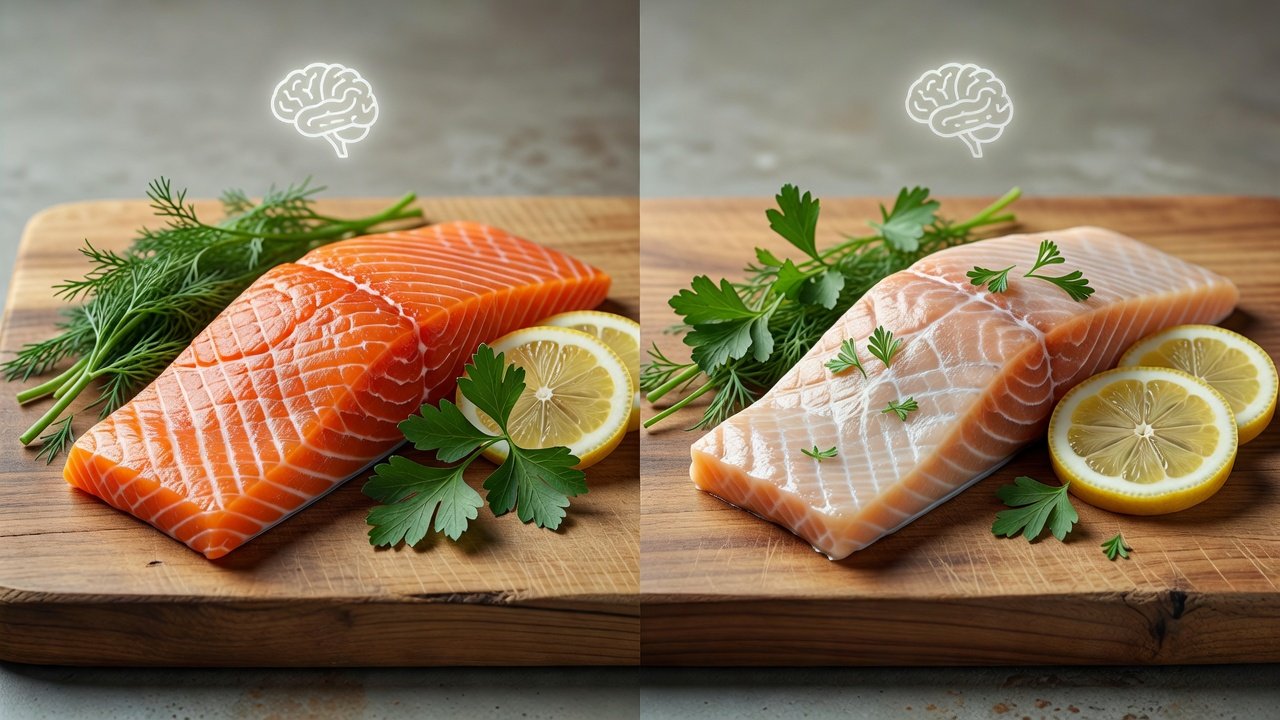
Wild-caught fish such as Alaskan salmon, Atlantic mackerel, sardines, and anchovies generally provide higher concentrations of EPA and DHA per serving. These essential fatty acids form the building blocks of brain cell membranes and help regulate neurotransmitter activity. Farmed fish, often raised on formulated feeds, deliver consistent but sometimes lower omega-3 levels depending on the species and feed quality. For example, wild sockeye salmon frequently shows superior omega-3 profiles compared to many farmed Atlantic salmon varieties. The natural foraging diet of wild fish contributes to denser nutrient packing, making them particularly valuable for individuals seeking maximum cognitive nutrition benefits.
Contaminant Levels and Safety Considerations
Understanding contaminant risks is essential when selecting nootropic fish. Wild fish may contain trace amounts of mercury, PCBs, and other environmental pollutants absorbed from ocean waters, while farmed fish can encounter issues related to water quality and feed sources in aquaculture settings. Smaller wild species like sardines and anchovies tend to have lower contaminant loads due to their position in the food chain. Regulatory bodies such as the FDA offer ongoing guidance on safe consumption patterns. Rotating between wild and farmed options helps minimize cumulative exposure while maintaining steady intake of brain-supportive nutrients.
Nutrient Absorption and Bioavailability in 2026 Research
Recent 2026 studies on bioavailability indicate that the natural nutrient matrix in wild fish, including co-factors like astaxanthin and vitamin D, can enhance overall absorption of omega-3s. Farmed fish benefit from controlled diets that sometimes include added nutrients for improved consistency. Both forms support cognitive performance effectively when consumed regularly. The WHO emphasizes balanced dietary patterns that combine fatty fish with other nutrient-dense foods to optimize brain health outcomes across populations.
Impact on Memory and Focus
Omega-3s from fatty fish directly influence memory formation and sustained focus by supporting synaptic plasticity and reducing oxidative stress in the brain. Regular consumption has been linked to better performance in cognitive tasks and slower age-related decline. Wild varieties may offer a slight edge due to higher EPA/DHA ratios, while farmed fish provide reliable support through consistent availability. Pairing either type with antioxidant-rich vegetables amplifies these effects for enhanced daily cognitive nutrition.
Practical Buying Tips for Cognitive Nutrition
- Prioritize wild-caught labels from certified sustainable fisheries to ensure high omega-3 content and ethical sourcing.
- Select farmed fish from regions with rigorous environmental and feed standards for better nutrient profiles.
- Choose smaller species such as sardines or mackerel when opting for wild to reduce potential contaminant intake.
- Inspect for freshness indicators including bright eyes, firm flesh, and mild ocean scent rather than strong fishy odors.
- Consider frozen options that are flash-frozen at peak freshness to preserve omega-3 integrity during storage and transport.
- Buy from reputable suppliers who provide traceability information about harvest location and date.
Preparation Methods That Preserve Brain-Boosting Benefits
Proper preparation maximizes nutrient retention. Poaching in low-sodium broth or baking at temperatures below 350 degrees Fahrenheit prevents omega-3 oxidation. Grilling works effectively for wild salmon when using a marinade with lemon and herbs to add protective antioxidants. Steaming preserves delicate fats while keeping texture appealing. Avoid high-heat frying or prolonged boiling, which can degrade bioavailability. For farmed varieties, gentle pan-searing with olive oil maintains moisture and enhances absorption of fat-soluble vitamins.
Sample Meal Ideas for Daily Focus
- Wild mackerel salad bowl with mixed greens, cherry tomatoes, avocado, and a light olive oil dressing for a nutrient-packed lunch supporting afternoon focus.
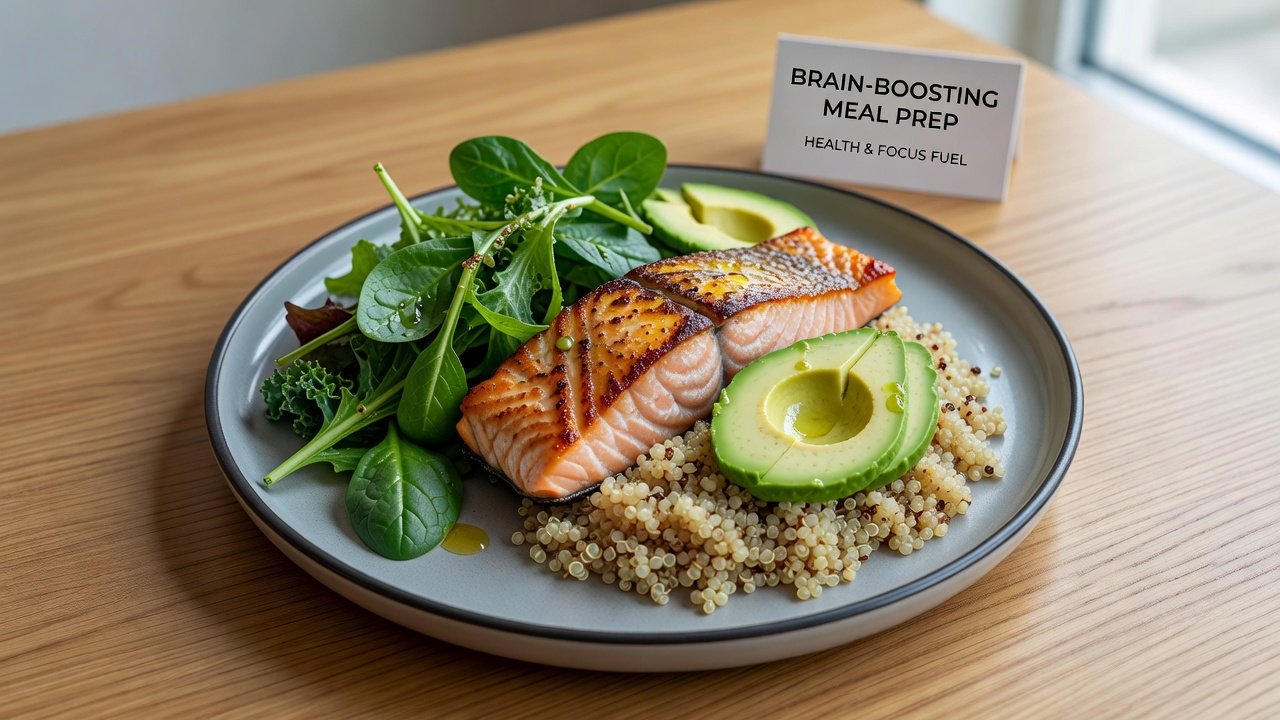
- Baked farmed salmon fillet served over quinoa with steamed broccoli and a sprinkle of flaxseeds for balanced evening cognitive nutrition.
- Sardine and whole-grain toast topped with sliced cucumber, red onion, and fresh dill as a quick breakfast option rich in omega-3s.
- Smoked wild trout omelet incorporating spinach and cherry tomatoes for a protein-forward start to the day that aids memory retention.
- Grilled wild sardines with a side of roasted sweet potatoes and kale salad for a dinner that combines anti-inflammatory benefits.
- Anchovy and white bean stew with garlic and herbs as a comforting meal option delivering sustained brain health support.
Sustainability and Environmental Impact in 2026
2026 research underscores the importance of sustainable sourcing for long-term availability of these nootropic foods. Wild fisheries face challenges from climate change and overfishing pressures, while well-managed aquaculture operations can alleviate ocean strain. Choosing certified products supports both environmental goals and continued access to high-quality fatty fish. The NIH and EPA provide resources on eco-conscious seafood selection that aligns with cognitive nutrition needs.
Mistakes to Avoid When Selecting Nootropic Fish
Common errors include over-relying on a single type without rotation, ignoring portion size recommendations, and neglecting storage best practices. Always verify sourcing details and avoid fish stored improperly, which can lead to nutrient loss. Combining fatty fish with excessive processed foods may counteract anti-inflammatory benefits.
Storage and Handling for Maximum Nutrient Retention
Store fresh fish in the coldest part of the refrigerator and consume within one to two days. Freeze portions in airtight containers for up to three months to maintain omega-3 quality. Thaw slowly in the refrigerator rather than at room temperature to prevent texture degradation and nutrient leakage.
Conclusion: Optimizing Your Brain Health Choices
Both wild-caught and farmed fatty fish serve as powerful allies for cognitive nutrition when chosen with attention to quality, variety, and preparation. Incorporating them strategically supports memory, focus, and overall brain function throughout 2026 and beyond.
FAQ: Choosing the Best Options for Daily Cognitive Nutrition
Q: Is wild fish always superior for brain health?
A: Wild fish often provide higher omega-3 density, but responsibly farmed options deliver consistent benefits with potentially lower contaminant variability depending on production standards.
Q: How often should I eat fatty fish for focus?
A: Two to three servings per week offer an effective balance, allowing rotation between wild and farmed sources to optimize both safety and nutrient intake.
Q: Do preparation methods affect nootropic effects?
A: Yes, low-temperature cooking preserves omega-3 bioavailability far better than high-heat methods, directly impacting cognitive support potential.
Q: Can I combine wild and farmed fish in the same week?
A: Absolutely, alternating varieties helps diversify nutrient sources while managing contaminant exposure for comprehensive brain health.
Q: Are there specific fish best suited for memory support?
A: Mackerel, sardines, and salmon stand out due to their high EPA and DHA content, making them excellent choices regardless of wild or farmed origin.
No comments yet. Be the first!