 Func Eats
Introduction: Addressing Digital Brain Drain Through Nutrition
Excessive screen time and constant digital notifications have become defining features of modern life in 2026. This overstimulation often leads to what experts call digital brain drain: reduced attention span, mental fatigue, and disrupted dopamine regulation. Nootropic foods offer a natural way to support cognitive resilience without relying on supplements or rigid meal plans. By focusing on nutrient-dense options, busy individuals can integrate brain-supportive eating habits into daily routines. The modern professional spends an average of seven to nine hours daily on screens, creating a pressing need for dietary strategies that directly address the resulting cognitive strain.
Understanding Digital Brain Drain and Its Cognitive Impact
Digital brain drain arises from prolonged exposure to blue light, multitasking across devices, and information overload. These factors elevate stress hormones while depleting neurotransmitters essential for focus and motivation. Research highlights how chronic overstimulation impairs the prefrontal cortex, leading to shorter attention spans and emotional dysregulation. Nutrition plays a targeted role here by supplying compounds that support neural repair and neurotransmitter production. Over time, this can manifest as difficulty concentrating during meetings, slower problem-solving abilities, and a general sense of mental fog that persists even after logging off for the day.
Key Nutrients That Counter Cognitive Fatigue
Specific nutrients stand out for their ability to mitigate digital brain drain. Omega-3 fatty acids, particularly DHA and EPA, help maintain cell membrane fluidity in the brain, supporting signal transmission. Antioxidants such as flavonoids and polyphenols combat oxidative stress caused by screen exposure. Additional players include B vitamins for energy metabolism and magnesium for nervous system calm. Together, these compounds promote dopamine balance and sustained mental clarity. For example, inadequate omega-3 intake can exacerbate inflammation in neural pathways, while consistent antioxidant consumption helps neutralize free radicals generated by prolonged device use.
Top Nootropic Foods for Focus and Dopamine Support
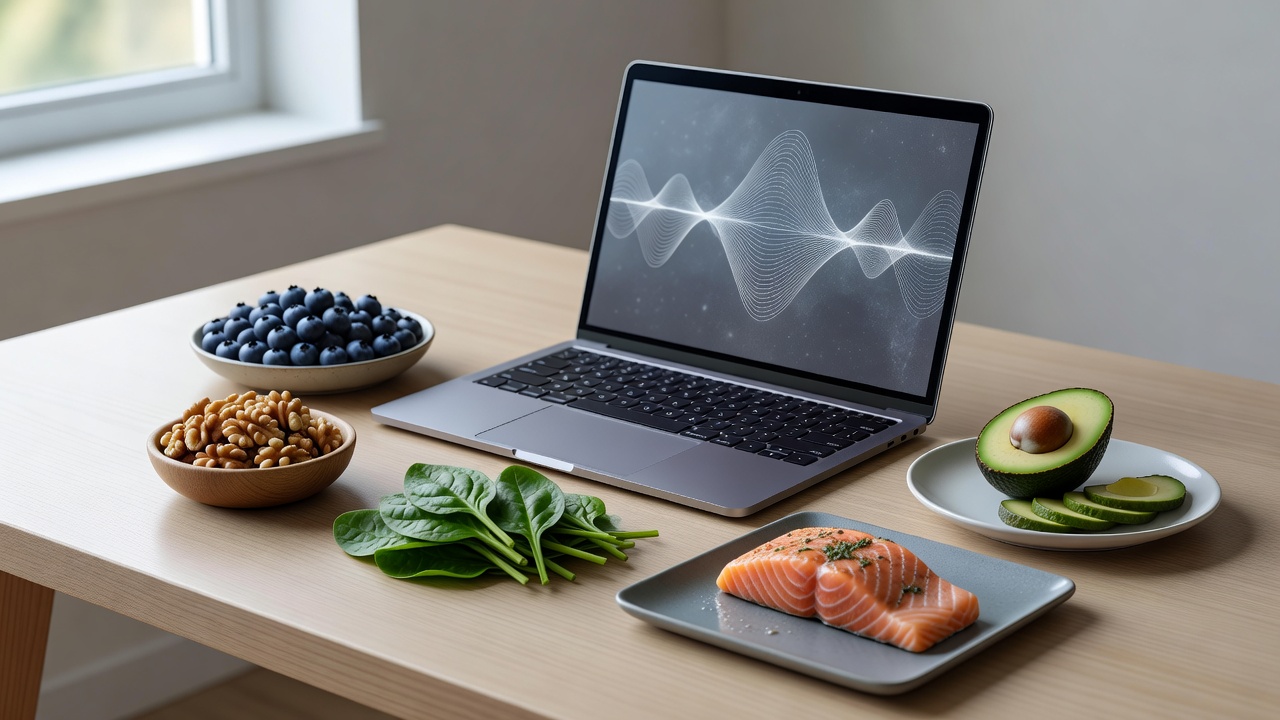
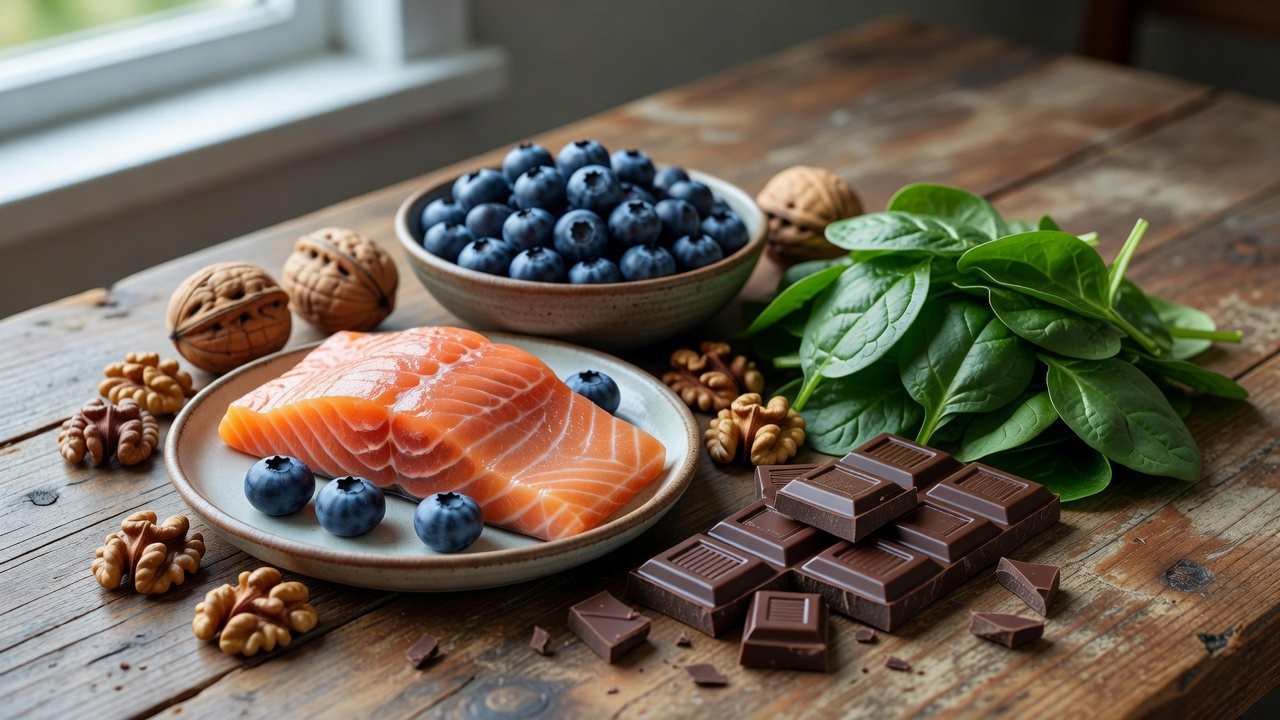
Leafy greens like spinach deliver folate and magnesium to aid neurotransmitter synthesis. Fatty fish such as salmon provide omega-3s that enhance brain plasticity. Berries, especially blueberries, pack anthocyanins that improve cerebral blood flow. Walnuts offer alpha-linolenic acid alongside vitamin E for antioxidant protection. Avocados supply monounsaturated fats and potassium to stabilize energy levels. Dark chocolate with high cocoa content contributes flavanols that boost mood-regulating pathways. Additional options include eggs for choline content that supports memory formation and pumpkin seeds for zinc, which aids dopamine production. Incorporating these foods regularly creates a foundation for improved cognitive performance amid digital demands.
- Spinach: One cup provides significant magnesium to reduce mental tension.
- Salmon: Two servings weekly deliver essential DHA for long-term brain health.
- Blueberries: A daily half-cup boosts short-term focus through flavonoid action.
- Walnuts: A small handful offers plant-based omega-3s and sustained energy.
Quick Daily Food Swaps for Busy Schedules
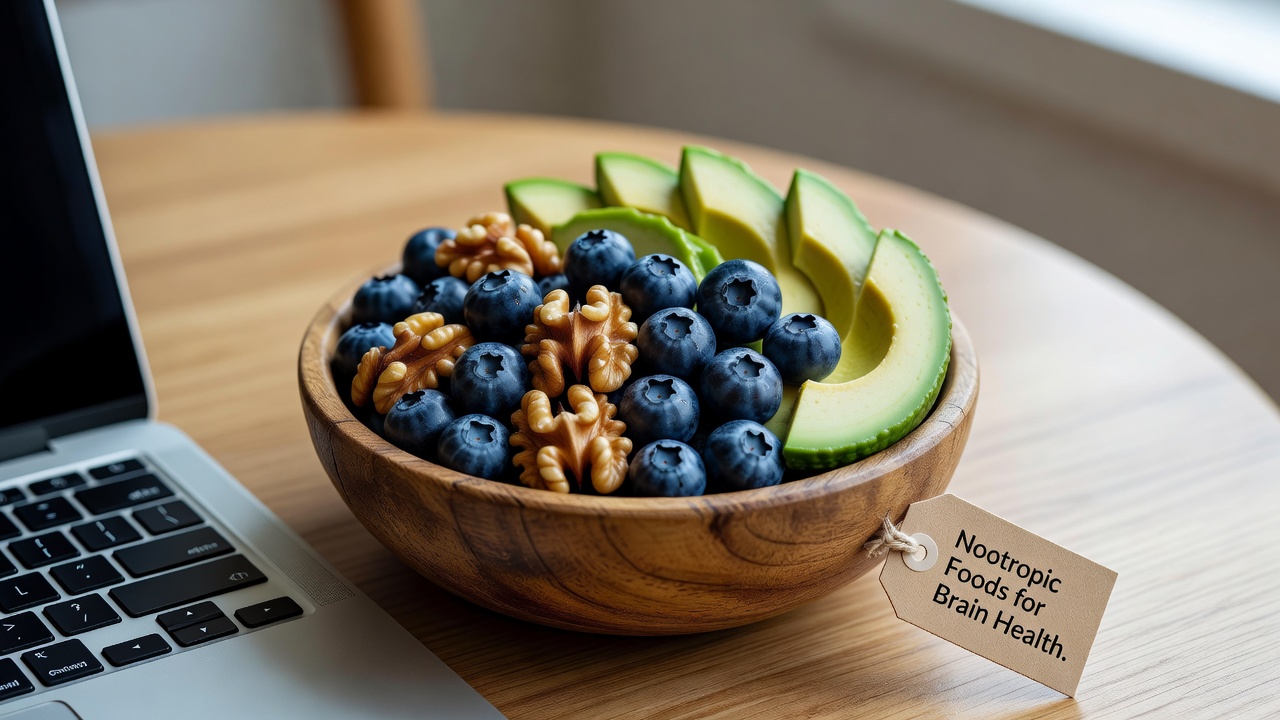
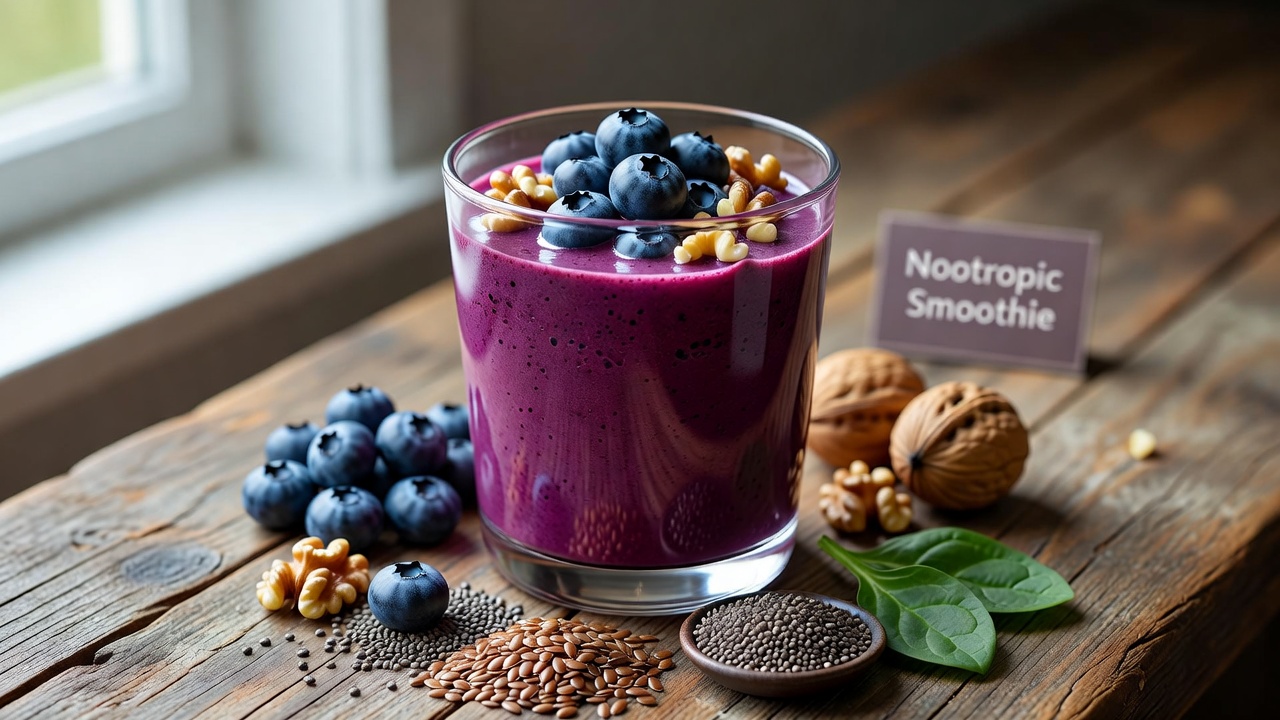
Simple replacements make a meaningful difference. Swap afternoon chips for a handful of walnuts and blueberries to deliver omega-3s and antioxidants. Replace sugary coffee drinks with green tea paired with a few squares of dark chocolate for steady focus. Add spinach to morning smoothies or sandwiches instead of less nutrient-dense options. These swaps require minimal preparation yet supply targeted support against digital fatigue. Professionals often find that keeping pre-washed greens and frozen berries on hand transforms rushed mornings into opportunities for cognitive nourishment without extra time investment.
Step-by-Step Integration Tips for Busy Professionals
Start by assessing current eating patterns and identifying one meal to enhance each day. Prepare portable options like pre-portioned berry and nut mixes for desk drawers. Schedule brief mindful eating moments away from screens to improve nutrient absorption and reduce stress. Track subjective focus levels over two weeks to notice patterns. Gradually layer in additional foods, such as incorporating avocado into lunches, while maintaining flexibility for travel or deadlines. Consistency over perfection yields the strongest results. For instance, a software engineer might begin by adding a spinach omelet on Monday mornings, then progress to including walnuts during afternoon stand-ups, building habits that align with demanding work calendars. Another practical approach involves batch-preparing overnight oats with berries and seeds on Sunday evenings to ensure weekday mornings include brain-supportive ingredients automatically.
Short-Term Versus Long-Term Benefits Comparison
In the short term, noticeable improvements in mental clarity and reduced afternoon slumps often appear within days of consistent intake, driven by immediate anti-inflammatory effects and better hydration from water-rich produce. Long-term benefits accumulate over months, including enhanced memory consolidation, more stable dopamine signaling, and greater resilience to digital overstimulation. The contrast highlights why early adoption supports both immediate productivity and sustained cognitive health. Short-term gains often include sharper reaction times during video calls, while long-term changes may manifest as better sleep quality and reduced reliance on caffeine for afternoon energy.
Common Mistakes to Avoid When Adding Nootropic Foods
Many individuals overcomplicate their approach by attempting multiple changes simultaneously, leading to inconsistent adherence. Others overlook portion control, which can dilute benefits or introduce unnecessary calories. Failing to pair foods with adequate hydration also reduces effectiveness, as dehydration compounds digital fatigue. Avoiding these pitfalls involves starting small, staying hydrated throughout the workday, and viewing food choices as cumulative rather than isolated events. Busy professionals sometimes skip meals entirely under deadline pressure, missing opportunities to stabilize blood sugar and maintain focus through strategic snacking on items like avocado slices or berry mixes.
Frequently Asked Questions
What portion sizes support cognitive benefits without excess calories?
Typical servings include one cup of berries, a quarter cup of walnuts, or three to four ounces of fatty fish two to three times weekly. These amounts align with general dietary guidelines while delivering meaningful nutrient levels.
How long before measurable outcomes become apparent?
Many individuals report sharper focus within three to seven days. Objective markers such as improved task completion or reduced mental fog usually solidify after consistent intake for two to four weeks.
Can these foods interact with medications or existing conditions?
Most nootropic foods are safe for general consumption, yet individuals on blood thinners or with allergies should consult healthcare providers before major dietary shifts. Resources from Mayo Clinic offer further guidance on personalized nutrition considerations.
Are there optimal times of day to consume these foods?
Morning intake of omega-3-rich options supports all-day focus, while antioxidant-heavy snacks in the afternoon help offset accumulated screen fatigue. Evening consumption of magnesium-rich greens may promote better wind-down routines before bed.
How do nootropic foods compare to other lifestyle interventions like exercise?
While physical activity provides complementary benefits, dietary choices offer direct biochemical support that can be implemented even on sedentary workdays. Combining both approaches often produces synergistic effects for managing digital brain drain.
Conclusion: Building Sustainable Cognitive Resilience
Nootropic foods provide practical, evidence-aligned strategies for countering digital brain drain in 2026. By prioritizing omega-3s, antioxidants, and supporting nutrients through everyday choices, professionals can restore focus and maintain dopamine balance amid constant connectivity. Small, repeatable actions compound into lasting cognitive advantages that support both productivity and overall well-being. For broader context on healthy eating patterns, refer to guidance from World Health Organization and National Institutes of Health.
No comments yet. Be the first!