 Func Eats
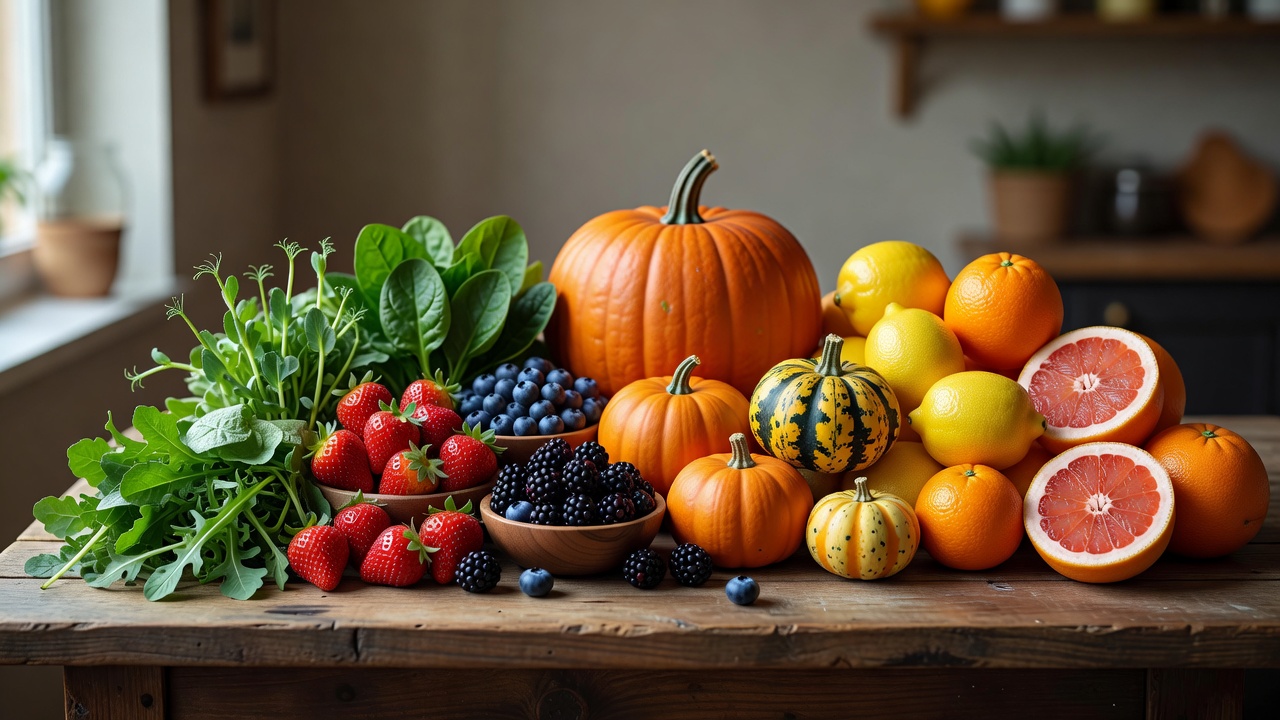
Introduction to Seasonal Functional Foods in 2026
Aligning bioactive compounds in foods with natural seasonal cycles offers a powerful approach to functional eating. In 2026, health-conscious individuals are increasingly turning to nature-aligned nutrition strategies that maximize nutrient density while supporting sustainability. This method enhances absorption of key bioactives like polyphenols, antioxidants, and vitamins by consuming produce at peak ripeness. Functional foods deliver targeted health benefits beyond basic nutrition, including improved immunity, better digestion, and sustained energy. By syncing intake with seasons, consumers can optimize these outcomes throughout the year, reducing reliance on imported or stored produce that often loses potency.
The concept builds on growing awareness of how environmental factors influence phytochemical levels in plants. For instance, sunlight exposure and soil conditions vary by season, directly impacting antioxidant concentrations. This article provides in-depth guidance on spring-to-winter examples, sourcing techniques, preparation methods, comparisons, and integration strategies to help readers adopt these practices effectively.
Understanding Bioactives and Their Seasonal Alignment
Bioactives are naturally occurring compounds in foods that influence physiological functions. Examples include flavonoids in berries, carotenoids in root vegetables, and glucosinolates in cruciferous plants. Seasonal alignment means prioritizing foods when their bioactive profiles are strongest, typically right after harvest. This approach not only boosts efficacy but also promotes biodiversity and reduces the carbon footprint associated with long-distance transport.
Research supports that seasonal consumption correlates with higher overall nutrient intake. Consumers report fewer digestive issues and better mood stability when following these patterns, as the variety introduces diverse microbial support from fresh produce.
Spring Bioactives: Renewal and Detoxification Support
Spring introduces tender greens and early fruits packed with chlorophyll, folate, and vitamin C. Asparagus offers prebiotic fibers that feed gut bacteria, while strawberries provide ellagic acid for cellular protection. Leafy options like spinach and dandelion greens aid natural detoxification pathways after winter's heavier meals.
Practical Sourcing and Preparation Steps
- Visit local farmers' markets weekly in March through May to select just-picked items with vibrant colors and firm textures.
- Rinse produce gently under cool water and consume raw or lightly steamed to retain heat-sensitive compounds such as vitamin C.
- Combine with healthy fats like olive oil or avocado to enhance bioavailability of fat-soluble bioactives.
- Store extras in breathable bags in the refrigerator crisper drawer for up to five days.
Sample spring dish: A mixed green salad topped with sliced strawberries and a light lemon-olive oil dressing delivers a bioactive boost for midday energy.
Summer Bioactives: Hydration and Oxidative Stress Defense
Summer peaks bring water-rich produce like cucumbers, tomatoes, and an array of berries. Lycopene from ripe tomatoes protects skin from UV-related damage, while anthocyanins in blueberries and blackberries combat free radicals generated by heat and activity. Zucchini and bell peppers add additional carotenoids and vitamin A precursors.
Preparation focuses on minimal cooking: grill lightly or blend into smoothies. Sourcing tip: Choose organic or locally grown varieties to avoid pesticide residues that can interfere with bioactive absorption. A refreshing gazpacho made with summer tomatoes and cucumbers exemplifies easy integration.
Fall Bioactives: Immune Preparation and Anti-Inflammatory Effects
As temperatures drop, fall harvests feature pumpkins, apples, Brussels sprouts, and kale. Beta-carotene in orange squash supports respiratory health, and glucosinolates in cruciferous vegetables promote detoxification enzymes. Apples contribute pectin and quercetin for gut lining integrity and inflammation modulation.
Key Preparation Techniques
- Roast vegetables at moderate temperatures around 375°F to concentrate flavors without destroying sensitive nutrients.
- Incorporate spices like turmeric and ginger to synergize anti-inflammatory bioactives.
- Preserve excess through quick-pickling or freezing in portioned bags for later use.
These steps ensure consistent access to peak compounds even as seasons transition.
Winter Bioactives: Sustained Energy and Resilience Building
Winter emphasizes stored roots and citrus fruits. Sweet potatoes and beets provide complex carbohydrates alongside antioxidants, while oranges and grapefruits supply abundant vitamin C and flavonoids. Fermented seasonal items like cabbage-based sauerkraut introduce live probiotics that support microbiome diversity during indoor months.
Year-Round vs Seasonal Nutrient Comparisons
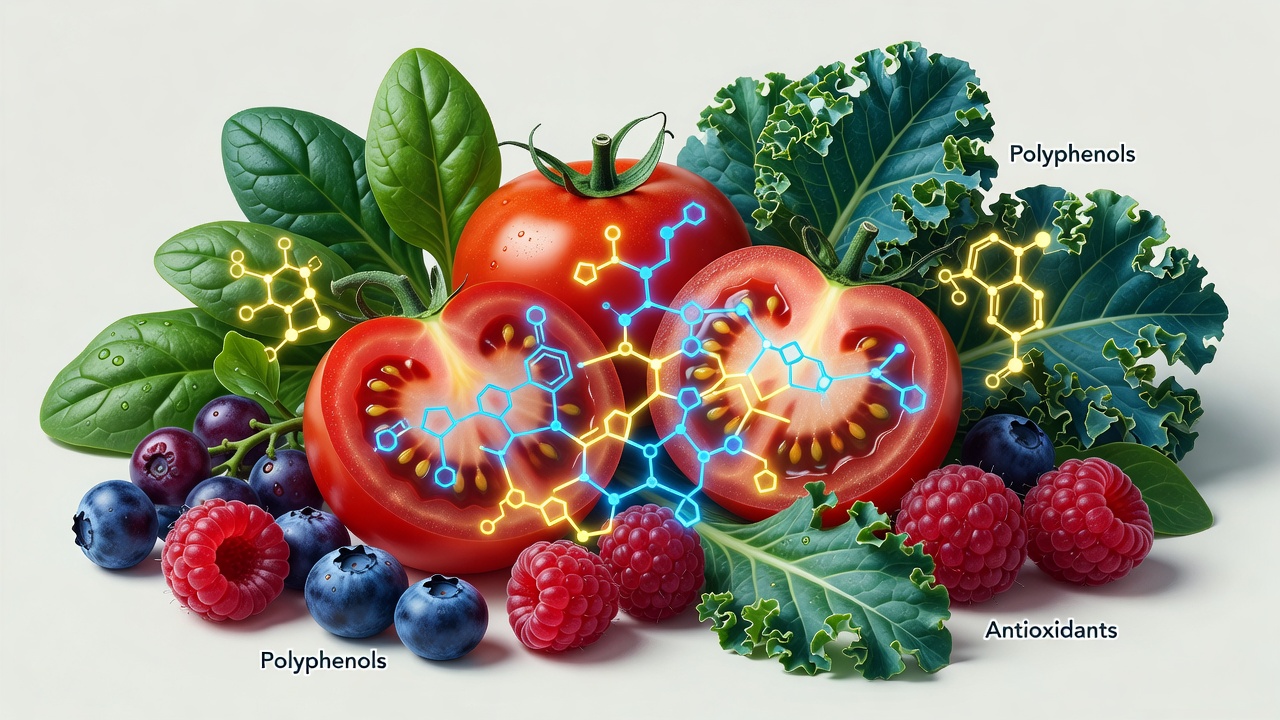
Seasonal foods consistently outperform year-round alternatives in bioactive density. Out-of-season imports undergo extended storage and shipping that degrade polyphenols and vitamins. For example, freshly harvested spinach can contain notably higher folate levels than greenhouse versions grown months later. Data referenced by the National Institutes of Health highlights how harvest timing affects phytochemical retention, with losses reaching significant percentages after prolonged cold storage.
Year-round options also often involve higher water usage and transportation emissions. In contrast, seasonal eating encourages crop rotation and local ecosystems. Practical comparison: A summer berry bowl offers immediate antioxidant punch, whereas winter-stored berries may require larger portions to achieve similar effects.
Real Meal Integration Ideas for Daily Life
Integrating seasonal functional foods requires simple planning. Breakfast ideas include spring spinach smoothies blended with strawberries and chia seeds. Summer lunches feature quinoa bowls loaded with tomatoes, cucumbers, and fresh herbs. Fall dinners center on roasted pumpkin with Brussels sprouts and apple slices. Winter snacks pair citrus segments with nuts and a side of fermented vegetables.
For weekly structure, dedicate one day to market shopping and prep. Batch-cook bases like roasted roots or grain salads that adapt across seasons. Families can involve children in selecting produce to build lasting habits. These approaches turn nutrition into an enjoyable, sustainable routine rather than a chore.
Case Studies from Diverse Diets
A participant following a Mediterranean-style pattern added wild spring greens and reported noticeable improvements in daily vitality within three weeks. An individual incorporating Asian fermented winter vegetables experienced enhanced digestive regularity. Plant-based endurance athletes aligned summer berry consumption with training peaks and noted faster post-exercise recovery markers. Another case involved a family transitioning to seasonal roots in fall, resulting in fewer seasonal sniffles among children. These real-world examples demonstrate adaptability across cultural preferences and lifestyles.
Common Mistakes to Avoid
Many beginners overlook proper storage, leading to premature spoilage and lost bioactives. Others rely too heavily on supplements instead of whole seasonal foods, missing synergistic effects. Ignoring local climate variations can result in mismatched produce choices. Always verify ripeness by aroma and color rather than calendar dates alone.
FAQ on Common Seasonal Challenges
How do I source seasonal foods in urban areas with limited markets?
Community-supported agriculture programs and mobile farm apps provide reliable access. The USDA seasonal produce guides help identify regional availability.
What substitutions work for allergy restrictions?
Replace strawberries with blueberries or swap kale for spinach to maintain similar bioactive profiles without triggers.
Can frozen seasonal produce serve as an alternative?
Flash-frozen items at peak harvest retain most nutrients and offer convenience when fresh options are scarce.
How does seasonal eating affect grocery budgets?
Local in-season items frequently cost less due to abundance, encouraging variety without premium pricing.
Is there evidence linking seasonal intake to long-term health outcomes?
Observational patterns suggest benefits for immunity and inflammation markers, though individual results vary; consult resources from the World Health Organization for broader context.
Conclusion
Embracing seasonal functional foods in 2026 creates sustainable, effective nutrition aligned with nature's rhythms. Start small by planning one seasonal meal weekly and expand from there for lasting health benefits. Consistent application across spring through winter builds resilience while celebrating the diversity of natural cycles.
No comments yet. Be the first!