 Func Eats

Functional foods deliver targeted bioactive compounds that support satiety, metabolic efficiency, and long-term weight management without relying on supplements. In 2026, health-conscious consumers seek evidence-based eating patterns that integrate everyday ingredients to regulate appetite hormones, improve nutrient absorption, and sustain energy levels throughout the day. This approach moves beyond restrictive dieting by focusing on how specific foods interact with the body’s systems to promote natural weight control.
Understanding Bioactive Compounds in Functional Foods
Bioactive compounds such as polyphenols, fiber, and capsaicin interact with the body’s digestive and endocrine systems. These natural molecules slow gastric emptying, stabilize blood glucose, and stimulate thermogenesis. Unlike generic calorie-counting approaches, functional eating emphasizes food quality and its physiological effects on hunger signaling and fat oxidation. Research highlights how these compounds influence gut microbiota, which plays a key role in energy extraction from food and inflammation reduction. For sustainable results, incorporating a variety of these foods daily helps create a cumulative effect on metabolism and appetite regulation.
Metabolism-Boosting Ingredients: Berries and Spices
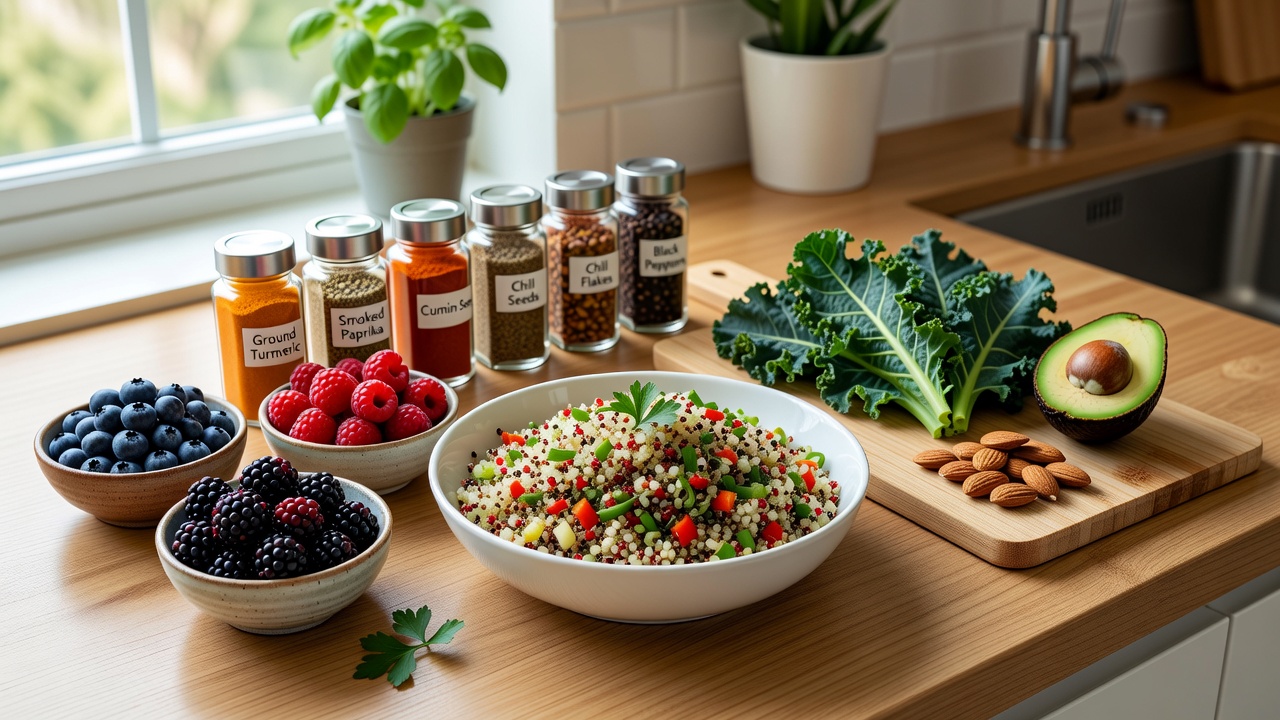
Blueberries and strawberries contain anthocyanins that enhance insulin sensitivity and reduce inflammation linked to weight gain. Consuming one cup daily has been shown to support metabolic rate when paired with balanced meals. Raspberries add ellagic acid, another polyphenol that may aid fat breakdown. Spices like cinnamon improve glucose metabolism by mimicking insulin effects, while ginger supports digestion and reduces bloating. Cayenne pepper increases thermic effect through mild capsaicin activity, leading to slightly elevated calorie burn post-meal. Real-world users report better portion control after adding these ingredients to breakfast smoothies or evening meals. To maximize benefits, combine berries with spices in the same dish, as the fiber in berries helps moderate any blood sugar spikes from other meal components.
Sample Daily Meal Builds with Portion Guidance
Start the day with a bowl of Greek yogurt topped with 150g mixed berries, 5g cinnamon, and a sprinkle of ginger. This provides roughly 20g protein and 8g fiber to kickstart satiety. Midday, prepare a quinoa salad with roasted vegetables, 100g strawberries, and a cayenne-infused olive oil dressing. Aim for 150g cooked quinoa as the base to keep portions balanced. Evening meals can feature grilled fish alongside steamed greens and a side of cinnamon-spiced apple slices. For snacks, try a handful of raspberries with a dash of cayenne on cucumber slices. Each build prioritizes 25–30g fiber and controlled portions to maintain satiety without excess calories. Another variation for lunch includes a berry-infused chia pudding made the night before, layered with spinach and spices for added volume without many calories. These examples demonstrate how functional ingredients integrate seamlessly into standard meals while supporting weight goals through enhanced fullness and metabolic support.
Functional Eating Versus Standard Calorie Tracking
Traditional calorie tracking focuses solely on energy intake, often ignoring satiety signals. Functional approaches compare favorably because they improve nutrient density and hormone balance. For example, replacing a standard snack with a berry-spice combination increases fullness duration by up to 40 percent, reducing overall daily intake naturally. Users transitioning from strict tracking report fewer cravings and improved adherence over months. A key difference lies in sustainability: calorie counting can lead to metabolic adaptation and rebound weight gain, whereas functional foods encourage consistent habits by making meals more satisfying. Practical comparisons show that individuals following functional strategies often achieve similar or better weight outcomes with less mental effort, as the foods themselves help regulate intake. This method also supports better micronutrient profiles, reducing risks of deficiencies common in restrictive diets.
Easy Prep Steps for Busy Schedules
- Batch-wash and portion berries at the start of the week into single-serve containers for grab-and-go options.
- Pre-mix spice blends in small jars for quick addition to meals, combining cinnamon, ginger, and cayenne in ratios suited to personal taste.
- Use one-pan roasting methods to combine vegetables with cinnamon or ginger in under 20 minutes, minimizing cleanup.
- Store prepared components in clear containers to encourage consistent use and visual reminders of available functional ingredients.
- Prepare overnight oats or chia puddings incorporating berries and spices the evening before to save morning time.
- Invest in a good spice grinder to keep fresh ginger and other roots readily available without daily chopping.
Absorption Tips and Real-World Examples
Pair fat-soluble compounds with healthy fats such as avocado or nuts to improve polyphenol uptake. A working professional might add blueberries to overnight oats prepared the night before, ensuring consistent intake despite early meetings. Another example involves sprinkling cayenne on roasted chickpeas for an afternoon snack that curbs hunger until dinner. For better results, consume these foods away from high-caffeine beverages that may interfere with absorption. A parent balancing family meals could blend berries into smoothies with a teaspoon of olive oil to enhance bioavailability while keeping preparation under five minutes. These real-world applications show how small adjustments yield measurable improvements in energy and weight management without complex routines.
Potential Pitfalls to Avoid
Common mistakes include over-relying on one ingredient or neglecting overall dietary variety. Some people add excessive spices too quickly, leading to digestive discomfort. Start gradually and monitor tolerance. Another pitfall is ignoring portion sizes of calorie-dense additions like nuts, which can offset benefits. Always combine functional foods with mindful eating practices for optimal outcomes.
Tracking Progress and Long-Term Success
Instead of daily weigh-ins, focus on metrics like energy levels, clothing fit, and how long satiety lasts after meals. Many find success by journaling functional food intake alongside subjective hunger ratings. Over time, this builds awareness of how specific ingredients affect personal metabolism. Integrating walking after meals further amplifies the thermogenic effects of spices like cayenne.
FAQ: Addressing Common Challenges
How can I manage cost when buying fresh berries regularly?
Frozen berries retain nearly identical bioactive levels at a lower price point and longer shelf life, making them practical for daily use. Buying in bulk during peak seasons and freezing extras also helps maintain affordability year-round.
What if I dislike the taste of certain spices?
Start with small amounts blended into familiar foods like yogurt or oatmeal, then gradually increase. Many adapt within two weeks and begin to enjoy the flavors. Experimenting with different combinations, such as cinnamon with sweet fruits, eases the transition.
Can functional foods replace structured diet plans?
They complement rather than replace balanced eating patterns. Combining functional ingredients with mindful portions yields the most sustainable results, especially when paired with regular physical activity.
How long does it take to notice weight management benefits?
Most individuals report improved satiety within the first week, with measurable changes in body composition appearing after consistent use for four to six weeks alongside overall healthy habits.
For authoritative guidance on nutrition principles, consult resources from the World Health Organization and the National Institutes of Health. These organizations provide evidence-based frameworks that align with functional food strategies for weight management. Additional insights can be found through established public health channels that emphasize whole-food approaches over isolated nutrients.
Conclusion
Adopting functional foods for weight management in 2026 offers a practical, science-supported path to sustainable results. By focusing on bioactive-rich berries and spices, building satisfying meals, and mastering simple preparation techniques, individuals can achieve better satiety and metabolic support without extreme measures. Consistency and personalization remain key to long-term success.

No comments yet. Be the first!