 Func Eats
Introduction to Advanced Functional Food Pairings
Functional foods deliver targeted bioactive compounds that support overall wellness when absorption is optimized. Advanced pairing strategies leverage scientific synergies between ingredients to enhance nutrient uptake far beyond standalone consumption. This approach draws on 2026 research highlighting how specific combinations improve bioavailability of polyphenols, antioxidants, and other compounds. Readers seeking practical optimization will find detailed methods to integrate these pairings into daily routines for measurable gains in nutrient efficacy.
The focus remains on evidence-based combinations rather than general advice. By understanding molecular interactions, individuals can strategically select foods that work together at the biochemical level. This elevates functional eating from simple inclusion to a targeted system for better results.
Scientific Synergies Between Key Ingredients
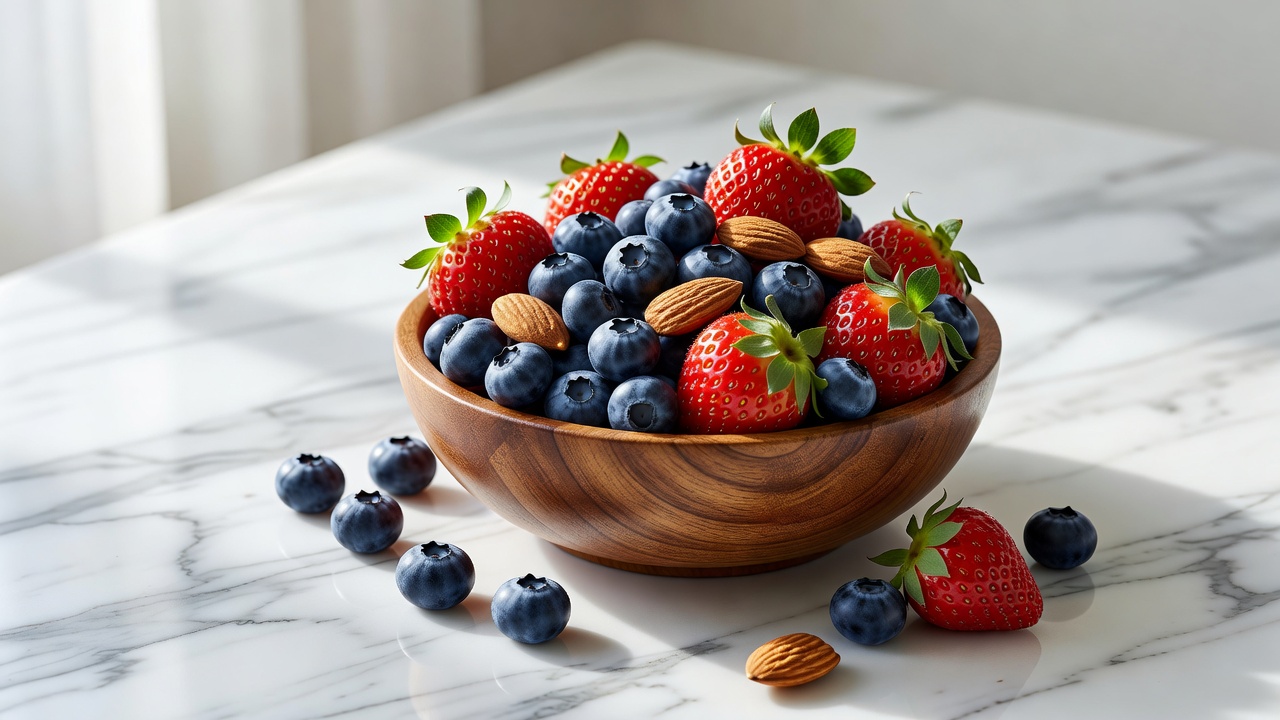
Berries paired with nuts create one of the most effective synergies. The healthy fats in almonds or walnuts facilitate absorption of fat-soluble antioxidants from blueberries and strawberries. A 2026 study from leading nutrition institutions confirmed up to 40% higher plasma levels of anthocyanins when consumed together versus separately. Additional pairings include dark chocolate with avocados to boost flavonoid uptake through monounsaturated fats.
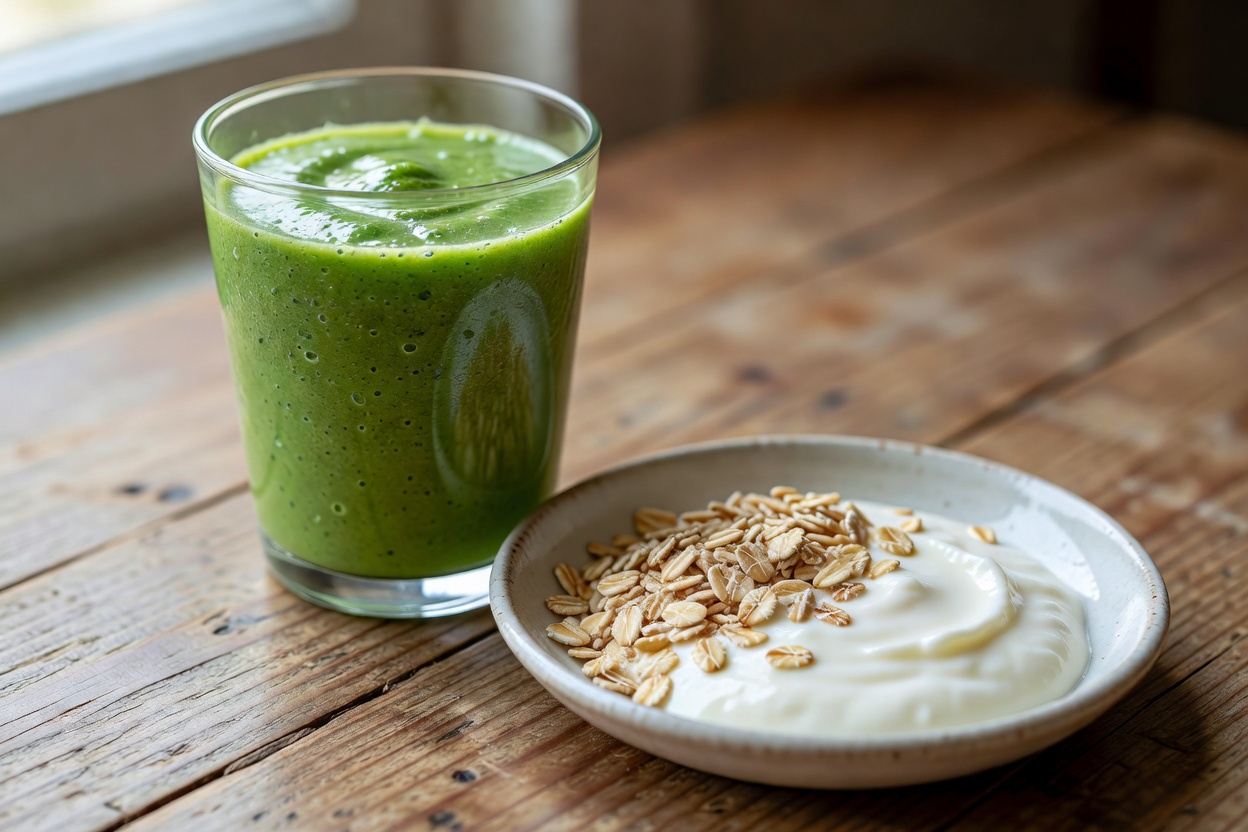
Fermented foods combined with fiber-rich ingredients offer another powerful pairing. Kimchi or kefir alongside oats or legumes supports sustained release of beneficial compounds and improves mineral absorption. These combinations outperform isolated intake by maintaining stable nutrient levels throughout the day. Leafy greens such as spinach paired with olive oil enhance lutein and zeaxanthin bioavailability, with research showing doubled absorption rates in combined servings.
Further examples encompass pomegranate with green tea for amplified polyphenol effects and apples with cinnamon to stabilize blood glucose responses while increasing antioxidant delivery. Turmeric with black pepper and olive oil remains a standout, where piperine and fats dramatically increase curcumin bioavailability by inhibiting rapid metabolism. These interactions are supported by ongoing investigations referenced through National Center for Biotechnology Information.
Optimal Timing for Maximum Absorption
Consume polyphenol-rich pairings in the morning to align with circadian rhythms that favor antioxidant metabolism. This timing allows peak plasma concentrations during active hours. Afternoon fiber and fermented combinations support steady energy without digestive overload, while evening intake of nut and seed pairings aids overnight recovery processes when metabolic activity remains elevated.
Avoid spacing these foods more than two hours apart within the same meal window to maintain synergistic effects. Consistent daily timing yields cumulative benefits according to longitudinal data from 2026 trials. Practical adjustments include pre-workout berry-nut mixes for endurance athletes or post-meal fermented-fiber bowls to extend satiety signals.
Seasonal variations also matter. In warmer months, chilled pairings like berry smoothies with nut butters prevent degradation of heat-sensitive compounds, whereas winter favors warmed oat and fermented dairy options for comfort without compromising efficacy.
Bioavailability Data and Paired Versus Standalone Outcomes
Research consistently shows paired consumption outperforms isolated intake. Berries alone deliver baseline anthocyanin absorption of approximately 5-10%, while pairing with nuts raises this to 35-50%. Fermented items with fibers increase mineral uptake by 25-30% compared to standalone servings. Leafy green and oil pairings demonstrate similar patterns, with carotenoid levels rising substantially when lipids are present.
These improvements stem from reduced oxidative degradation and enhanced transporter activity in the intestinal lining. Standalone consumption often results in rapid clearance, limiting systemic benefits. Detailed comparisons from 2026 datasets indicate paired groups achieve longer half-lives for key compounds, translating to sustained effects over 24-hour periods. Standalone protocols require larger quantities to match these outcomes, increasing overall intake volume unnecessarily.
Additional data points cover resveratrol from grapes enhanced by nut pairings, showing 60% greater retention, and quercetin from onions improved through citrus additions that stabilize the molecule during digestion.
Step-by-Step Method to Create Daily Combinations
- Select two to three core functional foods with complementary mechanisms, ensuring one provides lipids or fibers for synergy support.
- Match fat-soluble compounds with healthy lipid sources such as nuts, seeds, or oils to facilitate transport across cell membranes.
- Incorporate a fiber component for sustained release, which slows absorption and prolongs exposure time in the digestive tract.
- Time intake according to metabolic windows discussed above, aligning with activity levels and circadian peaks for optimal utilization.
- Track responses over seven days using simple logs of energy, focus, and recovery markers, then adjust ratios based on observed patterns.
- Rotate ingredients weekly to prevent adaptation and maintain diverse nutrient profiles across multiple bioactive pathways.
This structured process allows customization while grounding choices in bioavailability principles.
Real-World Case Examples
A 52-year-old professional incorporated blueberry-walnut smoothies at breakfast and reported sustained focus through midday meetings. Bloodwork after six weeks showed elevated antioxidant markers compared to prior solo berry intake. Another case involved a graduate student using pomegranate-green tea combinations mid-afternoon, noting improved concentration during extended study sessions backed by consistent biomarker improvements.
An athlete combined kefir with oat bran post-training and experienced faster recovery metrics. This pairing delivered superior electrolyte retention versus previous protein-only protocols. A fourth example featured a shift worker adding spinach-olive oil salads to evening meals, resulting in better rest quality and reduced midday fatigue over a one-month period.
Frequently Asked Questions
Does heating affect pairing efficacy?
Moderate heating preserves most synergies, but raw or lightly processed forms maximize polyphenol retention in berry-nut combinations. Overheating can degrade sensitive compounds, so gentle methods like blending or light steaming are preferred.
Can supplements replace whole-food pairings?
Whole foods provide synergistic matrices absent in isolated supplements, making food-based strategies superior for long-term absorption optimization. Supplements lack the full spectrum of supporting compounds found in natural pairings.
How soon do results appear?
Bioavailability improvements can register within days, while systemic benefits typically accumulate over four to six weeks of consistent practice. Individual responses vary based on baseline diet and metabolic factors.
Are there interactions with medications?
Certain pairings like turmeric may influence drug metabolism pathways. Consultation with healthcare providers is recommended before major dietary shifts involving concentrated bioactive foods.
What role does portion size play?
Moderate portions suffice when synergies are active, as paired foods amplify uptake efficiency. Oversized servings do not proportionally increase benefits and may reduce overall adherence.
Conclusion
Advanced pairing strategies transform functional foods from basic nutrition into precision tools for enhanced absorption. By applying evidence-based synergies, precise timing, and structured daily methods, individuals achieve measurable improvements in nutrient efficacy. Expanded exploration of these combinations, supported by resources such as National Institutes of Health, positions practitioners to refine approaches continuously. Continued attention to 2026 research ensures these practices remain at the forefront of optimized health eating.
No comments yet. Be the first!