 Func Eats
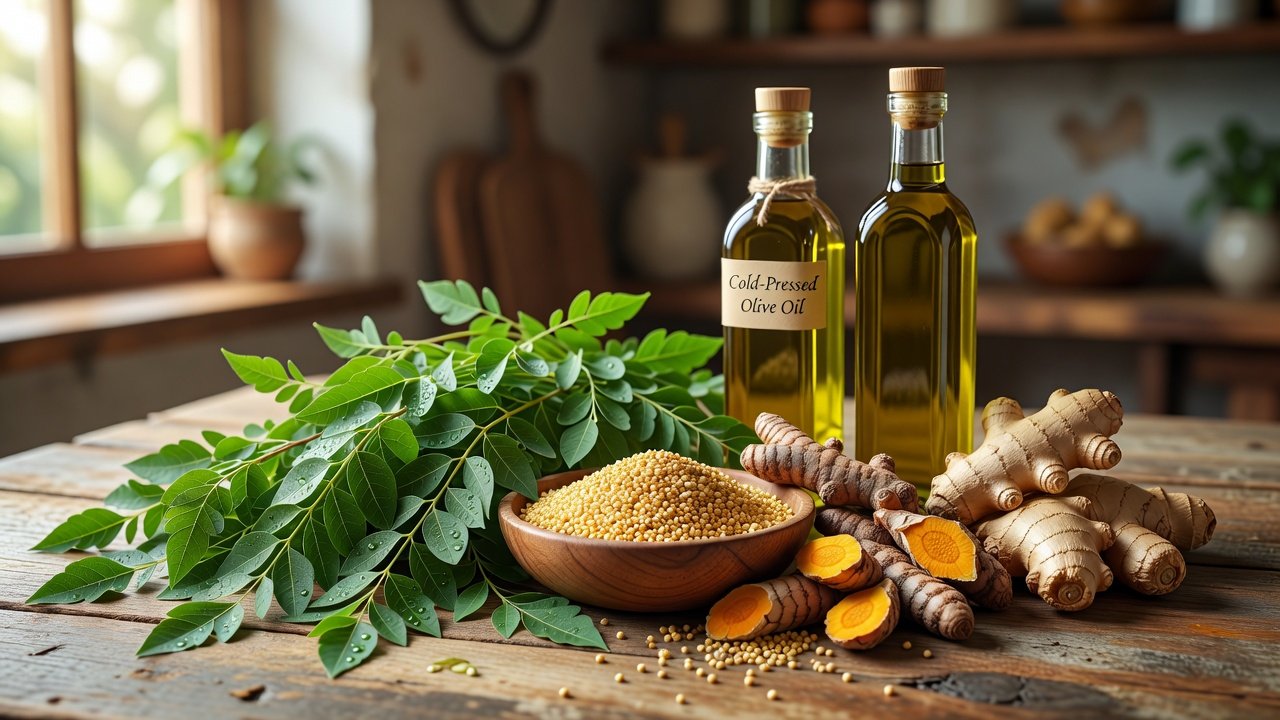
Introduction to Global Functional Superfoods in 2026
In 2026, functional eating continues to evolve beyond trendy Western superfoods. This guide highlights bioactive-rich ingredients from African, Latin American, Asian, and Mediterranean traditions that deliver targeted health benefits like sustained energy, improved nutrition absorption, and inflammation support. These foods stand out for their evidence-backed compounds and accessibility in everyday meals. Consumers are increasingly turning to lesser-covered traditions to diversify their diets and address specific wellness goals such as boosting natural energy levels without caffeine crashes or supporting long-term nutrient density.
Readers seeking practical ways to enhance wellness will find comparisons to common ingredients, simple recipe ideas, sourcing advice, and meal-planning strategies tailored for busy lifestyles. By focusing on whole-food sources rather than supplements, individuals can achieve better bioavailability of key nutrients while enjoying cultural flavors that make healthy eating sustainable.
African Traditions: Moringa for Energy and Immunity
Moringa oleifera, native to parts of Africa and South Asia, earns its superfood status through high levels of antioxidants, vitamins, and anti-inflammatory compounds. Its leaves contain quercetin and chlorogenic acid, which studies link to better blood sugar regulation and energy metabolism. Additional bioactives include isothiocyanates that may support cellular health and reduce oxidative stress over time.
Compared to spinach, moringa offers roughly three times the protein and significantly more iron per serving, making it ideal for plant-based diets. It also provides more calcium than dairy milk in equivalent servings, offering a versatile option for those avoiding animal products. Integrate moringa powder into smoothies or soups by starting with one teaspoon daily to avoid digestive adjustment. For those new to the ingredient, mixing it with familiar flavors like banana or citrus masks its earthy taste effectively.
Simple Recipe: Moringa Energy Smoothie
- 1 banana
- 1 cup almond milk
- 1 tsp moringa powder
- Handful of berries
- Optional: 1 tbsp chia seeds for added omega-3s
Blend until smooth for a quick morning boost. This recipe takes under five minutes and provides a balanced start to the day with sustained energy release.
Advanced Integration: Moringa in Savory Dishes
Beyond smoothies, stir moringa into lentil stews or sprinkle over roasted vegetables. A practical step is to create a moringa pesto by blending the powder with basil, garlic, nuts, and olive oil. This condiment stores well in the refrigerator and adds a nutrient boost to pasta or sandwiches. Many users report improved focus when incorporating moringa consistently for two to three weeks.
Latin American Staples: Amaranth for Complete Nutrition
Amaranth, a pseudocereal cherished in Aztec and Incan cultures, provides all nine essential amino acids along with lysine, an amino acid often missing in grains. Its bioactive peptides support heart health and muscle repair while its high fiber content aids digestion and satiety. The grain also contains squalene, a compound studied for its antioxidant properties that may protect against cellular damage.
Unlike white rice, amaranth delivers higher fiber and magnesium content. Toast the seeds lightly before cooking to enhance nutty flavor, then use as a porridge base or salad topper. One cup of cooked amaranth supplies about 9 grams of protein, making it an excellent alternative to refined grains in meals.
World Health Organization resources emphasize diverse whole grains for balanced nutrition worldwide. Amaranth's gluten-free nature also makes it suitable for those with sensitivities, expanding its appeal across dietary needs.
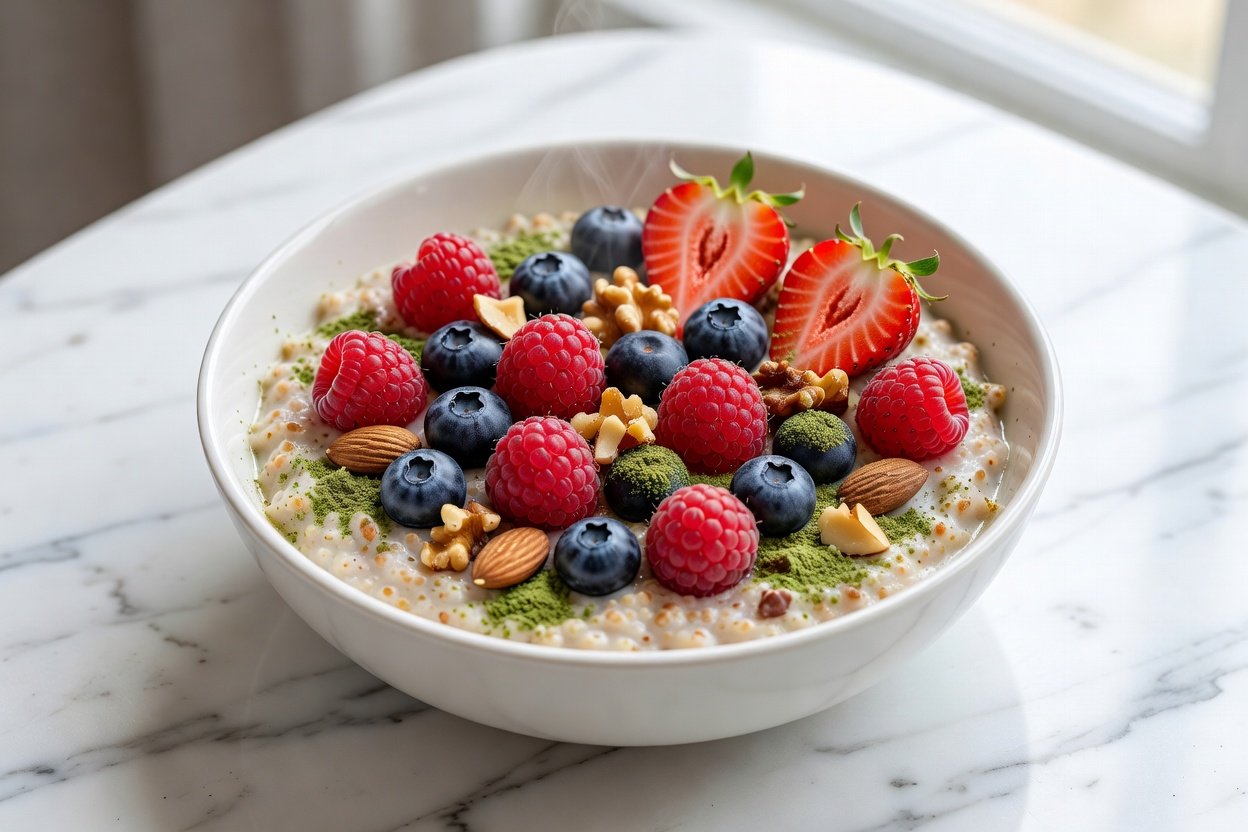
Recipe Examples: Amaranth Breakfast Bowl and Salad
- Amaranth Porridge: Cook 1/2 cup amaranth in 1 cup water with cinnamon and vanilla. Top with sliced apples, walnuts, and a drizzle of honey.
- Amaranth Salad: Combine cooled amaranth with black beans, corn, avocado, lime juice, and cilantro for a refreshing lunch option.
These preparations highlight amaranth's versatility and quick cooking time of about 20 minutes.
Asian and Mediterranean Highlights: Turmeric, Ginger, and Olives
Asian cuisines contribute turmeric with curcumin for joint support and ginger for digestive comfort. Curcumin bioavailability increases when paired with black pepper, a simple kitchen hack that enhances absorption by up to 2000 percent in some studies. Ginger's gingerol compounds offer anti-nausea effects useful for travel or post-meal digestion.
Mediterranean diets feature extra-virgin olive oil rich in oleuropein, linked to cardiovascular benefits. Regular use supports healthy cholesterol levels and provides polyphenols that combat inflammation. Mayo Clinic highlights the role of such plant compounds in overall dietary patterns for longevity.
Practical Comparisons and Swaps
Replace regular cooking oil with olive oil in stir-fries or dressings. Add turmeric to scrambled eggs or golden milk lattes. Ginger can substitute for garlic in many recipes or be steeped into tea. These small changes accumulate meaningful health impacts without requiring major lifestyle overhauls.
Bioactive Compounds Explained with Evidence-Based Insights
Understanding the science behind these foods helps prioritize their use. Moringa's isothiocyanates act similarly to those in broccoli but at higher concentrations. Amaranth's peptides may inhibit enzymes involved in blood pressure regulation. Turmeric's curcumin modulates inflammatory pathways, while olive oil's hydroxytyrosol supports vascular function. National Center for Biotechnology Information databases contain peer-reviewed studies validating these mechanisms across populations.
Comprehensive Sourcing, Storage, and Meal Planning for 2026
Quality sourcing ensures maximum bioactive retention. Choose organic moringa from trusted African or Indian suppliers and store it in dark glass jars. Amaranth should be purchased in airtight packaging and kept cool to prevent rancidity. For meal planning, prepare a weekly rotation: Monday moringa smoothies, Wednesday amaranth salads, and Friday turmeric-infused dinners. Batch cooking reduces weekday stress and maintains consistency.
Mistakes to Avoid and FAQs
- Overdosing on powders without gradual introduction can cause stomach upset.
- Ignoring freshness leads to diminished nutrient levels.
- Pairing with processed foods negates benefits.
FAQ: How much moringa daily? Start with 1-2 teaspoons. Is amaranth suitable for kids? Yes, in moderate portions as porridge. Can these replace medications? Always consult a healthcare provider for personalized advice.
Conclusion
Incorporating these cultural superfoods creates a diverse, evidence-supported approach to functional eating in 2026. Experiment with the recipes and tips above to experience sustained energy and better nutrition from global traditions. Consistent use combined with balanced overall eating patterns yields the best long-term results.
No comments yet. Be the first!