 Func Eats
Introduction to Longevity Superfoods in 2026
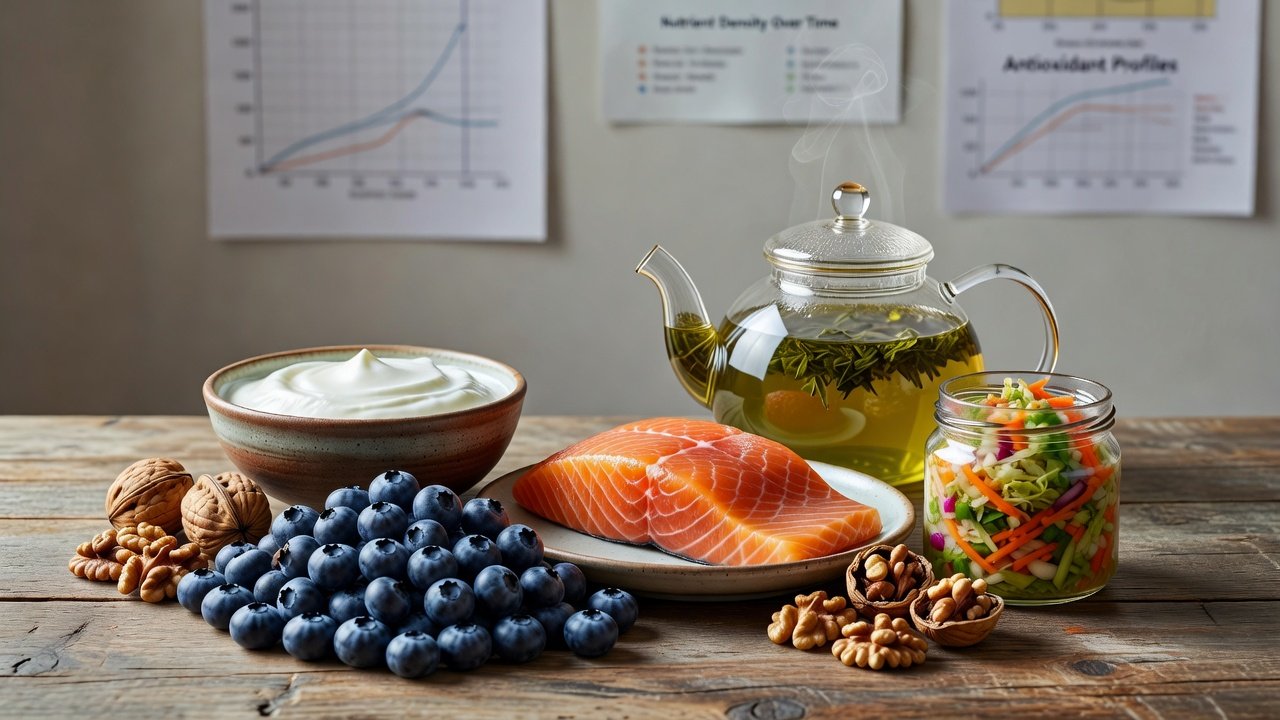
Recent 2026 studies continue to highlight how specific bioactive compounds in everyday foods support healthy aging and may contribute to lifespan extension. Researchers focus on mechanisms such as reducing oxidative stress, modulating inflammation, and improving cellular repair. This research roundup examines evidence for polyphenols, omega-3 fatty acids, and probiotics, drawing from clinical trials and meta-analyses published in the past year. The growing body of evidence underscores that consistent dietary patterns rich in these compounds can influence key aging pathways including mitochondrial efficiency, epigenetic regulation, and gut microbiome balance. Individuals seeking to optimize their routines benefit from understanding both the science and the practical application of these findings.
Understanding these compounds helps individuals make informed dietary choices. Rather than relying on hype, the latest findings emphasize consistent, moderate intake through whole foods. National Institutes of Health resources provide ongoing updates on nutrition and aging research that align with these trends.
Polyphenols: Mechanisms and Supporting Studies
Polyphenols, found in berries, tea, and dark chocolate, act as potent antioxidants. A 2026 review in nutritional science journals linked higher polyphenol intake to improved mitochondrial function and reduced age-related cellular damage. Mechanisms include activation of sirtuins and enhancement of autophagy, processes tied to longevity. These compounds also inhibit advanced glycation end products that accelerate tissue aging. In human trials, participants with elevated dietary polyphenol levels showed better endothelial function and lower markers of DNA damage over 12-month observation periods.
Key studies from 2025-2026 cohorts showed participants consuming 500-800 mg daily from food sources experienced measurable improvements in biomarkers like CRP levels. Blueberries and green tea emerged as top contributors due to their high bioavailability. Additional research highlighted that combining multiple polyphenol classes, such as flavonoids from citrus and anthocyanins from berries, produced additive effects on cognitive performance tests in older adults.
Omega-3 Fatty Acids for Lifespan Support
Omega-3s, particularly EPA and DHA from fatty fish and algae, influence membrane fluidity and eicosanoid production. 2026 meta-analyses confirmed associations with lower cardiovascular risk and slower cognitive decline. These fats reduce chronic inflammation via NF-kB pathway inhibition while supporting resolution of inflammation through specialized pro-resolving mediators. Longitudinal data further connect adequate omega-3 status to preserved muscle mass and reduced frailty scores in aging populations.
Evidence from large-scale trials indicates that regular consumption correlates with extended healthspan markers, such as better telomere maintenance. Practical sources include wild salmon, sardines, and fortified plant milks. Those following plant-based diets can rely on algal oil for direct DHA and EPA delivery without conversion losses common from ALA sources like flaxseed.
Probiotics and the Gut-Longevity Axis
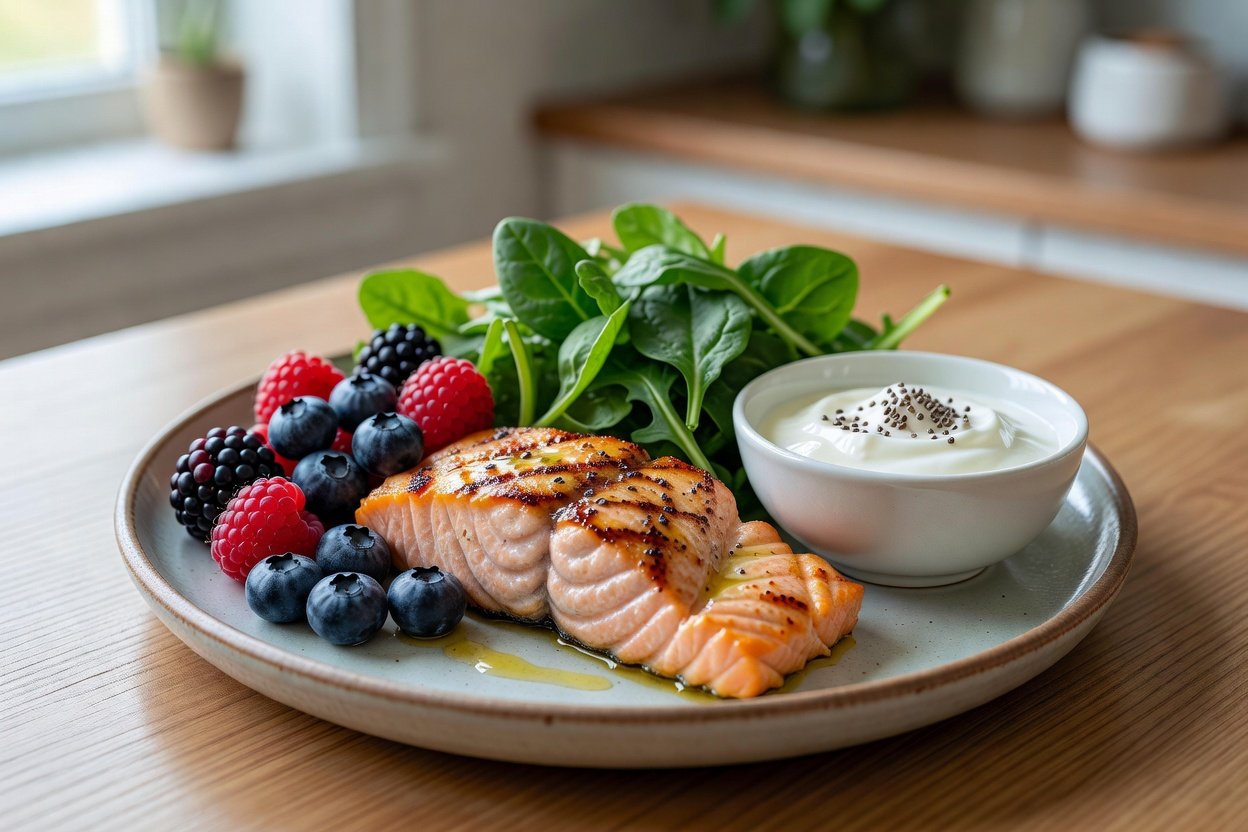
Emerging 2026 data connects gut microbiota diversity to systemic aging processes. Probiotic-rich foods like yogurt and kefir support short-chain fatty acid production, which strengthens the intestinal barrier and modulates immune responses. Diverse microbial communities also influence brain health through the vagus nerve and production of neurotransmitters. Clinical observations from 2026 trials noted improvements in sleep quality and mood scores among older adults who increased fermented food intake over eight weeks.
Randomized trials demonstrated that daily probiotic intake improved metabolic parameters linked to longevity, including insulin sensitivity and reduced inflammaging. Strains such as Lactobacillus and Bifidobacterium species showed particular promise when consumed alongside prebiotic fibers from onions, garlic, and bananas.
Practical Daily Integration Tips
Incorporate these foods gradually to build sustainable habits. Start by adding a handful of berries to breakfast, swapping one meal for fatty fish twice weekly, and including fermented dairy or plant-based options daily. Aim for variety to maximize synergies between compounds. Track intake using a simple food journal to identify gaps, and rotate seasonal produce to maintain nutrient diversity. For those with busy schedules, prepare overnight oats with yogurt and berries the night before or batch-cook omega-3 rich fish patties for quick reheating.
Sample Meal Examples
- Breakfast: Greek yogurt with blueberries, walnuts, and a sprinkle of ground flaxseed for combined polyphenols, omega-3s, and probiotics.
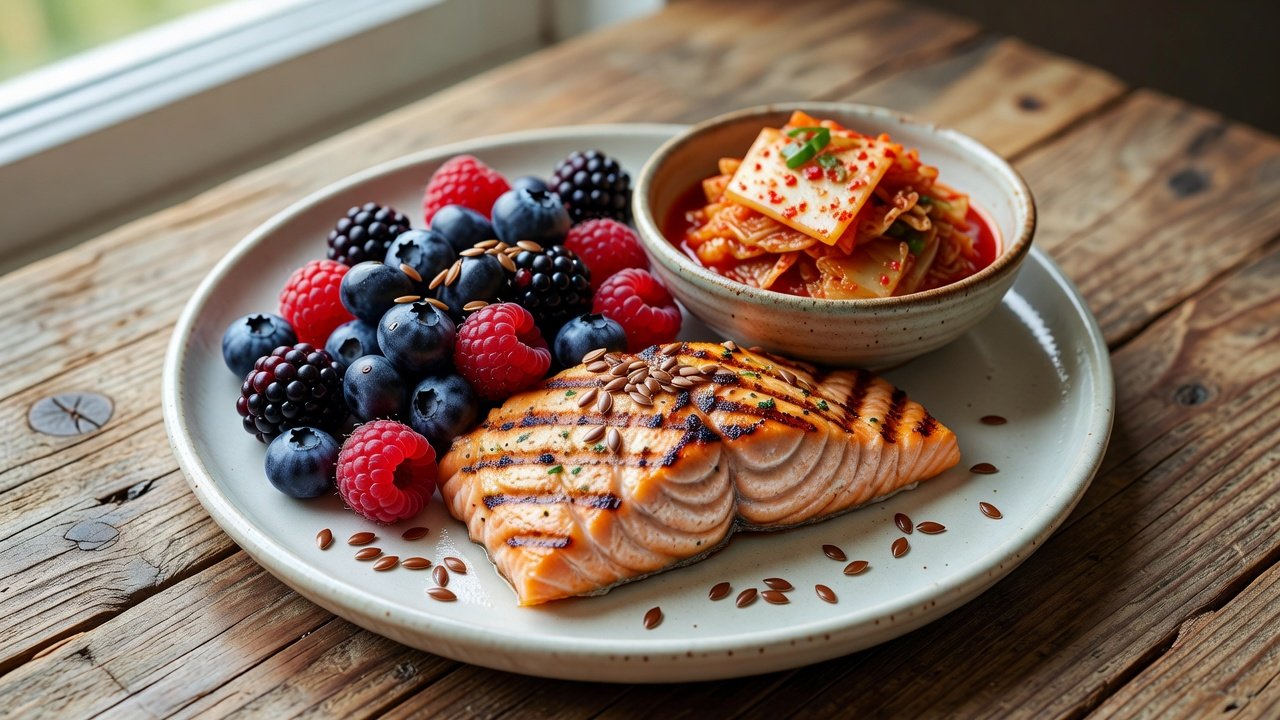
- Lunch: Grilled salmon salad with olive oil dressing, leafy greens, cherry tomatoes, and a side of kimchi to blend anti-inflammatory fats with fermented vegetables.
- Dinner: Lentil soup paired with green tea and a side of sauerkraut, delivering plant polyphenols, additional probiotics, and fiber for gut health.
- Snack: Dark chocolate (70% cacao) and an apple alongside a small kefir smoothie for a polyphenol and probiotic boost without excess calories.
- Alternative full day: Begin with a berry smoothie, enjoy a tuna and avocado wrap at midday, and finish with miso-glazed eggplant and a probiotic drink in the evening.
Food Sources Versus Extracts: Key Comparisons
Whole foods provide fiber, additional micronutrients, and natural matrices that enhance absorption. Extracts offer concentrated doses but may lack synergistic effects. 2026 analyses recommend prioritizing food sources for sustainable benefits, reserving extracts for specific deficiencies under professional guidance. Food sources also deliver phytonutrient interactions that extracts often isolate, leading to broader metabolic support. Individuals report better long-term adherence when focusing on enjoyable meals rather than capsules.
Addressing Common Questions on Dosing, Synergies, and Outcomes
Dosing Guidelines
Evidence supports 1-2 servings of polyphenol-rich produce daily, 250-500 mg combined EPA/DHA from food or supplements, and 1-2 servings of probiotic foods. Individual needs vary; consult a healthcare provider for personalization. Gradual increases help minimize digestive adjustment periods common with higher fiber and fermented food intake.
Synergies Between Compounds
Combining polyphenols with omega-3s may amplify anti-inflammatory effects, while probiotics enhance polyphenol metabolism in the gut. Layering these through meals, such as pairing fatty fish with berry-based sides and fermented accompaniments, creates cumulative advantages for cellular health and inflammation control.
Measurable Outcomes
Trackable markers include improved energy levels, better digestion, and routine bloodwork showing reduced inflammation. Long-term adherence yields the strongest results according to longitudinal data. Many people notice enhanced skin elasticity and joint comfort within three to six months of consistent functional eating.
Mistakes to Avoid When Building Longevity-Focused Routines
Common pitfalls include over-relying on supplements instead of whole foods, ignoring portion balance which can lead to excess calorie intake, and neglecting variety by repeating the same few ingredients daily. Another frequent error is overlooking preparation methods that preserve bioactive compounds, such as avoiding prolonged high-heat cooking of delicate polyphenols. World Health Organization nutrition guidelines stress balanced, diverse diets over isolated nutrient focus.
Conclusion
Integrating longevity-focused superfoods into routines offers evidence-based support for healthy aging. Focus on consistent whole-food patterns rather than isolated trends for optimal functional eating outcomes. Small, repeatable changes compound over time to support both lifespan and quality of life.
No comments yet. Be the first!