 Func Eats
Introduction to Functional Breakfast Bowls for Longevity
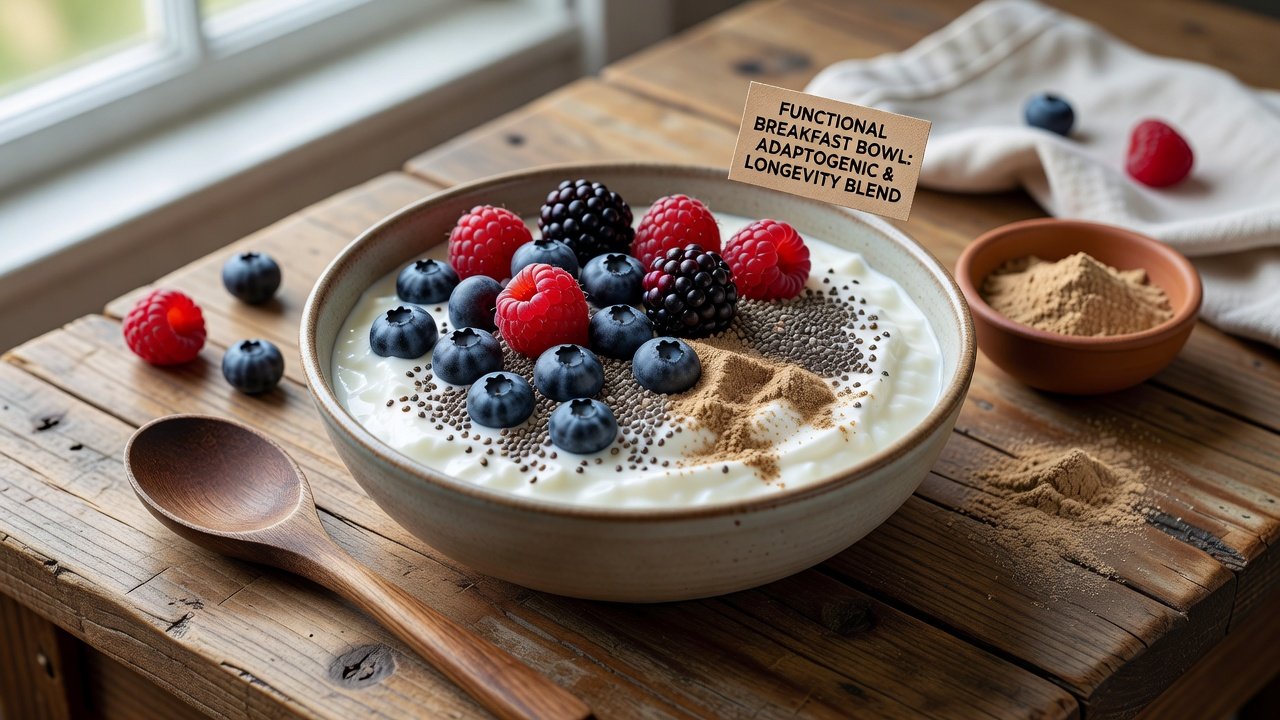
Breakfast bowls have evolved from simple meals into powerful tools for supporting longevity. By strategically combining ingredients rich in bioactive compounds, these bowls can influence cellular repair mechanisms, gut microbiome diversity, and hormonal balance. The approach draws from ongoing research into nutrition and aging, allowing individuals to address multiple aspects of health in one customizable dish. Whether the goal is extending healthspan or optimizing daily energy, the format provides flexibility for consistent implementation throughout 2026.
Bioactive Compounds and Their Role in Longevity
Bioactive compounds including polyphenols, flavonoids, and omega-3 fatty acids play key roles in modulating gene expression and reducing oxidative stress at the cellular level. These molecules interact with pathways such as Nrf2 and sirtuins, which are associated with improved mitochondrial function and reduced inflammation. National Institutes of Health resources provide extensive documentation on how regular dietary intake of these compounds correlates with better health outcomes over decades. Customizing breakfast bowls enables precise control over daily exposure without requiring specialized supplements or complex cooking techniques.
Berry and Seed Combinations for Cellular Repair
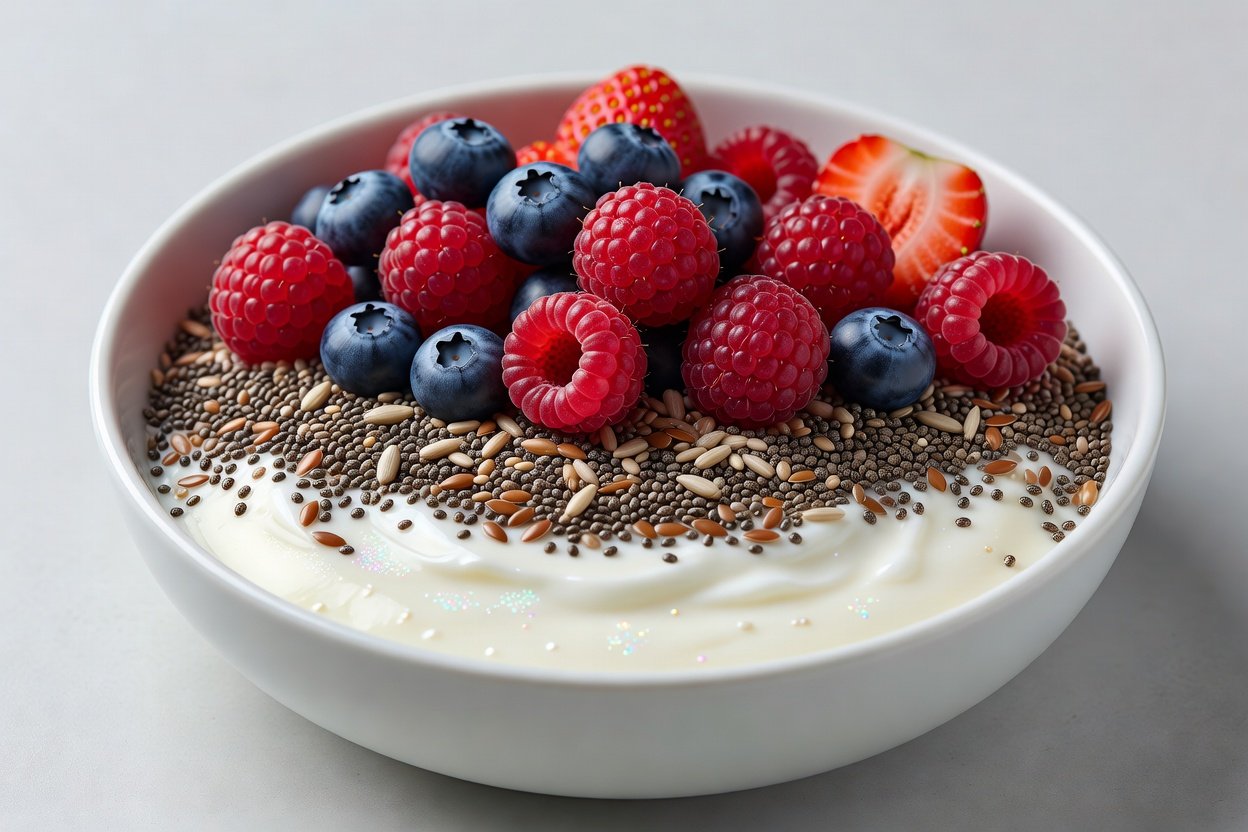
Berries deliver concentrated anthocyanins and other polyphenols that activate protective cellular responses. Blueberries, for instance, contain pterostilbene, which supports autophagy processes essential for clearing damaged proteins. Strawberries and blackberries add ellagic acid and additional flavonoids that complement these effects. Pairing them with seeds amplifies benefits: chia seeds contribute omega-3 alpha-linolenic acid while flaxseeds provide lignans that influence estrogen metabolism favorably. A practical combination uses one cup of mixed fresh or frozen berries alongside two tablespoons of ground seeds. This ratio supplies sufficient fiber for sustained energy release while delivering targeted compounds for DNA protection and repair. Rotating berry varieties weekly prevents adaptation and maintains broad phytonutrient diversity.
Fermented Add-ins for Microbiome Support
Fermented ingredients introduce live cultures and metabolites that strengthen intestinal barrier function. Kefir offers a broad spectrum of bacterial strains, while plant-based options like coconut yogurt with added probiotics or miso paste provide similar benefits for those avoiding dairy. These additions produce short-chain fatty acids that nourish colon cells and regulate systemic inflammation. Begin with a half-cup serving to allow the digestive system to adjust. Over time, consistent inclusion supports better nutrient absorption from other bowl components, creating a synergistic effect that extends beyond basic nutrition. Research from global health organizations underscores the importance of microbiome diversity for long-term disease prevention.
Adaptogenic Toppings for Stress Reduction
Adaptogens such as ashwagandha, maca root, and reishi mushroom extracts help modulate the hypothalamic-pituitary-adrenal axis. Regular use can lower elevated cortisol levels that contribute to accelerated aging. A single teaspoon sprinkled over the finished bowl integrates seamlessly with other flavors. These compounds also support cognitive resilience, making them valuable for individuals managing demanding schedules. Cycle different adaptogens every four to six weeks to maintain sensitivity and avoid diminishing returns. When combined with the antioxidant base of berries and seeds, the overall bowl becomes a comprehensive morning protocol for both physical repair and mental equilibrium.
5-Day Customization Template with Portions and Timing
Day 1 focuses on foundational repair: half-cup rolled oats as base, three-quarters cup mixed blueberries and strawberries, one tablespoon each chia and flax seeds, half-cup plain kefir, and one teaspoon ashwagandha. Consume within thirty minutes of waking to align with natural cortisol rhythms. Day 2 shifts to quinoa for complete protein: three-quarters cup cooked quinoa, three-quarters cup strawberries, one tablespoon flax, half-cup Greek yogurt, and one teaspoon maca. This variation suits higher activity days. Day 3 incorporates buckwheat for gluten-free variety: half-cup cooked buckwheat, three-quarters cup raspberries, one tablespoon pumpkin seeds, quarter-cup sauerkraut, and one teaspoon reishi. Day 4 uses millet with blackberries, hemp seeds, kefir, and rhodiola for sustained focus. Day 5 repeats a preferred combination while introducing a new berry type. Nutrient timing emphasizes eating before 10 a.m. on most days to optimize metabolic flexibility. Adjust portions upward by twenty-five percent on training days for additional fuel needs.
Absorption Rates: Fats Versus Proteins
Fat-soluble compounds from berries and seeds show markedly higher bioavailability when paired with dietary fats. Adding one tablespoon of avocado or almond butter can increase carotenoid and polyphenol uptake by three to five times compared with protein-dominant versions. Proteins such as Greek yogurt or cottage cheese stabilize post-meal glucose but may slightly delay polyphenol absorption due to slower gastric emptying. The optimal strategy combines both: include a small fat source alongside moderate protein to balance absorption kinetics and satiety. Practical testing shows that bowls containing both elements maintain steady energy for four to six hours, whereas fat-only or protein-only versions produce earlier hunger signals. Monitoring individual responses helps refine the ratio over successive weeks.
Practical Portion Guidelines and Weekly Prep Strategies
Scaling recipes for five days requires separating components to preserve freshness. Prepare dry bases like oats or grains in bulk on Sunday, then portion into containers. Keep berries frozen and add daily, while fermented items and adaptogens stay refrigerated until serving. This method prevents texture degradation and maintains bioactive potency. Beginners should start with single servings and increase gradually to avoid digestive overload from high fiber and probiotic content. Tracking energy, sleep quality, and digestion provides feedback for fine-tuning.
FAQ: Common Mistakes Beginners Make When Scaling Recipes
- Overloading portions leads to spoilage; prepare bases separately and add fresh toppings daily to maintain quality.
- Ignoring rotation of adaptogens reduces effectiveness; cycle varieties every four to six weeks for continued benefits.
- Skipping fermented items diminishes microbiome support; always include at least one source in every bowl.
- Using high-heat storage destroys delicate compounds; refrigerate prepared components and consume within three days.
- Neglecting hydration when increasing fiber intake can cause discomfort; pair each bowl with twelve to sixteen ounces of water.
- Failing to track individual tolerances may result in unexpected reactions; introduce one new ingredient at a time during the first week.
Conclusion
Customizing functional breakfast bowls integrates evidence-based longevity principles into a repeatable daily practice. Through deliberate selection of berries, seeds, fermented foods, and adaptogens, these meals deliver targeted support for cellular repair, gut health, and stress resilience. Consistent application, combined with attention to portioning and timing, creates sustainable habits that compound over months and years.

No comments yet. Be the first!