 Func Eats
Introduction to Functional Foods for Longevity
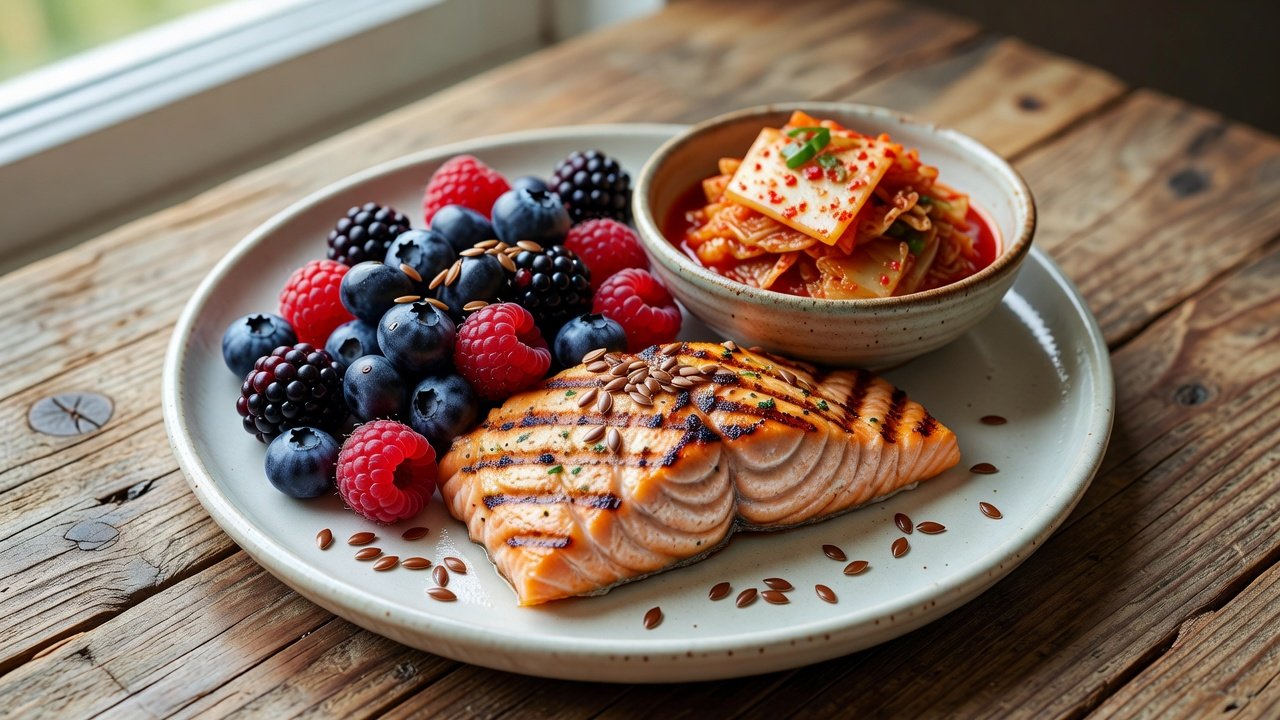
In 2026, research continues to highlight how specific bioactive compounds in everyday foods can promote healthy aging by supporting cellular repair and mitigating oxidative stress. Functional foods go beyond basic nutrition, offering targeted benefits through natural mechanisms that help maintain vitality over time. This guide focuses on evidence-based meal ideas centered around polyphenol-rich berries, omega-3 sources, and fermented ingredients to help integrate these into daily routines effectively. Understanding these foods allows individuals to make informed choices that align with current longevity science, emphasizing whole-food sources rather than isolated nutrients.
Understanding Key Bioactive Compounds
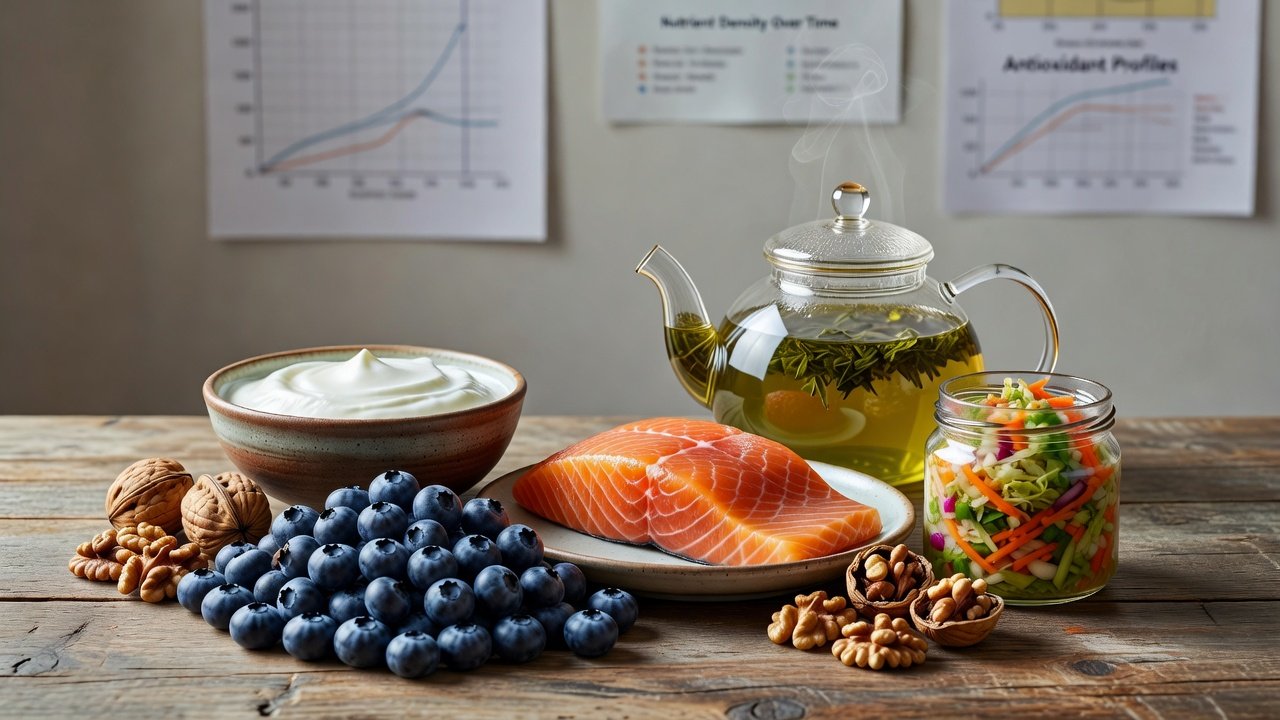
Polyphenols found in berries act as powerful antioxidants that neutralize free radicals, reducing oxidative stress linked to aging processes. Omega-3 fatty acids from sources like fatty fish support cell membrane integrity and lower inflammation markers. Fermented ingredients provide probiotics and bioactive peptides that enhance gut health, indirectly aiding systemic repair and immune function. National Institutes of Health resources emphasize these mechanisms in ongoing longevity studies. These compounds work synergistically: polyphenols combat cellular damage directly, omega-3s maintain structural integrity, and fermented foods optimize the microbiome for better nutrient utilization and reduced chronic inflammation.
Polyphenol-Rich Berries and Their Mechanisms
Berries such as blueberries, strawberries, blackberries, and raspberries deliver anthocyanins and other polyphenols that combat oxidative damage at the cellular level. Studies show these compounds activate pathways like Nrf2, which boosts the body's antioxidant defenses and supports mitochondrial health. Specific examples include wild blueberries with higher anthocyanin concentrations than cultivated varieties. Aim for 1-2 cups daily to achieve meaningful intake without excess calories. Practical integration involves adding them fresh to oatmeal or blending into smoothies for sustained energy.
Omega-3 Sources for Cellular Support
Fatty fish like salmon, sardines, and mackerel, along with plant options such as flaxseeds, chia seeds, and walnuts, supply EPA and DHA omega-3s. These fats integrate into cell membranes, improving fluidity and reducing pro-inflammatory signals. Regular consumption helps maintain mitochondrial function critical for energy production during aging. For instance, incorporating two servings of fish weekly or daily handfuls of seeds provides consistent support without requiring complex recipes.
Fermented Ingredients and Oxidative Stress Reduction
Foods like yogurt, kefir, sauerkraut, kimchi, and miso deliver live cultures and metabolites that modulate gut microbiota. This supports reduced systemic inflammation and enhanced nutrient absorption, key for longevity. Preparation is simple: choose plain, unsweetened varieties or ferment vegetables at home using basic brine methods with cabbage, salt, and spices. These ingredients also contribute to better digestion, which indirectly aids the absorption of other bioactive compounds from berries and seeds.
Three Sample Daily Meal Plans
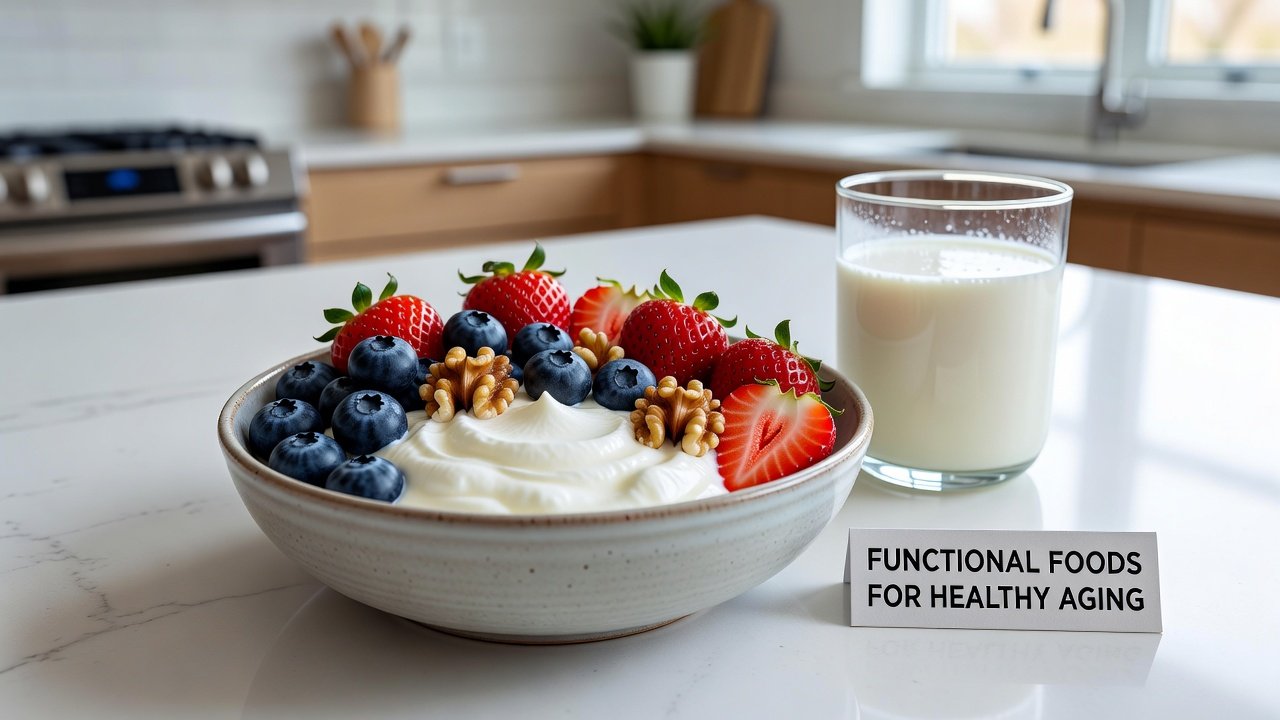
Here are practical 2026-aligned meal plans incorporating these foods. Each emphasizes whole ingredients and balanced portions with easy preparation.
Meal Plan 1: Berry-Focused Start
- Breakfast: Greek yogurt with 1 cup mixed berries and a sprinkle of flaxseeds (preparation: mix and enjoy chilled; add a few walnuts for crunch).
- Lunch: Grilled salmon salad with leafy greens, olive oil drizzle, and cherry tomatoes (portion: 4-6 oz fish, grilled 8-10 minutes).
- Dinner: Stir-fried vegetables with kimchi side and quinoa (simple prep: quick sauté in minimal oil for 5 minutes).
- Snack: Handful of strawberries with a small serving of kefir.
Meal Plan 2: Omega-3 Emphasis
- Breakfast: Overnight oats with walnuts, strawberries, and chia seeds (prep: soak oats overnight in milk alternative).
- Lunch: Sardine toast on whole-grain bread with fermented pickles and avocado (assemble in under 5 minutes).
- Dinner: Baked mackerel with quinoa, steamed broccoli, and blueberry compote (bake fish at 400°F for 12 minutes).
- Snack: Apple slices with a tablespoon of ground flax.
Meal Plan 3: Fermented Integration
- Breakfast: Kefir smoothie with blackberries and a scoop of flaxseeds (blend for 30 seconds).
- Lunch: Tempeh bowl with sauerkraut, mixed greens, and omega-3 seeds (pan-sear tempeh 3 minutes per side).
- Dinner: Lentil soup topped with fresh herbs and a side of plain yogurt (simmer lentils 25 minutes).
- Snack: Small bowl of kimchi with carrot sticks.
Portion Comparisons for Optimal Intake
Compare daily targets: 150g berries versus 200g for general fruit servings to prioritize polyphenol density without added sugars. Omega-3 portions of 100-150g fish twice weekly or 30g seeds daily match recommendations better than larger single servings that may lead to excess calories. Fermented foods at 100-200g daily provide probiotic benefits without digestive overload. These comparisons help tailor meals to individual needs while maximizing bioactive delivery, such as choosing smaller but denser portions of wild berries over larger cultivated ones.
Simple Preparation Steps and Routine Integration
Start small by adding berries to breakfast or swapping one protein source for fatty fish weekly. Fermenting at home involves submerging vegetables in salt water for 3-7 days at room temperature, checking daily for bubbles. Track integration by noting energy levels or digestion improvements over weeks. World Health Organization guidelines on balanced diets support consistent, varied intake for sustained benefits. Additional tips include batch-prepping fermented items on weekends and freezing extra berries for year-round use.
How to Track Benefits Over Time
Monitoring progress involves simple methods like keeping a food journal noting daily intake of target foods alongside subjective markers such as sleep quality, joint comfort, or mental clarity. Blood tests for inflammation markers every 3-6 months can provide objective data when discussed with a healthcare provider. Many people observe gradual shifts in digestion within the first month and sustained energy improvements by month three when following these meal patterns consistently.
Common Mistakes to Avoid
Avoid over-relying on one food group, such as eating only berries without balancing omega-3s or fermented items. Another pitfall is choosing sweetened versions of yogurt or kefir, which can counteract benefits. Ensure variety by rotating berry types and fish species to cover a broader nutrient profile. Finally, do not skip preparation planning, as last-minute choices often lead to missing bioactive-rich ingredients.
Conclusion
By focusing on these functional foods through structured meal planning, individuals can actively support longevity pathways in 2026. Consistent application of these evidence-based ideas fosters cellular health and resilience against oxidative stress while fitting seamlessly into everyday routines.
FAQ
How long until benefits appear?
Many notice subtle improvements in energy or digestion within 4-8 weeks of consistent intake, though cellular changes accumulate over months with ongoing adherence.
Can these foods replace medical advice?
No, they complement but do not replace professional healthcare; consult a doctor for personalized longevity strategies and monitoring.
What if I dislike certain textures?
Blend berries into smoothies or use fermented ingredients in dressings and sauces to improve palatability while retaining full benefits.
Are there seasonal considerations for sourcing?
Fresh berries peak in summer but frozen options maintain polyphenol levels year-round; opt for sustainable fish sources regardless of season for consistent omega-3 intake.
No comments yet. Be the first!