 Func Eats
Introduction to Functional Foods for Eye Health
In 2026, interest in functional foods for eye health has surged as people seek natural, evidence-based strategies to safeguard vision and mitigate risks of age-related conditions such as macular degeneration and cataracts. These foods deliver concentrated bioactive compounds that actively combat oxidative stress within ocular tissues, promoting retinal integrity and overall visual performance. Unlike general wellness approaches, this focus targets specific mechanisms that protect delicate eye structures from daily environmental stressors like blue light exposure and free radical damage.
Bioactive nutrients including lutein, zeaxanthin, and omega-3 fatty acids play central roles by neutralizing harmful molecules and supporting cellular repair. This comprehensive guide examines the underlying science, highlights top superfoods, compares dietary sources with supplements, and provides actionable integration strategies complete with recipes and trend insights relevant to contemporary functional eating patterns.
Understanding the Mechanisms of Key Bioactive Compounds
Lutein and zeaxanthin belong to the carotenoid family and accumulate preferentially in the macula lutea, where they function as potent antioxidants and optical filters. These compounds absorb high-energy visible light wavelengths, reducing phototoxic damage to photoreceptor cells while simultaneously quenching reactive oxygen species generated by metabolic processes. Their presence helps maintain macular pigment density, a marker directly linked to sharper central vision and lower incidence of degenerative changes.
Omega-3 polyunsaturated fatty acids, especially docosahexaenoic acid (DHA) and eicosapentaenoic acid (EPA), integrate into retinal cell membranes to preserve fluidity and signaling efficiency. They also modulate inflammatory pathways by serving as precursors to specialized pro-resolving mediators, which help resolve chronic low-grade inflammation that can impair tear film stability and contribute to dry eye symptoms. Long-term observational data from sources such as the National Institutes of Health consistently associate higher dietary intakes with preserved visual function across aging populations.
Top Superfoods Delivering Vision-Supportive Bioactives
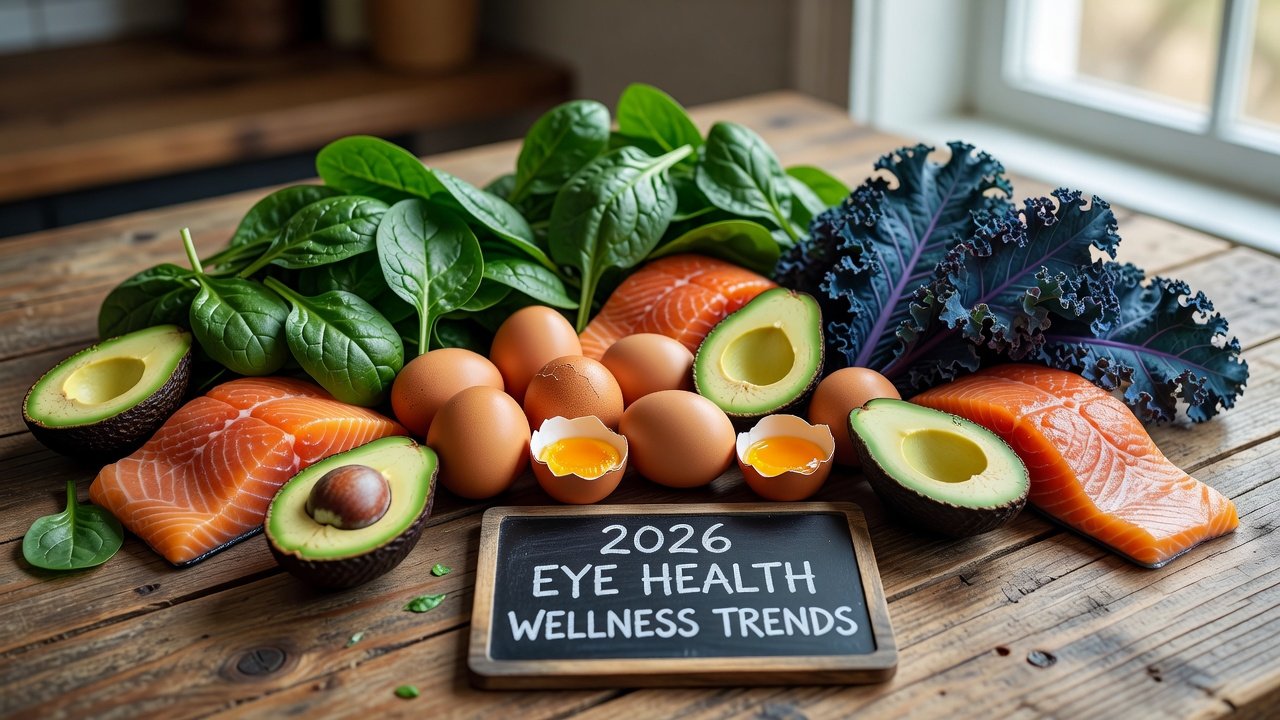
Several everyday foods stand out for their dense concentrations of these protective compounds. Dark leafy greens like spinach, kale, and collard greens supply substantial lutein and zeaxanthin, often exceeding 10 milligrams per cooked cup when prepared with minimal water loss. Fatty fish such as wild salmon, mackerel, and sardines provide 1–2 grams of combined EPA and DHA per serving, supporting membrane health and reducing ocular inflammation. Pasture-raised eggs offer highly bioavailable lutein due to their lipid matrix, with one large yolk containing approximately 0.25 milligrams that absorbs efficiently alongside dietary fats.
Additional contributors include avocados, which pair carotenoids with monounsaturated fats for enhanced uptake, and a variety of colorful produce such as kiwi, green grapes, and broccoli that deliver complementary flavonoids. Incorporating a rotation of these items ensures broad nutrient coverage without monotony.
Comparing Daily Food Sources with Supplements
Whole-food sources generally outperform isolated supplements because they supply synergistic phytonutrients, fiber, and healthy fats that amplify bioavailability and provide broader health benefits. For instance, consuming spinach sautéed in olive oil increases lutein absorption by up to fourfold compared with raw consumption or pill forms lacking co-factors. Food matrices also reduce the risk of over-supplementation and potential interactions with medications.
Supplements remain useful for individuals with absorption challenges, dietary limitations, or higher therapeutic needs, yet quality varies widely and third-party verification is essential. In 2026 functional eating trends, experts recommend prioritizing colorful, minimally processed meals first and reserving targeted supplements for specific gaps identified through professional assessment. This food-first philosophy aligns with guidelines from organizations like the Mayo Clinic, which emphasize dietary patterns over single-nutrient interventions for sustained eye health outcomes.
Three-Step Plan for Seamless Daily Integration
- Begin each morning with a nutrient-dense breakfast by blending spinach or kale into smoothies alongside avocado or a whole egg, delivering immediate lutein and healthy fats that prime absorption throughout the day.
- Structure lunch and dinner around fatty fish at least twice weekly while building salads or grain bowls with generous portions of leafy greens, avocado, nuts, and seeds to accumulate zeaxanthin and omega-3s consistently.
- Choose afternoon or evening snacks that reinforce intake, such as hard-boiled eggs paired with fruit or vegetable sticks dipped in tahini, maintaining steady carotenoid levels without requiring extra planning or cooking time.
Practical Recipe Examples for Everyday Meals
A simple yet effective lutein-rich breakfast is a spinach and herb omelet: wilt two cups of fresh spinach in a teaspoon of olive oil, pour in two beaten eggs seasoned with black pepper and fresh basil, and cook until set. Serve alongside sliced kiwi for additional antioxidants. This 10-minute preparation combines bioactives with fats that optimize uptake.
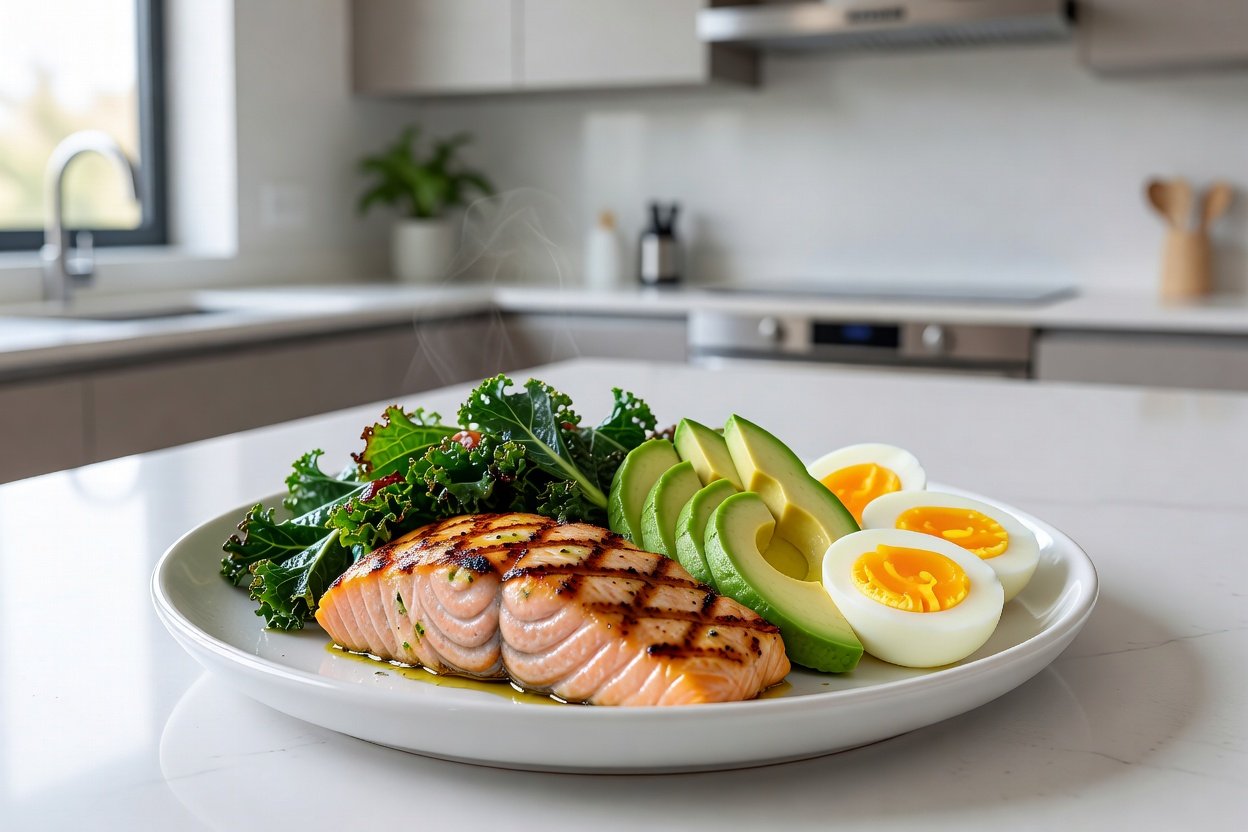
For lunch, prepare a salmon kale bowl by grilling a four-ounce fillet of salmon and arranging it over a bed of massaged kale tossed with lemon-tahini dressing, topped with half an avocado and a sprinkle of pumpkin seeds. The omega-3 content from the fish synergizes with the kale’s carotenoids to create a complete eye-supportive meal.
An evening snack option includes deviled eggs made with mashed yolks mixed with Greek yogurt and chopped chives, accompanied by a handful of green grapes. Each recipe scales easily for family meals and fits within 2026 preferences for quick, nutrient-dense preparations that require minimal equipment.
Common Mistakes to Avoid When Focusing on Eye-Health Foods
One frequent error involves overcooking leafy greens, which can degrade heat-sensitive carotenoids; instead, lightly steam or sauté for five minutes or less. Another pitfall is neglecting fat pairing, as carotenoids are fat-soluble and require co-consumption with sources like nuts, seeds, or oils for meaningful absorption. Individuals sometimes rely exclusively on supplements while ignoring variety in produce, missing the synergistic effects of multiple compounds found only in whole foods. Finally, inconsistent intake undermines benefits; aim for daily inclusion rather than sporadic large servings to maintain macular pigment levels steadily.
Emerging 2026 Trends in Functional Eye-Health Eating
Current patterns include the rise of personalized nutrition platforms that analyze dietary carotenoid intake via smartphone photos of meals and suggest adjustments. Seasonal and locally sourced produce is prioritized for peak nutrient density, while fortified staples such as omega-3-enriched eggs and plant-based milks make meeting targets more convenient. Interest also grows in combining eye-supportive foods with other functional categories in balanced plates, reflecting a holistic yet targeted approach to preventive nutrition.
Frequently Asked Questions
How does bioavailability influence the effectiveness of eye-health nutrients?
Bioavailability depends heavily on food matrix and preparation; studies show that consuming carotenoids with dietary fat can increase absorption several times over, according to resources at the National Institutes of Health.
Can functional foods fully replace professional eye care?
These foods support prevention and maintenance but cannot substitute for regular comprehensive eye examinations or prescribed treatments from licensed ophthalmologists.
What options exist for people with dietary restrictions such as veganism?
Plant-based alternatives including microalgae-derived DHA supplements, fortified plant milks, and increased portions of leafy greens and avocados can approximate benefits when animal sources are excluded.
How long does it take to notice benefits from dietary changes?
Improvements in macular pigment density may become measurable within three to six months of consistent intake, though individual results vary based on baseline diet and genetics.
Are there any interactions with common medications?
Most eye-health foods are safe, but high-dose omega-3 intake can affect blood clotting; consult a healthcare provider before making major dietary shifts if taking anticoagulants.
Conclusion
Adopting functional foods rich in lutein, zeaxanthin, and omega-3 fatty acids represents a practical, research-supported strategy for protecting vision and countering oxidative stress in 2026. Through deliberate meal planning, simple recipes, and awareness of absorption principles, individuals can integrate these bioactives effectively into daily routines. Prioritizing whole-food sources alongside professional guidance delivers lasting advantages for eye health and overall wellness.

No comments yet. Be the first!