 Func Eats
Introduction to Functional Foods Across Cultures
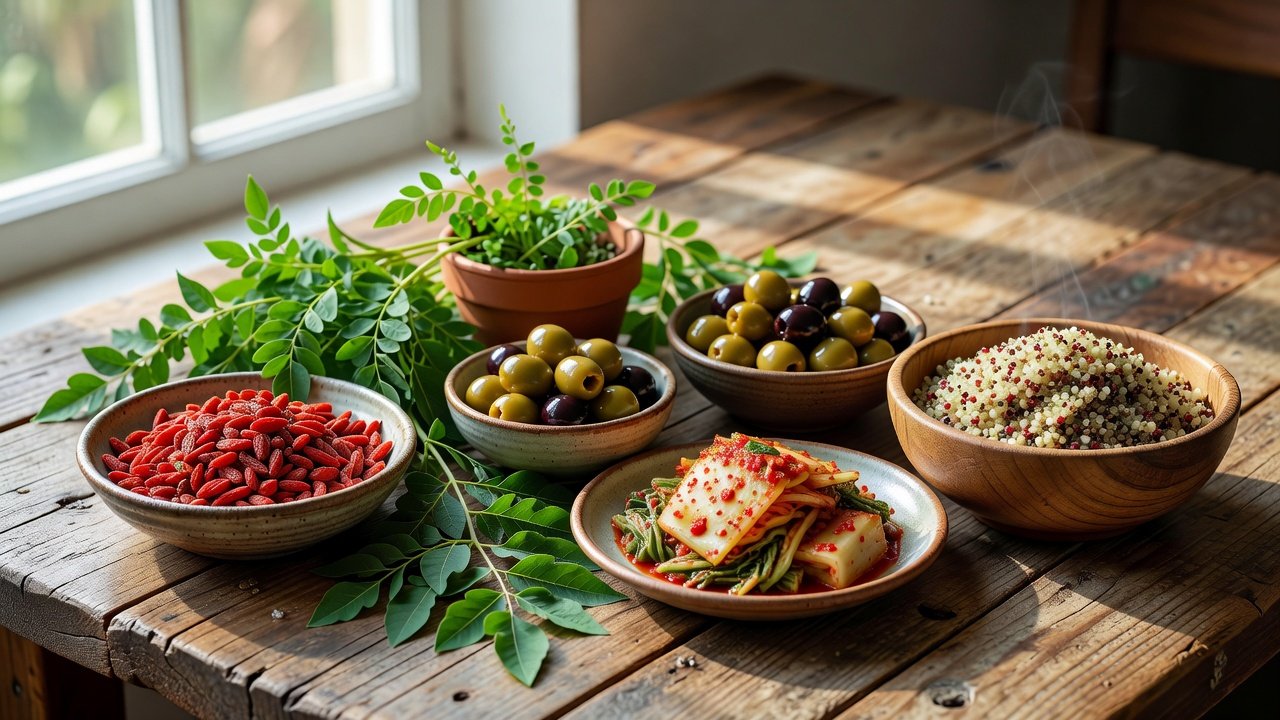
Functional foods deliver health benefits beyond basic nutrition through bioactive compounds like antioxidants, polyphenols, and probiotics. This comprehensive guide examines traditions from Asia, the Mediterranean, Africa, and Latin America, showing how ingredients such as moringa, goji berries, and fermented staples support wellness when incorporated into everyday routines. Readers seeking authentic ways to add variety to daily meals will find detailed step-by-step methods, in-depth regional nutrient comparisons, expanded practical recipes, sourcing advice, and evidence-based insights that make global superfoods accessible and effective for modern diets.
Traditional diets worldwide emphasize whole ingredients that modern science now links to reduced inflammation, better gut health, and improved immunity. Incorporating these into contemporary cooking preserves cultural authenticity while enhancing nutritional diversity without requiring expensive supplements. By understanding the unique bioactive profiles from each region, home cooks can create balanced plates that draw from centuries of accumulated wisdom.
Asian Traditions: Goji Berries and Fermented Staples
Asian cuisines highlight goji berries, rich in zeaxanthin, polysaccharides, and vitamin C, alongside fermented items like kimchi, miso, and natto. These provide probiotics that support gut microbiome diversity and may aid digestion. Goji berries contain unique compounds studied for their potential in eye health and immune modulation. In Chinese and Korean traditions, goji berries are often simmered in teas or added to congee for sustained energy.
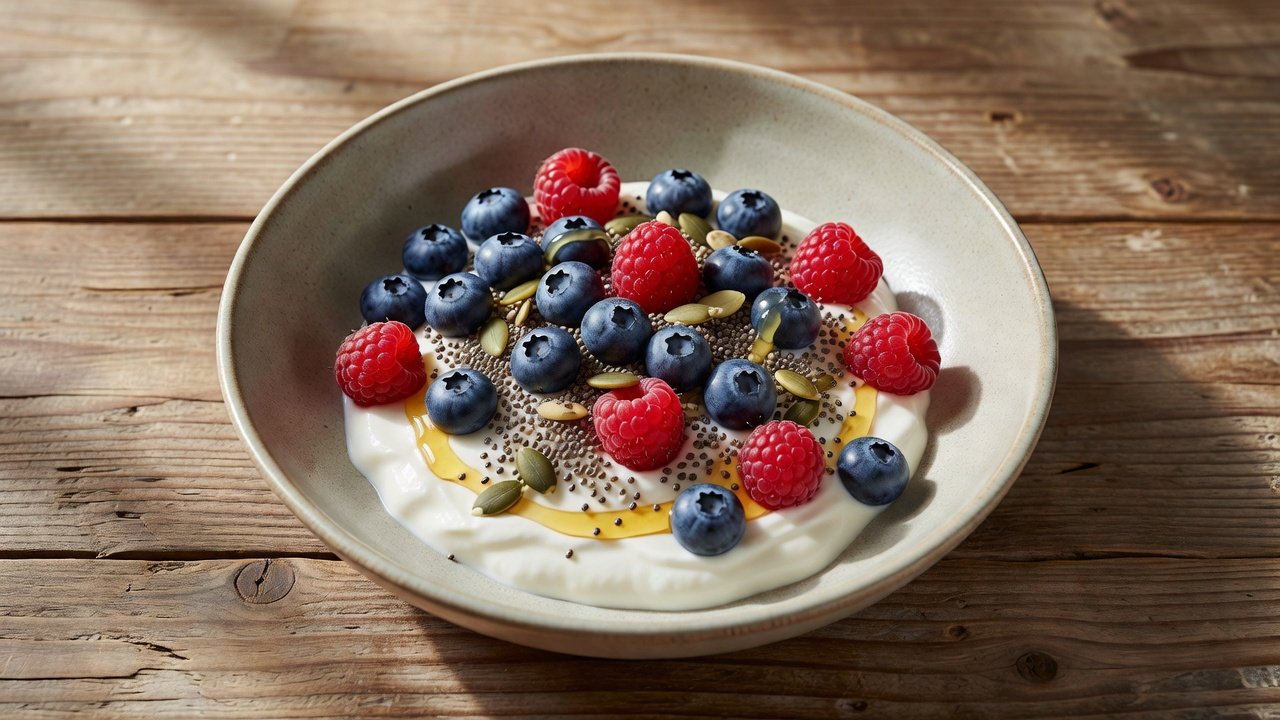
To integrate effectively: Soak dried goji berries in warm water for 10 minutes to rehydrate, then add to oatmeal, smoothies, or yogurt parfaits. For fermented staples, begin with small portions of kimchi mixed into rice bowls or stir-fries to allow the palate and digestive system to adjust gradually. Over four to six weeks, increase amounts while monitoring tolerance. Nutrient profiles show Asian options often excel in carotenoids and certain B vitamins compared to other regions, making them ideal for vision and skin support.
Mediterranean Approaches: Olive-Derived Bioactives and Herbs
The Mediterranean diet features olive oil polyphenols such as oleuropein and herbs like oregano, rosemary, and thyme. These compounds exhibit notable anti-inflammatory and cardiovascular protective properties. Extra-virgin olive oil, when paired with vegetables, enhances absorption of fat-soluble nutrients like lycopene and beta-carotene. Traditional preparations include using olive oil as a finishing drizzle and incorporating fresh herbs into marinades or pestos.
Practical steps include selecting cold-pressed olive oil with recent harvest dates for maximum polyphenol content and growing a small herb garden for daily use. Comparisons reveal Mediterranean foods provide higher monounsaturated fats and specific phenolic compounds than many African or Latin staples, contributing to the region's well-documented longevity patterns.
Resources from World Health Organization emphasize balanced diets incorporating such traditional patterns for long-term health outcomes across populations.
African Heritage: Moringa and Indigenous Superfoods
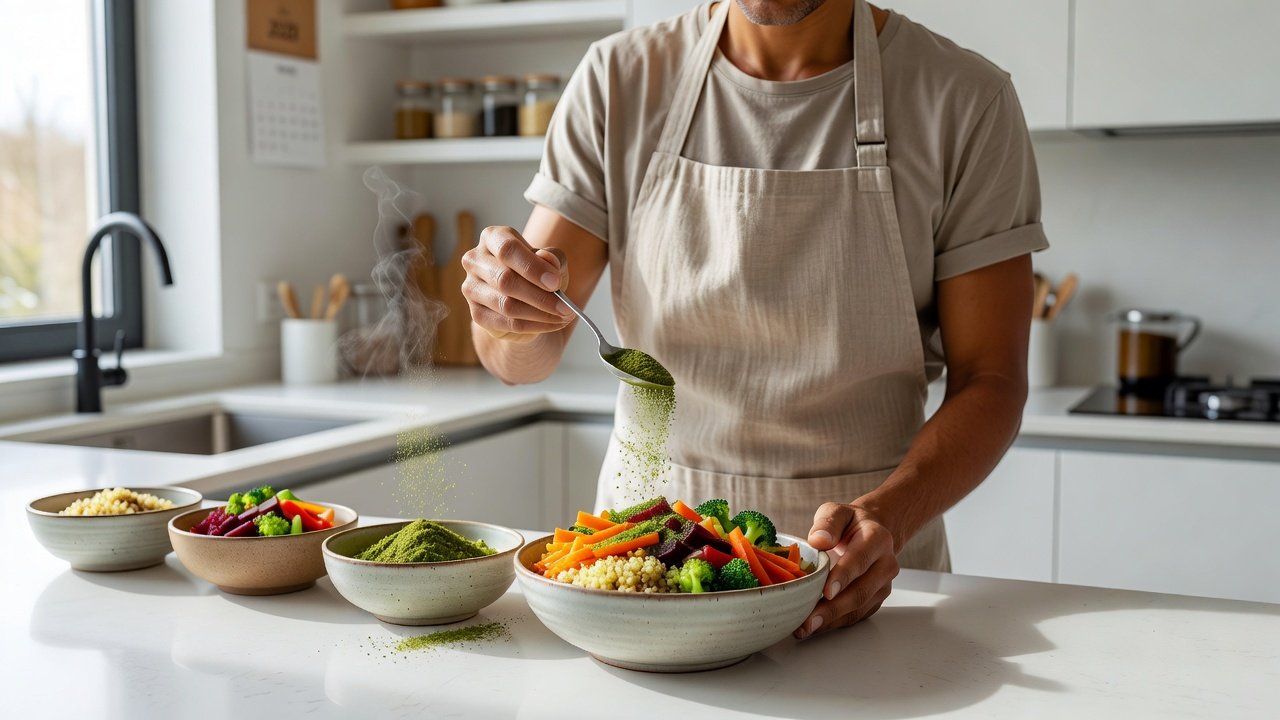
Moringa leaves offer exceptionally high levels of vitamins A, C, and K plus iron, calcium, and antioxidants. Common in West and East African dishes such as stews and leaf-based sauces, moringa supports energy levels and immune function. Preparation involves drying leaves into powder for easy addition to soups, teas, or baked goods. Other regional superfoods include baobab fruit for vitamin C and hibiscus for its tart flavor and potential blood pressure benefits.
- Harvest or source fresh moringa leaves and blanch briefly to preserve nutrients.
- Grind into fine powder and store in airtight, dark containers away from moisture.
- Add one teaspoon daily to smoothies, lentil soups, or scrambled eggs for seamless integration.
- Combine with ginger and lemon in teas for enhanced flavor and digestive support.
- Experiment with moringa in baked goods like muffins to introduce children to the ingredient gradually.
Nutrient comparisons place moringa ahead in mineral density versus goji berries in several metrics, particularly iron and calcium content.
Latin American Traditions: Fermented and Plant-Based Staples
Latin American cuisines utilize ingredients like quinoa, amaranth, and fermented corn products such as pozol or tepache. These deliver complete proteins, prebiotic fibers, and antioxidants. Quinoa provides all nine essential amino acids along with magnesium and fiber. Fermented maize drinks offer probiotic benefits similar to Asian ferments but with distinct flavor profiles from local spices.
Integration method: Rinse quinoa thoroughly under cold water to remove bitterness, then cook in vegetable broth with cumin and garlic for enhanced flavor. Combine with black beans, avocado, and fresh salsa for balanced meals rich in protein and healthy fats. Regional profiles highlight strong fiber and magnesium content, supporting sustained energy and digestive regularity.
Step-by-Step Integration Methods for Home Cooks
- Assess your current diet by tracking meals for one week to identify gaps in antioxidants, probiotics, or minerals.
- Source quality ingredients from reputable suppliers, prioritizing organic certifications and transparent origin information.
- Begin with one new functional food weekly to monitor personal tolerance and avoid digestive overwhelm.
- Experiment with cross-cultural fusions, such as adding moringa powder to Mediterranean-style salads or goji berries to Latin quinoa bowls.
- Prepare larger batches of fermented items at home using simple starter cultures to control sodium levels and customize flavors.
- Track energy levels, digestion, and overall well-being over four to eight weeks using a simple journal.
- Adjust portion sizes based on seasonal availability and personal health goals, consulting a nutrition professional when needed.
Expanded meal ideas include goji berry overnight oats with almond butter, moringa-spiced lentil soup served with whole-grain bread, quinoa-stuffed bell peppers drizzled with olive oil and fresh oregano, and a fermented vegetable platter featuring kimchi alongside pickled onions for Latin flair.
Nutrient Profile Comparisons Across Regions
Asian superfoods lead in carotenoids and certain polysaccharides that support eye and immune health. Mediterranean selections stand out for monounsaturated fats and phenolic compounds linked to heart health. African ingredients like moringa provide superior mineral density, especially iron and calcium. Latin American staples excel in complete plant proteins and resistant starches that promote gut health. These differences allow complementary use across meals for well-rounded nutrient intake throughout the week.
Evidence-Based Health Outcomes and FAQs
Peer-reviewed studies associate regular consumption of these bioactive-rich foods with improved metabolic markers, reduced oxidative stress, and better microbiome diversity, although individual results vary based on overall lifestyle. Always consult healthcare professionals for personalized recommendations.
Common Questions Addressed
How do I source authentic ingredients without high costs? Visit local ethnic markets, farmers' markets, or online retailers that offer bulk options; many items like dried goji berries and moringa powder remain affordable year-round.
What evidence supports the claimed benefits? Research compiled by organizations such as Food and Agriculture Organization links traditional functional foods to measurable antioxidant activity and nutrient density in population studies.
Are there preparation mistakes to avoid? Overcooking or excessive heat can degrade bioactive compounds; prefer gentle methods like steaming, soaking, or raw incorporation where appropriate.
How long before noticing benefits? Most people report subtle improvements in digestion and energy within three to six weeks of consistent inclusion, though results depend on diet quality overall.
Can these foods interact with medications? Certain herbs and concentrated extracts may interact; discuss additions with a physician, especially if managing chronic conditions.
What about sustainability and sourcing ethics? Choose suppliers following fair-trade practices to support the communities that have cultivated these foods for generations.
Conclusion
Embracing functional foods from global cuisines enriches modern diets with proven bioactive benefits drawn from diverse cultural traditions. Start with small, consistent changes, experiment mindfully across regions, and enjoy the authentic flavors that naturally support long-term wellness and culinary creativity.
No comments yet. Be the first!