 Func Eats
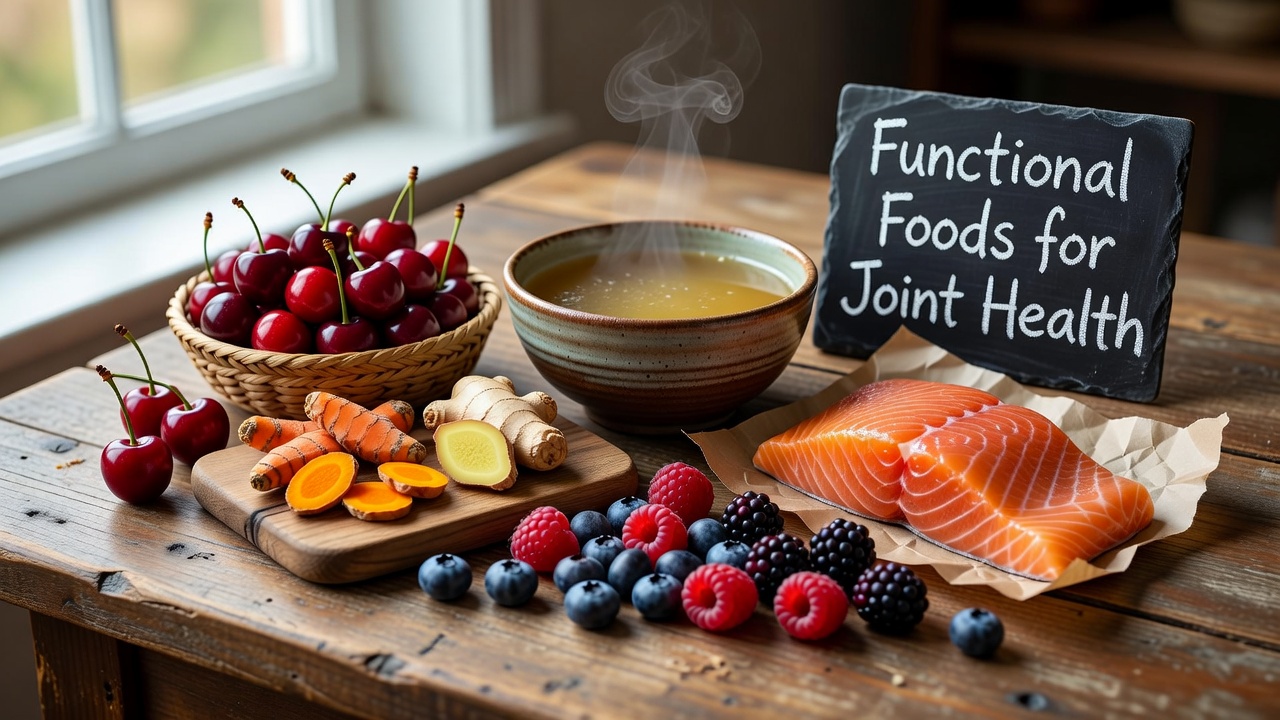
Introduction to Functional Foods for Joint Health
Joint discomfort and reduced mobility affect millions of active adults and aging individuals seeking natural solutions. Functional foods offer bioactive compounds that support cartilage, reduce inflammation, and enhance flexibility without relying on supplements. This approach focuses on everyday ingredients with proven anti-inflammatory properties, aligning with search intent for sustainable, food-based mobility support. Unlike quick-fix options, these foods provide cumulative benefits through consistent dietary patterns that address underlying oxidative stress and tissue degradation over time.
Understanding Bioactive Compounds in Foods
Bioactive compounds such as anthocyanins, collagen peptides, and omega-3 fatty acids work through specific mechanisms. Anthocyanins in certain fruits inhibit inflammatory pathways like COX-2, similar to some medications but through dietary means. Collagen from broths provides amino acids that aid connective tissue repair. These effects are supported by research from institutions like the National Institutes of Health. Additional compounds include curcumin from turmeric, which modulates immune responses, and gingerol from ginger, known for easing muscle soreness. Understanding these allows for targeted meal planning that maximizes absorption, such as pairing turmeric with black pepper to enhance bioavailability by up to 2000 percent in some studies.
Top Functional Foods for Joint Support
Several standout foods deliver targeted benefits. Tart cherries stand out for their high anthocyanin content, which studies link to lowered uric acid and reduced joint swelling. Bone broths and collagen-rich soups supply glycine and proline for cartilage maintenance. Other options include fatty fish for omega-3s, turmeric for curcumin, ginger for gingerol, berries for antioxidants, and nuts for healthy fats. Leafy greens like spinach provide vitamin K and magnesium that support bone density around joints. Each food brings unique profiles; for example, wild-caught salmon delivers both omega-3s and protein, while walnuts offer plant-based ALA that converts partially to EPA and DHA.
Comparisons show food sources often provide synergistic nutrients absent in isolated remedies. For instance, whole tart cherries deliver fiber and vitamins alongside anti-inflammatory compounds, outperforming some traditional herbal teas in nutrient density. Aging populations may benefit more from broths due to easier digestion, whereas active adults might prioritize cherries for post-exercise recovery.
Evidence-Based Anti-Inflammatory Mechanisms
These foods modulate cytokines and oxidative stress. Omega-3s from fish compete with pro-inflammatory arachidonic acid, while curcumin blocks NF-kB signaling. Regular intake can lead to measurable improvements in joint comfort over weeks, as noted in reviews from the Arthritis Foundation. Mechanisms also involve gut microbiome modulation, where fiber-rich berries promote beneficial bacteria that indirectly reduce systemic inflammation. Long-term consumption correlates with lower C-reactive protein levels, a key marker of joint stress, according to longitudinal dietary studies.
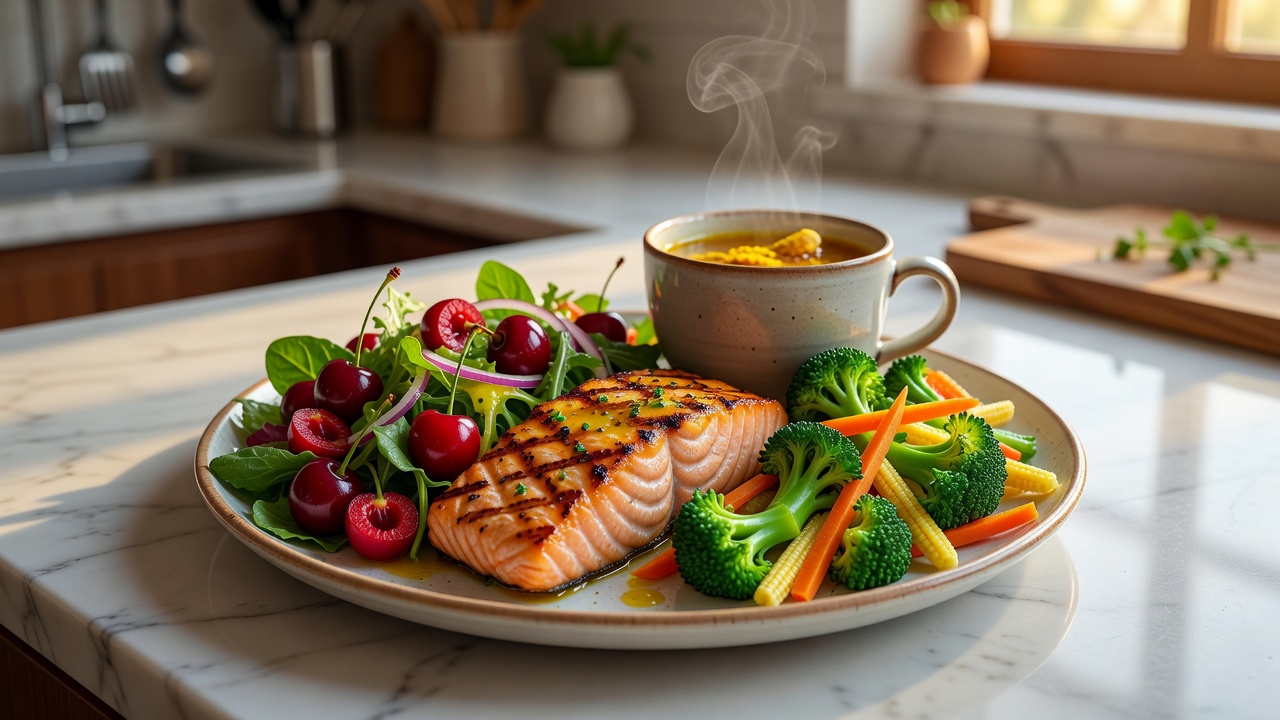
Step-by-Step Daily Integration Examples
Incorporate these foods gradually. Start breakfast with a tart cherry smoothie. Add bone broth to soups or sip it as a snack. Include grilled salmon twice weekly and season meals with turmeric and ginger. Aim for consistent portions: one cup of tart cherries daily or 8-12 ounces of broth. For busy schedules, prep a weekly batch of cherry-infused overnight oats or slow-cooked broth that can be portioned into meals. Track intake using a simple journal noting energy levels and stiffness each morning.
Sample Meal Ideas
- Breakfast: Oatmeal topped with tart cherries and walnuts, drizzled with honey and cinnamon.
- Lunch: Turmeric ginger vegetable soup with bone broth base, served with a side salad of mixed berries.
- Dinner: Baked salmon with berry salad and leafy greens, seasoned with fresh ginger and turmeric.
- Snack: Collagen-infused tea or cherry yogurt parfait with added flaxseeds.
- Weekly variation: Stir-fry using broccoli, ginger, and salmon over quinoa for midweek reset.
Comparisons with Traditional Remedies
Unlike over-the-counter options, functional foods avoid side effects and provide broad nutrition. Traditional remedies like certain herbal extracts may offer quick relief but lack the sustained benefits of whole-food matrices. Food-first strategies complement lifestyle changes such as gentle exercise for better mobility outcomes. For example, while some opt for topical creams, incorporating daily broth provides internal building blocks that creams cannot match.
Common Mistakes to Avoid
Overlooking portion consistency or expecting overnight results can hinder progress. Pair foods with hydration and movement rather than relying solely on diet. Avoid excessive sugar additions that counteract anti-inflammatory effects. Those new to bone broth should start with small amounts to prevent digestive upset. Always source quality ingredients, preferring organic cherries when possible to minimize pesticide exposure.
Practical Tips for Active Adults and Aging Populations
Active adults can time cherry consumption post-workout to leverage recovery benefits. Aging individuals may focus on softer preparations like pureed soups for easier chewing. Combine with low-impact activities such as swimming or yoga to amplify results. Monitor for allergies, especially with shellfish-based broths, and rotate foods to prevent boredom and ensure nutrient variety.
How to Track Progress
Use simple metrics like range of motion tests or daily stiffness ratings on a 1-10 scale. Reassess after four weeks of consistent intake. Consult a healthcare provider for baseline bloodwork if chronic issues exist. Many report improved sleep quality alongside joint ease due to reduced nighttime discomfort.
Short FAQ Section
What portion sizes are recommended?
Typical servings include 1 cup tart cherries or 8 ounces bone broth daily, adjustable based on tolerance and activity level. Start lower and build up over the first week.
How long until results appear?
Many notice reduced stiffness within 2-4 weeks of consistent intake, with fuller benefits emerging over 8-12 weeks depending on individual factors like age and baseline inflammation.
Can these foods replace medical treatments?
They support but do not replace professional care; use them as part of a holistic plan alongside any prescribed therapies.
Are there any interactions with medications?
Foods like turmeric may enhance blood-thinning effects, so discuss with a doctor if on related prescriptions.
Conclusion
Embracing functional foods empowers better joint health through delicious, accessible choices. By integrating tart cherries, broths, and anti-inflammatory ingredients daily, individuals can enhance mobility naturally and sustainably while enjoying varied, nutrient-dense meals.

No comments yet. Be the first!