 Func Eats
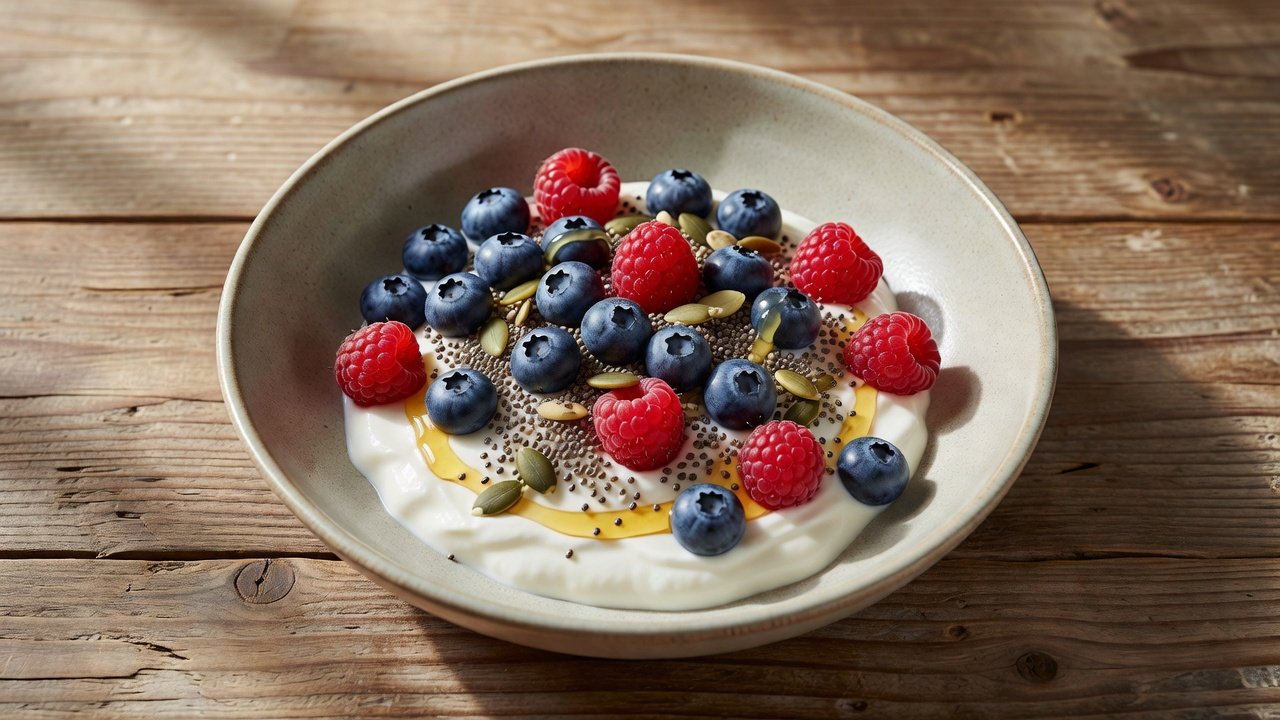
5-Step Guide to Functional Breakfast Bowls with Bioactive Foods
Starting your day with a functional breakfast bowl is one of the simplest ways to boost energy levels and support overall wellness. These bowls combine nutrient-dense bases with bioactive ingredients such as berries, seeds, and fermented elements to deliver antioxidants, fiber, probiotics, and healthy fats. This guide walks beginners through practical steps for easy daily integration, drawing on 2026 trends in personalized nutrition and gut health. Whether you are new to functional foods or looking to refine your morning routine, understanding how to layer ingredients for maximum benefit can transform your breakfast into a powerful tool for sustained vitality.
Why Functional Breakfast Bowls Matter in 2026
Busy mornings often lead to skipped or unbalanced meals, but bioactive foods help bridge the gap. Research from major health organizations highlights how compounds in berries and seeds can support inflammation reduction and cognitive function. By focusing on absorption-friendly combinations, these bowls provide lasting benefits without complex preparation. In 2026, trends emphasize gut microbiome support and plant-forward eating, making bioactive breakfast bowls especially relevant for those seeking evidence-based ways to enhance daily performance and long-term health outcomes.
Step 1: Choose a Nutrient-Dense Base
Begin with a solid foundation like Greek yogurt, overnight oats, or quinoa porridge. Opt for unsweetened varieties to control sugar intake. Quinoa offers complete protein while oats provide beta-glucan fiber for steady energy release. Select bases that align with dietary preferences, such as dairy-free coconut yogurt for vegan needs or cottage cheese for extra protein punch. Consider portion sizes around one cup to keep the bowl satisfying yet balanced. Experiment with warm versus cold bases depending on the season—warm quinoa bowls feel comforting in cooler months while chilled yogurt versions refresh in summer.
Step 2: Layer Bioactive Add-Ins
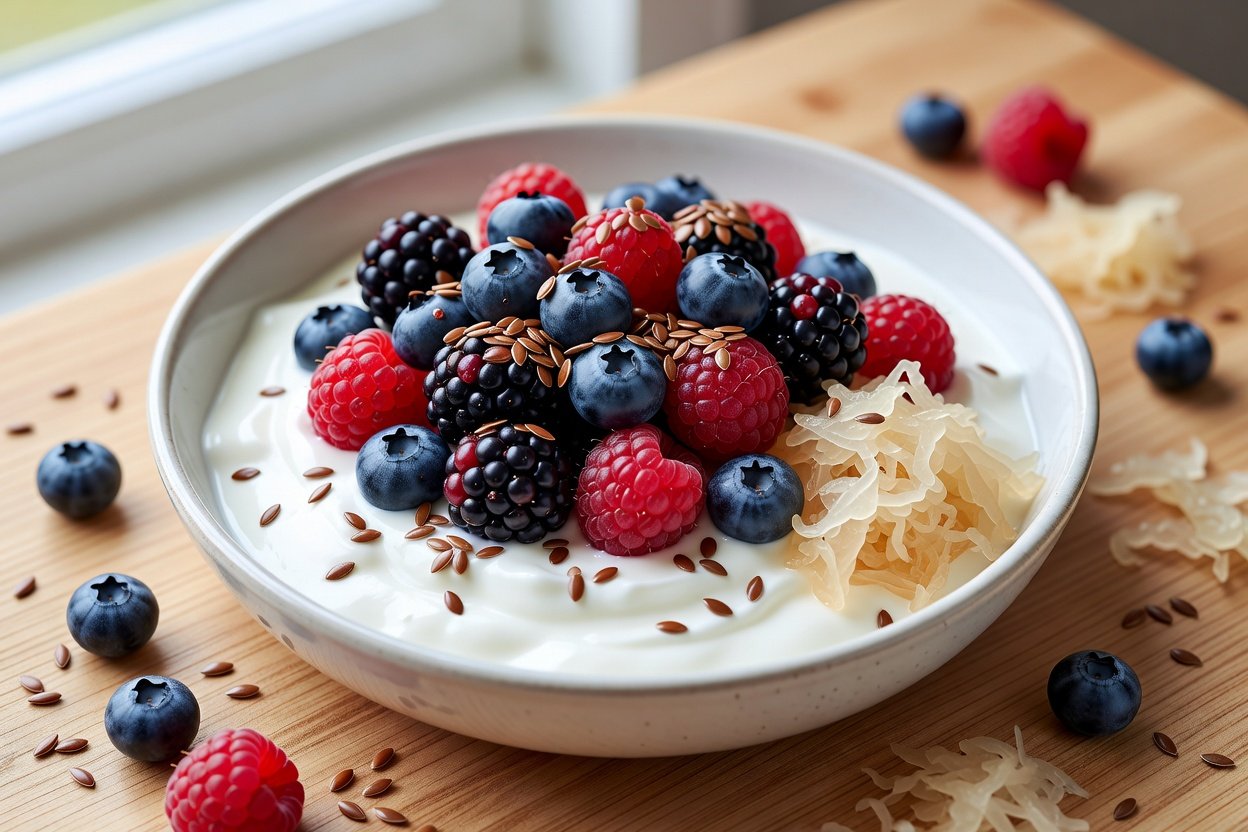
Next, incorporate superfoods rich in bioactive compounds. Add fresh or frozen berries for anthocyanins, chia or flax seeds for omega-3s, and a spoonful of sauerkraut or kefir for probiotics. Aim for variety: mix blueberries with pumpkin seeds and a fermented topping to create synergistic effects that enhance nutrient uptake. Other options include goji berries for vitamin C, hemp hearts for complete amino acids, and miso paste thinned into a drizzle for umami depth. Rotate ingredients weekly to prevent boredom and broaden your intake of diverse phytochemicals.
Step 3: Assemble with Visual and Textural Balance
Layer ingredients thoughtfully for appeal and digestion. Start with the base, add fruits and seeds, then finish with a drizzle of nut butter or honey. This method ensures even distribution of flavors and textures. Practical tip: prepare components the night before to streamline mornings. Use contrasting colors—deep purple berries against creamy white yogurt—and vary crunch levels with toasted versus raw seeds. A well-assembled bowl not only looks inviting but also encourages mindful eating, which supports better digestion and satisfaction.
Step 4: Customize for Dietary Needs
Compare variations to suit different lifestyles. For low-carb diets, swap oats for cauliflower rice mixed with almond flour and top with avocado slices. High-protein versions emphasize Greek yogurt and hemp seeds alongside a boiled egg on the side. Those following anti-inflammatory approaches can prioritize turmeric-spiced bases with ginger and walnuts. Gluten-free eaters should verify certified oats or use buckwheat groats instead. Each adaptation maintains bioactive benefits while addressing specific goals, allowing flexibility without sacrificing nutrition.
Step 5: Maximize Absorption and Storage
Pair ingredients strategically—pair vitamin C-rich berries with iron sources like seeds to improve uptake. Store bowls in airtight containers for up to three days. Avoid overmixing fermented items to preserve live cultures. Additional tips include consuming the bowl within 30 minutes of assembly when possible to retain probiotic viability and chewing thoroughly to break down fibers for better nutrient release. These practices turn simple bowls into powerful daily tools that align with modern wellness priorities.
Benefits of Bioactive Foods in Breakfast Bowls
Bioactive compounds go beyond basic macros by influencing cellular health, hormone balance, and immune response. Berries provide polyphenols linked to improved blood sugar control, while seeds contribute lignans that may support hormonal equilibrium. Fermented elements introduce live bacteria that aid gut diversity, which emerging 2026 research connects to mood and energy regulation. Regular consumption can lead to noticeable improvements in satiety, reduced afternoon crashes, and better focus throughout the workday.
Real Recipe Examples
- Berry Probiotic Bowl: One cup Greek yogurt, half cup mixed berries, one tablespoon flax seeds, and two tablespoons kefir. Stir gently and enjoy immediately.
- Seed-Powered Quinoa: Three-quarters cup cooked quinoa, quarter cup pumpkin seeds, half cup blueberries, and one tablespoon sauerkraut for a savory twist.
- Vegan Overnight Oats: Half cup rolled oats soaked in almond milk, one tablespoon chia seeds, quarter cup raspberries, and a scoop of fermented coconut yogurt.
- Anti-Inflammatory Option: Oat base with turmeric, ginger, walnuts, and blackberries topped with a probiotic-rich kefir swirl.
Common Mistakes to Avoid
Overloading with too many add-ins can overwhelm digestion. Always measure portions and introduce new ingredients gradually. Skipping fermented elements misses key gut benefits. Another frequent error is using sweetened bases that counteract the low-glycemic advantages of the bowl. Finally, neglecting texture variety leads to monotonous meals that people are less likely to repeat daily.
Tips for Long-Term Success
Build a weekly prep routine by cooking bases in batches and pre-portioning seeds. Track how different combinations affect your energy to personalize further. Consult resources from trusted authorities when exploring new ingredients.
Frequently Asked Questions
How long do these bowls stay fresh?
Most last 2-3 days refrigerated when components are stored separately and fermented items are added just before eating.
Can I prepare them in advance?
Yes, batch prep bases and toppings on weekends for quick assembly each morning.
Are there allergy-friendly options?
Substitute seeds with alternatives like sunflower seeds and use certified gluten-free oats or grain-free bases such as chia pudding.
What if I dislike fermented flavors?
Start with mild options like plain kefir blended into the base or use smaller amounts of sauerkraut mixed with sweeter fruits.
Conclusion
Functional breakfast bowls offer an accessible entry point to bioactive nutrition. Follow these five steps to build sustainable morning habits that support energy and health. For more on healthy eating patterns, explore Mayo Clinic resources, World Health Organization guidance, and evidence-based insights at National Center for Biotechnology Information.
No comments yet. Be the first!