 Func Eats

In 2026, interest in functional foods for hormonal balance continues to grow as more individuals seek plant-based strategies to address common concerns such as PMS, thyroid imbalance, and stress-related cortisol spikes. These foods contain bioactive compounds that interact with the endocrine system, offering support without relying solely on synthetic treatments. This guide provides an in-depth look at three key categories of foods, practical integration methods, and evidence-based comparisons to help readers make informed choices.
Understanding Bioactives and Their Role in Hormone Regulation
Bioactive compounds are naturally occurring molecules in plants that exert physiological effects beyond basic nutrition. For hormonal health, they influence estrogen metabolism, support liver detoxification pathways, and help modulate the hypothalamic-pituitary-adrenal axis responsible for cortisol production. Rising wellness trends in 2026 emphasize whole-food approaches because they deliver fiber, antioxidants, and synergistic nutrients that isolated compounds often lack. Studies referenced by global health authorities underscore how consistent dietary patterns rich in these compounds can contribute to more stable menstrual cycles, improved thyroid function, and reduced perceived stress.
Flaxseeds for Estrogen Detoxification
Flaxseeds are rich in lignans, a type of phytoestrogen that binds to estrogen receptors and promotes the excretion of excess estrogens through the digestive tract. This mechanism is particularly relevant for individuals experiencing estrogen dominance symptoms like bloating or mood swings before menstruation. Ground flaxseeds are preferred over whole seeds because the body absorbs the lignans more efficiently. A typical starting dosage recommended by nutrition experts is two to three tablespoons daily, mixed into smoothies, yogurt, or baked goods. For example, adding one tablespoon to a morning oatmeal bowl provides both soluble fiber for gut health and omega-3 fatty acids that further support inflammatory balance. Over time, this consistent intake may help reduce the severity of PMS symptoms as the liver processes and eliminates surplus hormones more effectively.
Cruciferous Vegetables for Liver Support
Vegetables from the cruciferous family, including broccoli, kale, cauliflower, and Brussels sprouts, contain compounds such as indole-3-carbinol and sulforaphane. These bioactives enhance phase II detoxification enzymes in the liver, which conjugate and eliminate excess estrogens and environmental toxins. Consuming one to two cups daily, whether steamed, roasted, or lightly sautéed, maximizes nutrient retention while minimizing goitrogenic effects that can affect thyroid function when eaten raw in very large amounts. Practical examples include preparing a broccoli and kale stir-fry for lunch or roasting Brussels sprouts with olive oil as a side dish for dinner. Many people notice improvements in energy and reduced water retention after incorporating these vegetables regularly, especially when combined with adequate hydration and fiber intake.
Adaptogenic Mushrooms for Cortisol Control
Adaptogenic mushrooms such as reishi, cordyceps, and lion’s mane help regulate the body’s stress response by influencing cortisol secretion and supporting adrenal recovery. Reishi is often used in the evening to promote relaxation, while cordyceps may be consumed earlier in the day for sustained energy without overstimulation. Expert-backed dosages typically range from one to two grams of extract daily, dissolved in warm water or added to soups. A simple routine might involve brewing reishi tea after dinner to wind down. These mushrooms do not replace medical treatment for diagnosed adrenal disorders but can complement lifestyle changes aimed at lowering chronic stress.
7-Day Integration Plan with Meal Examples
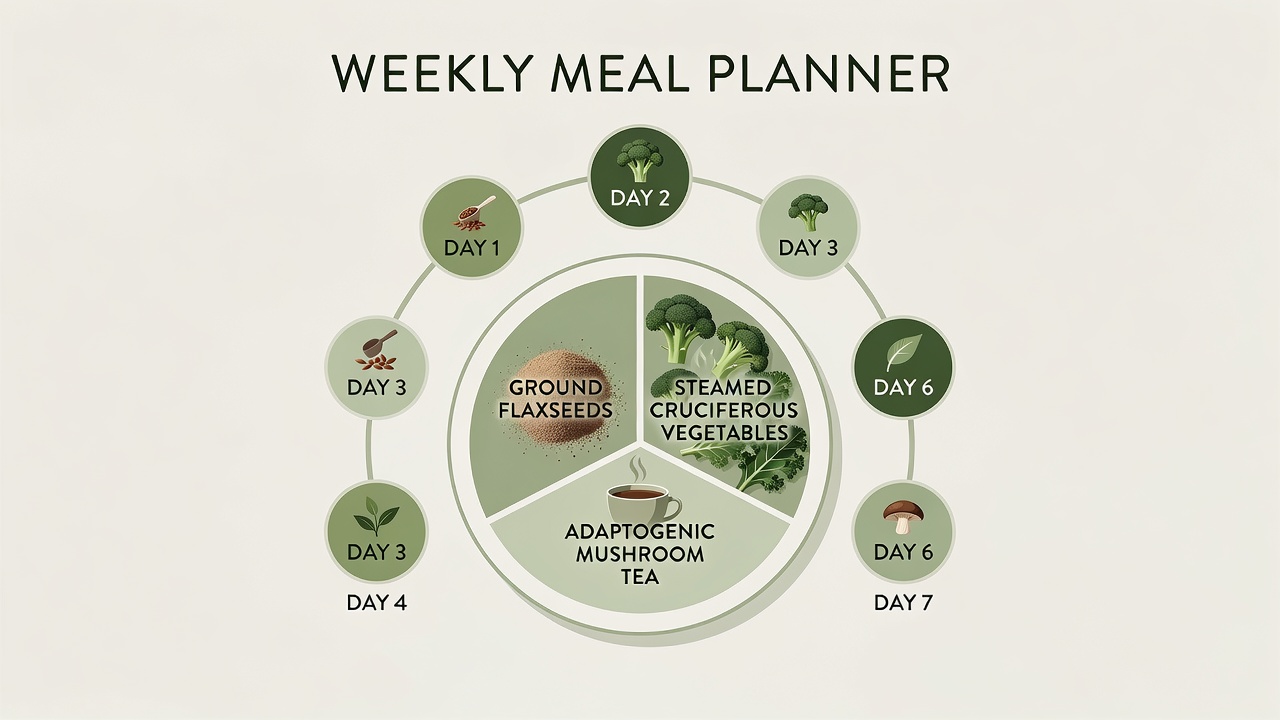
Gradual incorporation prevents digestive discomfort and allows the body to adjust. The following plan builds servings progressively while offering concrete meal ideas:
- Day 1-2: Begin with one tablespoon of ground flaxseeds stirred into breakfast oatmeal and one cup of steamed broccoli at dinner. Track any changes in digestion or energy.
- Day 3-4: Increase flaxseeds to two tablespoons and add a kale salad at lunch. Introduce one gram of reishi mushroom powder in evening tea. Sample lunch: mixed greens with roasted Brussels sprouts and flaxseed dressing.
- Day 5-7: Maintain full servings across all foods, rotating cruciferous options such as cauliflower rice or broccoli soup. Example dinner on day 6: grilled salmon with roasted Brussels sprouts and a flaxseed sprinkle on a side salad. Continue evening reishi tea and note improvements in sleep quality or mood stability.
Throughout the week, drink plenty of water and consider journaling symptoms to identify patterns. If any food causes discomfort, reduce the portion temporarily and reintroduce slowly.
Comparing Functional Foods to Supplements
Whole foods and concentrated supplements each offer distinct advantages. Whole foods provide additional fiber that aids hormone elimination and micronutrients that enhance absorption. Supplements deliver standardized doses but may lack the synergistic matrix found in plants. Cost-wise, pantry staples such as flaxseeds and seasonal broccoli tend to be more economical over time. Convenience favors supplements for travel, yet daily meals built around functional foods create sustainable habits. Individuals often achieve better long-term adherence when they prioritize food sources first and use supplements only to fill specific gaps under professional guidance.
Lifestyle Factors That Enhance Results
Dietary changes work best alongside adequate sleep, regular movement, and stress-management practices. For instance, pairing cruciferous vegetable intake with strength training can further support thyroid hormone conversion. Avoiding excessive alcohol and processed sugars reduces the liver’s detoxification burden, allowing bioactive compounds to function more efficiently. Many users report measurable shifts in cycle length or reduced afternoon fatigue within four to six weeks when these elements are combined.
Safety Considerations and Medication Interactions
Anyone taking prescription medications, particularly thyroid hormone replacements or oral contraceptives, should consult a healthcare provider before making substantial dietary changes. Cruciferous vegetables can influence medication absorption if consumed in very large quantities at the same time as doses. Spacing intake by several hours is a common recommendation. Resources from authoritative organizations such as the World Health Organization and the Centers for Disease Control and Prevention stress the importance of individualized nutrition advice. Monitoring progress over several weeks provides clearer insight into effectiveness than expecting immediate results.
Frequently Asked Questions
How long until results appear?
Subtle improvements in energy, mood, and digestion often emerge within three to four weeks. More objective changes in cycle regularity or stress markers typically require eight to twelve weeks of consistent practice.
Can these foods interact with medications?
Yes. Large amounts of cruciferous vegetables may affect thyroid medication uptake; separate consumption by at least two hours. Always review changes with a physician or registered dietitian.
Are adaptogens suitable for everyone?
People with autoimmune conditions or those on immunosuppressants should begin with small test doses and seek professional oversight before regular use.
What if I miss a day in the plan?
Simply resume the next day without doubling portions. Consistency over months matters more than perfection in any single week.
Conclusion
Flaxseeds, cruciferous vegetables, and adaptogenic mushrooms offer accessible, research-supported tools for supporting hormonal balance in 2026. The structured seven-day plan, combined with lifestyle considerations and clear safety guidance, equips readers to implement changes confidently. By focusing on whole-food sources first and consulting professionals when needed, individuals can pursue natural hormone support while enjoying the broader benefits of nutrient-dense eating. Additional information is available through National Institutes of Health resources for those seeking further scientific context.


No comments yet. Be the first!