 Func Eats
Introduction to Functional Foods and Heart Health
Functional foods deliver targeted bioactive compounds that go beyond basic nutrition to actively support cardiovascular wellness. In 2026, growing interest in natural strategies for managing blood pressure and cholesterol drives consumers toward evidence-based dietary choices. These foods contain polyphenols, fiber, nitrates, and healthy fats that influence vascular function, lipid metabolism, and inflammation pathways. Unlike conventional foods, functional varieties are selected or prepared to maximize specific health outcomes, making them valuable tools for individuals seeking to reduce reliance on medications or enhance overall heart resilience. Understanding how these compounds interact with the body allows for informed decisions that align with personal health goals and lifestyle preferences.
Research continues to highlight how consistent intake of specific functional foods can complement lifestyle changes such as regular exercise and stress management. This article examines the mechanisms behind key superfoods, reviews recent findings, compares them to supplements, and provides actionable integration examples including a 3-day meal plan. Readers will also find expanded guidance on absorption optimization, sourcing strategies, common pitfalls, and answers to frequently asked questions that address real-world implementation challenges.
Beets: Nitrates and Vascular Function
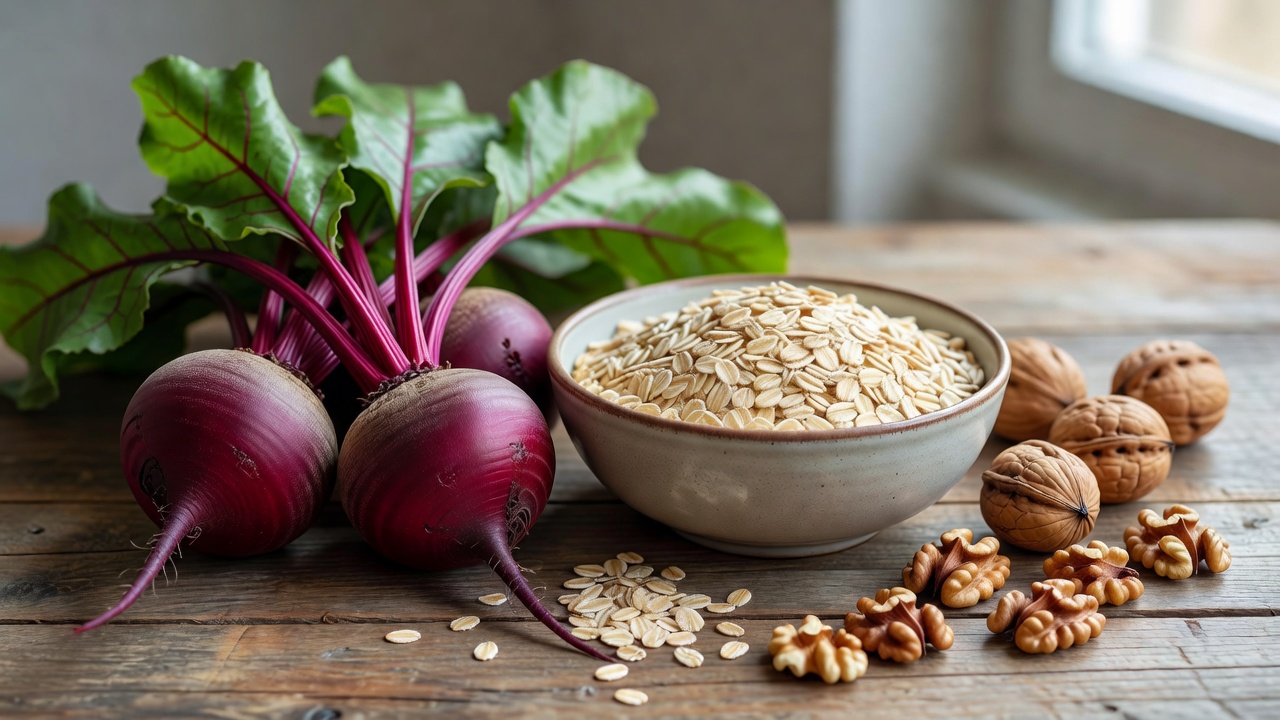
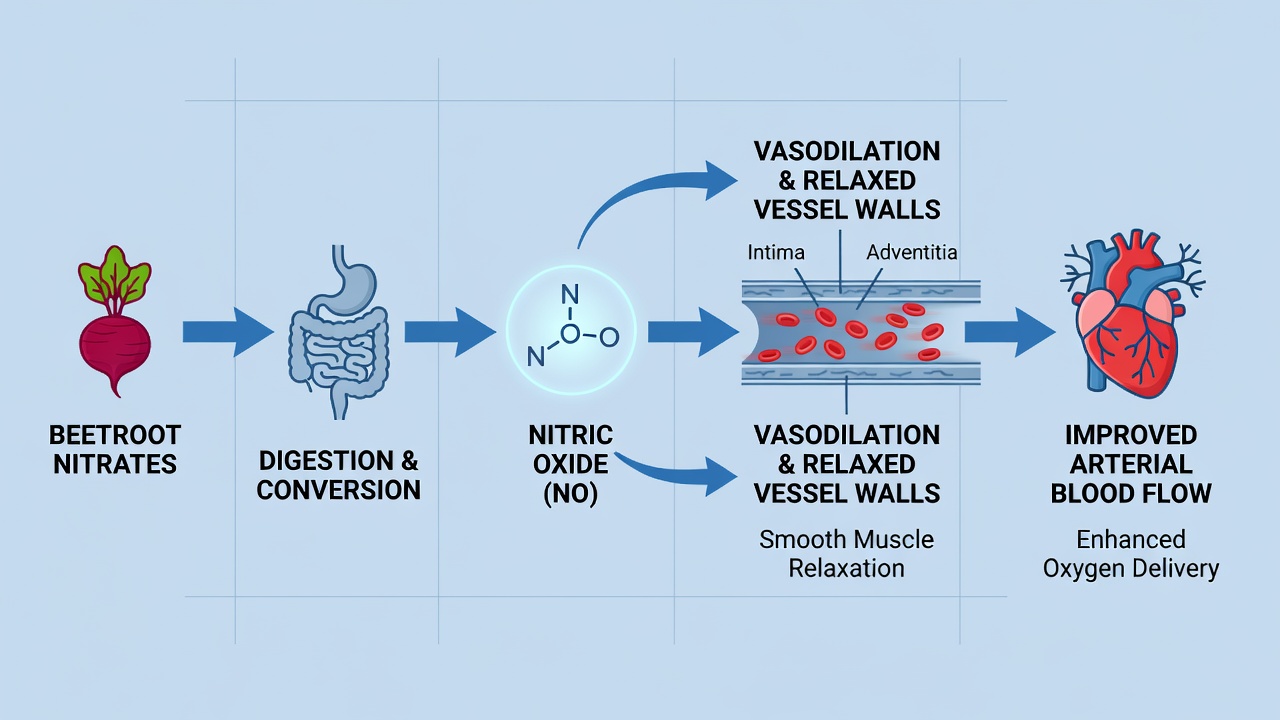
Beets are rich in dietary nitrates that the body converts to nitric oxide, promoting vasodilation and improved blood flow. This process helps reduce systolic blood pressure by 4–10 mmHg in multiple studies. The betalains in beets also provide antioxidant protection against oxidative stress linked to atherosclerosis. Beyond nitrates, beets supply potassium and folate, nutrients that further support healthy blood pressure regulation and red blood cell formation. Individuals incorporating beets regularly often report improved energy levels during physical activity due to enhanced oxygen utilization in muscles.
2026 Research Highlights on Beets
Recent trials published in early 2026 confirm sustained benefits from daily beetroot juice consumption over 12 weeks, with notable improvements in endothelial function among adults with mild hypertension. The compounds remain stable in both raw and cooked forms when prepared properly. Additional investigations have explored the role of betalains in reducing arterial stiffness, showing measurable changes in pulse wave velocity after consistent use. These findings reinforce beets as a versatile option suitable for smoothies, salads, and roasted dishes.
Oats: Beta-Glucan and Cholesterol Management
Oats contain soluble beta-glucan fiber that binds bile acids in the intestine, prompting the liver to use circulating LDL cholesterol for bile production. Regular intake of 3 grams of beta-glucan daily can lower LDL cholesterol by 5–10%. The fiber also slows carbohydrate absorption, helping stabilize blood sugar levels that indirectly benefit heart health by reducing inflammation. Steel-cut and rolled oats retain more of the beneficial fiber compared to instant varieties, making them preferable for cardiovascular-focused diets. Many people notice improvements in digestion alongside cholesterol reductions when oats become a daily staple.
Walnuts: Omega-3s and Anti-Inflammatory Effects
Walnuts supply alpha-linolenic acid, an omega-3 fatty acid, along with polyphenols that reduce inflammation markers such as C-reactive protein. Clinical observations show improved arterial stiffness after eight weeks of walnut consumption. Their unique combination of healthy fats, protein, and antioxidants makes walnuts an excellent snack that promotes satiety while delivering heart-protective nutrients. Studies also suggest walnuts may help maintain healthy endothelial function, supporting flexible blood vessels essential for optimal circulation.
Comparing Functional Foods to Supplements
Whole functional foods offer synergistic nutrients and fiber absent in isolated supplements. While beetroot capsules or oat bran extracts provide concentrated doses, they lack the full matrix of compounds found in food. The American Heart Association emphasizes food-first approaches for sustainable cardiovascular benefits. Supplements may serve as adjuncts but cannot fully replicate the effects of regular dietary inclusion. Whole foods also provide additional micronutrients and phytonutrients that work together, creating a broader impact on overall wellness. For example, eating whole oats delivers not only beta-glucan but also avenanthramides with anti-inflammatory properties not typically present in extracts.
Step-by-Step Meal Integration Examples
Beginners can start by adding one functional food daily. For breakfast, stir ground flax into oatmeal or top with chopped walnuts. At lunch, include a beet and walnut salad dressed with olive oil and lemon. Evening meals benefit from beetroot blended into smoothies or roasted alongside root vegetables. Gradual incorporation prevents digestive discomfort from increased fiber. Advanced users might experiment with fermented beet preparations or overnight oat variations infused with walnut butter. Tracking responses over two weeks helps identify optimal portions and combinations that align with individual tolerance and preferences.
3-Day Sample Meal Plan
The following plan incorporates beets, oats, and walnuts across balanced meals and snacks. Portions can be adjusted based on calorie needs and activity levels.
- Day 1: Breakfast – oatmeal with walnuts and berries; Mid-morning snack – small beet juice shot; Lunch – beet and greens salad with walnuts; Dinner – grilled salmon with oat-crusted vegetables and side salad.
- Day 2: Breakfast – beet smoothie blended with oats and banana; Lunch – walnut-topped quinoa bowl with roasted vegetables; Afternoon snack – handful of walnuts; Dinner – lentil soup featuring added beets and oat garnish.
- Day 3: Breakfast – overnight oats with walnuts and cinnamon; Lunch – beet hummus wrap with fresh greens; Dinner – baked chicken with walnut pesto served over oat-based pilaf and steamed vegetables.
Practical Tips for Beginners
- Choose fresh, seasonal produce when possible to maximize bioactive retention and flavor.
- Store walnuts in the refrigerator to preserve omega-3 stability and prevent rancidity.
- Start with small portions of beets to assess tolerance and minimize digestive adjustment.
- Track blood pressure weekly to observe dietary impacts and share data with healthcare providers.
- Consult a healthcare provider before major dietary shifts, especially with existing medical conditions or medications.
- Combine foods strategically, such as pairing oats with vitamin-rich fruits to enhance overall nutrient absorption.
- Experiment with preparation methods like roasting beets to concentrate flavors while retaining nitrates.
- Read labels carefully when purchasing packaged oats to ensure minimal added sugars.
- Rotate walnut varieties and beet colors for diverse phytonutrient profiles.
- Stay consistent for at least four weeks to allow measurable changes in cardiovascular markers.
Understanding Absorption and Sourcing
Absorption of bioactives can be optimized by pairing beets with vitamin C sources to enhance nitrate conversion. Consume oats with healthy fats to improve beta-glucan uptake. Consistent daily intake matters more than precise timing. For sourcing, select organic beets and walnuts from reputable suppliers to reduce pesticide exposure. Rolled oats should be certified gluten-free when necessary. The World Health Organization provides general guidance on dietary patterns supporting heart health, while additional resources from the Centers for Disease Control and Prevention offer practical tools for monitoring cardiovascular risk factors at home.
Frequently Asked Questions
How can absorption of bioactives be optimized?
Pair beets with vitamin C sources to enhance nitrate conversion. Consume oats with healthy fats to improve beta-glucan uptake. Consistent daily intake matters more than timing.
Where should consumers source high-quality functional foods?
Look for organic beets and walnuts from reputable suppliers. Rolled oats should be certified gluten-free if needed. Focus on whole, minimally processed items for maximum bioactive content.
Are there any common mistakes to avoid?
Avoid overcooking beets, which can reduce nitrate levels. Do not rely solely on supplements without dietary variety. Skipping portion control with calorie-dense walnuts may offset benefits.
How long until benefits appear?
Many individuals notice blood pressure improvements within two to four weeks, while cholesterol changes often require eight to twelve weeks of consistent intake.
Conclusion
Integrating beets, oats, and walnuts into daily meals offers a practical, evidence-supported pathway to better cardiovascular outcomes. By focusing on bioactive mechanisms, consistent habits, and thoughtful sourcing, individuals can achieve meaningful improvements in blood pressure and cholesterol management throughout 2026 and beyond. This approach empowers sustainable lifestyle changes that complement medical care and promote long-term heart resilience.


No comments yet. Be the first!