 Func Eats
High-Protein Egg Skillet Dinners for Fast 2026 Meals
Eggs remain a top choice for quick, affordable dinners that pack serious protein. In 2026, home cooks seek skillet methods that hit 30 grams of protein or more in under 15 minutes without specialty gear. This guide delivers exactly that: step-by-step techniques, recipe upgrades, nutrition breakdowns, and practical advice to make every skillet dinner reliable and satisfying. Whether you are cooking for one or feeding a family, these methods emphasize efficiency while maximizing nutrition and flavor through smart ingredient choices and seasonal pairings that align with current trends.
Selecting High-Protein Egg Varieties in 2026
Start with eggs that naturally deliver more protein per serving. Large eggs average 6 grams each, but pasture-raised or omega-3 enriched varieties often provide slightly higher nutrient density and better taste. Pair them with protein-rich add-ins such as Greek yogurt, cottage cheese, or leftover grilled chicken to push totals well above 30 grams. Seasonal produce pairings, a key 2026 trend, include pairing eggs with spring asparagus or summer zucchini for extra fiber and flavor without extra calories. Consider sourcing from local farms when possible to support freshness and sustainability while experimenting with different egg colors or sizes for variety in your weekly meals.
Core 12-Minute Skillet Technique
The foundation is simple: preheat a nonstick or cast-iron skillet over medium heat for two minutes, add a light spray of oil, then scramble or set the eggs while folding in pre-cooked or quick-cooking vegetables. Total active time stays under 12 minutes when ingredients are prepped in advance. Use these timing checkpoints: 0–2 minutes for heating, 2–7 minutes for sautéing vegetables, 7–12 minutes for egg setting and finishing. Always keep a spatula ready to gently stir or fold without breaking the structure. For best results, have all add-ins measured and chopped beforehand so the process flows smoothly from start to finish.
Recipe: Upgraded Spanish Tortilla
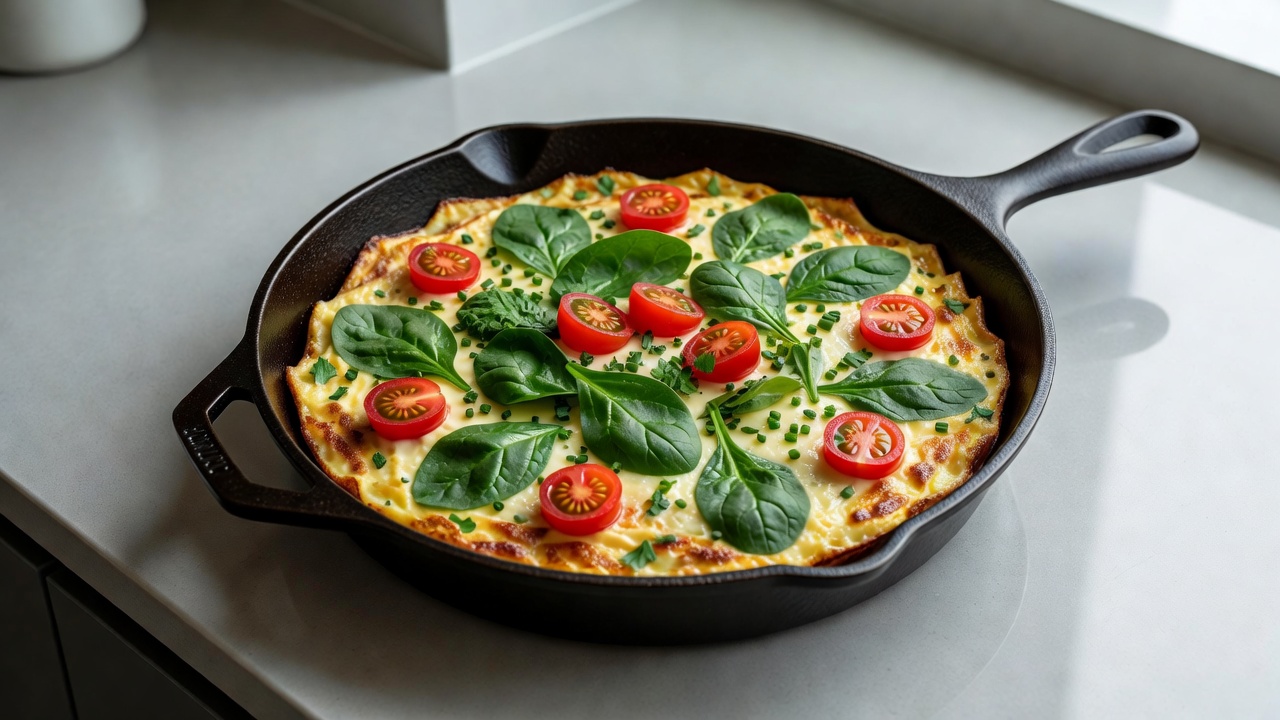
This modern take on the classic uses fewer potatoes and more egg whites plus spinach for higher protein. Whisk 4 whole eggs and 4 egg whites with salt and pepper. Sauté sliced onion and a handful of spinach in the skillet for 3 minutes, pour in the egg mixture, and cook covered on low for 7 minutes until set. Flip or broil briefly for a golden top. Each serving delivers approximately 32 grams of protein. Serve with a side salad for a complete meal. To customize further, add a small amount of roasted red peppers or a sprinkle of smoked paprika during the sauté step for deeper flavor layers that complement the eggs perfectly.
Recipe: Veggie-Loaded Frittata Skillet
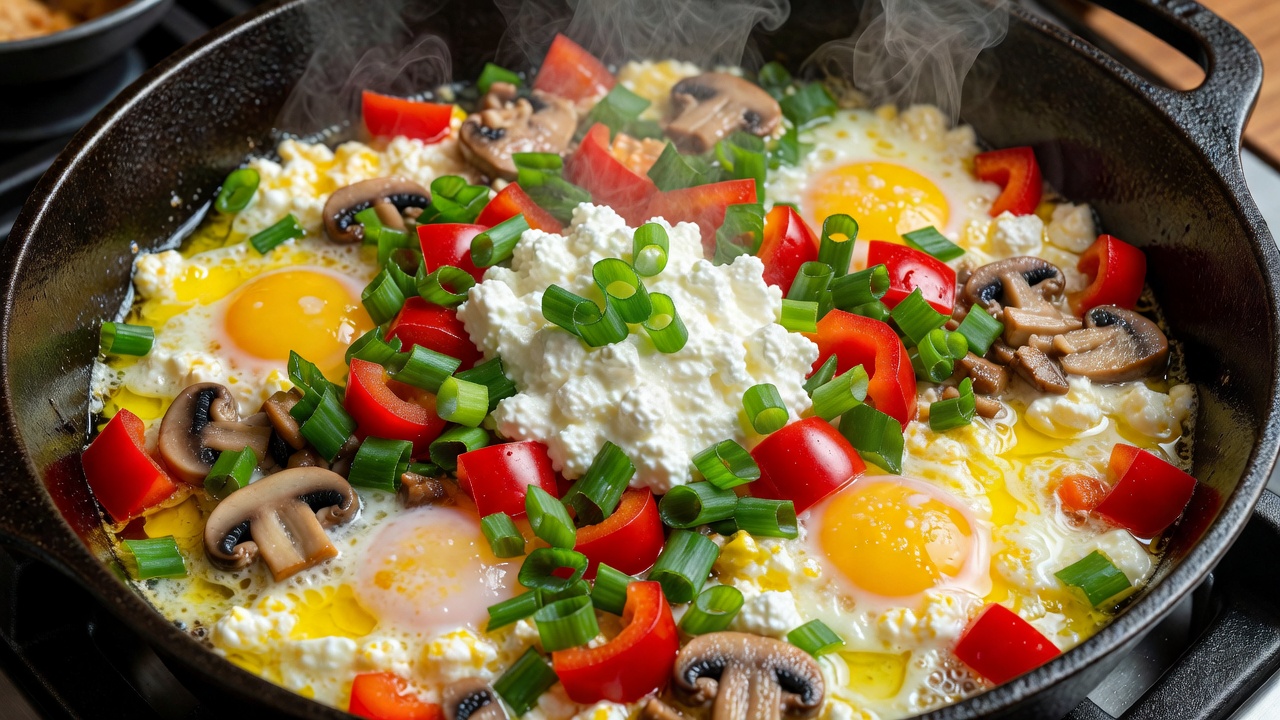
For a one-pan option, combine 3 eggs with ½ cup cottage cheese blended smooth for creaminess and extra protein. Add diced bell peppers, mushrooms, and cherry tomatoes to the hot skillet, cook 4 minutes, then pour the egg mixture over top. Finish under a broiler for 3 minutes. This version clocks in at 34 grams of protein per serving and uses whatever seasonal vegetables are freshest. You can scale the recipe easily for larger portions by doubling ingredients while maintaining the same cooking times, making it ideal for meal prep on busy weeknights.
Flavor Variations Using Pantry Staples
- Italian: Add sun-dried tomatoes, oregano, and a sprinkle of Parmesan for a savory, herb-forward profile that pairs well with a simple green salad.
- Mexican-inspired: Stir in black beans, cumin, and fresh cilantro to create a zesty option that feels like a complete taco-style dinner.
- Asian-fusion: Use leftover rice, green onions, and a dash of low-sodium soy sauce for an umami boost without extending cook time.
- Herb-forward: Mix fresh basil and chives with a touch of feta for brightness that highlights 2026's focus on fresh, vibrant produce pairings.
Nutrition Comparisons Across Options
A plain three-egg scramble offers about 18 grams of protein. Adding ½ cup cottage cheese boosts it to 28 grams. Incorporating 3 ounces of cooked chicken or turkey pushes totals past 40 grams. All options remain under 400 calories when vegetables dominate the pan. These figures align with current MyPlate guidelines for balanced protein intake at dinner. Comparing across variations shows that combining eggs with dairy add-ins consistently outperforms plain versions while keeping preparation simple and equipment minimal.
Practical Timing Charts and Workflow Tips
Creating a reliable workflow helps eliminate guesswork. Begin by chopping vegetables the night before if possible. During cooking, monitor heat closely to prevent over-browning. Example timeline for the Spanish tortilla: minutes 0-2 heat pan, 2-5 cook onions, 5-7 add spinach and eggs, 7-12 set and finish. Similar charts apply to the frittata with minor adjustments for the cottage cheese incorporation step. These structured approaches ensure consistent results even on the busiest evenings.
Common Mistakes to Avoid
- Overcooking eggs until rubbery—remove from heat while slightly glossy to maintain tender texture.
- Using raw vegetables that release too much water—pre-cook or drain them first for better consistency.
- Skipping seasoning—eggs need salt to bring out flavor and enhance overall taste.
- Crowding the pan—cook in batches if needed for even results and proper setting.
- Ignoring carryover cooking—residual heat continues to firm the eggs after removing from the stove.
Storage and Reheating FAQ
How long do cooked egg skillets last? Store in an airtight container in the refrigerator for up to four days.
Can I freeze portions? Yes, wrap individual servings tightly and freeze for up to two months. Thaw overnight in the fridge before reheating.
Best reheating method? Warm in a skillet over low heat with a splash of water to restore moisture, or microwave covered for 60–90 seconds.
Is it safe to reheat eggs multiple times? Reheat only what you plan to eat; avoid repeated temperature cycling for food safety. For more guidance, consult CDC nutrition resources.
What about portion sizes for different dietary needs? Adjust egg quantities based on activity level while keeping vegetable ratios high for volume without excess calories.
2026 Trends: Seasonal Produce Pairings
Current trends highlight pairing eggs with peak-season items like roasted root vegetables in winter or fresh herbs in spring. These combinations boost both nutrition and visual appeal while supporting local agriculture. Experimenting with these pairings keeps meals exciting and aligned with broader wellness movements focused on whole, minimally processed foods.
Conclusion
High-protein egg skillet dinners offer a fast, flexible solution that fits 2026 lifestyles. With the techniques and recipes above, you can consistently create meals exceeding 30 grams of protein in 12 minutes using everyday ingredients and seasonal pairings. Experiment with variations, track what works for your schedule, and enjoy reliable, nutritious results every weeknight.
No comments yet. Be the first!