 Func Eats
Why Greek Yogurt Belongs in Your Savory Dinners
Greek yogurt has become a staple for those seeking high-protein meals that come together quickly on busy weeknights. Its thick, creamy consistency and mild tang make it an excellent substitute for heavier ingredients like sour cream or heavy cream in savory cooking. Rather than limiting Greek yogurt to smoothies or breakfast parfaits, home cooks can leverage it as a versatile protein booster in dinner recipes ranging from pasta sauces to grilled entrées. This approach adds substantial protein while keeping preparation times short and cleanup minimal. The result is satisfying dishes that support muscle maintenance, promote satiety, and fit easily into balanced eating patterns without requiring extra shopping trips.
Nutrition experts emphasize the value of incorporating protein-rich dairy into everyday meals for sustained energy. For reliable information on protein sources and healthy eating patterns, consult the Mayo Clinic nutrition resources.
Nutritional Advantages Over Traditional Ingredients
Plain nonfat or low-fat Greek yogurt typically delivers around 15 to 20 grams of protein per 170-gram serving, nearly twice the amount found in regular yogurt. This higher protein density supports weight management goals and helps stabilize blood sugar levels better than many carb-heavy quick meals. It also supplies probiotics that aid digestion and essential minerals such as calcium and potassium. Compared with cream-based sauces, Greek yogurt reduces saturated fat content while maintaining richness. When used in place of mayonnaise in marinades or dressings, it lowers overall calories without sacrificing flavor or texture. These benefits make Greek yogurt a smart choice for families aiming to increase protein intake efficiently during rushed evenings.
Creamy Pasta Sauces in Under 20 Minutes
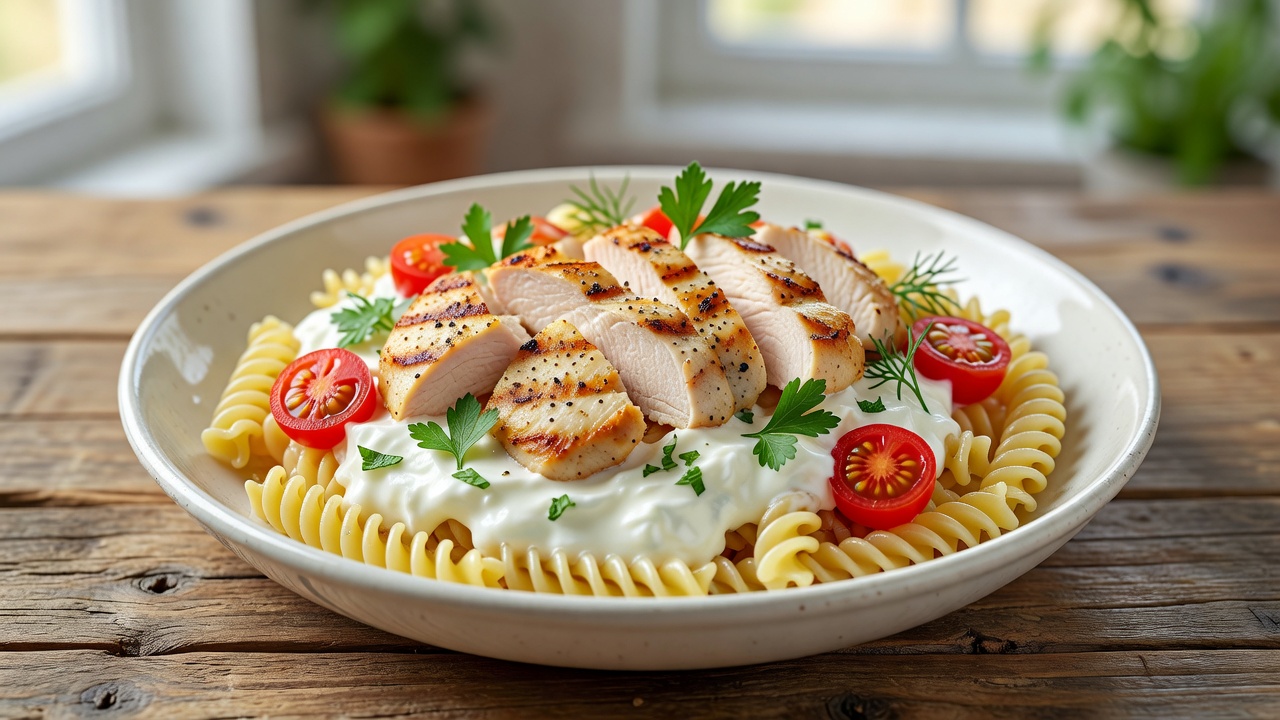
One of the simplest ways to elevate a basic pasta dinner is by creating a Greek yogurt-based sauce. Begin by cooking your choice of pasta according to package directions. While the pasta boils, sauté minced garlic and diced onion in a skillet with a small amount of olive oil. Add canned crushed tomatoes or fresh cherry tomatoes and simmer briefly. Remove the pan from direct heat before incorporating the Greek yogurt to avoid curdling. Stir in one cup of plain Greek yogurt along with dried oregano, fresh basil, salt, and pepper. The sauce coats the drained pasta beautifully and pairs well with added proteins such as leftover rotisserie chicken or sautéed shrimp.
Step-by-Step Assembly Instructions
- Measure and prepare all ingredients in advance to keep the process under 20 minutes.
- Boil water for pasta and start the sauce simultaneously.
- Sauté aromatics until fragrant, then add tomatoes and let flavors meld for five minutes.
- Take the skillet off the burner, gradually whisk in the yogurt, and adjust seasoning.
- Toss with hot pasta and serve immediately with a sprinkle of Parmesan if desired.
Variations include adding spinach for extra vegetables or using roasted red peppers to introduce natural sweetness that balances the yogurt’s tang.
One-Pan Skillet Meals for Minimal Cleanup
Skillet recipes minimize both cooking time and dishwashing. Brown lean ground turkey or plant-based crumbles in a large nonstick pan, then incorporate chopped bell peppers, zucchini, and spinach. In a small bowl, mix Greek yogurt with curry powder, garlic powder, and a dash of smoked paprika. Once the vegetables soften, lower the heat and fold the yogurt mixture into the skillet. The result is a creamy, spiced dish ready in roughly 15 minutes. Serve over quick-cooking grains like quinoa or brown rice for a complete high-protein plate. Another option replaces the curry blend with Italian herbs and adds sun-dried tomatoes for a Mediterranean twist.
Yogurt-Based Marinades for Grilled or Pan-Seared Proteins
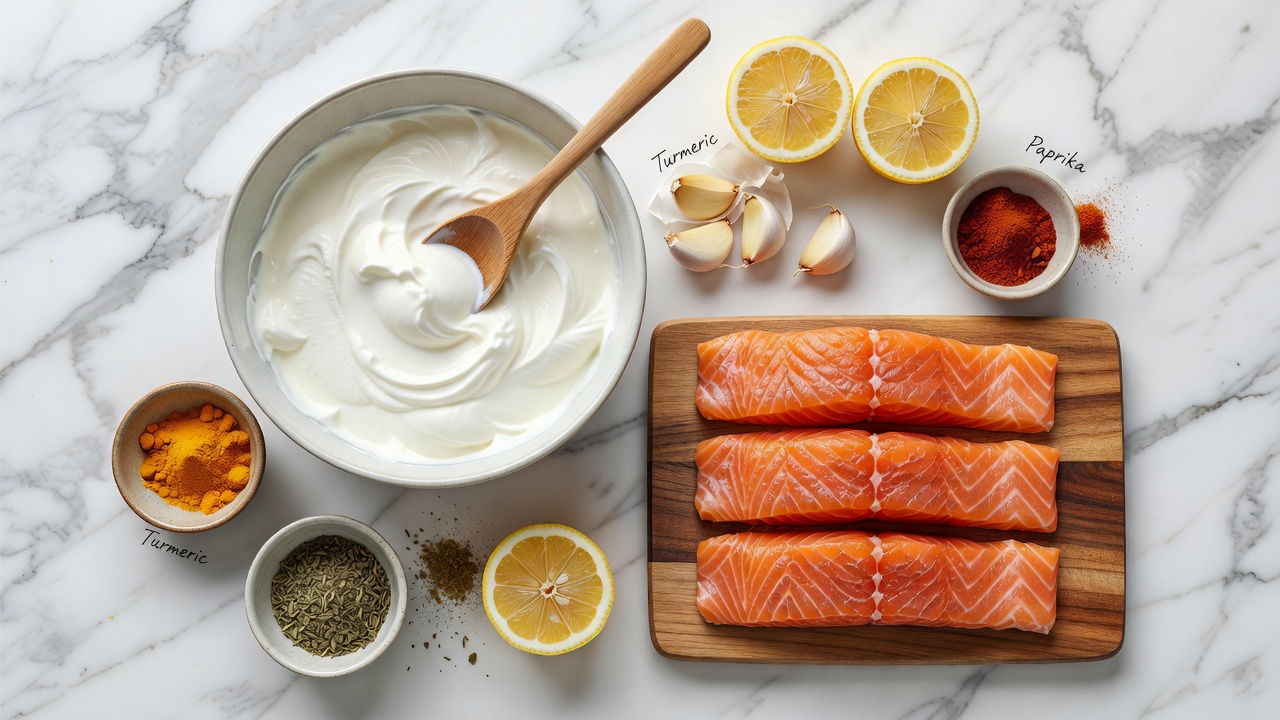
Marinating proteins in Greek yogurt tenderizes meat and creates a protective coating that locks in moisture during cooking. Combine one cup of plain Greek yogurt with lemon juice, minced garlic, cumin, coriander, and chopped fresh cilantro or parsley. Coat chicken thighs, salmon fillets, or pork tenderloin and refrigerate for at least 30 minutes. Grill or sear the marinated pieces until they reach safe internal temperatures. The yogurt caramelizes slightly on the surface, producing appealing color and flavor. This technique works especially well for weeknight grilling because the marinade requires almost no advance planning beyond the short rest period.
Comparing Greek Yogurt to Other Quick Protein Sources
- Time efficiency: Unlike dried beans that require soaking or pre-cooked rotisserie chicken that may need reheating, Greek yogurt integrates instantly into sauces and marinades.
- Cost considerations: A large container provides multiple servings at a lower per-serving cost than many specialty protein powders or pre-portioned deli meats.
- Flavor adaptability: The neutral base accepts both bold spices and delicate herbs, making it suitable for global cuisines without texture changes.
- Storage flexibility: Unopened tubs last weeks in the refrigerator, offering more flexibility than fresh proteins with shorter shelf lives.
For broader perspectives on nutrition and public health recommendations, visit the World Health Organization nutrition pages.
Flavor Pairing and Seasoning Tips
Successful savory applications balance the natural acidity of Greek yogurt. Sweet elements such as roasted red peppers, caramelized onions, or a touch of honey counteract tanginess. Earthy spices like turmeric, za’atar, or smoked paprika add depth. Fresh herbs including dill, mint, and chives brighten finished dishes. When working with acidic ingredients, add them after the yogurt has been incorporated and keep heat low to maintain emulsion.
Storage, Leftovers, and Food Safety
Cooked yogurt-based meals store well in airtight containers in the refrigerator for up to three days. Reheat gently over low heat, stirring occasionally and adding a splash of broth or water if the sauce thickens. Avoid high-heat microwaving, which can cause separation. These dishes do not freeze successfully because the yogurt’s texture changes upon thawing. Always check that leftover proteins reach proper reheating temperatures for safety.
Common Mistakes to Avoid
Many cooks encounter curdling when yogurt is added directly to simmering liquids. Prevent this by removing the pan from heat first. Another frequent error is over-seasoning; taste as you build the sauce rather than adding large amounts of salt at once. Finally, using flavored yogurts introduces unwanted sweetness or fruit pieces that clash with savory profiles.
Frequently Asked Questions
Will the yogurt curdle when heated?
Curdling occurs primarily when yogurt meets high heat or acid simultaneously. Always temper the yogurt by removing the pan from the burner and stirring it in gradually.
How can I adjust the taste if it is too tangy?
Counteract excess tang with a small amount of honey, maple syrup, or additional fresh herbs. A pinch of baking soda can also mellow acidity in some sauces.
Can I use flavored yogurt in these recipes?
Plain, unsweetened Greek yogurt is recommended. Flavored varieties add sugars and fruit that disrupt savory flavor balance.
Is Greek yogurt suitable for lactose-intolerant diners?
Many people with mild lactose sensitivity tolerate Greek yogurt better due to its lower lactose content from straining, but individual tolerance varies.
What protein amounts can I expect per serving?
Adding one cup of Greek yogurt to a recipe serving four typically contributes an extra 5 grams of protein per portion, depending on the other ingredients used.
Conclusion
Integrating Greek yogurt into quick dinner recipes provides an accessible method for boosting protein while preserving flavor and minimizing preparation time. The techniques and examples outlined above demonstrate its adaptability across pasta dishes, skillets, and grilled proteins. With attention to proper temperature control and thoughtful seasoning, these meals deliver both nutritional value and weeknight convenience.

No comments yet. Be the first!