 Func Eats

High Protein Meals for Shift Workers: Adapting Quick Recipes
Shift work disrupts normal eating patterns, making it challenging to maintain consistent nutrition and energy levels. This guide focuses on high protein meals that fit irregular schedules, using quick recipes with minimal equipment and everyday ingredients. Whether you work nights or rotating shifts, these strategies help sustain energy without extra stress. Many shift workers struggle with fatigue, poor recovery, and inconsistent energy because traditional meal plans assume a 9-to-5 lifestyle. By focusing on adaptable high protein options, you can support muscle maintenance, mental clarity, and overall health even when your clock is flipped.
Understanding Meal Timing for Sustained Energy
Aligning meals with your shift can stabilize blood sugar and prevent fatigue. Aim to eat a balanced meal 1-2 hours before starting work, followed by smaller protein-rich snacks during breaks. For overnight shifts, prioritize protein at "dinner" time to mimic daytime routines. Research from health authorities emphasizes regular protein intake for muscle repair and alertness. Mayo Clinic provides guidance on how protein supports overall metabolic health during disrupted schedules. Consider dividing your eating window into three main periods: a pre-shift meal for steady fuel, mid-shift snacks to avoid energy dips, and a post-shift recovery meal that aids rest. For example, a night-shift worker might eat at 6 PM before work, have a protein shake around midnight, and finish with a light meal at 8 AM after the shift ends. This approach helps regulate hormones like cortisol and melatonin that influence hunger and sleep.
Flexible Protein Sources for Busy Schedules
Versatile options include eggs, Greek yogurt, canned tuna, rotisserie chicken, tofu, and protein powder. These require little cooking and store well. Rotate sources to avoid boredom while hitting 20-30 grams of protein per meal. Canned beans and lentils add plant-based variety with minimal prep. Other reliable choices are cottage cheese, jerky, hard-boiled eggs, and shelf-stable milk alternatives fortified with protein. When shopping, look for items that combine protein with fiber or healthy fats for longer satiety. For instance, pairing Greek yogurt with nuts creates a complete snack that travels easily in a cooler bag. Shift workers often benefit from keeping backup proteins like single-serve tuna packets or ready-to-drink shakes in a work locker for unexpected overtime or delayed breaks.
Efficient Assembly Techniques
Use one-pan methods, pre-chopped produce, and no-cook assemblies. Keep a stocked pantry with shelf-stable proteins and quick-cook grains like quinoa or oats. Batch-prep basics such as hard-boiled eggs or grilled chicken strips on days off to speed up assembly later. Another time-saving tactic is organizing your fridge into "shift kits"—pre-portioned containers with protein, veggies, and carbs that can be grabbed and combined in minutes. Invest in a good insulated lunch bag and reusable ice packs to keep meals safe during long commutes. These techniques reduce decision fatigue, which is common after long or overnight shifts when willpower is low.
Three Adaptable High Protein Recipes
1. Protein-Packed Overnight Oats
Combine 1/2 cup oats, 1 scoop protein powder, 1 cup milk or yogurt, and chia seeds in a jar. Refrigerate overnight. Add nuts or fruit before eating. This no-cook option works for any shift and delivers around 30g protein. Variations include swapping protein powder for Greek yogurt to boost probiotics, or adding peanut butter for healthy fats. Prepare several jars on your day off so you have grab-and-go meals for three or four shifts. The oats provide slow-release carbohydrates that pair well with the fast-digesting protein, helping maintain steady energy throughout a long night.
2. One-Pan Egg and Veggie Scramble
Sauté pre-cut vegetables in a skillet, add 3-4 eggs or egg whites, and season simply. Ready in under 10 minutes. Pair with whole-grain toast for extra staying power. Ideal for quick home meals before or after shifts. To adapt further, use frozen vegetable mixes that require no chopping, or add leftover rotisserie chicken for extra protein. Scramble variations can incorporate spinach and feta for Mediterranean flavor or salsa and black beans for a Southwest twist. This recipe scales easily—if you have extra time, cook a double batch and portion leftovers for the next day.
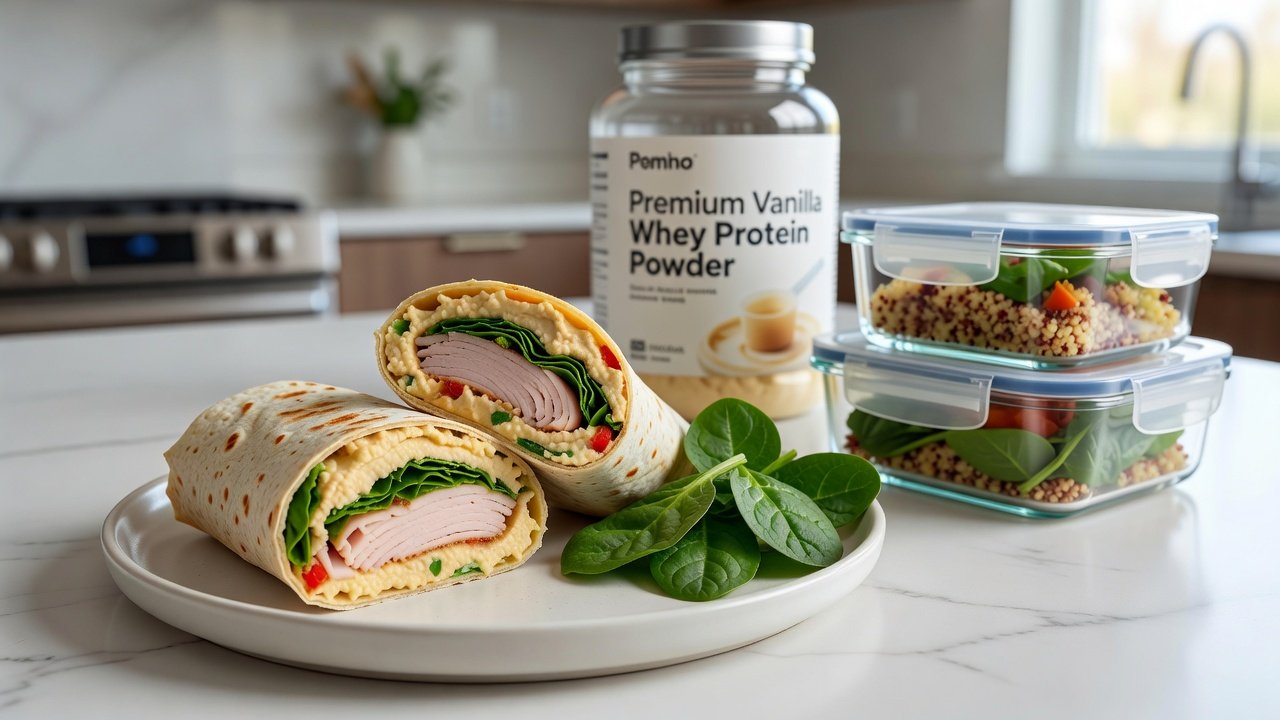
3. Turkey and Hummus Wraps
Spread hummus on a whole-wheat tortilla, layer with deli turkey, spinach, and cheese. Roll and wrap in foil. Portable for breaks and provides 25g+ protein with no reheating needed. For variety, substitute grilled chicken strips or canned salmon, and experiment with different spreads like Greek yogurt tzatziki. These wraps hold up well in a cooler and can be made assembly-line style for the entire week. They are especially useful during rotating shifts when you may not know your exact break times in advance.
Comparing Prep Methods
- No-cook assemblies: Fastest for immediate needs but rely on pre-made items. Best when energy is limited after a demanding shift.
- One-pan cooking: Balances speed and freshness with easy cleanup. Requires only a single skillet and minimal active time.
- Batch prep: Highest upfront time but yields multiple servings for the week. Ideal on days off when you have more bandwidth.
Choose based on your energy levels and available time between shifts. Many workers combine methods—for example, batch-prepping proteins while using no-cook options for snacks.
Storage and Food Safety for Later Shifts
Proper storage extends meal usability. Refrigerate prepared meals for up to 4 days or freeze for longer. Use airtight containers and label with dates. Reheat only what you need to maintain quality. Thaw frozen items in the fridge overnight for safety. Centers for Disease Control and Prevention guidelines stress keeping cold foods below 40°F and hot foods above 140°F to prevent bacterial growth. For shift workers, this means using a reliable cooler with ice packs and avoiding leaving meals in a hot car. Glass containers are preferred over plastic for reheating because they resist staining and retain heat evenly.
FAQ on Storage for Later Shifts
- How long do prepared high protein meals last? Most last 3-4 days refrigerated when stored properly. Always check for off odors or texture changes before eating.
- Can I freeze these recipes? Yes, oats and scrambles freeze well for up to 2 months; wraps are best fresh. Label every container clearly with both the date and contents.
- What containers work best? Glass or BPA-free plastic with tight lids prevent spills during transport. Divided containers help keep components separate until mealtime.
- Any reheating tips? Use microwave in short bursts or enjoy cold to save time. Add a splash of water when reheating eggs to restore moisture.
- How do I handle meals during back-to-back shifts? Prepare double portions and store half in the freezer so you always have a backup option ready.
Common Mistakes to Avoid
Many shift workers skip meals entirely or rely on vending-machine snacks, leading to energy crashes. Another frequent error is over-relying on caffeine without pairing it with protein, which can worsen dehydration. Plan for hydration by carrying a refillable bottle and choosing water-rich foods like cucumber slices or melon alongside your protein. Finally, avoid extreme calorie restriction on work days; your body still needs fuel even if your schedule is unconventional.
Conclusion
Consistent nutrition on shift schedules is achievable with adaptable high protein meals and smart planning. Start with one recipe and build from there to support energy and health. World Health Organization highlights balanced protein intake as key to long-term wellness. Experiment with these techniques to fit your routine seamlessly and enjoy more stable energy across every shift.
No comments yet. Be the first!