 Func Eats
Introduction to High-Protein Recovery Dinners
After an intense workout, your body demands targeted nutrition to repair muscle tissue, reduce inflammation, and replenish depleted energy stores. High-protein recovery dinners emphasize precise nutrient timing to maximize these physiological benefits, enabling athletes, gym enthusiasts, and active professionals to recover faster and build strength more effectively. This strategy prioritizes consuming sufficient protein alongside complementary macronutrients within a practical window after exercise, all while relying on fast-cooking ingredients that fit into demanding schedules in 2026.
The science of muscle repair centers on elevated muscle protein synthesis rates following resistance or endurance training. When paired strategically with carbohydrates, these meals accelerate glycogen restoration, lower cortisol, and support overall metabolic recovery. Busy individuals benefit greatly from streamlined approaches that deliver results without requiring hours in the kitchen, making these dinners both effective and sustainable for long-term fitness goals.
Optimal Protein Portions for Recovery
Most adults performing regular strength or cardio sessions should target 20-40 grams of high-quality protein in their post-workout dinner. This amount effectively triggers muscle protein synthesis while remaining easy to digest. Needs scale with body weight, typically requiring 0.25 to 0.40 grams of protein per kilogram of body weight immediately after training. For a 80-kilogram individual, this translates to roughly 20-32 grams per meal, adjustable based on total daily intake and training intensity.
Practical portioning avoids excess calories yet supplies ample amino acids. Use simple tracking methods such as a kitchen scale for cooked proteins or visual references like a palm-sized portion of lean meat or fish. Over time, consistent portions help prevent under-recovery or digestive discomfort from oversized servings.
Pairing Protein with Carbs for Glycogen Replenishment
Combining protein and carbohydrates optimizes glycogen restoration and supports hormonal balance after exercise. Ratios around 3:1 or 4:1 carbohydrates to protein suit moderate to high-intensity sessions, delivering both fuel and building blocks for repair. This synergy reduces muscle breakdown and promotes faster return to training readiness.
Opt for quick-prep carbs including sweet potatoes, quinoa, or brown rice. These options cook rapidly in microwaves or skillets and provide steady energy release without dramatic blood sugar fluctuations. Adding vegetables boosts micronutrient density, further aiding recovery through antioxidants and fiber.
Fast-Cooking Ingredients: Turkey, Salmon, and Lentils
Efficient ingredient selection keeps total preparation under 20 minutes. Ground turkey browns evenly in a skillet within six to eight minutes, offering lean, complete protein. Salmon fillets require only 10-12 minutes via pan-searing or oven baking while supplying omega-3 fatty acids that combat exercise-induced inflammation. Red lentils cook in 12-15 minutes on the stovetop, delivering plant-based protein, iron, and fiber ideal for vegetarian adaptations.
These staples allow meal variety and accommodate different dietary preferences. Keep frozen or fresh versions on hand for maximum convenience and freshness.
4-5 Original Quick Recipes
The following five original recipes each assemble in under 20 minutes and emphasize recovery-focused nutrition with clear step-by-step instructions.
1. Lemon Garlic Turkey Skillet with Quinoa
Ingredients include 150 grams ground turkey, one cup cooked quinoa, lemon zest, minced garlic, and fresh spinach. Steps: Heat a non-stick skillet over medium heat and brown the turkey for six minutes while breaking it apart. Add garlic and spinach, sautéing three additional minutes until wilted. Fold in pre-cooked quinoa and lemon zest for two minutes. Total time: 12 minutes. This delivers approximately 20 grams of protein and supports quick glycogen refill through the quinoa.
2. Baked Salmon with Sweet Potato Mash
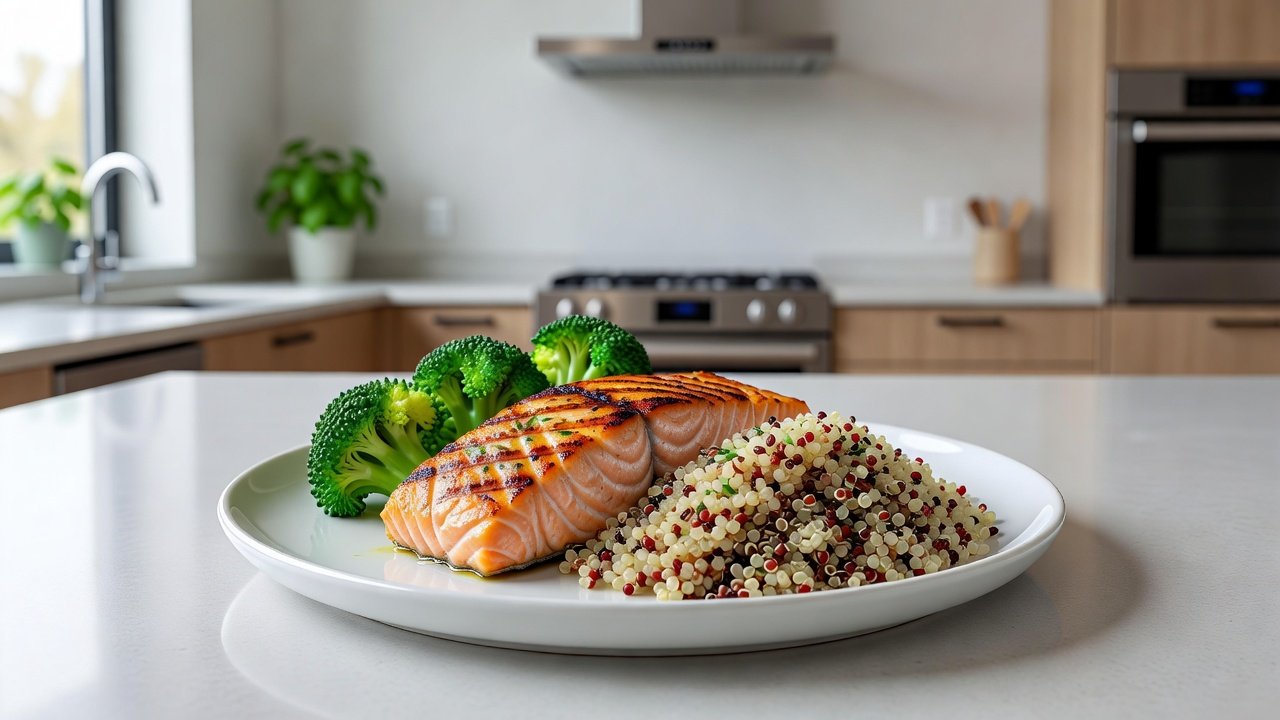
Ingredients: 120 grams salmon fillet, one small sweet potato, and broccoli florets. Steps: Microwave the sweet potato for five minutes then mash with a fork. Pan-sear the salmon skin-side down for eight minutes while steaming broccoli for four minutes on the side. Total time: 15 minutes. The meal provides 25 grams of protein plus anti-inflammatory omega-3s.
3. Lentil and Turkey Stir-Fry
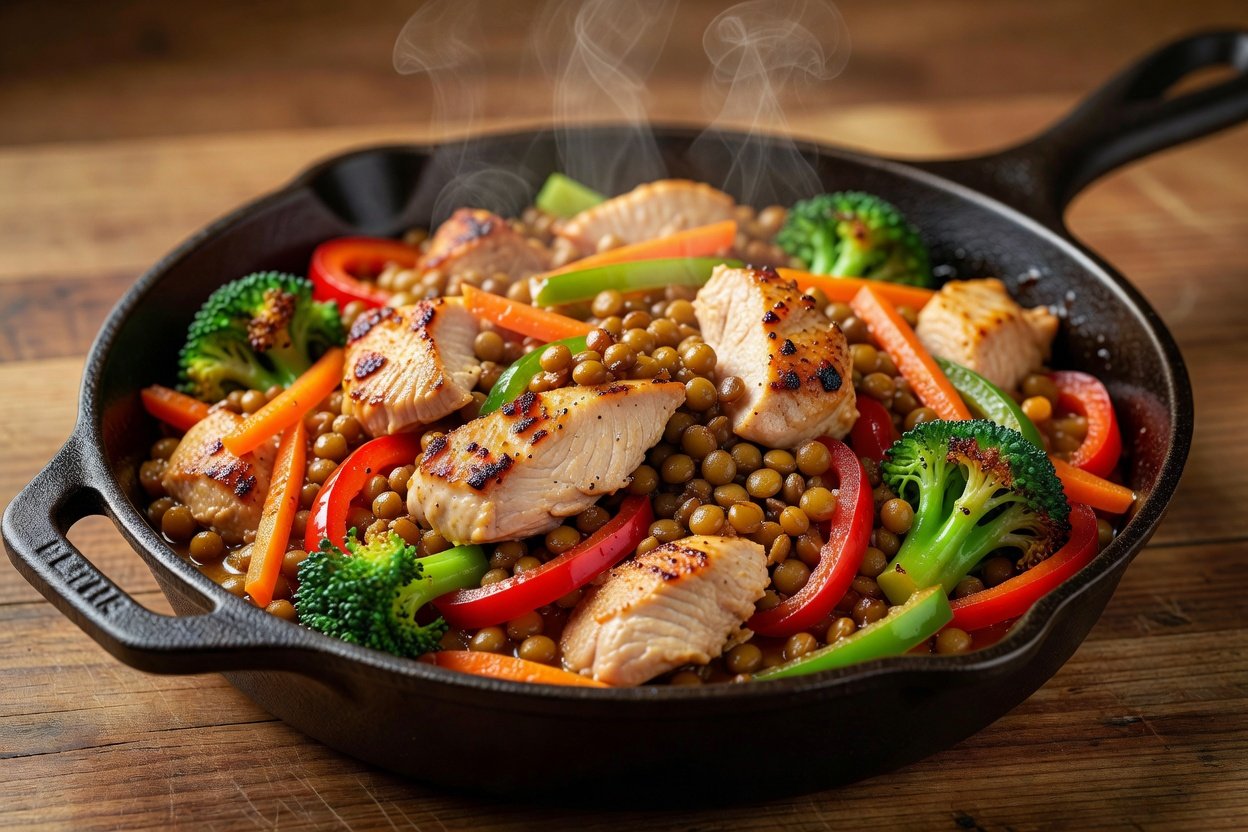
Ingredients: 100 grams cooked lentils, 100 grams turkey strips, sliced bell peppers, and a low-sodium soy alternative. Steps: Cook turkey strips for five minutes, then add peppers and lentils, stir-frying eight more minutes. Total time: 15 minutes. Yields 22 grams of protein with balanced carbs from lentils.
4. Herbed Salmon Lentil Bowl
Ingredients: 100 grams salmon fillet, 80 grams lentils, halved cherry tomatoes, and fresh herbs. Steps: Sear salmon seven minutes, heat lentils five minutes, then combine with tomatoes and herbs. Total time: 14 minutes. Supplies 24 grams of protein and ample fiber.
5. Quick Turkey Lentil Curry
Ingredients: 120 grams ground turkey, 100 grams red lentils, spinach, and mild curry spices. Steps: Simmer lentils 10 minutes while browning turkey separately for six minutes, then combine with spinach. Total time: 18 minutes. Offers 23 grams of protein and warming flavors for post-training comfort.
Animal vs Plant Protein Sources: Absorption Rates
Animal proteins such as turkey and salmon generally feature higher bioavailability and complete amino acid profiles, with absorption rates often exceeding 90 percent. This allows efficient delivery of essential amino acids like leucine that directly stimulate muscle repair. Plant proteins from lentils absorb at approximately 70-85 percent efficiency due to fiber and anti-nutrient content, yet they remain highly effective when portions are modestly increased or combined with complementary foods. According to guidance from Mayo Clinic, both categories support recovery equally well when total daily protein targets are met. Blending sources, for instance pairing lentils with turkey, maximizes absorption while enhancing meal variety and micronutrient intake.
Common Mistakes to Avoid
- Omitting carbohydrates entirely, which slows glycogen replenishment and prolongs fatigue.
- Depending excessively on protein powders instead of whole-food meals that provide additional vitamins and minerals.
- Delaying eating beyond two hours post-workout, missing the peak window for optimal synthesis.
- Preparing meals with excessive added fats that delay gastric emptying and nutrient uptake.
- Neglecting hydration, which impairs nutrient transport and muscle function during recovery.
- Using overly complex recipes that increase preparation stress and reduce consistency.
FAQ
How important is hydration post-workout?
Hydration plays a critical role in transporting nutrients to muscles and maintaining cellular function. Consume water or lightly electrolyte-enhanced fluids alongside your recovery dinner to replace sweat losses and support overall metabolic processes.
Are there myths about meal timing?
The notion of a rigid 30-minute anabolic window is often overstated. Research indicates consuming a balanced meal within one to two hours after training still produces excellent recovery outcomes, as outlined by resources from Academy of Nutrition and Dietetics.
How to scale for different activity levels?
Individuals with lighter activity may require only 15-25 grams of protein, while those completing intense or prolonged sessions benefit from 30-40 grams plus additional carbohydrates. Adjust portions according to workout duration, body weight, and training frequency for tailored results.
What role does sleep play alongside these dinners?
Quality sleep amplifies the benefits of recovery nutrition by allowing hormonal processes like growth hormone release to repair tissues overnight. Pairing nutrient-dense dinners with consistent sleep schedules maximizes muscle adaptation and reduces injury risk.
Conclusion
Integrating these high-protein recovery dinners into your weekly routine delivers efficient muscle repair, improved performance, and sustainable progress. Prioritize quick ingredients, balanced macronutrients, and consistent timing to achieve meaningful results throughout 2026 and beyond.
No comments yet. Be the first!