 Func Eats
Introduction: Why Smart Eating Myths Persist in 2026
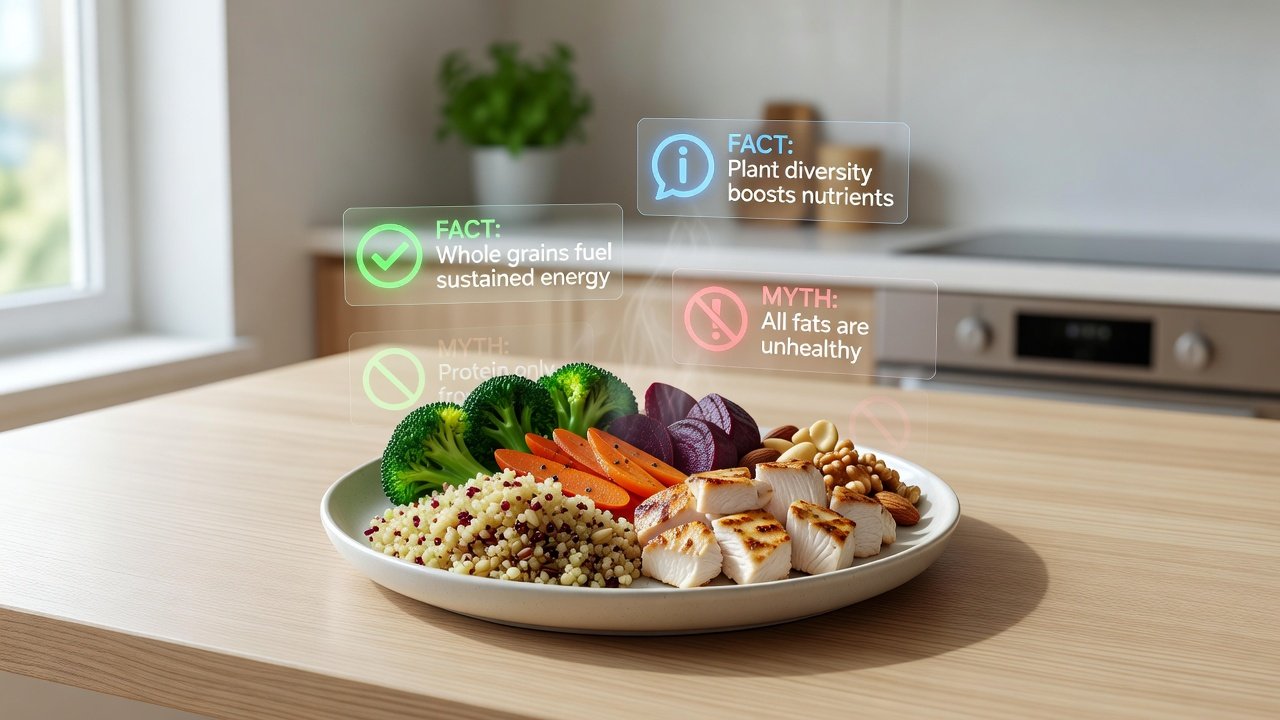
Nutrition advice evolves quickly, yet many outdated ideas about smart eating continue circulating online and in everyday conversations. As of late 2026, new research from major health organizations continues to refine our understanding of how food choices affect energy, weight management, and long-term health. This article examines five widespread misconceptions, contrasts them with current evidence, and provides practical ways to apply corrected principles immediately. The goal is to move beyond surface-level tips and deliver depth that helps readers make informed decisions based on the latest available data rather than viral trends.
Readers searching for evidence-based clarification will find clear side-by-side comparisons, multiple real-world before-and-after scenarios, and simple tests they can run this week. Emphasis is placed on sustainable habits that fit varied lifestyles, budgets, and cultural preferences. By addressing root causes of confusion, such as oversimplified headlines and selective study reporting, this guide aims to build lasting confidence in daily food choices.
Myth 1: All Carbohydrates Should Be Avoided for Smart Eating
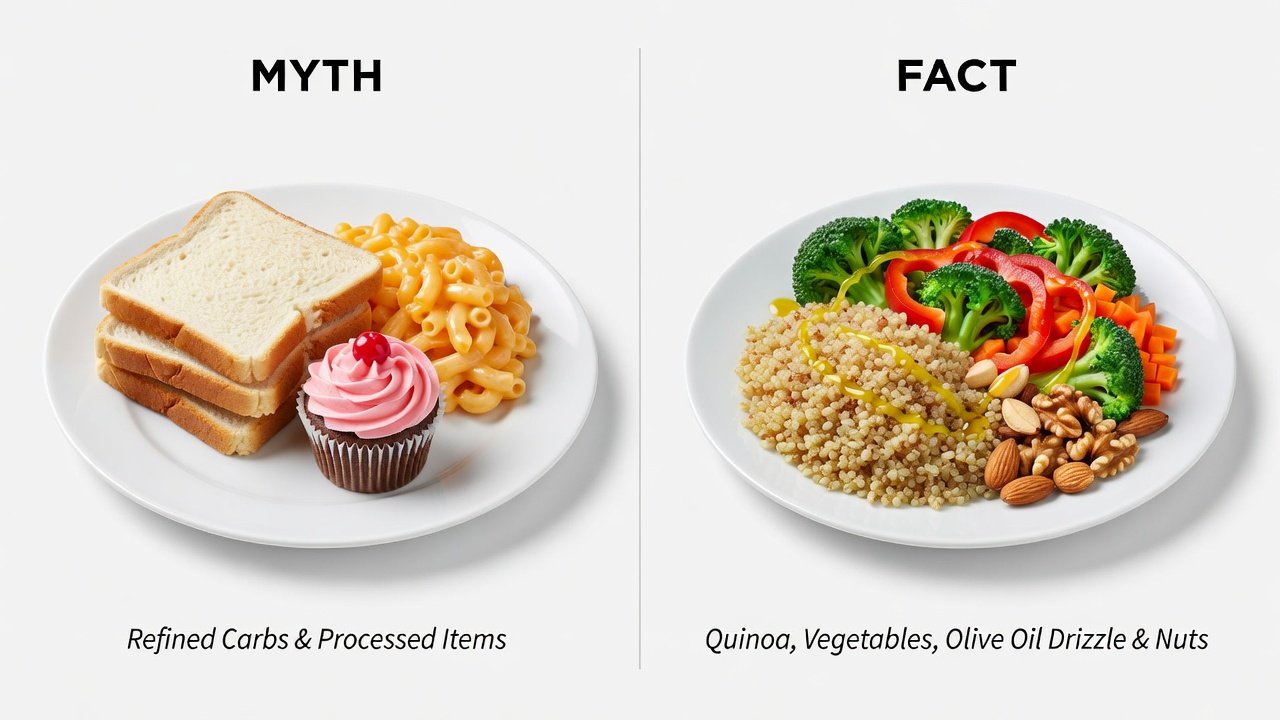
Myth: Carbohydrates cause weight gain and should be eliminated. Fact: Quality and quantity matter; whole-food carbohydrates support sustained energy and gut health when chosen wisely. Recent analyses emphasize that fiber-rich sources like oats, legumes, and vegetables improve metabolic markers without the energy crashes associated with refined options. A side-by-side view shows white bread and sugary cereals versus quinoa bowls or lentil soups. The latter group delivers steady glucose release without spikes and provides essential micronutrients often missing from low-carb extremes.
Before-and-after example: A person who removed all carbs for three months reported fatigue and regained weight quickly upon returning to normal patterns. After reintroducing measured portions of vegetables and whole grains while keeping total calories stable, energy stabilized and body composition improved over eight weeks. Another case involved an office worker who swapped afternoon crackers for a bean salad and noticed reduced cravings by day four.
Actionable step to test today: Replace one refined carb serving with a vegetable-forward option at dinner and track afternoon energy levels for three days. Experiment with portion sizes by using a measuring cup initially, then transition to visual cues such as filling half your plate with produce. Watch for changes in mood and focus, as these often appear before scale movements.
Myth 2: Dietary Fat Directly Leads to Body Fat
Myth: Eating fat makes you gain fat. Fact: Unsaturated fats from sources such as avocados, nuts, and olive oil support hormone function and satiety when included in balanced meals. Evidence from large cohort studies shows moderate inclusion of these fats correlates with better cardiovascular outcomes when overall calorie balance is maintained. Side-by-side comparison: butter-heavy meals versus meals drizzled with olive oil and paired with vegetables demonstrates how the latter increases meal satisfaction without excess calories.
Before-and-after example: Someone avoiding all fats experienced constant hunger and poor skin health. Reintroducing two tablespoons of nuts daily led to improved fullness and better meal satisfaction within one month. A second participant replaced low-fat dressings with olive oil versions and reported fewer between-meal snacks after two weeks.
Actionable step: Add a small handful of unsalted nuts to your midday snack and note changes in hunger signals over the next four days. Consider rotating nut varieties to broaden nutrient intake and prevent boredom. Pair this habit with mindful eating practices, such as eating without screens, to enhance recognition of true satiety cues.
Myth 3: Protein Must Be Consumed Immediately After Exercise
Myth: Missing the 30-minute post-workout window ruins muscle gains. Fact: Total daily protein intake and consistent training matter more than precise timing for most people. Current reviews indicate that spreading protein across meals supports recovery effectively, especially when total intake reaches 1.6 grams per kilogram of body weight. Side-by-side: rushing a shake right after training versus eating a balanced dinner containing eggs, fish, or beans within two hours shows similar muscle protein synthesis rates over 24 hours.
Before-and-after example: An athlete obsessed with immediate shakes felt stressed and inconsistent with training. Shifting focus to even protein distribution across breakfast, lunch, and dinner produced similar strength gains with less pressure. A recreational runner who previously skipped post-run meals entirely added eggs at breakfast and noticed faster recovery from long runs within ten days.
Actionable step: Aim for 20–30 grams of protein at each main meal today and tomorrow, then assess recovery and hunger patterns. Use simple tools like eggs, Greek yogurt, or canned fish for convenience. Track sleep quality alongside protein timing, as better recovery often correlates with consistent intake rather than strict windows.
Myth 4: Detox Diets Are Necessary for Smart Nutrition
Myth: Periodic detox cleanses remove toxins and reset metabolism. Fact: The liver and kidneys handle detoxification continuously; restrictive cleanses often lead to nutrient gaps and rebound eating. Authoritative sources such as the World Health Organization stress balanced, varied diets over short-term extremes. Side-by-side comparison: juice-only regimens versus colorful plates featuring fruits, vegetables, whole grains, and lean proteins illustrates superior nutrient density in the latter approach.
Before-and-after example: A participant on a five-day detox felt weak and regained weight rapidly. Switching to daily vegetable variety and adequate hydration maintained steady energy without extremes. Another individual replaced a planned cleanse with increased water and fiber intake and reported improved digestion without the typical post-detox binge.
Actionable step: Increase daily vegetable servings to at least five different colors this week while maintaining normal meals. Incorporate herbs and spices for flavor without added sugars. Monitor digestion and energy rather than weight alone during the first seven days.
Myth 5: Only Total Calories Determine Health Outcomes
Myth: A calorie is a calorie regardless of source. Fact: Food quality influences inflammation, microbiome diversity, and long-term disease risk beyond simple energy counts. Studies highlight that nutrient-dense patterns reduce markers of chronic inflammation more effectively than calorie restriction alone. Side-by-side: processed snacks totaling 500 calories versus a meal with salmon, greens, and sweet potato at the same calorie level reveals differences in satiety duration and next-day energy.
Before-and-after example: Someone tracking only calories felt low energy despite hitting targets. Prioritizing minimally processed foods improved mood and sleep within two weeks. A busy parent who swapped packaged snacks for homemade trail mix noticed children asking for fewer treats after consistent exposure to whole-food options.
Actionable step: Choose one processed item daily and swap it for a whole-food alternative; monitor how you feel after seven days. Combine this with weekly meal planning to reduce reliance on convenience foods. Review progress by journaling energy levels at consistent times each day.
Frequently Asked Questions
Will these changes require expensive specialty foods?
No. Most adjustments use common grocery items such as oats, eggs, beans, and seasonal produce available at standard markets. Focus on frozen vegetables and bulk staples to keep costs low while maintaining quality.
How long until results appear?
Many people notice steadier energy and better satiety within one to two weeks when changes are consistent. Visible body composition shifts typically require four to eight weeks of steady habits combined with adequate sleep and movement.
Can these principles work with existing medical conditions?
Always consult a healthcare professional before major dietary shifts, especially with diagnosed conditions or medications. Personalized adjustments may be needed for diabetes, kidney concerns, or food allergies.
Is tracking everything necessary?
Tracking helps initially for awareness but is not required long-term once habits become intuitive. Many find periodic check-ins sufficient after the first month.
What if progress stalls after initial improvements?
Reassess portion sizes, sleep duration, and stress levels. Small tweaks such as adding a 10-minute walk after meals often reignite momentum without overhauling the entire plan.
Quick-Start Checklist for Applying Corrected Principles
- Include at least one fiber-rich carbohydrate at two meals daily and measure portions with a cup for the first week.
- Add a source of healthy fat to lunch or dinner using measured amounts like one tablespoon of oil or a quarter avocado.
- Distribute protein across three main meals aiming for 20-30 grams each time, using accessible options like yogurt or canned tuna.
- Choose five different vegetables or fruits each day, rotating colors to maximize nutrient variety.
- Limit ultra-processed snacks to no more than one serving daily and replace with whole-food alternatives.
- Drink water throughout the day instead of relying on restrictive cleanses or sugary beverages.
- Review progress after seven days by noting energy, hunger, and sleep patterns in a simple journal.
- Adjust one habit at a time if changes feel overwhelming, building consistency before adding complexity.
These evidence-aligned adjustments support sustainable smart eating without extreme rules. For broader context on balanced nutrition, refer to guidance from the Centers for Disease Control and Prevention and ongoing updates from the National Institutes of Health.


No comments yet. Be the first!