 Func Eats
Introduction to Smart Eating on a Budget
Smart eating in 2026 means making intentional food choices that support both your health and your wallet. With rising grocery costs, adopting smarter nutrition habits allows beginners to enjoy nutrient-rich meals without overspending. This approach emphasizes mindful eating techniques that reduce waste and maximize value from every purchase. By focusing on whole foods and planned preparation, you can build sustainable habits that improve energy levels and overall wellness. Mindful eating encourages slowing down to appreciate flavors and recognize true hunger cues, which naturally leads to better portion control and fewer impulse purchases at the store.
Benefits of Combining Smart Eating with Mindful Practices
Integrating mindful eating into budget strategies delivers multiple advantages beyond simple cost savings. It promotes better digestion, reduces stress around mealtimes, and helps prevent overeating that often occurs with processed convenience foods. Research from organizations like the World Health Organization highlights how nutrient-dense diets support long-term health outcomes. Beginners often notice improved focus and mood within weeks of consistent practice. Additionally, these habits lower household food waste, contributing to both financial and environmental benefits.
Selecting Nutrient-Dense Affordable Foods
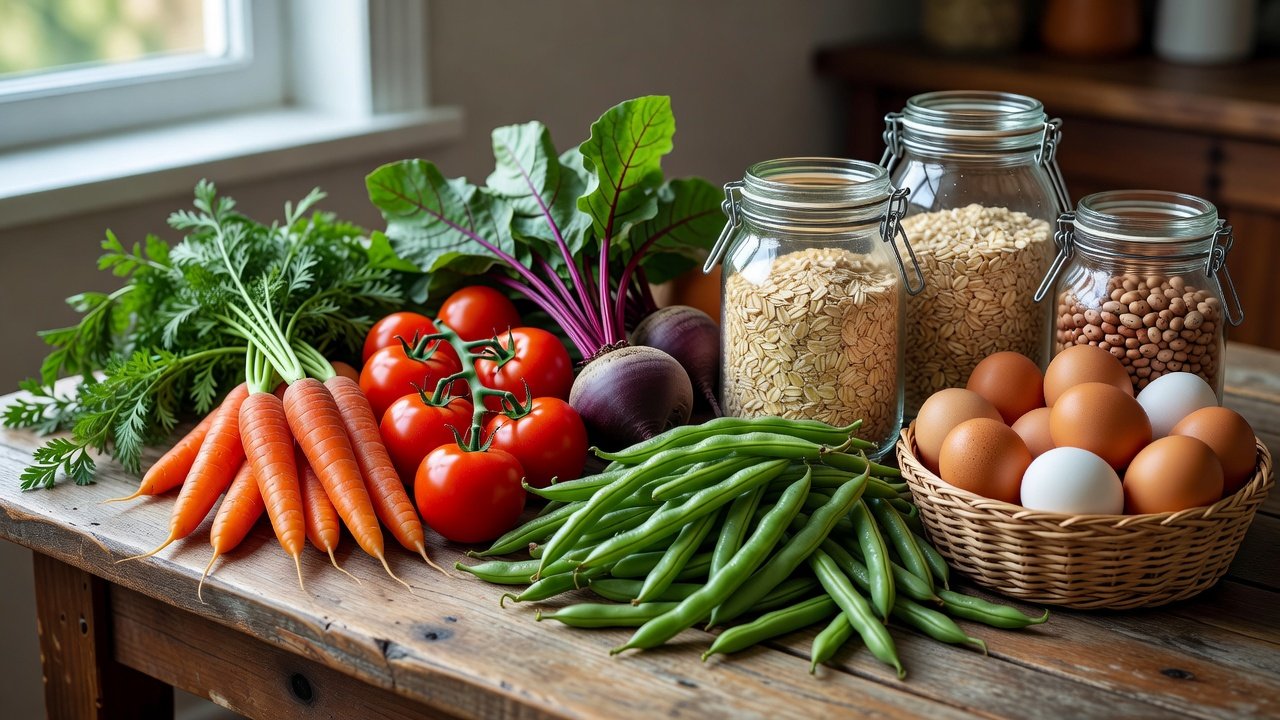
Focus on whole foods like beans, lentils, oats, eggs, and seasonal produce. These options deliver high nutrition at low cost. Compare seasonal vegetables such as carrots and cabbage against processed snacks; the former provide fiber and vitamins while costing far less per serving. Mindful eating starts at the store by checking unit prices and avoiding impulse buys. Stock up on frozen fruits and vegetables when they are on sale, as they retain nutrients and extend shelf life. Other budget heroes include brown rice, potatoes, cabbage, and canned tuna in water. These items form the foundation of balanced plates without requiring frequent restocking.
Creating Weekly Shopping Lists for Success
Build a shopping list around staples and planned meals. Include items like rice, canned tomatoes, frozen berries, and whole-grain pasta. This prevents duplicate purchases and supports batch cooking methods that cut waste. Review your pantry before shopping to identify what you already have. Organize your list by store sections to speed up trips and reduce forgotten items. Consider a simple template: proteins, produce, grains, and pantry staples. For families, add versatile items like eggs and yogurt that work across multiple meals. This methodical approach turns grocery shopping into a quick, low-stress task rather than an overwhelming chore.
Batch Cooking Methods That Reduce Waste
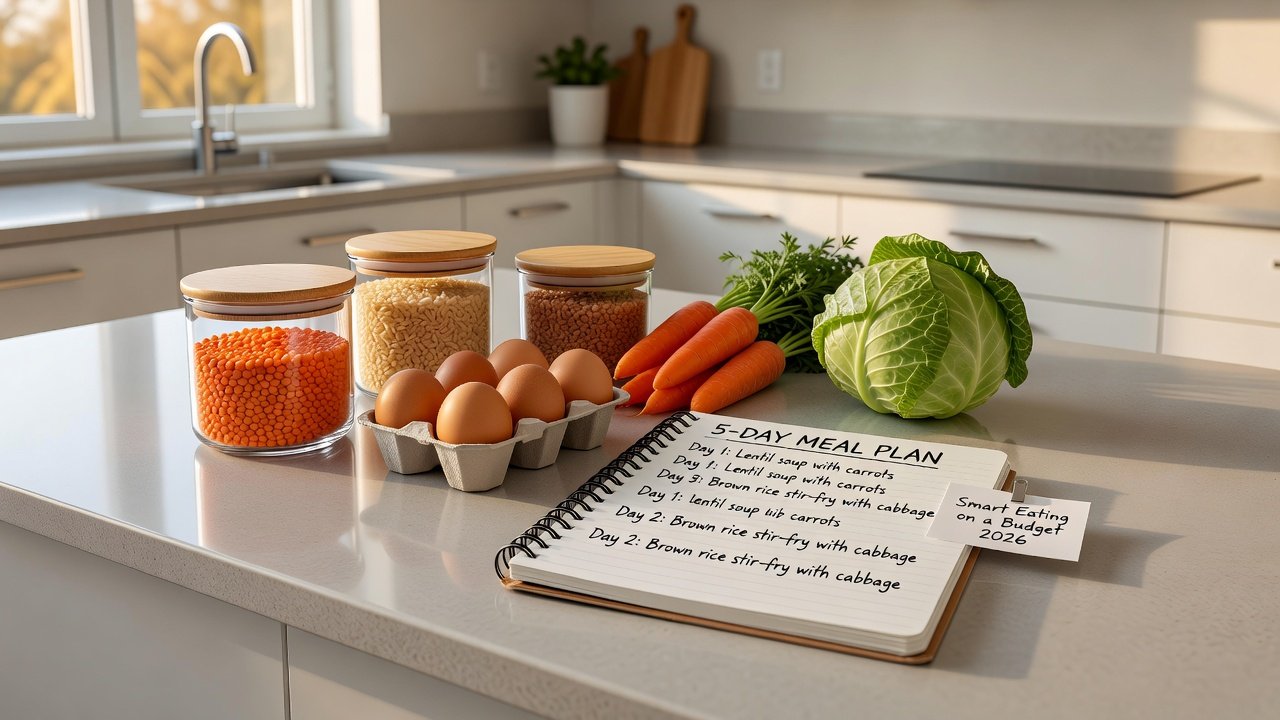
Prepare large batches of soups, stews, or grain bowls on weekends. Cook once and portion into reusable containers for the week ahead. This strategy saves time and money while encouraging mindful portions. For example, a big pot of lentil soup can become multiple lunches and dinners. Try roasting a tray of root vegetables alongside baking chicken thighs or boiling a dozen eggs. These components mix and match into salads, wraps, and bowls throughout the week. Freezing extra portions extends the value even further, creating a personal emergency meal kit for busy evenings.

Step-by-Step Planning Process
- Assess your current eating habits and budget by tracking one week of spending and meals.
- Choose 3-4 core recipes for the week that share ingredients to minimize waste.
- Shop using your list and stick to it, focusing on sales and seasonal items.
- Batch cook proteins and grains in one session, dividing into daily portions immediately.
- Practice mindful eating by savoring each meal without distractions such as screens.
- Review and adjust at week's end to refine future plans based on what worked.
Seasonal vs. Processed Options Comparison
Seasonal produce often costs significantly less than out-of-season imports and tastes fresher. Processed foods may seem convenient but frequently contain added sugars and preservatives that undermine health goals. Choosing whole foods supports smarter nutrition and long-term health. For instance, buying apples in fall versus imported berries in winter can cut produce expenses dramatically while maintaining flavor and nutrients. Processed snacks also tend to have shorter satiety periods, leading to more frequent purchases. The Centers for Disease Control and Prevention at cdc.gov notes that whole-food diets correlate with better weight management and disease prevention.
7-Day Meal Ideas Under $50
Here is a sample week of meals designed for smart eating on a budget as of 2026-10-20, totaling under $50 for a single person. Breakfasts feature oatmeal with frozen fruit or scrambled eggs with spinach. Lunches include bean salads, egg wraps, or leftover grain bowls. Dinners rotate between lentil curry with rice, vegetable stir-fry over noodles, hearty vegetable soup, and pasta with homemade tomato sauce. Snacks consist of yogurt with oats or carrot sticks with hummus. Each day builds on shared ingredients like onions, garlic, and rice to control costs. Adjust portions and shop sales to stay within budget while enjoying variety and satisfaction.
Common Mistakes to Avoid
Many beginners overlook the importance of meal planning and end up with spoiled produce. Another frequent error is buying trendy superfoods instead of affordable staples. Avoid shopping while hungry, which leads to impulse buys of expensive processed items. Finally, skipping batch cooking often results in daily takeout decisions that blow the budget. Recognizing these pitfalls early helps maintain consistent smart eating habits.
Overcoming Common Barriers: FAQ
How do I manage time constraints?
Prep ingredients in advance and use one-pot recipes. Even 15 minutes of weekend planning yields big time savings during busy weekdays. Double batches on Sunday can cover lunches and dinners for several days.
What if family members have different preferences?
Offer customizable bases like rice bowls where everyone adds their own toppings. Introduce new foods gradually to build acceptance, and involve family in simple prep tasks to increase buy-in.
Is mindful eating realistic on a tight schedule?
Yes. Start with two minutes of focused eating per meal and build the habit. It improves digestion and prevents overeating, supporting both health and savings over time.
Can I still eat out occasionally?
Yes, but limit it to once a week and choose simple options like salads or grilled proteins. Pack leftovers for the next day to stretch the value.
How do I handle unexpected schedule changes?
Keep a few frozen batch meals ready. Having pre-portioned options prevents last-minute expensive decisions and keeps you aligned with your smart eating goals.
Conclusion
Embracing smart eating on a budget in 2026 combines mindful eating with practical nutrition tips for sustainable results. By prioritizing nutrient-dense foods, planning ahead, and batch cooking, anyone can achieve healthier meals without financial strain. Start small, track your progress, and refine your approach each week for lasting success. These strategies create a foundation for lifelong wellness that fits any lifestyle.
No comments yet. Be the first!