 Func Eats
Introduction to Smart Eating on a Budget at Farmers Markets
In 2026, prioritizing nutrition while managing expenses remains a top goal for many households. Farmers markets offer a direct path to fresh, seasonal produce that supports smart eating without straining finances. This guide explores proven ways to maximize value, from strategic timing to menu planning, helping you build healthier meals year-round. By focusing on local vendors, shoppers often find higher nutrient density compared to conventional options, which can translate into better energy levels, improved digestion, and long-term wellness benefits.
Seasonal buying aligns purchases with peak availability, reducing costs and enhancing flavor. Whether new to markets or a regular visitor, these approaches deliver measurable improvements in both diet quality and spending control. The key lies in preparation and consistency, turning each market visit into an opportunity for smart, informed decisions that support your overall health goals.
Seasonal Buying Strategies for Maximum Savings
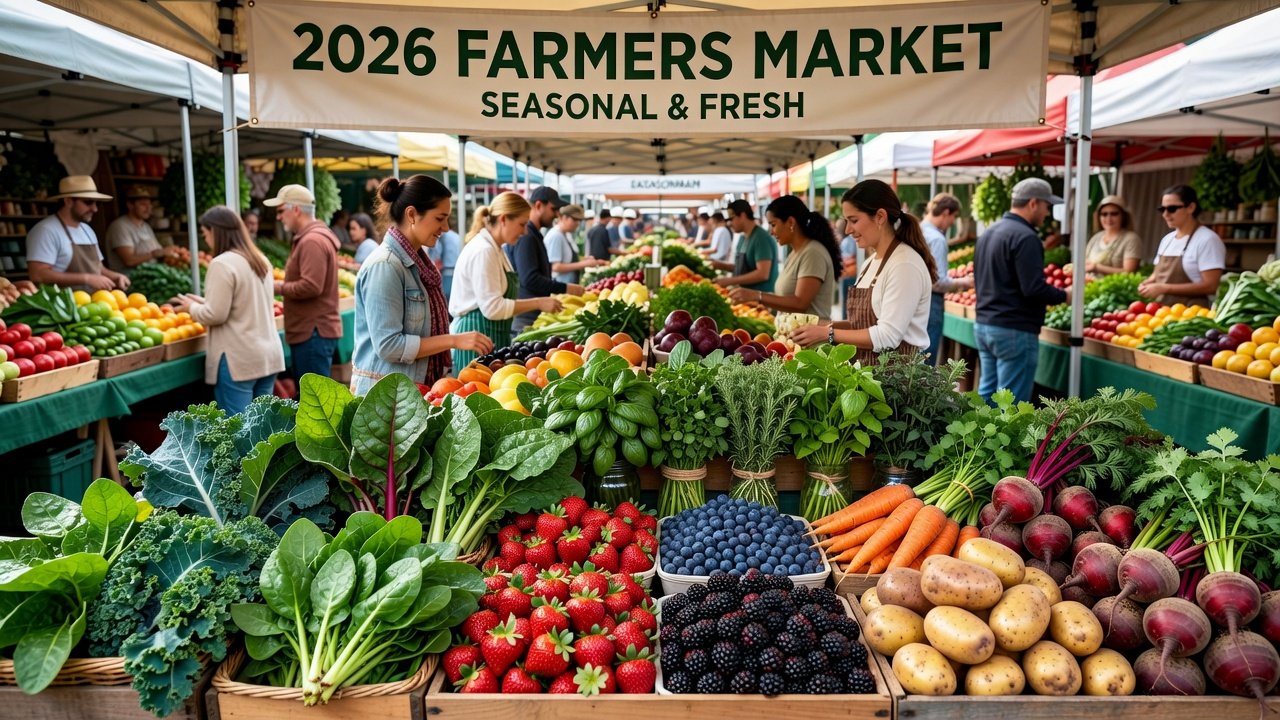
Understanding seasonal cycles is essential for smart eating. In spring, prioritize leafy greens and asparagus that arrive fresh from local farms. Summer brings berries, tomatoes, and zucchini at their peak ripeness, delivering superior taste and nutrients. Fall offers squash and apples perfect for roasting or baking, while winter markets feature root vegetables like carrots and beets that store well and provide steady nutrition through colder months. Aligning your list with these patterns ensures lower prices and fresher items every time you shop.
Arrive early for the best selection or later for potential deals on remaining stock. Research your local market's schedule through resources like the USDA to identify peak harvest periods in your region. This planning prevents impulse buys and keeps nutrition focused on whole foods. Additionally, create a rotating seasonal calendar at home to anticipate what will be abundant each month, allowing you to adjust recipes accordingly and avoid out-of-season purchases that inflate costs.
Market Day Preparation Tips
Before heading out, review your weekly meal plan and create a targeted shopping list organized by vendor type. Bring reusable bags, a cooler for delicate items, and cash in small denominations for easier transactions. Check weather forecasts since many markets operate outdoors, and dress appropriately to spend more time exploring stalls. These preparation steps streamline the experience and help maintain focus on nutrient-dense choices rather than last-minute decisions.
Consider visiting multiple markets in your area over time to compare variety and quality. Some regions host weekly events with different specialties, such as organic-focused vendors or those emphasizing heirloom varieties. Tracking these differences builds a deeper understanding of local availability and supports smarter long-term planning.
Negotiation Tips at the Farmers Market
Many vendors welcome polite inquiries about bulk pricing or slightly imperfect produce suitable for cooking. Start conversations by asking about daily specials or end-of-day availability. Building rapport over multiple visits often leads to consistent discounts on staples like greens or potatoes. For instance, asking about seconds on tomatoes can yield excellent options for sauces at reduced rates.
Bundle purchases across several items from one stall to encourage better rates. Always inspect items for quality before negotiating. These small steps compound over time, supporting sustained smart eating habits without compromising on freshness. Practice phrasing requests positively, such as expressing interest in supporting local growers through larger orders, which often opens doors to flexible pricing.
Nutrient Comparisons: Farmers Markets vs Supermarkets
Produce from farmers markets typically travels shorter distances, preserving more vitamins and minerals. For example, leafy greens retain higher levels of folate and vitamin C when harvested recently. Supermarket items may sit longer in transit, leading to gradual nutrient loss that affects overall dietary impact. Root vegetables at markets often show brighter colors and firmer textures, signaling better retention of antioxidants and fiber.
Studies from organizations such as the World Health Organization emphasize the benefits of fresh, minimally processed foods for overall health. At markets, you can often confirm growing practices directly with farmers, adding transparency that supports informed nutrition choices. This direct connection also allows questions about soil health or harvest timing, details rarely available in chain stores. Over repeated visits, these insights help prioritize items that deliver the greatest nutritional return for your efforts.
5-Item Starter Shopping List
- Leafy greens (spinach or kale) for salads, smoothies, and sautéed sides rich in vitamins A and K
- Seasonal berries for antioxidants, natural sweetness in breakfasts, and snacks that support immune function
- Root vegetables like carrots for versatile roasting, soups, and raw snacking with high fiber content
- Tomatoes or cucumbers for hydration, flavor in salads, and lycopene benefits in cooked dishes
- Herbs such as basil or parsley to elevate simple dishes, add aroma, and provide additional micronutrients
This focused list forms the foundation for multiple meals while keeping spending targeted on nutrient-rich options that stretch across the week.
Step-by-Step Budgeting Calculations
Begin by setting a weekly produce allocation based on household size and typical consumption patterns. Track current spending at supermarkets for one week as a baseline to identify categories with room for improvement. Next, compare market prices for equivalent items, noting savings on seasonal goods that align with your calendar. Adjust by swapping one or two processed snacks for fresh alternatives each week, such as replacing packaged chips with carrot sticks and herb dips.
Review totals monthly to refine the plan, ensuring smart eating remains sustainable. Documenting these shifts reveals patterns, such as consistent savings on bulk greens or herbs that can be dried for later use. Over time, this method builds confidence in balancing nutrition and cost while allowing flexibility for occasional treats or new seasonal discoveries.
Sample Weekly Menu Using Market Finds
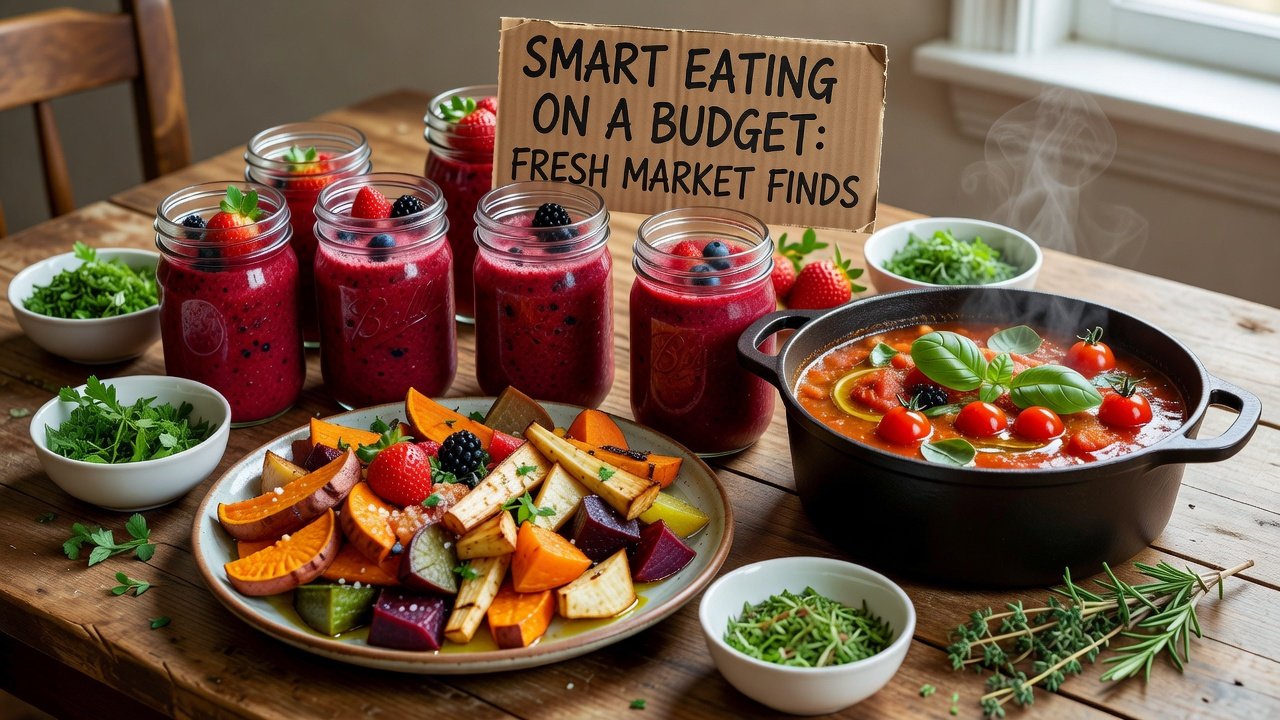
Breakfast: Berry and herb smoothies blended with greens for a nutrient-packed start. Lunch: Roasted root vegetable salads tossed with fresh herbs. Dinner: Tomato-based vegetable stews simmered with seasonal additions. Snacks: Carrot sticks or cucumber slices paired with simple herb seasonings. These meals rotate across seven days, incorporating the starter list plus one or two additional seasonal items for variety and balance.
For concrete examples, Monday might feature a spinach-berry smoothie and roasted carrot salad. By Wednesday, repurpose leftover vegetables into a hearty stew. Leftovers can be repurposed into soups or grain bowls, minimizing waste and reinforcing budget discipline through creative reuse.
Reducing Waste for Long-Term Savings
Proper storage extends shelf life: greens wrapped in damp cloths inside the refrigerator, roots kept in cool dark areas, and herbs standing in water like flowers. Plan recipes around all purchased items to avoid spoilage by incorporating them into multiple dishes. Freezing excess berries or herbs in portioned batches preserves nutrients for future smoothies or seasoning. These habits align with smart eating by maximizing every purchase and reducing the environmental footprint of food waste.
Another practical approach involves blanching vegetables before freezing to maintain color and texture. Sharing surplus with neighbors or community groups can also prevent loss when harvests exceed immediate needs, fostering a sense of community around local food systems.
Conclusion
Farmers markets empower smarter nutrition choices in 2026 through freshness, seasonality, and direct sourcing. Applying the strategies above transforms routine shopping into an efficient, health-focused practice that delivers both flavor and value. With consistent effort in preparation, negotiation, and menu planning, anyone can achieve better eating outcomes while staying mindful of expenses.
FAQs
How can I ensure produce quality at farmers markets?
Look for vibrant colors, firm textures, and ask vendors about harvest dates. Buying in season naturally supports higher quality and better nutrition, while avoiding items with wilting leaves or soft spots.
Is there a risk of higher prices compared to supermarkets?
Seasonal items at markets often cost less due to reduced transport and direct sales. Comparing weekly and focusing on peak produce keeps overall spending competitive or lower while delivering superior freshness and taste.
What if I cannot finish everything before it spoils?
Freeze portions immediately or plan overlapping recipes that use similar ingredients. Proper storage techniques and a simple menu prevent most waste, turning potential losses into future meals.
Can beginners negotiate without feeling awkward?
Yes—start with friendly questions about availability or growing methods. Many vendors appreciate engaged customers and respond positively to genuine interest in their products, often leading to helpful suggestions or small adjustments.
No comments yet. Be the first!