 Func Eats

Advanced Smart Eating Techniques for Deeper Sleep in 2026
In 2026, achieving restorative sleep requires more than basic habits like avoiding screens before bed. Advanced smart eating techniques leverage precise nutrient timing, circadian rhythm alignment, and targeted food choices to enhance sleep depth and duration. This comprehensive approach integrates the latest understanding of how magnesium, tryptophan, and melatonin precursors interact with your body's internal clock, going well beyond generic dietary suggestions. Readers seeking deeper rest can expect practical, actionable guidance that addresses real-world challenges such as busy schedules, dietary preferences, and lifestyle variations.
The Science Linking Nutrient Timing and Circadian Rhythms
Your circadian rhythm governs hormone release, including melatonin for sleep onset and cortisol for wakefulness. Consuming specific nutrients at strategic times can amplify this natural process significantly. Research shows that eating magnesium-rich foods in the evening supports GABA production, calming the nervous system and reducing nighttime awakenings. Tryptophan, an amino acid found in certain proteins, converts to serotonin and then melatonin when paired with complex carbohydrates, facilitating smoother transitions into sleep. Melatonin precursors from whole foods help regulate the sleep-wake cycle more effectively than isolated supplements in many cases.
Chrononutrition, the alignment of meals with your 24-hour biological cycle, forms the core of these advanced methods. For example, consuming lighter proteins and vegetables in the early evening while reserving small amounts of tryptophan-supporting carbs for dinner optimizes absorption without causing digestive discomfort. Misaligned eating, such as late heavy meals, disrupts this rhythm and leads to fragmented sleep. Over time, consistent application strengthens sleep architecture, increasing time spent in restorative slow-wave and REM stages. This science-backed framework contrasts sharply with basic advice by emphasizing measurable outcomes like reduced sleep latency and improved daytime alertness.
Recommended Foods High in Sleep-Supporting Nutrients
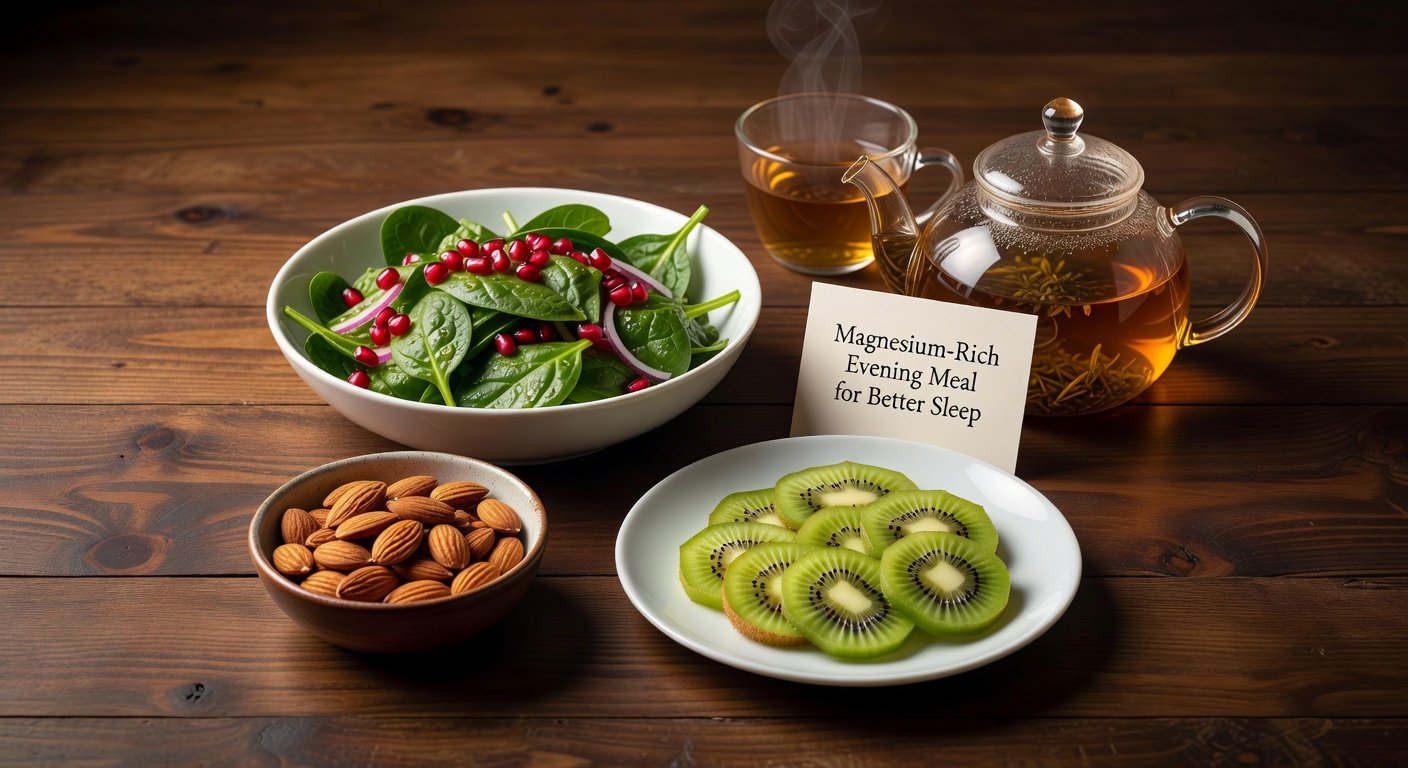
Prioritize these evidence-based options and incorporate them thoughtfully into daily meals. Magnesium sources include almonds (about 80mg per ounce), spinach, pumpkin seeds, avocados, and dark chocolate in moderation. These help relax muscles and quiet the mind. Tryptophan-rich foods such as turkey, salmon, eggs, cheese, and chickpeas provide the building blocks for serotonin. Pair them with complex carbs like sweet potatoes or oats to enhance uptake. Melatonin precursors appear in tart cherries (which contain natural melatonin), kiwi, bananas, and walnuts.
Additional supporting foods include fatty fish for omega-3s that reduce inflammation affecting sleep, and leafy greens for folate that aids neurotransmitter balance. Preparation matters: lightly steam vegetables to preserve nutrients, roast seeds for better digestibility, and combine items creatively, such as a salmon salad with kiwi slices. Aim for balanced portions—roughly 25-30 grams of protein, 200-300mg magnesium from food, and one serving of fruit—in the final meal of the day. These choices deliver cumulative benefits when used consistently rather than sporadically.
Evening Meal Planning Strategies
Design dinners to finish two to three hours before bedtime for optimal digestion. Build balanced plates with 40 percent non-starchy vegetables, 30 percent lean protein, 20 percent healthy fats, and 10 percent complex carbohydrates. Sample meals include grilled salmon paired with quinoa and steamed broccoli topped with pumpkin seeds, or lentil stew with spinach and a side of kiwi. For variety, try turkey meatballs over zucchini noodles with avocado or an egg-white omelet with cherry tomatoes and almonds. Adjust based on activity level—active individuals may add slightly more carbs, while sedentary ones keep portions moderate to avoid energy crashes.
Batch preparation helps maintain consistency: cook proteins and chop vegetables on weekends, then assemble quickly. Monitor personal responses through a simple sleep diary noting meal timing, content, and next-day energy. This iterative planning refines what works best for individual metabolism and circadian preferences.
Avoiding Common Sleep Disruptors
Eliminate caffeine after 2 PM, since its effects can linger for six to eight hours and delay melatonin release. Heavy carbohydrate loads at night, such as large pasta dishes or desserts, trigger blood sugar spikes followed by crashes that interrupt deep sleep. Alcohol initially promotes drowsiness but suppresses REM cycles and increases awakenings later. Replace these with calming alternatives like chamomile tea or magnesium-infused water. High-sodium processed foods can also cause nighttime thirst and restlessness, so focus on fresh, whole ingredients instead.
Integrating Mindful Eating Practices
Adopt slow, intentional eating during the final meal and for 20-30 minutes afterward. Chew each bite thoroughly, savor flavors, and minimize distractions like phones or television. This reduces cortisol levels, improves digestion, and signals the body to prepare for rest. Breathing exercises between bites further enhance relaxation. Over weeks, this practice builds stronger mind-body awareness, making it easier to recognize true hunger versus emotional eating that might otherwise sabotage sleep.
Step-by-Step Implementation Guide
- Track current evening meals and sleep quality for seven days using a notebook or app.
- Identify and replace one disruptor, such as swapping afternoon coffee for herbal tea.
- Plan and shop for three nutrient-focused evening meals using the food lists above.
- Practice mindful eating for the final 10 minutes of dinner each night.
- Review weekly results, noting improvements in sleep onset and duration, then fine-tune portions or timing.
- Gradually expand to include weekend adjustments and stress-management pairings like light stretching after meals.
Sample Evening Routines for Different Lifestyles
Busy professionals benefit from a 6 PM meal of Greek yogurt with tart cherries and almonds, followed by a brief walk and screen-free wind-down by 9:30 PM. Shift workers should align meals two hours before their adjusted bedtime, using portable options like salmon wraps with spinach. Parents can prepare family-friendly dishes such as baked chicken with sweet potatoes and broccoli, eaten early to allow shared relaxation time. Athletes might emphasize recovery-focused plates with added eggs and seeds post-workout, ensuring recovery supports overnight repair. Across these groups, participants often report 20-40 percent faster sleep onset and sustained morning focus after four weeks.
Comparisons of Outcomes and Common Pitfalls
Basic dietary changes yield gradual improvements, but advanced techniques deliver faster, more profound results through precise timing and combinations. Common mistakes include inconsistent application, over-relying on supplements instead of food, or ignoring individual tolerances like lactose sensitivity. Avoiding these pitfalls through gradual rollout maximizes success and prevents frustration.
Frequently Asked Questions
Can these techniques work with dietary restrictions such as vegan or gluten-free diets?
Absolutely—substitute with plant proteins like lentils and chickpeas, gluten-free grains, and seed-based magnesium sources for equivalent benefits.
How long until noticeable results appear?
Most people experience better sleep quality within 7-14 days, with deeper improvements accumulating over a month of consistency.
Are supplements ever recommended alongside these foods?
Food-first strategies are ideal; professionals may suggest targeted additions only after assessing diet and labs.
What if I travel frequently or have irregular hours?
Focus on portable nutrient-dense snacks and maintain consistent meal-to-bed intervals regardless of clock time.
For further reading on sleep and nutrition science, explore resources from Sleep Foundation and Mayo Clinic.
Conclusion
Advanced smart eating techniques offer a sustainable, science-driven pathway to deeper, more restorative sleep in 2026. By mastering nutrient timing, selecting targeted foods, and embracing mindful practices, individuals across lifestyles can achieve meaningful improvements in rest and daily vitality. Begin with small, consistent changes tonight to build lasting habits that support long-term well-being.

No comments yet. Be the first!