 Func Eats
Smart Eating vs Calorie Counting: Smarter Nutrition Tips 2026
Choosing between smart eating and traditional calorie counting can feel overwhelming when seeking lasting health results. Many individuals search for sustainable nutrition strategies that support weight management, energy levels, and overall wellness without leading to burnout or obsession. This comprehensive guide explores both approaches in depth, backed by scientific evidence, real-world case studies, detailed meal comparisons, and practical transition steps tailored for 2026 lifestyles.
Understanding the Core Differences
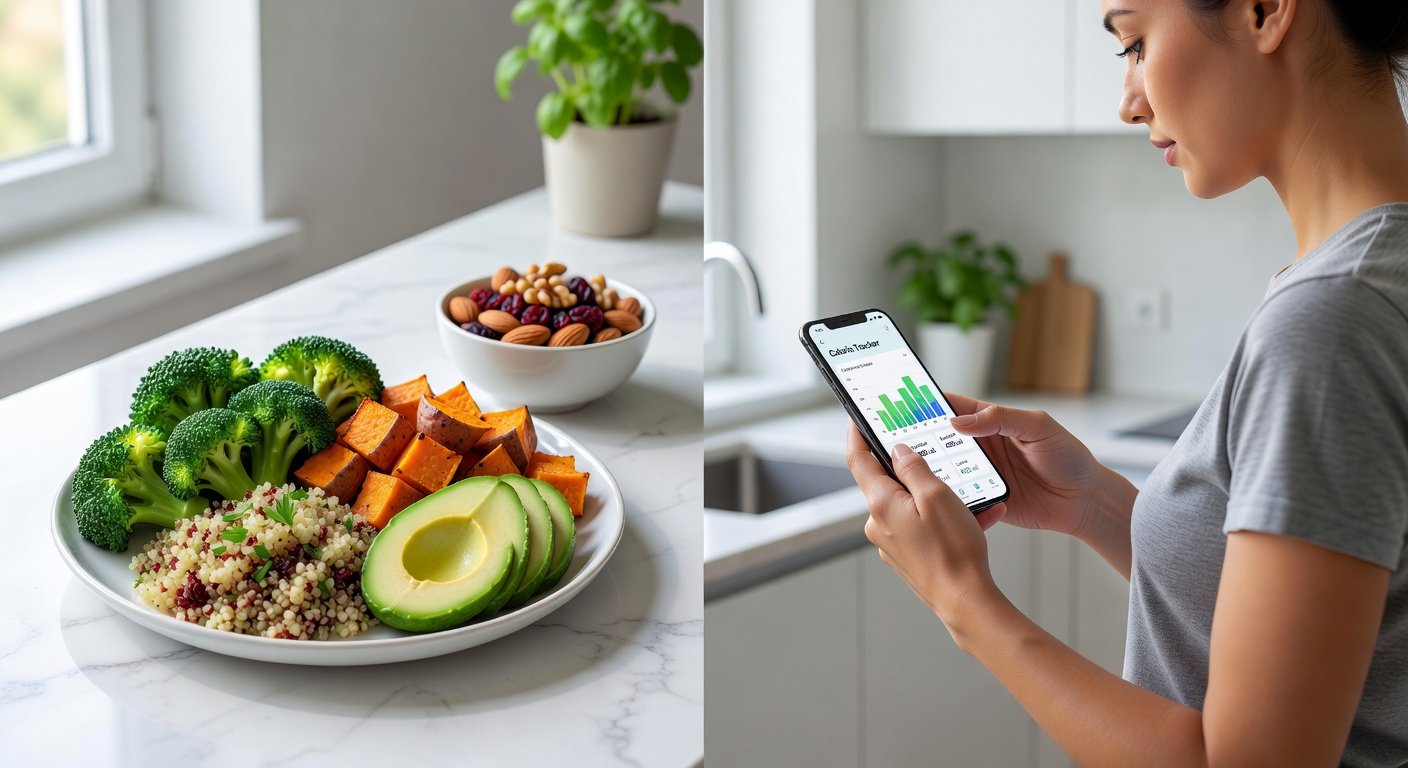
Calorie counting centers on meticulously tracking the energy content of every food and beverage consumed, often through digital apps or handwritten logs, with the goal of creating a deficit for weight loss or maintaining balance for maintenance. This method provides numerical precision but frequently overlooks the broader context of nutrition quality and personal satisfaction. In contrast, smart eating—also referred to as mindful or intuitive eating—prioritizes recognizing internal hunger and fullness cues, selecting nutrient-dense whole foods, and fostering a positive relationship with eating. It encourages awareness of how different foods affect energy, mood, and digestion rather than focusing solely on numbers. While calorie counting appeals to those who thrive on structure, smart eating promotes flexibility and long-term adherence by addressing emotional and psychological aspects of nutrition.
Scientific Evidence Behind Each Method
Multiple peer-reviewed studies demonstrate that calorie counting can produce short-term weight loss but often results in weight regain within one to two years due to unsustainable restrictions and metabolic adaptation. Mindful eating interventions, however, show stronger correlations with sustained improvements in body composition, reduced binge eating behaviors, and better metabolic markers such as blood sugar control. The World Health Organization emphasizes the importance of dietary patterns rich in fruits, vegetables, whole grains, and lean proteins for preventing non-communicable diseases, principles that align closely with smart eating frameworks. Additional research from institutions like the National Institutes of Health supports integrating behavioral strategies that enhance self-regulation over rigid numerical tracking alone.
Pros and Cons of Each Approach
Calorie counting offers clear advantages for individuals requiring precise control, such as those managing diabetes or preparing for athletic competitions, as it builds detailed awareness of portion sizes and macronutrient distribution. However, its drawbacks include high time investment, potential for anxiety around food choices, and neglect of micronutrient quality or satiety signals, which can lead to nutrient deficiencies over time. Smart eating excels in building intuitive habits that last beyond any specific diet phase, improving mental health outcomes related to food and reducing the risk of yo-yo dieting. Its main challenges involve an initial learning period to develop body awareness and the need for consistent practice to override habitual overeating patterns developed from modern food environments.
Real-Life Case Examples
Consider Sarah, a 42-year-old high school teacher who previously logged every calorie for two years using a popular app. Although she achieved initial weight loss, she experienced constant stress and eventually regained the weight after discontinuing the practice. Transitioning to smart eating allowed her to focus on balanced plates and eating slowly, resulting in steady 15-pound loss maintained for over a year with improved energy for her demanding job. Mark, a 35-year-old software engineer, used strict calorie targets during intense training for a marathon but struggled with recovery and mood swings. By incorporating smart eating principles such as prioritizing anti-inflammatory foods and listening to post-workout hunger, he achieved better performance without the mental load of daily calculations. Another example is Lisa, a 50-year-old accountant and mother of two, who combined occasional calorie awareness during busy weeks with mindful practices; this hybrid approach helped her navigate family meals while steadily improving her cholesterol levels through better food quality choices.
Side-by-Side Meal Comparisons
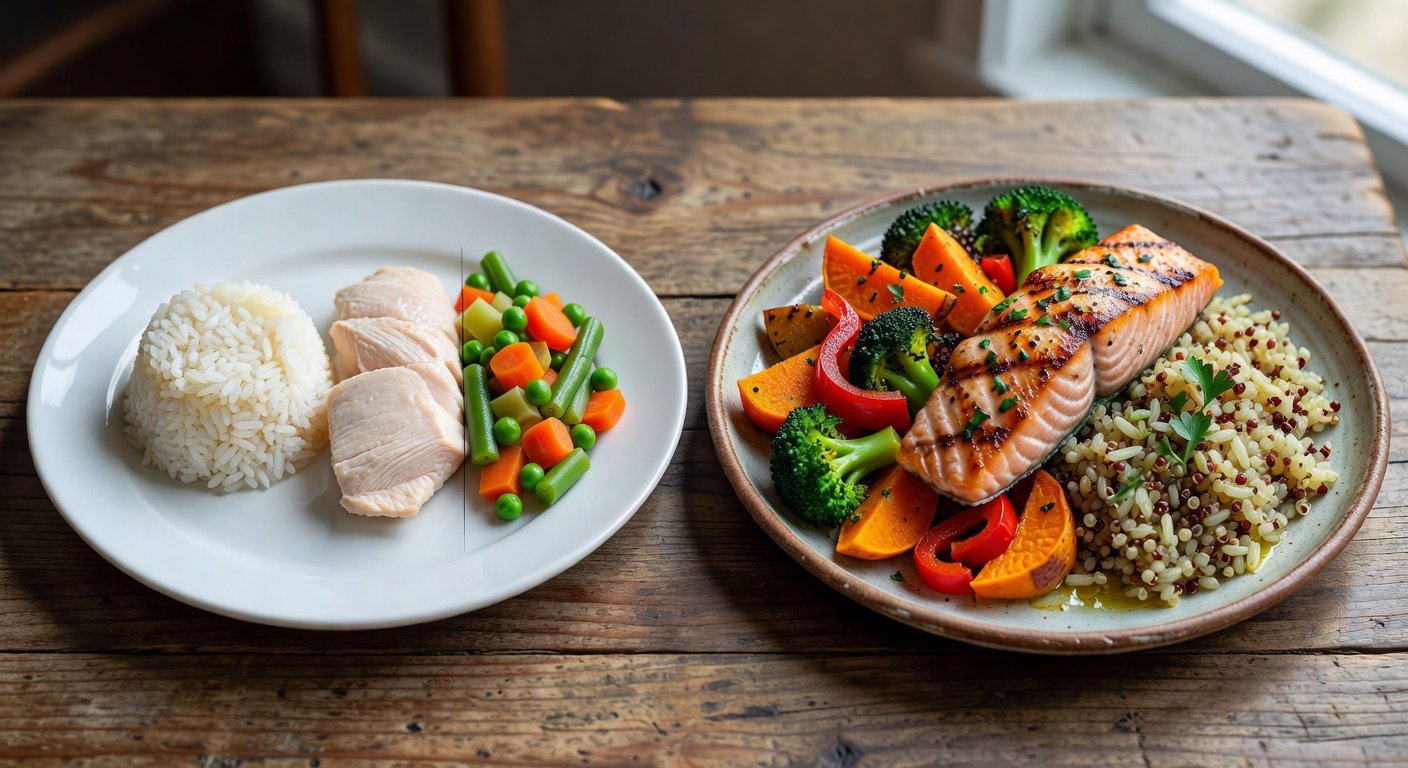
Examining specific meals highlights the practical distinctions. A calorie-focused lunch might consist of a precisely measured 350-calorie grilled chicken salad with limited dressing and exact gram weights of ingredients to stay under a daily budget. While effective for control, it may leave the individual feeling unsatisfied. A smart eating alternative features a similar base but emphasizes variety and enjoyment: a generous serving of mixed greens, quinoa, avocado slices, cherry tomatoes, and olive oil drizzle, consumed mindfully over 20 minutes until comfortably full. The nutritional density supports sustained energy without fixation on totals. For dinner, calorie counting could dictate a 500-calorie portion of salmon with steamed broccoli and brown rice weighed to exact specifications. Smart eating transforms this into a flavorful plate including herbs, a side of fermented vegetables for gut health, and adjustments based on daily activity levels and genuine appetite.
Actionable Steps for Transitioning to Smart Eating
- Begin by designating one distraction-free meal each day where you eat slowly and note physical sensations of hunger before starting and fullness after finishing.
- Build foundational knowledge of nutrient-dense foods by planning weekly meals around vegetables, lean proteins, healthy fats, and complex carbohydrates rather than restricting totals.
- Practice the hunger-fullness scale from one to ten, aiming to start meals around a three or four and stop around a seven to avoid both deprivation and overeating.
- Incorporate environmental cues such as using smaller plates or keeping trigger foods out of sight while stocking easy smart choices like pre-cut fruits and nuts.
- Track non-scale victories including energy consistency, sleep quality, and mood improvements instead of daily weights or calorie logs.
- Seek support from credible resources such as those provided by the Mayo Clinic and the Centers for Disease Control and Prevention for evidence-based plate-building guidelines.
Mindful Eating Techniques for 2026
Contemporary tools enhance smart eating without reverting to calorie obsession. Wearable devices that monitor heart rate variability and recovery scores can guide meal timing around energy needs. Mobile apps focused on mindfulness prompts rather than logging help users pause before emotional eating. Seasonal eating aligned with local produce availability adds variety and supports environmental sustainability while reinforcing intuitive choices based on freshness and satisfaction.
Common Mistakes to Avoid
One frequent error involves attempting to merge both methods too rigidly, such as counting calories while simultaneously trying to ignore numbers, which creates internal conflict. Another pitfall is neglecting protein and fiber at meals, leading to rapid hunger return despite mindful intentions. Individuals sometimes abandon all structure prematurely without first establishing basic nutrition literacy, resulting in imbalanced choices. Finally, comparing personal progress to social media ideals undermines the personalized nature of smart eating.
Conclusion
Smart eating ultimately provides a more sustainable path for most people seeking long-term health improvements in 2026 by fostering awareness, enjoyment, and nutritional quality over numerical precision. Combining selective awareness with mindful practices yields the best outcomes for diverse lifestyles and goals.
FAQ
Can I combine both approaches effectively?
Yes, many people use occasional calorie awareness during high-training periods or medical needs while relying primarily on smart eating for daily habits, creating a flexible and effective system.
How long does it typically take to see meaningful results?
Most individuals report noticeable improvements in digestion, energy stability, and reduced food-related stress within two to six weeks of consistent practice, with physical changes accumulating gradually thereafter.
Is smart eating appropriate for competitive athletes?
Absolutely, though elite performers may layer targeted tracking during peak phases while maintaining core mindful principles to support recovery and prevent burnout.
What if I have a history of disordered eating patterns?
Professional guidance from a registered dietitian or therapist is recommended before adopting any structured approach; smart eating generally promotes healing by reducing obsession over numbers.
Do I need special apps or tools to succeed with smart eating?
No specialized technology is required, though simple journals or mindfulness reminders on existing devices can accelerate the development of awareness skills.
How does smart eating handle social eating situations?
It encourages presence and enjoyment at gatherings by focusing on conversation and moderate portions of preferred foods rather than strict avoidance or precise calculations.


No comments yet. Be the first!