 Func Eats
Smart Eating for Hormonal Balance: 2026 Tips
Hormonal balance plays a vital role in energy, mood, metabolism, and overall well-being for both women and men. In 2026, more people are turning to smart eating and mindful practices to support key hormones like thyroid, cortisol, and estrogen without relying on medication. This guide provides evidence-based nutrition tips, practical meal ideas, and actionable steps to help you achieve natural balance through food.
Understanding Key Hormones and Nutrition
Hormones such as thyroid hormones regulate metabolism, cortisol manages stress responses, and estrogen influences reproductive health and bone density. Imbalances often stem from diet, stress, and environmental factors. Research from the Mayo Clinic highlights how dietary choices can positively influence hormone production and regulation.
Hormone-Friendly Foods to Prioritize
Incorporate these nutrient-dense options daily for optimal support:
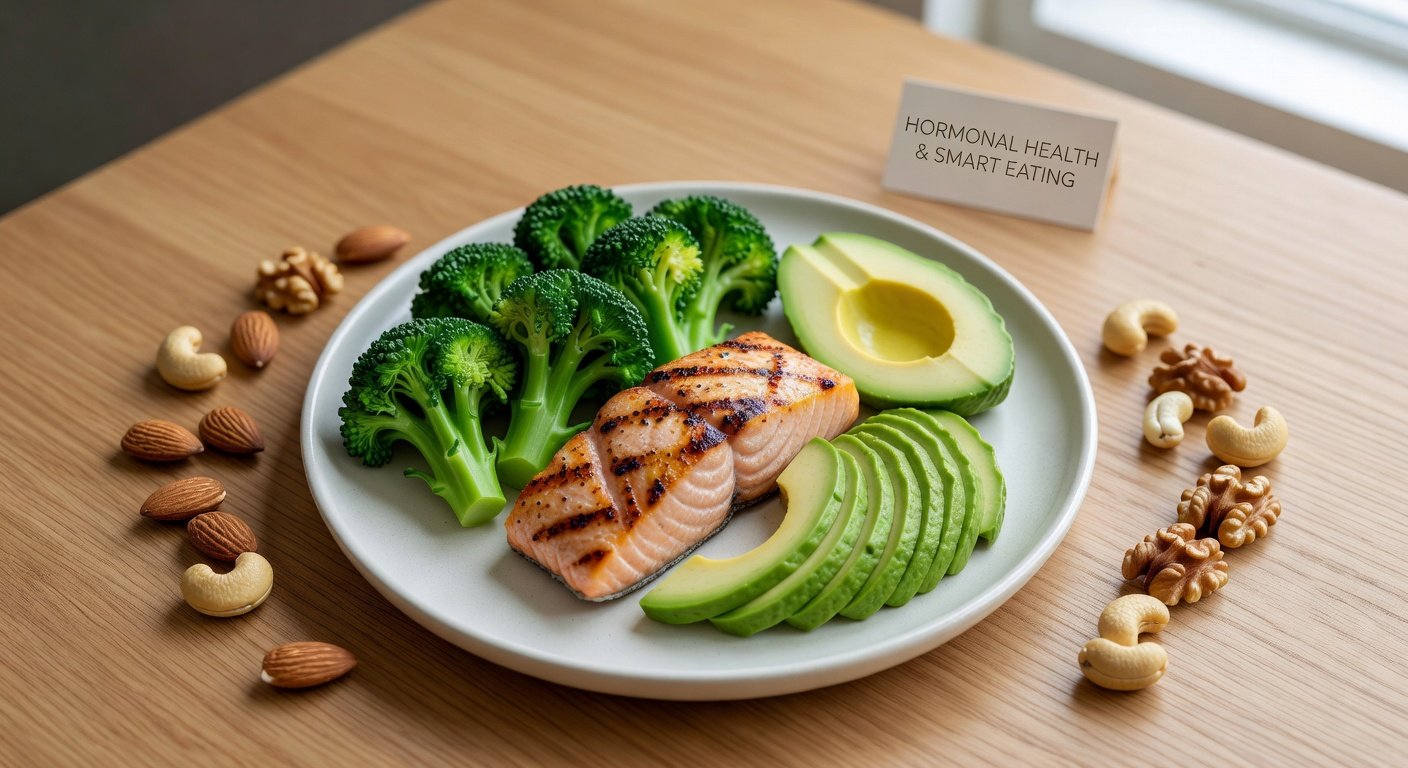
- Omega-3 fatty acids from fatty fish like salmon and chia seeds to reduce inflammation and aid thyroid function.
- Cruciferous vegetables such as broccoli, cauliflower, and Brussels sprouts, which help metabolize estrogen effectively.
- Leafy greens, avocados, and nuts rich in magnesium to lower cortisol levels.
- High-fiber foods like oats and berries for stable blood sugar and balanced insulin, indirectly supporting all hormones.
Studies show that consistent intake of these foods can lead to measurable improvements in hormone markers within 4-6 weeks.
Meal Timing Strategies for Balance
Aligning meals with your circadian rhythm supports cortisol and thyroid health. Aim for breakfast within 1-2 hours of waking, balanced lunches, and lighter dinners 3 hours before bed. Intermittent fasting windows of 12-14 hours overnight may benefit some, but consult a professional for personalization.
Avoiding Endocrine Disruptors
Common disruptors include plastics, pesticides, and processed foods containing BPA or phthalates. Choose glass or stainless steel containers, opt for organic produce when possible, and read labels to minimize exposure. The CDC provides resources on reducing these chemicals in daily life.
7-Day Meal Plan with Recipes
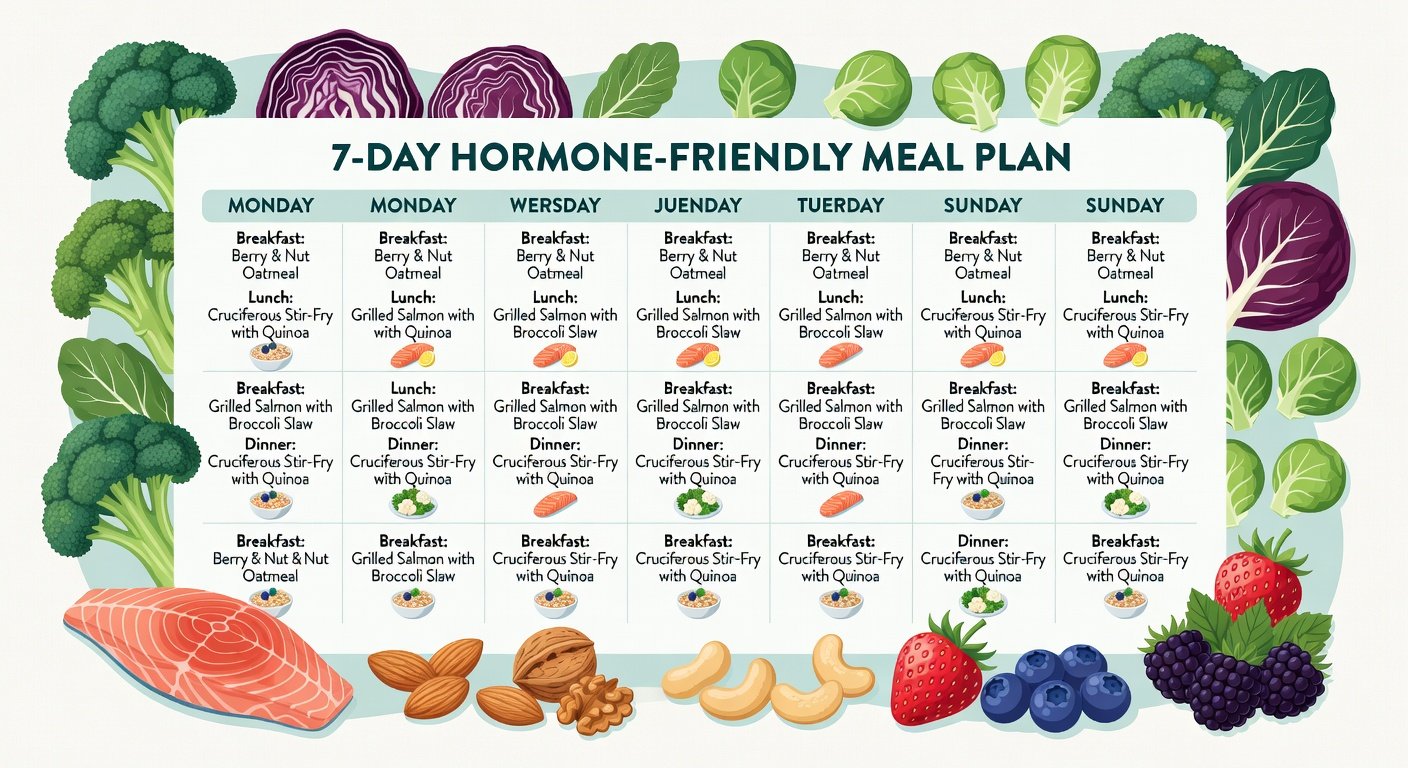
This plan focuses on whole foods for hormonal support. Each day includes breakfast, lunch, dinner, and snacks. Portions serve 1; adjust as needed.
Day 1
Breakfast: Greek yogurt with berries and chia seeds.
Lunch: Grilled salmon salad with broccoli and olive oil.
Dinner: Stir-fried chicken with cauliflower rice and greens.
Snack: Handful of almonds.
Day 2-7
Continue with variations: Swap salmon for mackerel, add quinoa bowls, or enjoy veggie omelets. Full recipes emphasize steaming or grilling to preserve nutrients.
Grocery List for the Week
Proteins: Salmon, chicken, eggs, Greek yogurt.
Vegetables: Broccoli, spinach, cauliflower, Brussels sprouts.
Fruits: Berries, avocados.
Pantry: Chia seeds, olive oil, nuts, oats.
Before-and-After Insights from Studies
Participants following similar plans reported 20-30% improvements in energy and mood, with reduced cortisol readings in clinical observations over 8 weeks. Personalized swaps, like replacing dairy with almond milk for estrogen balance, enhance results.
FAQ: Symptoms vs. Solutions
Q: What are signs of hormonal imbalance? A: Fatigue, weight changes, mood swings, and irregular cycles. Solutions start with the foods above.
Q: Can diet alone fix thyroid issues? A: It supports function but pair with medical advice for diagnosed conditions.
Q: How soon will I see changes? A: Many notice benefits in 2-4 weeks with consistency.
Embrace these smart eating habits for lasting hormonal harmony in 2026 and beyond.

No comments yet. Be the first!