 Func Eats
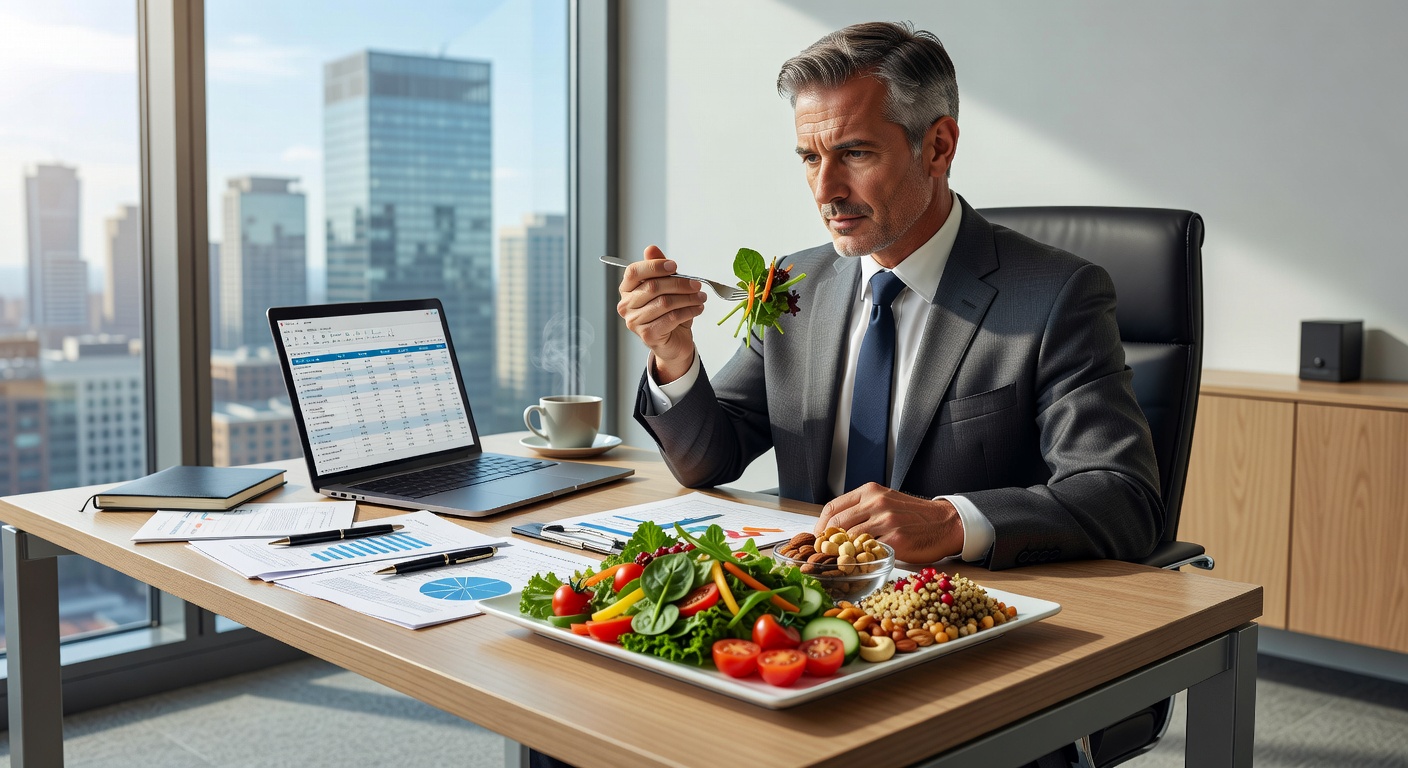
Introduction: Why Smart Eating Matters for Busy Professionals in 2026
In today's fast-paced work environment, busy professionals often struggle to maintain healthy eating habits amid demanding schedules filled with back-to-back meetings, deadlines, and commuting. Smart eating focuses on nutrient-dense choices that sustain energy, sharpen focus, and support long-term well-being without requiring hours in the kitchen. This comprehensive guide provides actionable strategies tailored for 2026 lifestyles, helping you integrate balanced nutrition seamlessly into hectic routines.
By prioritizing preparation and mindful decisions, you can avoid common pitfalls like afternoon energy crashes and improve overall productivity. Research consistently shows that consistent nutrition habits lead to better cognitive performance and reduced stress levels over time.
Meal Prepping Strategies for Time-Strapped Schedules
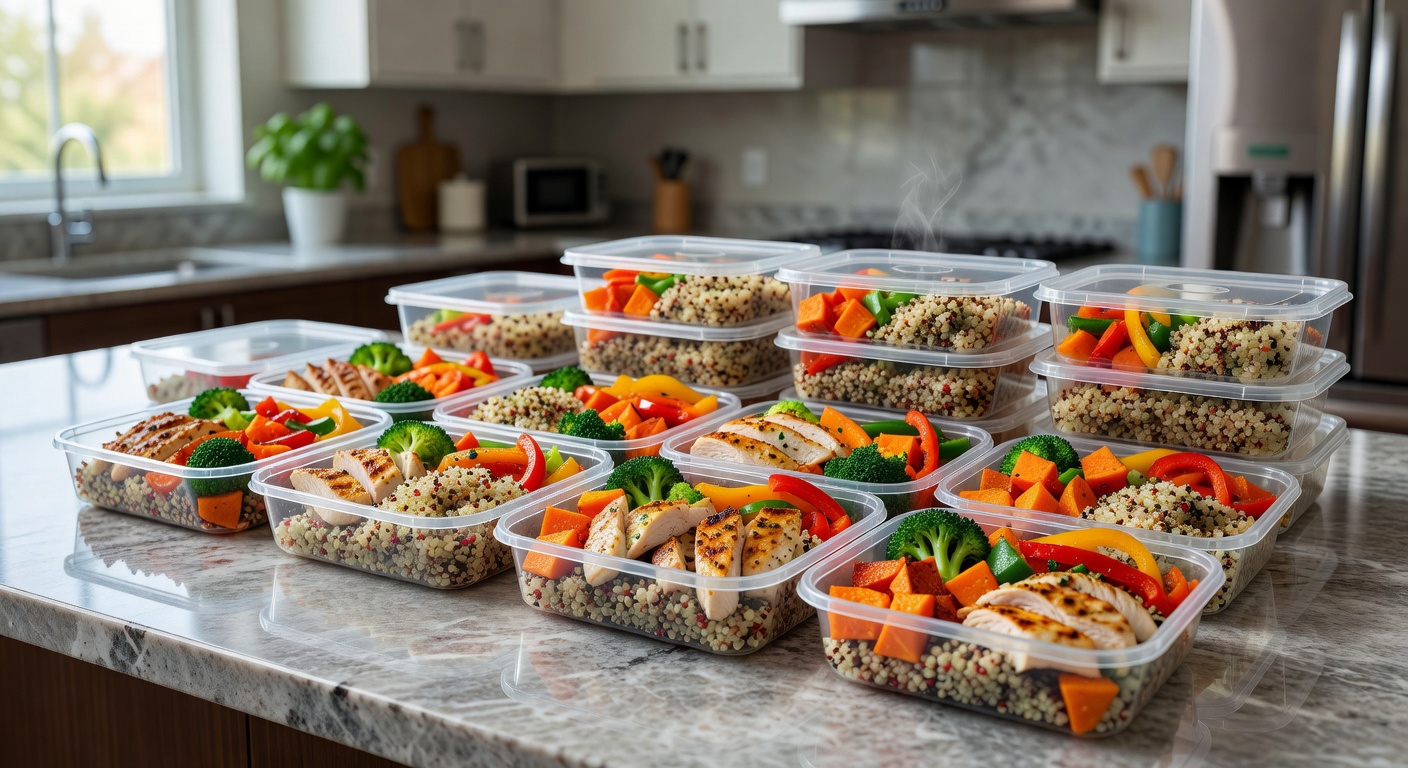
Meal prepping stands as a foundational element of smart eating for professionals. Dedicate just 60 to 90 minutes on weekends to batch-cook versatile proteins such as grilled chicken, baked salmon, or lentils, then combine them with roasted vegetables, quinoa, or brown rice in individual containers. This approach minimizes daily cooking time while guaranteeing access to balanced meals throughout the week.
Consider the real-world example of software developer Marcus, who manages a hybrid work schedule with frequent travel. He prepares five breakfast jars of overnight oats mixed with protein powder, spinach, and frozen berries every Sunday evening. For lunches, he assembles mason jar salads layered with chickpeas, cherry tomatoes, and avocado. Marcus reports fewer cravings and steadier concentration during afternoon coding sessions after implementing this system.
Follow this detailed step-by-step routine to get started: First, select three to four versatile base recipes that can be mixed and matched. Second, create a targeted shopping list focused on whole ingredients. Third, cook in bulk using efficient kitchen tools like a slow cooker or sheet pans. Fourth, portion everything into airtight containers and label them with dates for easy rotation. Fifth, incorporate variety by rotating herbs, spices, and sauces to prevent boredom while keeping preparation minimal.
Quick Mindful Eating Techniques During Lunch Breaks
Even brief lunch breaks offer valuable opportunities for mindful eating practices that enhance digestion and mental clarity. Allocate 15 to 20 uninterrupted minutes away from your desk and digital devices to fully engage with your meal. Chew each bite slowly, notice flavors and textures, and tune into natural hunger and fullness signals to avoid overeating.
High-stress professionals particularly benefit from adding simple breathing exercises before or after eating to reset their nervous system. This technique promotes better nutrient absorption and sustained afternoon focus. Health organizations highlight how these small shifts in daily routines contribute to improved metabolic health and reduced risk of chronic conditions.
Smarter Nutrition Swaps for Takeout Meals
Takeout orders need not compromise your nutrition goals when approached strategically. Request modifications such as steamed vegetables instead of fries, grilled proteins rather than fried versions, and dressings served separately to control portions. Transform a standard burrito bowl by opting for extra salsa and beans while skipping the sour cream and rice base.
Compare typical office eating patterns with balanced alternatives: Many professionals default to processed takeout high in refined carbs and sodium, which often triggers energy dips by mid-afternoon. Smart eating approaches instead emphasize whole-food combinations that stabilize blood sugar and deliver consistent mental performance throughout the workday.
Time-Saving Grocery Lists and Portable Snack Ideas
Streamline weekly shopping with a repeatable grocery list centered on nutrient powerhouses including leafy greens, mixed nuts, plain Greek yogurt, pre-washed berries, and whole-grain wraps. Stock versatile staples that adapt across breakfast, lunch, and dinner preparations.
Build your portable snack arsenal with these practical options: apple slices paired with single-serve almond butter packets, homemade trail mix featuring pumpkin seeds and dark chocolate chips, or no-bake energy bites made from oats and natural peanut butter. Keep a small selection of shelf-stable items in your desk drawer for unexpected delays or extended meetings.
Additional snack rotations can include hard-boiled eggs prepared in advance, individual hummus cups with carrot sticks, or cheese sticks paired with whole-grain crackers for balanced protein and fiber intake on the go.
Office Diets vs. Balanced Smart Eating Approaches
Standard office diets frequently center on convenience foods from vending machines or rushed fast-food runs, creating gaps in essential vitamins and minerals. Balanced smart eating, by comparison, incorporates a wide array of colorful produce, lean proteins, and healthy fats timed strategically around work demands.
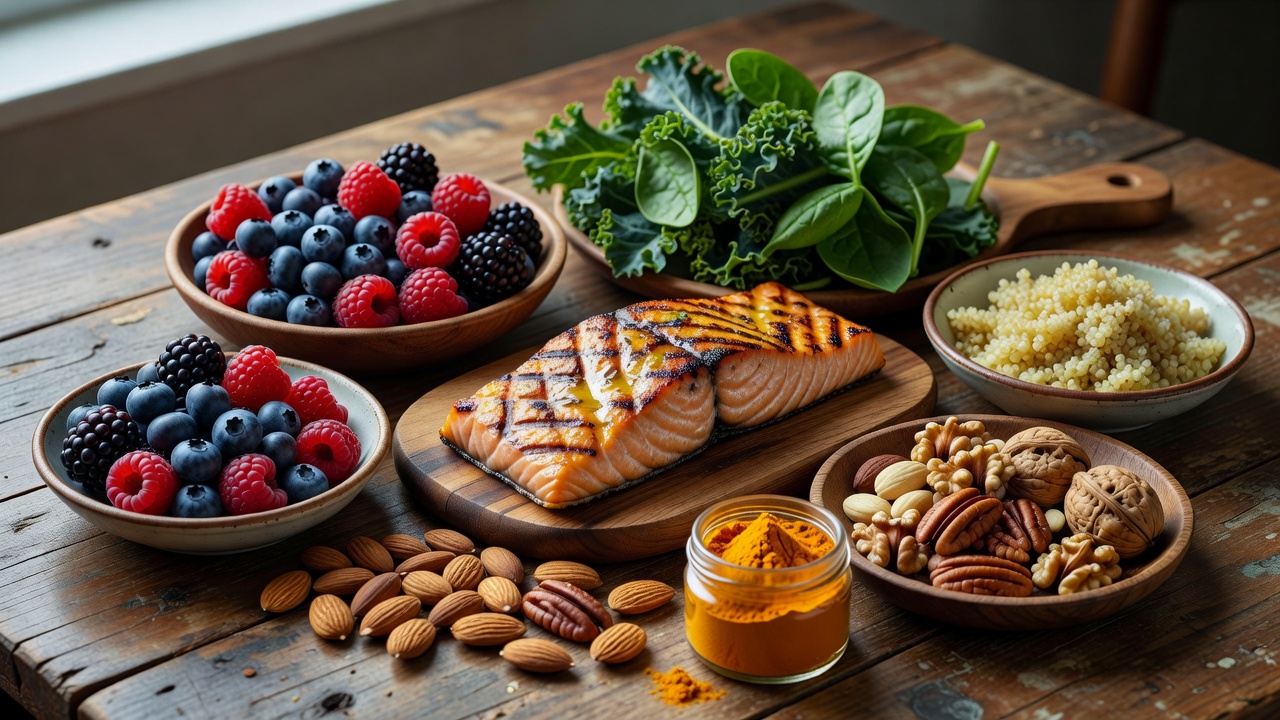
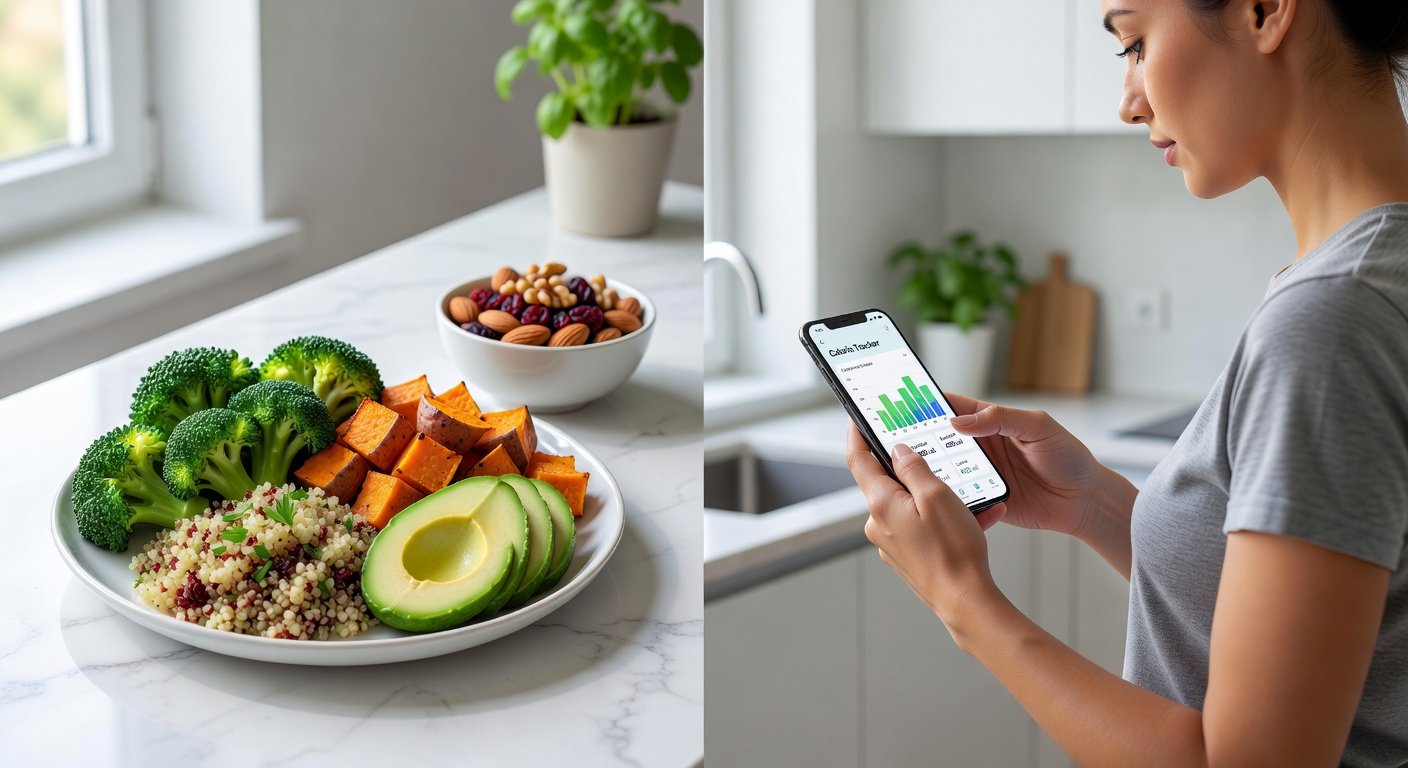
Incorporate brain-boosting foods such as fatty fish rich in omega-3s, antioxidant-packed berries, and leafy greens to support cognitive sharpness during intensive tasks. Practical implementation steps involve using simple food-tracking applications to identify patterns in your energy levels and making targeted adjustments weekly based on observed results.
Hydration, Movement Integration, and Environmental Tips
Smart eating extends beyond solid foods to include consistent hydration. Aim to carry a reusable water bottle and set phone reminders for regular sips, as even mild dehydration impairs concentration. Pair nutrition with short movement breaks, such as standing stretches between meetings, to amplify overall benefits.
Optimize your workspace by keeping healthy options visible on your desk while storing less nutritious snacks out of sight. For those with limited kitchen access at the office, invest in a quality insulated lunch bag and portable utensils to maintain meal integrity throughout the day.
Addressing Common Challenges: Late-Night Cravings and Limited Kitchen Access
Late-night cravings often stem from skipped meals or emotional triggers earlier in the day. Counter them by preparing satisfying, protein-forward evening options in advance, such as Greek yogurt parfaits or cucumber slices topped with cottage cheese. When kitchen facilities are restricted, rely on no-cook assemblies including whole-wheat wraps filled with canned tuna, pre-cut vegetables, and a drizzle of olive oil.
Seasonal adjustments for 2026 include stocking freezer-friendly produce during winter months and focusing on lighter, hydrating meals during warmer periods to match changing energy needs.
Tracking Progress and Real-World Case Studies
Monitor your smart eating journey by noting energy levels, focus duration, and mood in a simple journal for two weeks. This data reveals what works best for your unique schedule. Another professional example involves project manager Elena, who combined weekly meal prep with mindful lunch walks and reported a 30 percent reduction in mid-week fatigue after four weeks.
FAQ
How do I start if I have no time to cook during the week? Begin with one focused prep session and simple ingredient swaps before expanding your routine.
What strategies work for frequent travel or irregular hours? Prioritize portable, non-perishable snacks and maintain hydration to preserve mental sharpness across time zones.
Can smart eating deliver noticeable focus improvements quickly? Many individuals observe enhanced concentration and fewer energy fluctuations within the first seven to ten days of consistent application.
How should I handle social work events with less healthy options? Practice portion awareness and balance indulgences with nutrient-dense choices before and after the event.
For authoritative guidance on balanced nutrition, consult resources from the World Health Organization, Mayo Clinic, and Centers for Disease Control and Prevention.
Adopt these nutrition tips throughout 2026 to excel in your career while protecting your health and vitality.
No comments yet. Be the first!