 Func Eats
Introduction to Smart Eating for Longevity
In 2026, longevity research continues to highlight how nutrition influences healthy aging at the cellular level. Smart eating goes beyond basic calorie counting to emphasize nutrient quality, meal timing, and anti-inflammatory effects that support telomere length, reduce oxidative stress, and lower risks of age-related diseases such as cardiovascular issues, diabetes, and cognitive decline. This approach draws from Blue Zones populations and integrates findings from recent clinical trials to promote both lifespan extension and improved healthspan, allowing individuals to maintain vitality well into their later years.
Evidence from authoritative sources like the World Health Organization underscores the critical role of balanced, whole-food diets in preventing chronic conditions associated with aging. By focusing on strategic combinations of whole foods, evidence-supported fasting windows, and optimization of micronutrient intake, people can adopt sustainable habits that deliver compounding benefits over decades. This guide explores these principles in depth, providing actionable strategies backed by science rather than fleeting trends.
Anti-Inflammatory Foods and Their Role in Aging
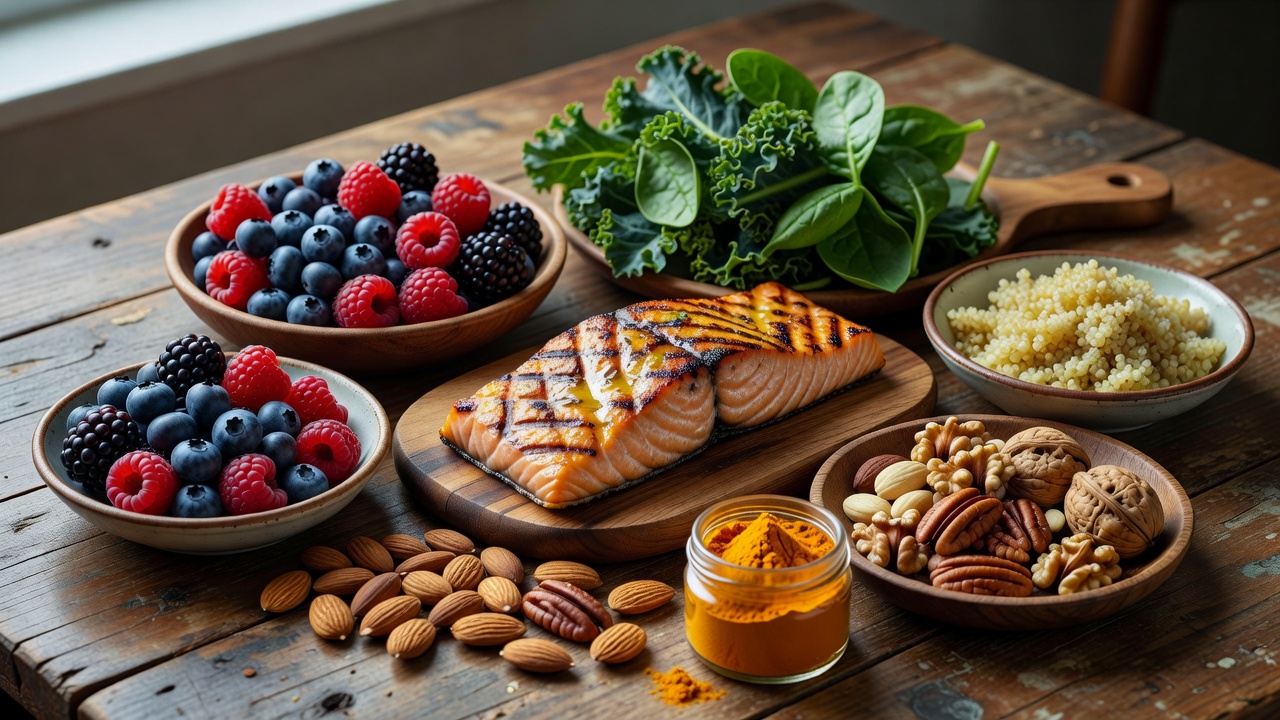
Chronic low-grade inflammation is a primary driver of accelerated aging, contributing to issues like joint degeneration, brain fog, and metabolic dysfunction. Prioritizing anti-inflammatory foods helps counteract these processes by supplying compounds that modulate immune responses and protect against cellular damage. Top choices include wild-caught fatty fish such as salmon and sardines for their high omega-3 content, antioxidant-rich berries like blueberries and strawberries, cruciferous vegetables including broccoli and kale, nuts and seeds for healthy fats, and spices like turmeric and ginger containing bioactive curcumin and gingerol.
Longitudinal studies demonstrate that consistent consumption of these foods correlates with reduced levels of inflammatory markers including C-reactive protein and interleukin-6. To integrate them effectively, prepare daily meals such as overnight oats topped with berries and flaxseeds, grilled fish paired with roasted vegetables, or golden milk lattes made with turmeric and black pepper for enhanced absorption. These choices not only combat inflammation but also support gut health through fiber and polyphenols, fostering a microbiome that aids in nutrient absorption and immune regulation throughout the aging process.
Integrating Intermittent Fasting for Longevity
Intermittent fasting protocols enhance autophagy, the natural cellular recycling process that becomes less efficient with age, while also improving metabolic flexibility and hormone balance. Popular methods include the 16:8 time-restricted eating pattern, where food intake occurs within an eight-hour window, or the 5:2 approach involving two days of reduced calorie intake per week. When synchronized with nutrient-dense meals, these strategies promote fat loss, enhance insulin sensitivity, and may activate longevity genes such as sirtuins.
Begin implementation by gradually extending your overnight fast from 12 hours to 14 or 16 hours, paying close attention to hydration and electrolyte balance during fasting periods. Avoid common pitfalls like overeating during feeding windows by planning balanced plates. Research from the National Institutes of Health supports these practices for healthy adults, noting benefits in cellular repair and reduced inflammation when combined with quality nutrition. Women and those with specific health conditions should monitor responses closely and adjust accordingly.
Maximizing Micronutrient Density
Micronutrients play pivotal roles in DNA repair, mitochondrial function, and immune modulation, areas that directly impact longevity. Essential ones include magnesium from leafy greens and pumpkin seeds for energy production, vitamin D from sunlight exposure and fortified foods or fatty fish for bone and immune health, zinc from oysters and legumes for wound healing and hormone balance, and diverse polyphenols from colorful plants for antioxidant protection. Achieving density means selecting foods with high nutrient-to-calorie ratios rather than relying on processed supplements alone.
Practical steps involve aiming for at least 30 different plant varieties weekly to promote microbiome diversity, incorporating organ meats or shellfish occasionally for bioavailable minerals, and using fermented options like kimchi or yogurt to boost absorption. Regular blood testing can reveal deficiencies common in aging populations, allowing targeted adjustments. This focus ensures sustained energy, sharper cognition, and resilience against environmental stressors.

Weekly Meal Example for Smart Eating
A well-structured weekly plan demonstrates how to weave these elements together seamlessly. Consider this example emphasizing variety and practicality:
- Monday: Start with a berry and spinach smoothie for breakfast, followed by a quinoa bowl with salmon, avocado, and broccoli for lunch, and a turmeric lentil stew with greens for dinner.
- Tuesday: Observe a 16:8 fast, breaking it with an egg and vegetable omelet, then a hearty dinner of baked chicken with sweet potatoes and asparagus.
- Wednesday: Greek yogurt parfait with nuts and seeds, a mixed bean salad at midday, and ginger stir-fried tofu with bok choy in the evening.
- Thursday through Sunday: Rotate options such as sardine toasts, chickpea curries, wild rice pilafs with herbs, and fresh fruit salads while ensuring each day includes at least two servings of fatty fish or plant proteins and abundant vegetables.
Batch cooking components like roasted veggies or pre-portioned proteins on weekends streamlines adherence. Modify based on dietary preferences, activity levels, and seasonal availability for sustained enjoyment and nutritional balance.
Step-by-Step Habit-Building Advice
Building lasting habits requires a methodical approach rather than drastic overhauls. First, conduct a thorough assessment by logging meals and snacks for three days to identify patterns. Next, introduce one new anti-inflammatory ingredient daily, such as adding flaxseeds to breakfast or swapping processed snacks for nuts. Then experiment with fasting windows, beginning conservatively and tracking sleep quality and energy. Incorporate meal prepping sessions twice weekly and use simple tracking tools for micronutrient goals. Finally, review progress monthly through metrics like body composition, inflammation bloodwork, and subjective well-being, celebrating incremental wins to maintain motivation.
This layered method prevents overwhelm and fosters automaticity, turning smart eating into an effortless lifestyle component.
Comparisons to Standard Diets
Standard Western diets, often laden with refined sugars, trans fats, and low-fiber items, promote inflammation and accelerate aging compared to smart eating frameworks. The Mediterranean diet shares overlaps but typically lacks structured fasting elements and explicit micronutrient targeting. In contrast to strict ketogenic diets, which can limit plant diversity and prove hard to sustain long-term, smart eating emphasizes balance and flexibility. Relative to vegan or paleo styles, it incorporates evidence-based timing and broader food groups without ideological restrictions, offering superior adaptability for diverse populations seeking longevity outcomes.
Short FAQ on Common Concerns
Is intermittent fasting safe for everyone?
Most healthy adults tolerate it well with proper hydration, though individuals with eating disorders, pregnant women, or those on certain medications should consult healthcare providers before starting.
How soon will I notice benefits?
Improvements in digestion and energy often appear within two to four weeks, while reductions in inflammation markers and better metabolic health may take three to six months of consistent practice.
Can supplements replace whole foods?
They serve as adjuncts for addressing specific gaps but cannot replicate the synergistic effects of whole-food matrices including fiber and phytonutrients.
What if I struggle with meal variety?
Focus on seasonal produce and simple recipes; apps for meal inspiration or community challenges can help maintain diversity without complexity.
Conclusion
Smart eating for longevity synthesizes anti-inflammatory nutrition, intermittent fasting, and micronutrient optimization into practical, science-supported routines. Implementing these strategies with consistency builds robust defenses against aging processes and elevates overall quality of life. Begin today with targeted adjustments to unlock enduring health benefits that compound over time.

No comments yet. Be the first!