 Func Eats
Introduction: Why Smart Eating Matters in 2026
As global awareness of climate change grows, many people are looking for ways to align their daily habits with planetary health. Smart eating offers a practical path forward by focusing on choices that benefit both personal wellness and the environment. In 2026, trends emphasize seasonal sourcing, reduced waste, and plant-forward diets that require no extreme overhauls. Consumers are increasingly aware that food production accounts for a significant portion of global emissions, making everyday decisions at the grocery store or dinner table impactful on a larger scale.
This guide provides actionable steps, real meal examples, and checklists to help you implement these changes effectively. By understanding the connections between nutrition and sustainability, you can create lasting habits that support both your body and the planet without sacrificing flavor or convenience.
Selecting Seasonal and Local Produce
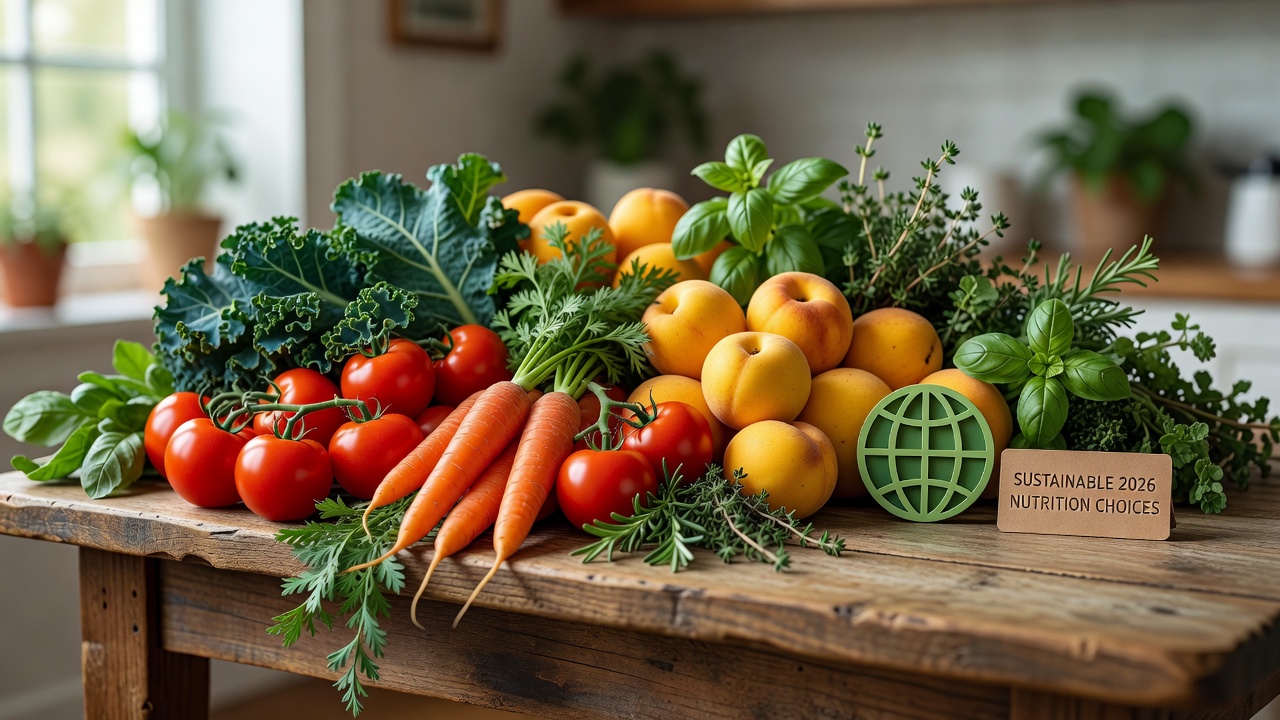
Choosing produce at its peak season reduces transportation emissions and supports local farmers. Local items often retain more nutrients because they spend less time in transit. Start by visiting farmers' markets or using apps that list regional harvest calendars. In 2026, many communities have expanded community-supported agriculture programs that deliver boxes of just-picked items directly to homes, making access easier than ever.
Practical steps include planning meals around what's currently in season. For example, spring might feature asparagus and strawberries, while fall highlights squash and apples. This approach cuts carbon footprints significantly compared to importing out-of-season items from distant regions. Consider the full lifecycle of food: growing methods matter too, so look for regenerative practices that build soil health and sequester carbon.
Benefits Beyond the Environment
Seasonal eating also tends to be more affordable and flavorful. Produce harvested at the right time develops better taste and texture naturally. Over time, experimenting with local varieties can introduce new favorites, such as lesser-known greens or root vegetables that thrive in your climate zone.
Checklist for Seasonal Shopping
- Check local harvest guides before grocery trips
- Prioritize items grown within 100 miles when possible
- Experiment with one new seasonal vegetable each week
- Preserve extras through freezing or canning for later use
- Ask farmers about growing methods to support sustainable practices
According to the Food and Agriculture Organization, shifting toward local and seasonal foods can lower food-related emissions by up to 30 percent in many households. Building relationships with growers also fosters community resilience against supply chain disruptions.
Minimizing Food Waste Through Mindful Planning
Food waste contributes heavily to greenhouse gases when sent to landfills. Mindful planning starts with accurate grocery lists based on planned meals and proper storage techniques. In 2026, smart kitchen tools like inventory apps help track expiration dates and suggest recipes using items nearing their prime, reducing the average household's waste by measurable amounts.
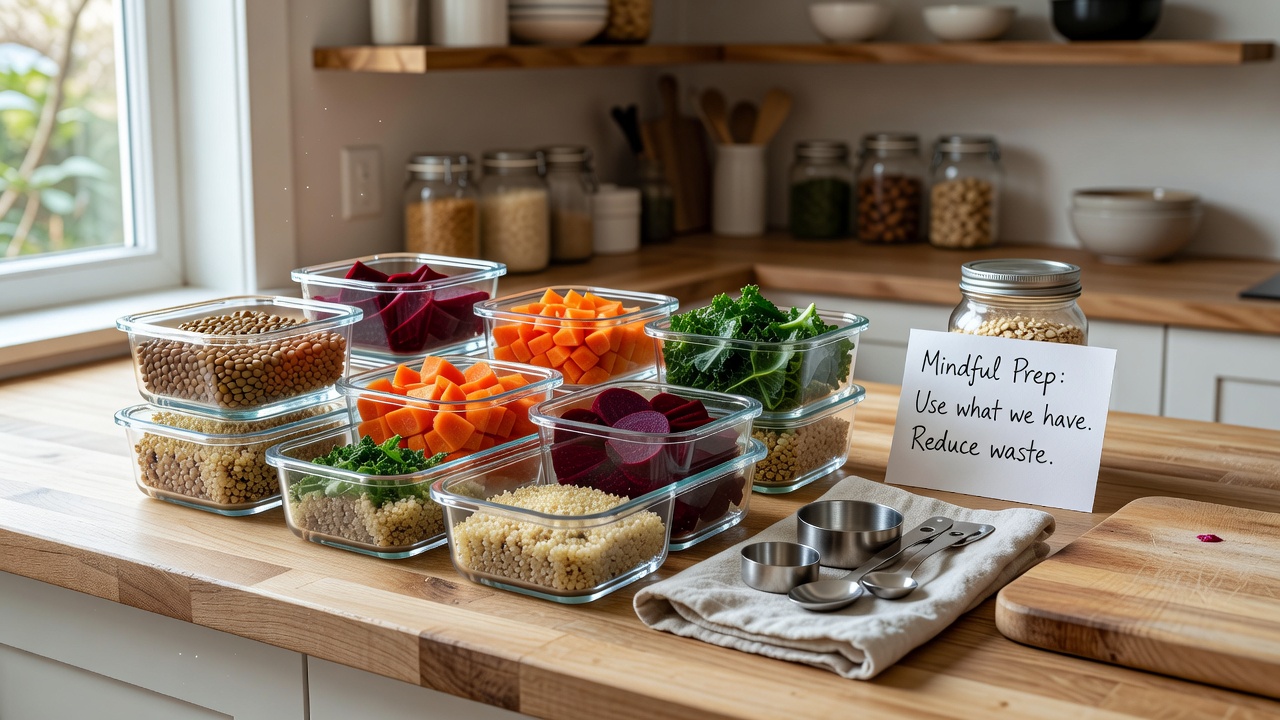
Implement a "first in, first out" system in your fridge and pantry. Use leftovers creatively—turn roasted vegetables into soups or salads. Composting unavoidable scraps further reduces impact while enriching garden soil. Learning basic preservation skills, such as pickling or dehydrating, extends the life of seasonal bounty and prevents spoilage during peak harvest periods.
Advanced Waste-Reduction Strategies
Batch cooking on weekends allows precise portion control and minimizes daily decision fatigue. Store items in clear containers so you see what needs using soon. For families, involve children in meal planning to increase buy-in and reduce picky eating that leads to discards.
Weekly Waste-Reduction Checklist
- Inventory fridge contents before shopping
- Shop with a precise meal plan for 5-7 days
- Store produce correctly to extend freshness
- Repurpose scraps into broths or smoothies
- Compost at home or through community programs
- Track weekly waste to identify patterns and improve
Resources from the World Health Organization highlight how reducing waste supports both nutrition security and environmental goals. Additional guidance from the Environmental Protection Agency provides tools for tracking and cutting household food loss effectively.
Plant-Forward Options Versus Conventional Diets
Plant-forward eating does not require eliminating all animal products but shifts emphasis toward vegetables, legumes, nuts, and whole grains. Compared to conventional diets heavy in processed meats and imported goods, this approach typically uses fewer resources like water and land. In 2026, the rise of regenerative livestock practices offers middle-ground options where animal products come from systems that enhance ecosystems rather than deplete them.
Studies show that increasing plant intake by even two meals per week can meaningfully decrease an individual's carbon footprint. Focus on variety to ensure balanced nutrition, incorporating beans, lentils, and fortified plant milks. Health benefits often include improved digestion, stable energy levels, and reduced inflammation from higher fiber and antioxidant intake.
Sample Plant-Forward Meals
- Breakfast: Oatmeal topped with seasonal berries and chia seeds
- Lunch: Lentil salad with local greens and quinoa
- Dinner: Stir-fried vegetables and tofu over brown rice
- Snack: Apple slices with almond butter
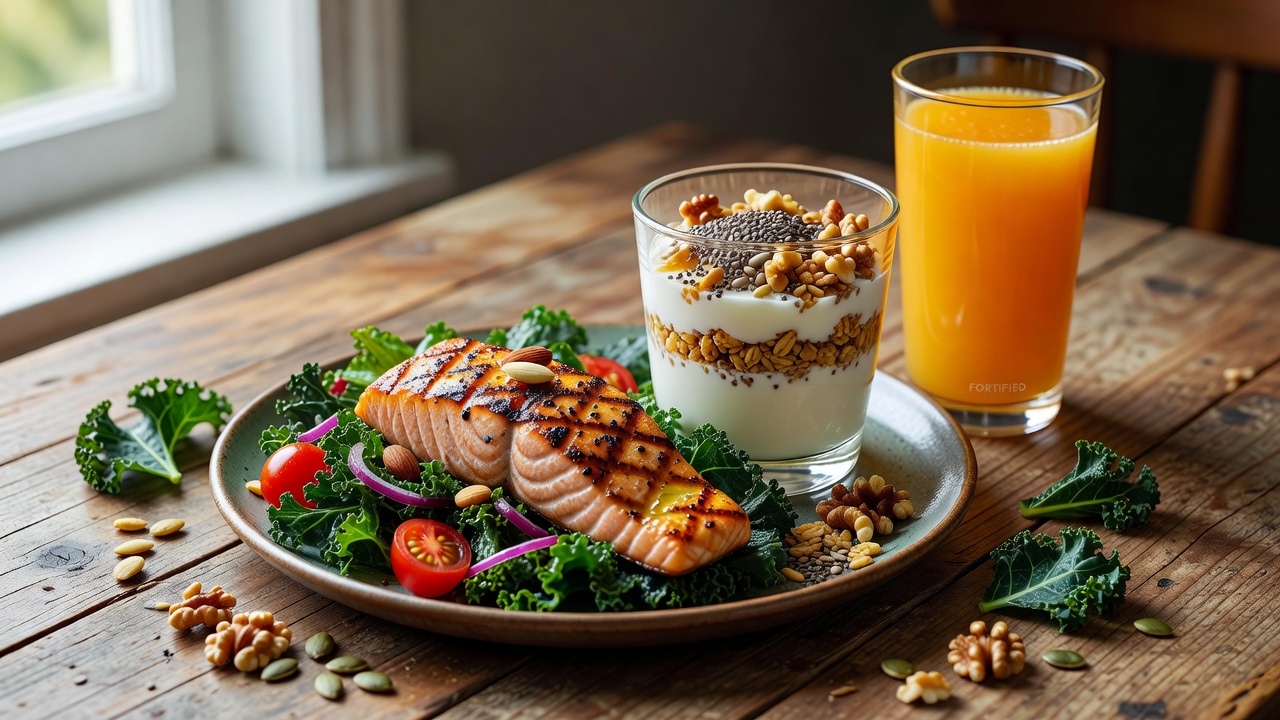
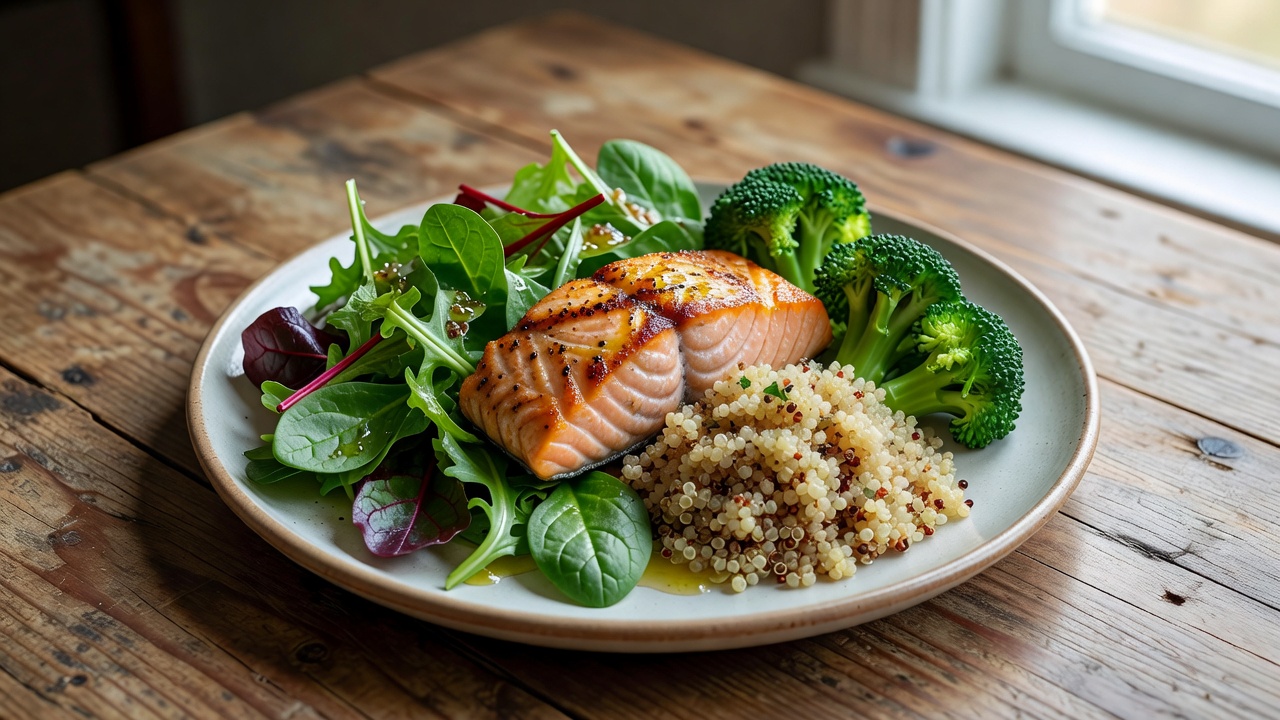
- Weekly rotation idea: Meatless Monday with bean-based chili, followed by fish on Tuesday using sustainable local catches
Implementation Roadmap and Common Barriers
Begin with small swaps rather than complete diet changes. Track progress for two weeks to identify what works. Common barriers include perceived higher costs or limited availability, but bulk buying seasonal items and growing herbs at home often offset expenses. Start by auditing your current pantry and replacing one processed item weekly with a whole-food alternative.
FAQ
How do I start if my area has limited local options?
Focus on frozen local produce or community-supported agriculture boxes that deliver seasonal items.
Is plant-forward eating expensive?
Many staples like beans and seasonal vegetables cost less than meat-heavy meals when bought in bulk.
What if my family resists new foods?
Introduce one new item gradually and pair it with familiar favorites to ease transition.
Can these changes really make a difference in 2026?
Collective small actions scale up; individual shifts contribute to broader market demand for sustainable options.
Conclusion
Smart eating in 2026 combines personal health gains with meaningful environmental benefits. By prioritizing seasonal produce, cutting waste, and leaning plant-forward, individuals create lasting positive change. Use the checklists and examples here to begin today and refine your approach over time for optimal results.
No comments yet. Be the first!