 Func Eats
Introduction to Smart Eating for Blood Sugar Balance
In 2026, more people are turning to smart eating practices to maintain stable blood sugar levels without restrictive dieting. This approach focuses on mindful choices that support sustained energy, reduce cravings, and promote overall wellness. Unlike basic calorie counting, smart eating emphasizes food quality, timing, and combinations that minimize blood sugar spikes. Readers seeking sustainable habits will find actionable strategies here, including identifying glycemic impacts, optimizing meal timing, and making effective swaps.
Research from organizations like the Centers for Disease Control and Prevention highlights how balanced nutrition can help prevent complications associated with fluctuating glucose. Evidence shows that consistent smart eating reduces fatigue, supports cognitive function, and lowers long-term health risks. The key is understanding how individual foods and meal patterns interact with your body's insulin response, allowing for personalized adjustments that fit busy lifestyles in 2026.
Understanding Glycemic Impact of Foods
The glycemic index (GI) measures how quickly foods raise blood sugar. Low-GI foods (under 55) release glucose slowly, while high-GI options cause rapid spikes. Focus on whole foods like lentils, oats, and non-starchy vegetables for better control. Additional factors include fiber content, fat, protein, and preparation methods. For example, cooking methods like boiling versus frying can alter a food's GI. Pairing carbs with proteins or healthy fats further slows absorption.
Beyond basic GI values, consider glycemic load, which accounts for portion size. A small serving of a high-GI food may have less impact than a large serving of a medium-GI item. Always check nutrition labels for added sugars and fiber content. Whole fruits and vegetables generally outperform processed alternatives because their natural fiber matrix slows digestion.
Common Food Comparisons
- White rice (GI ~73) vs. brown rice (GI ~68): Choose brown for steadier energy and added fiber.
- White bread (GI ~75) vs. whole-grain bread (GI ~50): The latter supports longer satiety and better nutrient intake.
- Potatoes (GI ~78) vs. sweet potatoes (GI ~63): Sweet potatoes offer more fiber, vitamins, and slower glucose release.
- Sugary soda (GI ~65) vs. sparkling water with lemon: Avoid liquid sugars entirely for balance.
- Regular pasta (GI ~45-50) vs. legume-based pasta (GI ~30): Legume versions provide extra protein and fiber.
Timing Meals Effectively for Stable Glucose
Meal timing plays a crucial role. Eating every 3-4 hours prevents drastic drops and spikes. Start with a balanced breakfast within an hour of waking to kickstart metabolism. Practical tips include front-loading protein at lunch and avoiding heavy carbs after 7 PM. Consistent schedules align with circadian rhythms for optimal insulin sensitivity.
For shift workers or irregular schedules, aim for protein-rich snacks during long gaps between meals. Avoid eating within two hours of bedtime to allow proper overnight glucose regulation. Studies indicate that aligning meals with daylight hours can improve metabolic health. Experiment with a 12-hour eating window initially, then refine based on energy levels and blood sugar readings if monitoring at home.
Smarter Nutrition Swaps for Everyday Meals
Simple swaps make a big difference. Replace refined grains with quinoa or barley. Use Greek yogurt instead of sour cream. Swap sugary snacks for nuts or apple slices with almond butter. These changes lower overall glycemic load while increasing nutrient density. Experiment gradually to build lasting habits.
Breakfast swaps: Replace sugary cereal with overnight oats topped with chia seeds and berries. Lunch swaps: Trade deli sandwiches on white bread for lettuce-wrapped turkey with avocado. Dinner swaps: Use cauliflower rice instead of white rice in stir-fries. Snack swaps: Choose cucumber slices with hummus over chips. Each swap adds fiber or protein that blunts glucose response without sacrificing flavor.
Step-by-Step Daily Meal Plan Examples
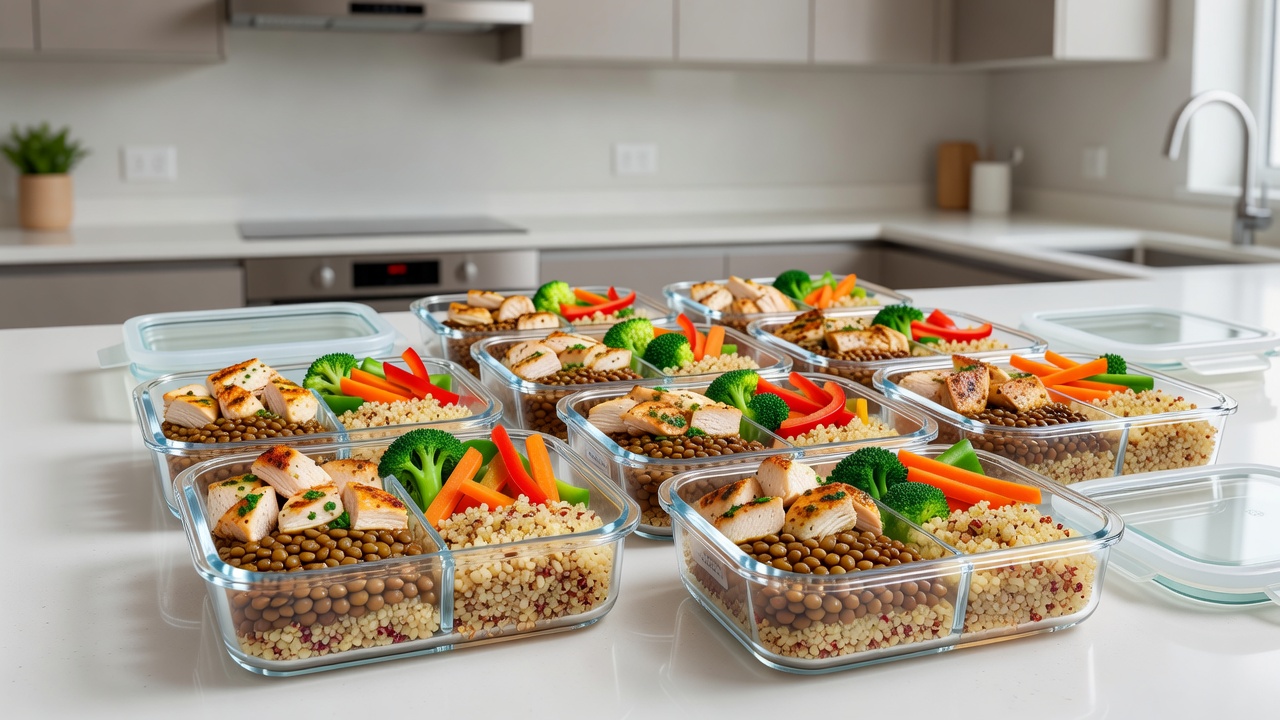
Here are two sample days with balanced macros. Adjust portions based on activity level and monitor personal responses using a food journal or glucose monitor.
Day 1: Balanced Energy Focus
- Breakfast: Oatmeal with chia seeds, berries, and a boiled egg (low-GI start with protein and fiber).
- Mid-morning: Handful of almonds and carrot sticks for sustained energy.
- Lunch: Grilled chicken salad with mixed greens, avocado, and quinoa.
- Afternoon: Greek yogurt with cinnamon to stabilize afternoon dips.
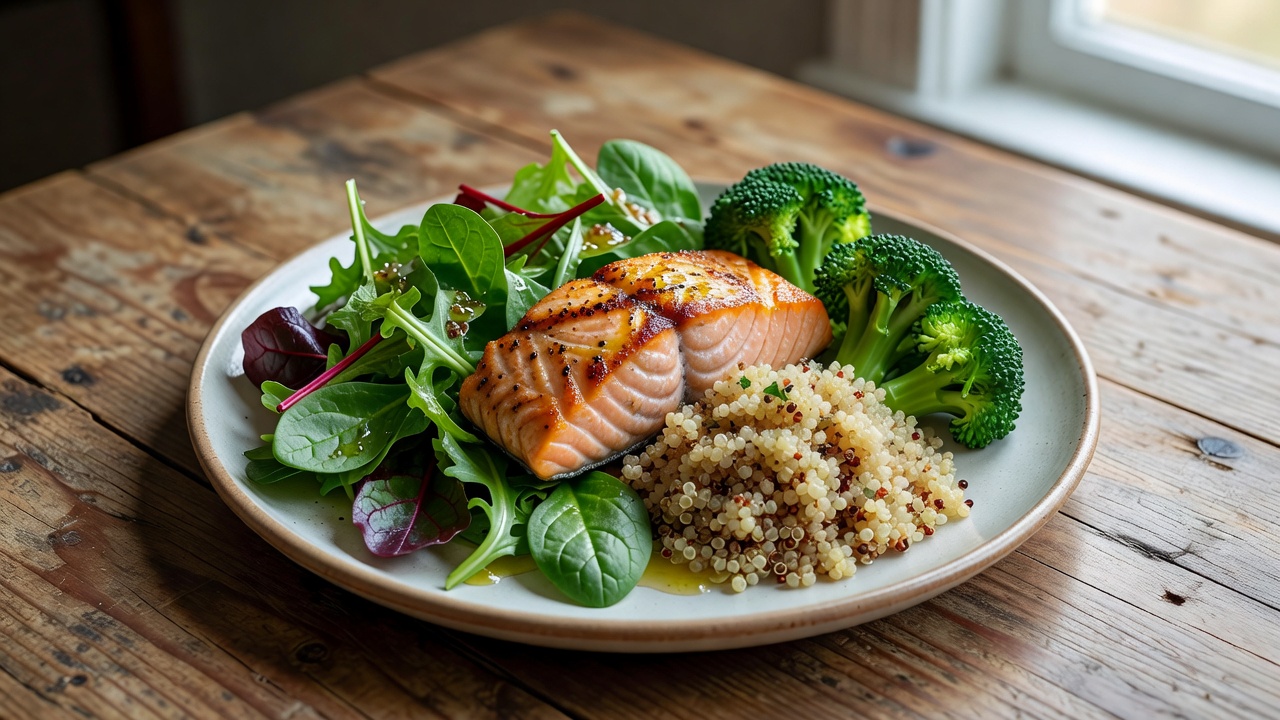
- Dinner: Baked salmon, broccoli, and lentils for a protein-fiber combination.
- Evening: Herbal tea if needed, avoiding late carbs.
Day 2: Plant-Forward Variation
- Breakfast: Veggie omelet with spinach and whole-grain toast.
- Snack: Pear with peanut butter for natural sweetness and healthy fats.
- Lunch: Turkey and hummus wrap in lettuce leaves with side salad.
- Afternoon: Cottage cheese with cucumber slices.
- Dinner: Stir-fried tofu with brown rice and peppers.
- Optional dessert: A small square of dark chocolate (70% cacao or higher).
Day 3 variation example: Focus on Mediterranean style with eggs, olives, fish, and plenty of vegetables to maintain variety and adherence.
Evidence-Based Strategies, Common Mistakes, and Misconceptions FAQ
Common myths include the idea that all carbs are harmful—focus on quality instead. Another misconception is that skipping meals helps; it often leads to overeating later. Track patterns for two weeks to identify personal triggers like stress or sleep deprivation that affect glucose.
Practical monitoring steps: Use a journal to note meals, timing, and energy levels. Consider consulting a registered dietitian for personalized plans. Incorporate movement after meals, such as a 10-minute walk, which can lower post-meal glucose by up to 30 percent according to metabolic research.
Frequently Asked Questions
- Does fruit raise blood sugar too much? Whole fruits are generally fine due to fiber; limit juices and dried fruits.
- Are artificial sweeteners safe? Moderate use is acceptable, but whole-food approaches are preferred for long-term gut health.
- How long until results show? Many notice steadier energy within 1-2 weeks of consistent changes.
- Can I eat out while following these tips? Yes—choose grilled proteins, request vegetable sides, and skip sugary drinks or desserts.
- What about alcohol? Limit intake and always pair with food to minimize impact on glucose regulation.
Consult resources from the World Health Organization and National Institutes of Health for global and research-backed guidelines on nutrition.
Conclusion: Building Sustainable Habits in 2026
Smart eating for blood sugar balance combines knowledge of food impacts, strategic timing, and simple swaps. By implementing these evidence-based practices, individuals can achieve better energy and health outcomes. Start small, track progress, and adjust as needed for lifelong success. Consistency over perfection leads to the most meaningful results.

No comments yet. Be the first!