 Func Eats
Introduction to Smart Eating for Bone Health
As we age, maintaining bone density becomes a priority for proactive adults seeking to prevent age-related issues like osteoporosis and fractures. Smart eating focuses on nutrient-dense whole foods rather than relying solely on supplements. This approach emphasizes calcium, vitamin D, magnesium, and protein while integrating lifestyle factors like weight-bearing exercise. Evidence shows that consistent dietary patterns can significantly reduce the risk of bone loss, with studies indicating up to 30 percent lower fracture rates among those adhering to balanced nutrition plans. By understanding how nutrients interact and support absorption, individuals can make informed choices that promote lifelong skeletal strength without unnecessary supplementation.
Key Nutrients and Their Roles in Bone Density
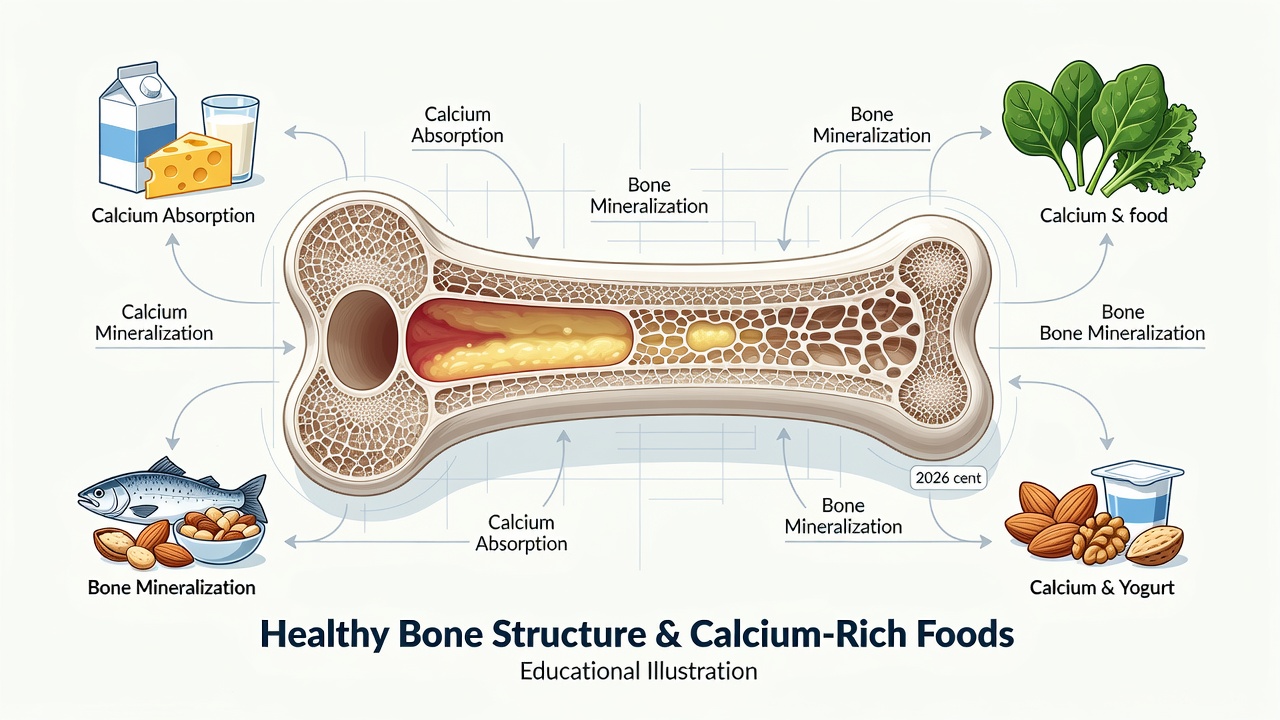
Calcium forms the structural foundation of bones, making up about 99 percent of the body's calcium stores in the skeleton. Adults typically require 1,000 to 1,200 milligrams daily, sourced primarily from food for better absorption and fewer side effects than pills. Vitamin D enhances calcium uptake in the intestines and regulates bone remodeling. Magnesium supports bone mineralization by activating enzymes involved in calcium metabolism, while protein provides the collagen matrix that gives bones flexibility and resilience. Pairing these nutrients thoughtfully improves bioavailability and overall effectiveness.
Calcium-Rich Food Sources and Absorption Tips
Dairy products like yogurt, milk, and cheese offer highly absorbable calcium with natural vitamin D in some varieties. Leafy greens such as kale, bok choy, and broccoli provide plant-based options, though oxalates in spinach can inhibit absorption. To boost uptake, consume calcium-rich meals with vitamin D sources and limit excessive caffeine or sodium during the same sitting. For example, pairing a spinach salad with grilled cheese and a side of fortified cereal maximizes intake. Practical tip: Aim for three servings of calcium foods spread throughout the day rather than one large dose.
Vitamin D Sources and Practical Strategies
Fatty fish including salmon, mackerel, and sardines deliver substantial amounts naturally. Fortified plant milks, orange juice, and cereals serve as accessible options for those avoiding animal products. Sunlight exposure of 10 to 30 minutes several times weekly helps the body synthesize vitamin D, though latitude and skin tone affect results. Combining these with healthy fats like avocado or olive oil enhances absorption since the vitamin is fat-soluble.
Magnesium and Protein Contributions to Bone Matrix
Nuts, seeds, whole grains, and legumes supply magnesium in meaningful quantities. Lean meats, eggs, Greek yogurt, tofu, and beans deliver high-quality protein. A balanced approach ensures both muscle maintenance and bone support without overloading the kidneys. For instance, a handful of almonds provides magnesium alongside a protein-rich egg breakfast.
Plant vs Animal Sources: Detailed Comparison
Animal sources often provide higher bioavailability for calcium and complete protein profiles, with dairy leading in absorption rates. However, plant sources like almonds, fortified tofu, edamame, and white beans offer additional fiber, antioxidants, and anti-inflammatory compounds that benefit overall health. A varied diet combining both reduces potential deficiencies while supporting gut health. For example, swapping half your dairy intake with fortified almond milk and leafy greens maintains nutrient levels while adding variety. This balance aligns with recommendations from major health organizations emphasizing dietary diversity.
Sample Daily Menus for Bone Support
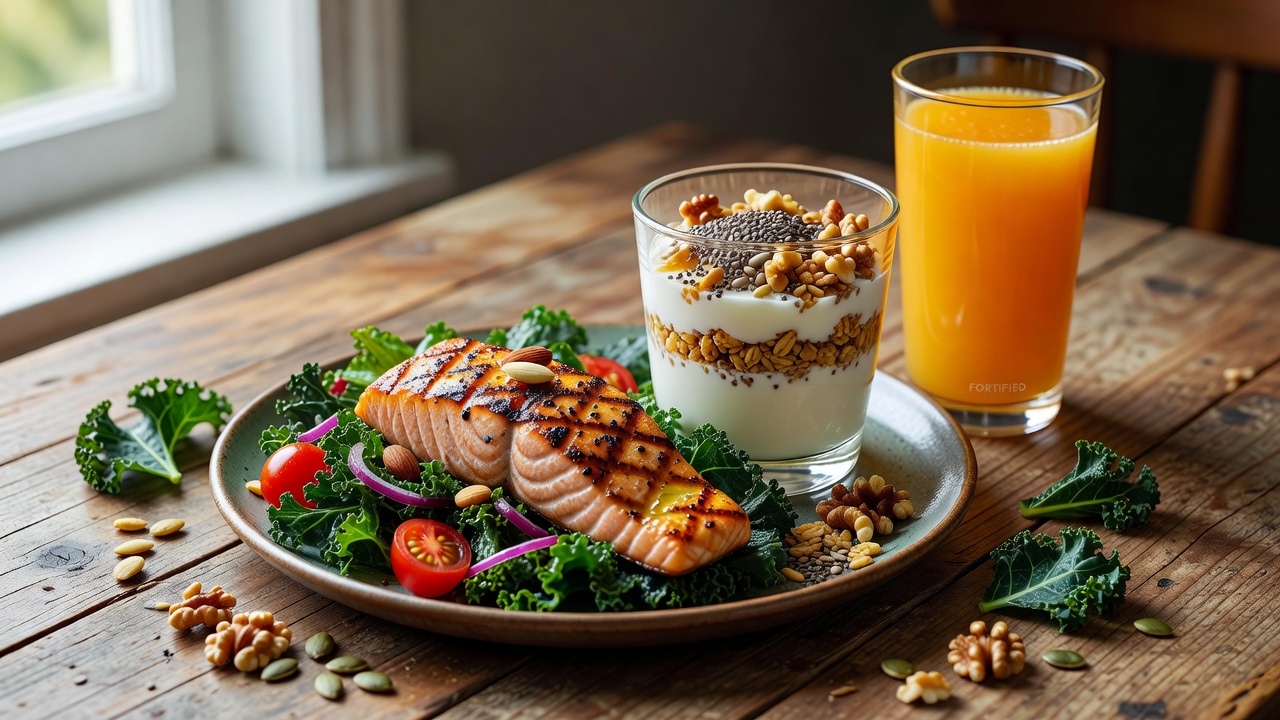
Breakfast option one: Greek yogurt parfait layered with almonds, chia seeds, and fortified orange juice alongside a boiled egg. Lunch: Grilled salmon over kale and broccoli salad dressed with olive oil and lemon, served with quinoa. Dinner: Lentil and spinach stew with crumbled feta cheese and a side of whole-grain bread. Snacks could include a small cheese stick or a smoothie made with fortified milk and berries. Alternative day two might feature a tofu scramble with mushrooms and kale for breakfast, followed by a bean and cheese burrito bowl at lunch. These menus deliver targeted nutrients across meals while remaining practical for busy schedules.
Meal Planning and Practical Steps for Success
- Track weekly intake of key nutrients using a simple food journal or app to identify gaps early.
- Prepare batch-cooked meals featuring leafy greens, proteins, and magnesium-rich grains on weekends for easy weekday assembly.
- Rotate food choices weekly to prevent monotony and ensure broad micronutrient coverage, such as alternating salmon with sardines or kale with bok choy.
- Consult a registered dietitian for personalized adjustments based on dietary restrictions, allergies, or medical conditions.
- Incorporate seasonal produce to keep meals fresh and cost-effective while maintaining nutrient density.
Integrate weight-bearing activities such as brisk walking, resistance training, or yoga three to four times weekly to complement nutrition efforts and stimulate bone remodeling. For deeper guidance, refer to NIH resources on bone health.
Lifestyle Integration, Challenges, and Common Myths Addressed
Nutrition works best alongside consistent movement, adequate sleep, and stress management, as chronic stress can increase calcium excretion. Common challenges include time constraints for meal prep, which can be solved by pre-chopping vegetables or using frozen options that retain nutrients. Another frequent obstacle is taste preferences; experimenting with herbs and spices makes greens more appealing. Avoid the myth that supplements alone suffice—whole foods provide synergistic compounds absent in isolated pills. The misconception that only dairy builds bones is outdated; many plant options work effectively when absorption is optimized through proper pairings. Monitoring progress might involve annual bone density scans alongside dietary reviews.
Additional authoritative insights are available at Mayo Clinic nutrition guidelines and World Health Organization healthy aging pages.
FAQ Section
Can I get enough calcium without dairy?
Yes, fortified plant milks, tofu prepared with calcium sulfate, almonds, and certain vegetables provide viable alternatives when consumed regularly and paired correctly.
How does exercise enhance nutrition for bones?
Weight-bearing and resistance activities stimulate bone remodeling, making dietary nutrients more effective at strengthening density over time.
Are there risks to excessive protein intake?
Moderation is key; very high amounts may affect calcium balance, so focus on balanced sources spread across meals rather than concentrated in one sitting.
What about vitamin D from sunlight only?
Sun exposure helps but varies by location, season, and skin type; food sources and occasional fortified items provide reliable year-round support.
Is it possible to overdo magnesium from food?
Food sources rarely cause issues, but excessive supplements can lead to digestive upset, so prioritize whole foods first.
Conclusion
Smart eating for bone health in 2026 centers on mindful, evidence-based choices that prioritize nutrient synergy over quick fixes. By focusing on calcium, vitamin D, magnesium, and protein from diverse sources, planning balanced meals with practical examples, and combining nutrition with physical activity, adults can proactively support skeletal strength and reduce age-related risks. Small, sustainable changes like adding a serving of greens daily or scheduling regular walks compound into meaningful long-term benefits. Start today with one menu adjustment and build from there for lasting skeletal wellness and improved quality of life.


No comments yet. Be the first!