 Func Eats

Introduction: How Nutrition Shapes Your Stress Response
Chronic stress affects millions of adults, often leading to fatigue, anxiety, and disrupted sleep. While lifestyle factors like exercise matter, the foods you choose daily play a direct role in regulating cortisol and supporting brain chemistry. Smart eating emphasizes nutrient-dense whole foods that stabilize blood sugar, reduce inflammation, and promote neurotransmitter balance without relying on supplements. In 2026, more people are turning to food-based strategies as a sustainable way to manage mental wellness amid busy schedules and constant demands.
This comprehensive guide provides evidence-based strategies for using nutrition to manage stress. Readers searching for food-first approaches will find detailed nutrient profiles, meal timing advice, practical swaps, and step-by-step routines that fit real life. By the end, you will have actionable tools to transform your eating habits and reduce stress naturally.
Understanding the Stress-Nutrition Connection
Stress triggers the release of cortisol, which can increase cravings for high-sugar and high-fat foods. Over time, this creates a cycle of energy crashes and mood fluctuations. Choosing foods rich in magnesium, omega-3s, and B vitamins helps blunt cortisol spikes and supports serotonin production. Research from institutions such as National Institutes of Health highlights how dietary patterns influence the hypothalamic-pituitary-adrenal axis, the body's central stress response system.
When stress becomes chronic, it depletes key nutrients faster than usual. For example, magnesium stores drop during prolonged tension, leading to muscle tightness and irritability. Similarly, inflammation rises, affecting mood centers in the brain. Understanding these mechanisms empowers you to make targeted food choices that interrupt the stress cycle at its root.
Key Stress-Reducing Nutrients and Food Sources
Focus on these core nutrients to build resilience. Each offers specific benefits backed by nutrition science:
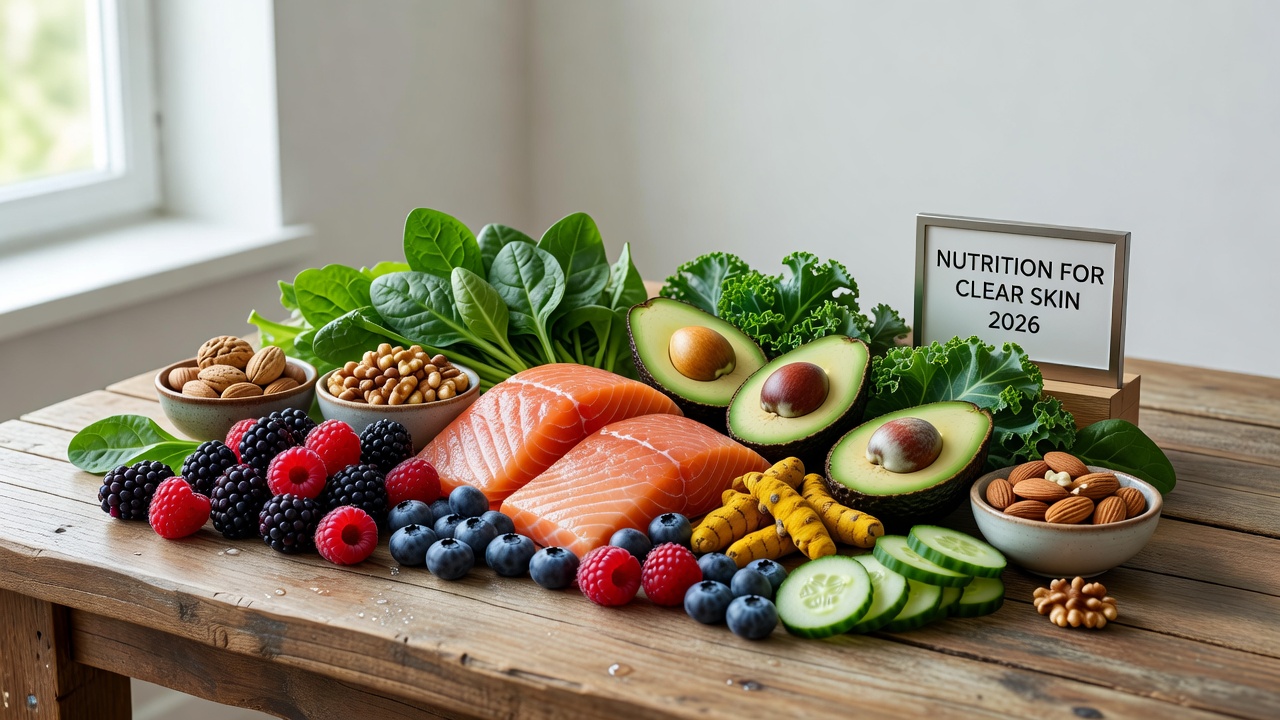
- Magnesium: Found in spinach, almonds, and avocado; helps relax muscles and calm the nervous system. Aim for 300-400 mg daily from food sources like a handful of almonds or a cup of cooked spinach.
- Omega-3 fatty acids: Present in salmon, walnuts, and flaxseeds; reduce inflammation linked to anxiety. Two to three servings of fatty fish per week provide meaningful support.
- B vitamins: Abundant in eggs, leafy greens, and legumes; essential for energy metabolism and mood regulation. These vitamins help convert food into usable energy, preventing afternoon slumps.
- Antioxidant-rich produce: Berries and citrus fruits combat oxidative stress caused by elevated cortisol. Blueberries in particular contain compounds that protect brain cells.
- Complex carbohydrates: Oats and sweet potatoes support steady serotonin levels, promoting calm without sugar crashes.
Aim for colorful plates at every meal to maximize these compounds naturally. Rotate your choices weekly to cover a broad spectrum of vitamins and minerals.
Strategic Meal Timing for Energy Stability
Eating every 3–4 hours prevents blood sugar dips that amplify stress. Start with a protein-rich breakfast within an hour of waking. Include a balanced lunch and dinner, plus one afternoon snack if needed. Avoid large meals close to bedtime, as they can interfere with sleep quality. Consistent timing trains your body to maintain steady glucose levels, reducing irritability and fatigue.
Sample daily schedule: 7 a.m. breakfast, 10 a.m. light snack, 1 p.m. lunch, 4 p.m. afternoon snack, 7 p.m. dinner. Adjust based on your work hours while keeping gaps under four hours. This approach keeps energy even and prevents the 3 p.m. slump many experience from skipped or unbalanced meals.
Mindful Eating Practices to Break Stress Cycles
Mindful eating shifts focus from emotional triggers to physical hunger cues. Before meals, pause for two minutes to assess true hunger versus stress-driven cravings. Eat slowly, chewing thoroughly, and notice flavors and textures. This simple habit improves digestion and satisfaction, often reducing overall calorie intake from emotional eating.
Try this five-step mindful routine at each meal: 1) Sit down without screens. 2) Take three deep breaths. 3) Identify physical hunger on a scale of 1-10. 4) Eat without multitasking. 5) Stop when you feel 80 percent full. Over time, these steps rewire automatic responses to stress.

Practical Daily Meal Swaps and Examples
Replace common stress-eating triggers with smarter alternatives that deliver similar satisfaction with better nutritional value:
- Instead of sugary pastries for breakfast, choose Greek yogurt topped with berries and a sprinkle of nuts.
- Swap afternoon vending-machine chips for carrot sticks with hummus and a handful of almonds.
- Replace late-night ice cream with a small bowl of oatmeal made with almond milk and cinnamon.
- Trade coffee-shop muffins for a whole-grain toast with avocado and a boiled egg.
- Substitute soda with sparkling water infused with cucumber and mint.
These swaps deliver sustained energy while satisfying taste preferences. A sample full day might include overnight oats with chia seeds and banana for breakfast, a quinoa salad with chickpeas and vegetables for lunch, grilled salmon with broccoli and sweet potato for dinner, and an apple with peanut butter as an afternoon snack. Variations can include lentil soup or turkey wraps depending on preferences and seasonal produce.
Step-by-Step Stress-Relief Eating Routine
Follow this structured approach to implement smart eating consistently:
- Plan meals on Sunday using a simple template: protein + fiber + healthy fat at each sitting.
- Prep ingredients in batches to reduce decision fatigue during the week, such as chopping vegetables and cooking grains ahead.
- Keep a food-mood journal for one week to identify personal triggers and patterns.
- Practice the 80/20 rule: eat nutrient-dense foods 80 percent of the time and allow flexibility the remaining 20 percent.
- Reassess after 30 days and adjust portions or timing based on energy levels and stress markers.
- Incorporate one new stress-reducing food each week to avoid overwhelm.
Common Mistakes to Avoid
Many people skip breakfast or rely on caffeine alone, which worsens cortisol fluctuations. Others turn to restrictive diets that increase stress. Additional pitfalls include eating while distracted by screens, ignoring hydration needs, and stocking only convenience foods at home. Focus on addition rather than elimination—add one stress-reducing food daily instead of cutting entire food groups. Avoid all-or-nothing thinking that leads to rebound overeating.
How to Handle Emotional Cravings
When cravings hit, first identify whether you are truly hungry or responding to emotions. Keep a list of five go-to alternatives ready, such as herbal tea, a short walk, or a handful of dark chocolate-covered almonds. Pairing these strategies with the routines above reduces the power of emotional triggers over time.
Frequently Asked Questions
Can certain foods really lower cortisol?
Yes. Foods high in magnesium and omega-3s have been shown in studies to support lower cortisol levels when consumed consistently as part of a balanced diet.
How long until I notice mood improvements?
Most people report better energy and fewer cravings within two to three weeks of consistent smart eating habits.
What if emotional cravings still occur?
Address the root cause by pairing mindful eating with short walks or breathing exercises. Keep healthy swaps readily available to make better choices easier.
Should I eliminate all comfort foods?
No. Complete restriction often backfires. Allow occasional treats while prioritizing nutrient-dense options most of the time.
Is hydration part of smart eating for stress?
Absolutely. Dehydration can heighten stress perception. Aim for consistent water intake throughout the day alongside balanced meals.
Conclusion
Smart eating offers a sustainable, food-based path to stress relief and improved mental wellness. By prioritizing key nutrients, timing meals strategically, and practicing mindfulness, you can create lasting habits that support both body and mind. Start with one change today and build from there for noticeable results in 2026 and beyond. For broader guidance on nutrition and health, visit Mayo Clinic.

No comments yet. Be the first!