 Func Eats
Introduction: The Powerful Link Between Diet and Skin Health
In 2026, more people are recognizing that clear skin starts from within. Smart eating focuses on nutrient-dense foods that reduce inflammation, support hydration, and balance the gut microbiome. This approach goes beyond topical treatments by addressing root causes like oxidative stress and hormonal imbalances triggered by poor diet choices. Many individuals struggle with persistent acne or dullness despite using expensive skincare products because they overlook the foundational role of daily nutrition.
Research from institutions like the Mayo Clinic consistently shows that dietary patterns rich in antioxidants and healthy fats correlate with fewer breakouts and improved skin barrier function. Whether you're dealing with acne, dryness, or dullness, mindful nutrition offers sustainable results. The 2026 landscape emphasizes personalization, where individuals combine traditional anti-inflammatory eating with emerging insights from microbiome science to achieve lasting clarity.
Understanding How Food Choices Affect Skin Clarity
The connection between nutrition and skin involves several mechanisms. Processed sugars and refined carbs spike insulin levels, promoting inflammation and excess oil production. This can lead to clogged pores and increased sebum. In contrast, anti-inflammatory ingredients like berries, fatty fish, and leafy greens help calm the skin by lowering cytokine levels and supporting collagen synthesis.
Personalized microbiome insights are a key 2026 trend. Emerging studies highlight how gut bacteria influence skin conditions through the gut-skin axis. Consuming fermented foods and prebiotic fibers can optimize this relationship for clearer results. Hormonal fluctuations, often worsened by high-glycemic meals, also play a role, making consistent smart eating essential for both men and women seeking balanced complexions.
Key Anti-Inflammatory Ingredients to Prioritize
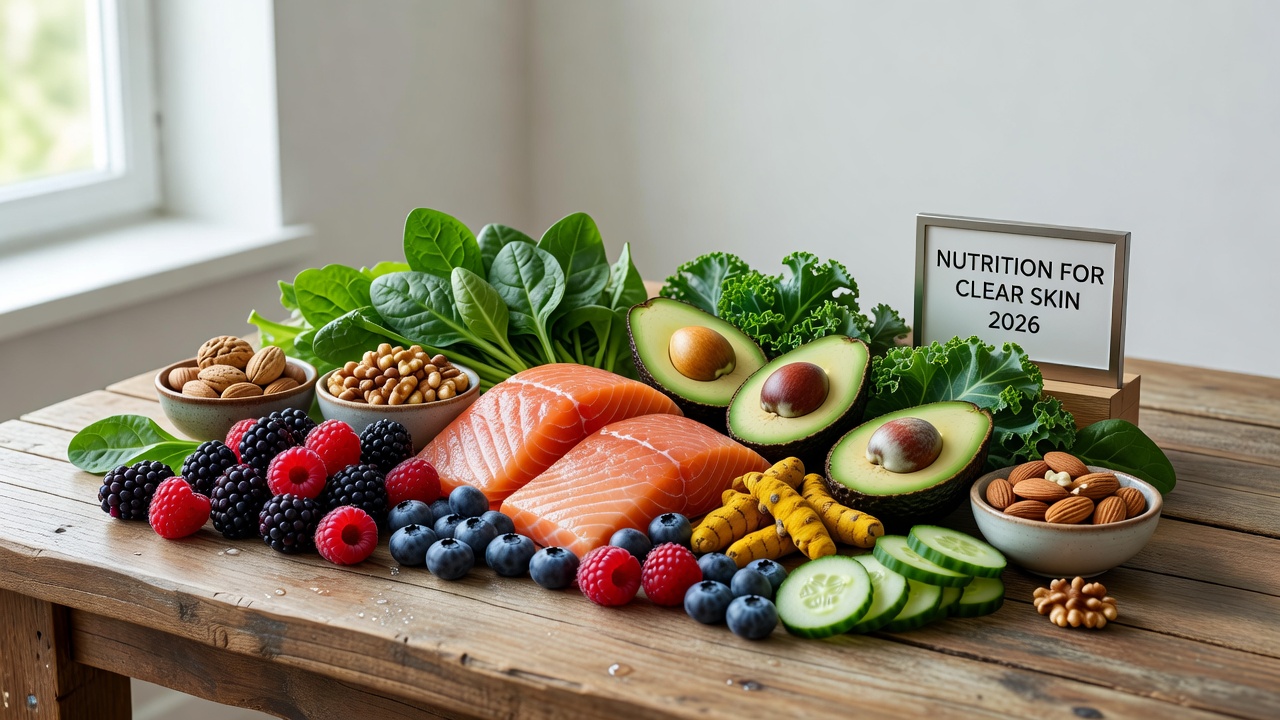
- Fatty fish such as salmon for omega-3s that reduce redness and support cell membranes
- Berries and citrus fruits packed with vitamin C for collagen production and antioxidant protection
- Avocados and nuts for healthy fats that maintain skin elasticity
- Turmeric and ginger for their curcumin and anti-inflammatory compounds that soothe irritation
- Leafy greens like spinach and kale rich in vitamins A, C, and K
- Additional options include green tea for polyphenols and olive oil for monounsaturated fats
Hydration Strategies for Radiant Skin
Hydration extends beyond drinking water. Incorporate water-rich foods like cucumbers, watermelon, and celery into daily meals. Aim for herbal teas and bone broths that deliver electrolytes without added sugars. Consistent hydration supports collagen production and flushes toxins that can lead to breakouts. Experts recommend aiming for at least eight glasses of fluid daily, adjusting upward during exercise or hot weather.
Practical tips include starting the day with lemon-infused water and carrying a reusable bottle. Infused waters with mint or berries add flavor while providing extra antioxidants. Dehydration often manifests as dry patches or increased sensitivity, so monitoring urine color offers a simple daily check.
Foods and Habits to Avoid
Common triggers include processed sugars, dairy in excess for some individuals, and fried foods. These can exacerbate inflammation by raising blood sugar rapidly. Instead, focus on whole foods to minimize glycemic load and support steady energy levels without skin flare-ups. Reading labels for hidden sugars in sauces and snacks helps avoid accidental intake.
7-Day Smart Eating Meal Plan Example
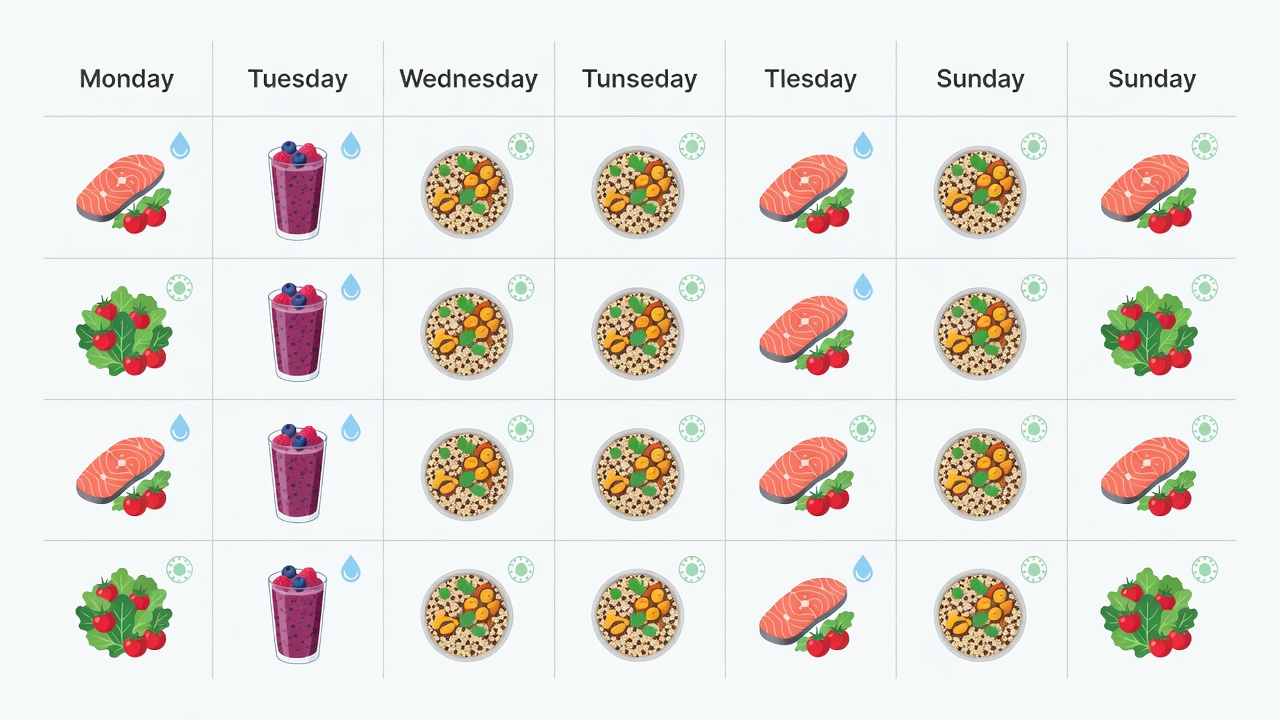
Here's a practical 7-day plan designed for skin health. Adjust portions based on your needs and activity level. Each day balances macronutrients while emphasizing anti-inflammatory components.
- Day 1: Breakfast - Greek yogurt with mixed berries and chia seeds; Lunch - Grilled salmon salad with olive oil dressing; Dinner - Quinoa stir-fry with broccoli and turmeric
- Day 2: Breakfast - Avocado toast on whole-grain bread with poached egg; Lunch - Lentil soup with spinach; Dinner - Baked chicken with sweet potato and kale
- Day 3: Breakfast - Berry smoothie with almond milk and flaxseed; Lunch - Tuna salad on greens; Dinner - Vegetable curry with brown rice
- Day 4: Breakfast - Oatmeal topped with walnuts and apple slices; Lunch - Turkey and avocado wrap; Dinner - Grilled mackerel with asparagus
- Day 5: Breakfast - Cottage cheese with pineapple and pumpkin seeds; Lunch - Chickpea salad; Dinner - Stir-fried tofu with bok choy
- Day 6: Breakfast - Green smoothie with cucumber and ginger; Lunch - Sardine toast on rye; Dinner - Baked cod with zucchini noodles
- Day 7: Breakfast - Scrambled eggs with tomatoes and herbs; Lunch - Quinoa bowl with roasted vegetables; Dinner - Salmon patties with side salad
Comparing Typical Diets vs. Smart Eating Patterns
Standard Western diets high in processed items often lead to higher inflammation markers and frequent skin issues. Smart eating emphasizes balance, variety, and whole foods, resulting in lower glycemic responses and better nutrient absorption. Beginners notice visible skin improvements within 4-6 weeks when switching patterns. For example, replacing sugary cereals with overnight oats can stabilize energy and reduce mid-afternoon breakouts.
Step-by-Step Implementation for Beginners
- Assess current eating habits with a food journal for one week to identify patterns.
- Gradually swap one processed item daily for a whole-food alternative, such as trading chips for carrot sticks.
- Incorporate microbiome-friendly foods like kimchi or sauerkraut three times weekly.
- Track skin changes alongside dietary shifts using photos or a simple rating scale.
- Consult a nutritionist for personalized microbiome testing if available in your area.
- Build in weekly meal prep sessions to ensure consistent access to healthy options.
Grocery List for Smart Skin Eating
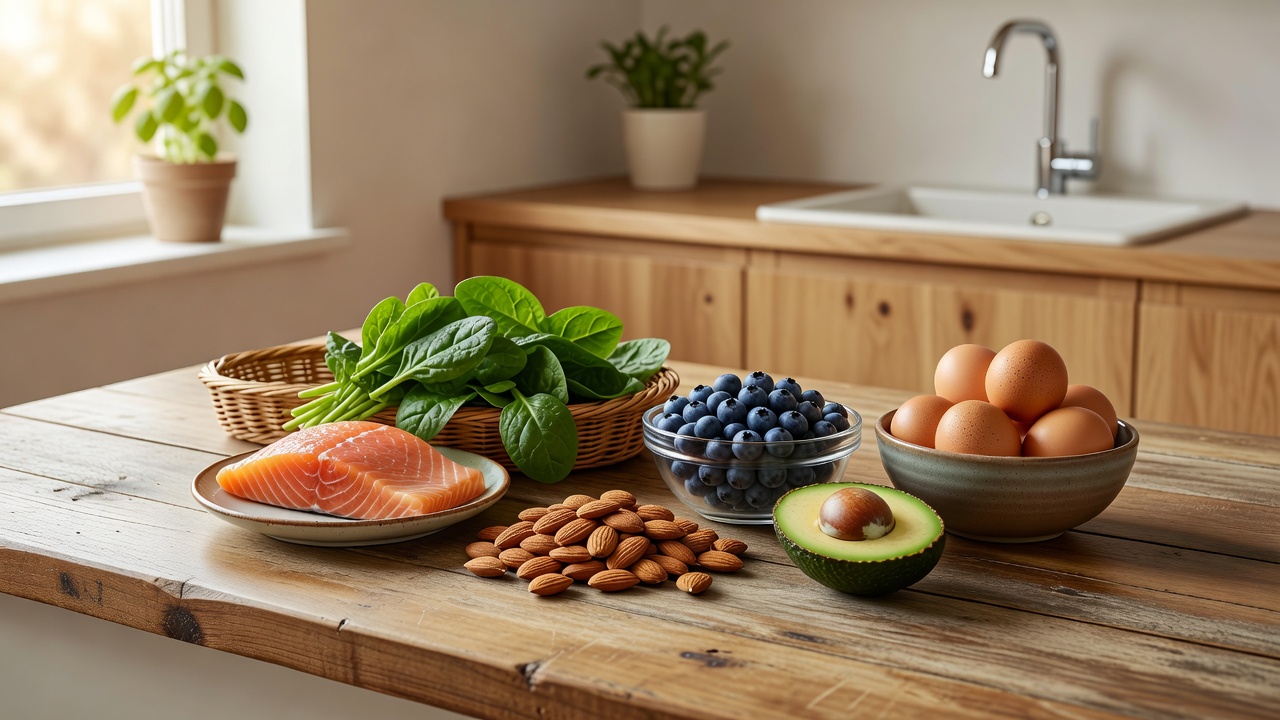
Stock up on: salmon, mixed berries, spinach, avocados, almonds, olive oil, turmeric, cucumbers, Greek yogurt, quinoa, fermented vegetables, eggs, lentils, sweet potatoes, and herbal teas. These staples form the foundation of anti-inflammatory meals and can be rotated throughout the week.
Real-Life Case Examples
One 32-year-old professional reduced acne by 70 percent after adopting the 7-day plan and adding daily walks. She replaced afternoon pastries with Greek yogurt parfaits and noticed smoother texture within five weeks. Another case involved a college student who eliminated sugary drinks and saw clearer skin within three weeks, supported by better sleep and increased water intake. A third example features a busy parent who batch-cooked quinoa bowls and reported fewer hormonal flare-ups after consistent use of turmeric in meals.
2026 Trends: Personalized Microbiome Insights
Advances in at-home testing allow tailored recommendations. Pairing diet with probiotics suited to your unique gut profile maximizes skin benefits, aligning with functional nutrition approaches promoted by leading health organizations.
Evidence-Based Tips for Lasting Results
Combine nutrition with lifestyle factors such as adequate sleep and stress management. Regular physical activity enhances circulation and supports detoxification. Monitoring portion sizes prevents overeating inflammatory foods while still enjoying variety. Resources from National Institutes of Health provide further guidance on dietary patterns linked to dermatological health.
FAQ: Debunking Myths About Nutrition and Acne
Does chocolate cause acne?
Only if it's high in added sugars; dark chocolate in moderation is often beneficial due to antioxidants.
Is dairy always bad for skin?
Individual responses vary; some thrive with fermented dairy while others benefit from plant-based alternatives.
How long until I see results?
Most people notice improvements in 3-6 weeks with consistent smart eating.
Can supplements replace whole foods?
Whole foods provide synergistic nutrients that supplements alone cannot replicate effectively.
Are there specific diets proven for acne?
Low-glycemic and Mediterranean-style patterns show the strongest evidence for reducing lesions.
Conclusion
Smart eating transforms skin health through intentional choices. Start small, stay consistent, and leverage 2026 insights like microbiome personalization for optimal clarity and confidence. With the right foundation, radiant skin becomes an achievable outcome rather than a constant struggle.
No comments yet. Be the first!