 Func Eats

Introduction to Personalized Heart Health Nutrition in 2026
Cardiovascular wellness remains a top priority for health-conscious individuals seeking sustainable, evidence-based approaches. In 2026, custom nutrition plans emphasize targeted strategies that integrate key nutrients such as omega-3 fatty acids and dietary fiber while comparing proven frameworks like the Mediterranean diet and plant-forward eating patterns. These plans help optimize heart function, reduce inflammation, and support long-term vitality across various fitness levels. Personalization is essential because no single diet works universally; factors like age, activity level, genetics, and existing health conditions all influence what works best. By focusing on individual needs, dietary restrictions, and measurable biomarkers, readers can create actionable eating frameworks that deliver results. This guide provides step-by-step customization methods, realistic sample meals, and practical solutions to common barriers. Whether you are a beginner or an experienced athlete, the principles here support lasting cardiovascular optimization through informed food choices rather than short-term restrictions.
Essential Nutrients for Cardiovascular Support
Omega-3 fatty acids play a central role in reducing triglycerides and supporting arterial health. Sources include fatty fish, flaxseeds, and walnuts. Dietary fiber, particularly soluble fiber from oats and beans, helps manage cholesterol levels effectively. Additional emphasis falls on antioxidants from berries and leafy greens, plus potassium-rich foods like avocados and sweet potatoes that aid blood pressure regulation. Beyond these, magnesium from nuts and seeds contributes to heart rhythm stability, while polyphenols in extra virgin olive oil and dark chocolate provide anti-inflammatory benefits. Evidence from leading health organizations underscores the importance of balancing these nutrients daily. For example, incorporating at least two servings of omega-3 sources weekly aligns with recommendations from the World Health Organization. Individuals should aim for a variety of colorful produce to maximize micronutrient diversity, as single-nutrient focus often falls short for comprehensive heart protection.
Practical Daily Targets
Establishing measurable goals helps translate nutrient knowledge into action. Aim for 1.5 to 2 grams of combined EPA and DHA from omega-3s, 30 to 35 grams of total fiber, and at least five servings of vegetables and fruits. Tracking apps or simple food journals make adherence easier while allowing adjustments based on energy levels and lab results.
Comparing Mediterranean and Plant-Forward Diets
The Mediterranean diet highlights olive oil, fish, nuts, and moderate wine alongside abundant vegetables and whole grains. It consistently shows strong outcomes for heart health through anti-inflammatory effects. Plant-forward approaches, by contrast, prioritize legumes, seeds, and vegetables while minimizing or excluding animal products. Both deliver benefits, but customization depends on personal preferences, cultural backgrounds, and nutrient absorption needs. The Mediterranean pattern often excels in satiety due to healthy fats, whereas plant-forward eating may better support weight management through higher volume and lower caloric density.
- Mediterranean advantages: Proven cardiovascular event reduction, flexible inclusion of seafood, strong emphasis on social eating traditions.
- Plant-forward advantages: Lower environmental impact, higher antioxidant load, easier adaptation for vegan or vegetarian lifestyles.
- Shared strengths: Both reduce processed foods and emphasize whole ingredients that lower LDL cholesterol and blood pressure over time.
Individuals with higher activity levels often thrive on Mediterranean patterns for their inclusion of lean proteins, while those managing weight may prefer plant-forward options for higher fiber density and lower calorie density.
Step-by-Step Methods to Customize Your Plan
- Assess baseline health markers through bloodwork including LDL cholesterol, triglycerides, and blood pressure. Schedule these tests before starting and again after 8–12 weeks to measure progress objectively.
- Identify dietary restrictions such as allergies or cultural preferences. Create a list of safe foods and forbidden ingredients to avoid trial-and-error frustration later.
- Select a primary diet framework and adjust macronutrient ratios accordingly. For example, increase plant proteins if following a plant-forward path or add moderate fish portions within a Mediterranean structure.
- Incorporate daily targets: 1.5–2 grams of omega-3s and 30–35 grams of fiber. Use food scales or measuring cups initially to learn accurate portions.
- Plan meals around seasonal produce and track adherence for two weeks before refining. Review weekly logs to identify patterns such as energy dips or cravings that signal needed adjustments.
- Consult a healthcare professional or registered dietitian for personalized tweaks, especially if managing medications or multiple chronic conditions.
This methodical process ensures plans remain practical and sustainable rather than overly restrictive. Revisit the steps every few months as fitness levels or health markers evolve.
Sample Daily Meal Frameworks
Here is a flexible daily structure suitable for moderate activity levels. It can be scaled up or down based on total energy requirements.
- Breakfast: Oatmeal topped with flaxseeds, berries, and a handful of walnuts. Add cinnamon for flavor without added sugar.
- Lunch: Grilled salmon salad with mixed greens, chickpeas, olive oil dressing, and quinoa. Include a side of roasted vegetables for extra fiber.
- Snack: Apple slices with almond butter or a small portion of edamame. This combination provides both protein and soluble fiber.
- Dinner: Lentil stew with sweet potatoes, spinach, and herbs. Serve over brown rice for sustained energy.
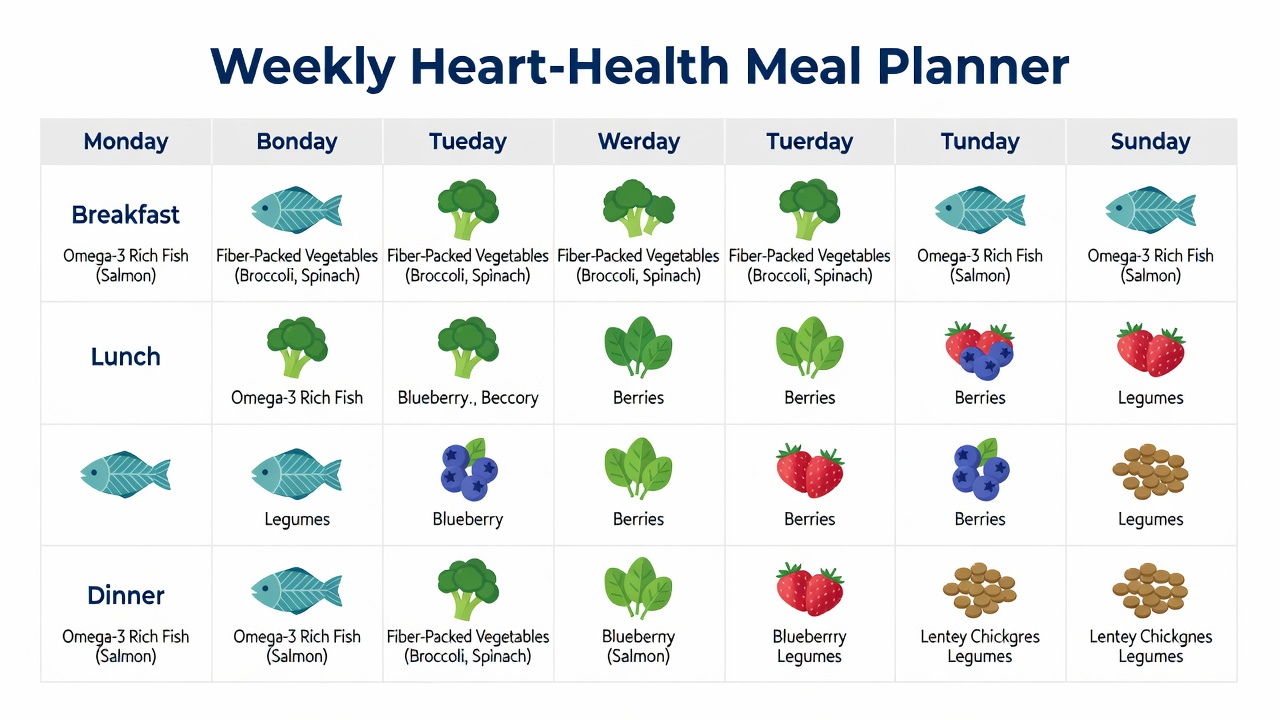
For beginners, simplify by repeating two or three core meals during the first month. Intermediate users can rotate proteins and grains weekly. Advanced athletes may add a post-workout smoothie with banana, spinach, and chia seeds. Those following plant-forward versions can swap salmon for tofu or tempeh while preserving omega-3 intake through fortified foods or supplements when necessary. Always prepare extra portions for efficient leftovers that reduce daily decision fatigue.
Real-World Case Examples Across Fitness Levels
A sedentary office worker with elevated triglycerides adopted a Mediterranean plan emphasizing fish twice weekly and daily fiber targets. After consistent implementation, blood markers improved noticeably within three months, with triglycerides dropping 25 percent. An endurance runner chose a plant-forward approach rich in legumes and seeds, reporting sustained energy and faster recovery times after long runs. A strength-training enthusiast combined elements of both diets by including fatty fish three times weekly alongside large vegetable portions and found improved HDL cholesterol levels. Beginners can start with two customized meals per day before expanding to full frameworks. These examples illustrate that success comes from consistency rather than perfection, and small weekly improvements compound over time.
Overcoming Common Barriers and Dietary Restrictions
Time constraints often hinder adherence. Batch-preparing grains and proteins on weekends simplifies weekday execution and cuts daily cooking time in half. For those with nut allergies, substitute seeds like chia or pumpkin. Cultural preferences can be honored by adapting traditional recipes with heart-healthy swaps such as using olive oil instead of butter or ghee. Individuals with diabetes benefit from pairing carbohydrates with protein and fiber at every meal to stabilize blood sugar. Budget concerns are addressed by focusing on affordable staples like beans, oats, and frozen produce rather than specialty items. Consulting a registered dietitian ensures safety when managing multiple restrictions simultaneously. Support groups or online communities provide accountability and recipe ideas tailored to similar challenges.
FAQ: Monitoring Progress with Blood Markers
How often should I check blood markers? Most experts recommend testing every three to six months when starting a new plan, then annually once stable. This frequency allows timely adjustments without unnecessary testing costs.
Which markers matter most? Focus on LDL cholesterol, HDL cholesterol, triglycerides, fasting glucose, and high-sensitivity CRP for inflammation tracking. Additional tests like ApoB may be useful for those with family history of heart disease.
Can diet alone improve these numbers? Yes, consistent nutrient-focused eating frequently produces measurable changes, though combining it with regular movement amplifies results. Many see meaningful shifts within 8–12 weeks.
What if markers do not improve? Re-evaluate portion sizes, hidden sodium intake, or stress levels and consider professional guidance from sources like Mayo Clinic or the American Heart Association.
Should supplements replace whole foods? Whole foods remain preferable because they provide synergistic nutrients. Supplements serve best as targeted additions when dietary intake falls short, always under professional supervision.
Conclusion
Custom nutrition plans for cardiovascular wellness in 2026 combine proven dietary patterns with precise nutrient targets and ongoing monitoring. By applying the steps, examples, and troubleshooting advice outlined above, individuals can achieve meaningful, lasting improvements in heart health. Begin with small, consistent changes and adjust based on personal biomarkers for optimal outcomes. Long-term success depends on viewing nutrition as an evolving practice rather than a fixed prescription, allowing plans to adapt alongside life circumstances and health data.


No comments yet. Be the first!