 Func Eats
Introduction to Personalized Kidney Nutrition in 2026
Kidney health optimization requires more than generic advice. In 2026, custom nutrition plans leverage individual biomarkers, lifestyle data, and precise nutrient control to prevent decline or manage early chronic kidney disease (CKD) stages. These approaches focus on controlled protein, phosphorus, potassium, and sodium intake while supporting overall wellness through goal-based eating. Readers searching for these strategies typically want actionable frameworks that integrate lab results with daily meal planning. This guide provides step-by-step methods, comparisons, and practical examples to help you build sustainable habits that align with modern health tracking tools and emerging research on renal support.
Understanding the kidneys' role in filtering waste and maintaining fluid balance highlights why targeted nutrition matters. Early intervention through diet can slow progression significantly when tailored correctly. Factors such as age, activity level, comorbidities like diabetes or hypertension, and genetic predispositions all influence plan design. Working alongside healthcare providers ensures safety and effectiveness throughout the process.
Key Macronutrient and Micronutrient Priorities
Effective renal nutrition balances several key nutrients. Protein intake is often moderated to 0.6–0.8 grams per kilogram of body weight for early-stage patients, reducing strain on filtering units. Phosphorus is limited to under 800–1000 mg daily to avoid vascular calcification, while potassium stays within 2000–3000 mg depending on serum levels. Sodium restriction below 2000 mg supports blood pressure control. Micronutrients like vitamin D and B vitamins require monitoring because kidney impairment affects their metabolism. Always consult recent lab work from your nephrologist before adjusting targets.
Protein Management Strategies
High-quality protein sources such as egg whites, fish, and poultry are preferred over red meats because they produce fewer waste products. Plant-based options like tofu can be included in moderation. Tracking total intake prevents both under- and over-consumption, which can lead to muscle loss or further kidney stress.
Phosphorus and Potassium Control
Phosphorus additives in processed foods are particularly problematic and should be avoided by reading labels carefully. Fresh produce choices must balance potassium needs with restrictions, favoring lower-potassium options like apples, berries, and cabbage over bananas or spinach. Cooking methods such as leaching vegetables in water can reduce potassium content by up to 50 percent in some cases.
Step-by-Step Meal Planning Framework
Building a custom plan starts with assessment. Collect biomarkers including eGFR, creatinine, phosphorus, and potassium levels. Next, calculate daily calorie needs based on activity and weight goals. Then allocate macronutrients accordingly. Use a simple template: list breakfast, lunch, dinner, and two snacks with nutrient totals. Track portions using digital scales and apps. Reassess every four to six weeks with updated labs.
Begin by determining your ideal body weight and activity multiplier. For sedentary individuals, multiply weight in kilograms by 25–30 to estimate calories. From there, distribute protein at 15–20 percent of calories, carbohydrates at 50–60 percent from low-potassium sources, and fats from heart-healthy options. Incorporate fiber-rich foods where possible without exceeding potassium limits. Meal prep on weekends using portion-controlled containers helps maintain consistency during busy weeks.
Renal Diets Versus Standard Goal-Based Eating
Traditional renal diets emphasize strict limits on phosphorus additives and potassium-rich produce. In contrast, modern goal-based eating integrates these restrictions into broader objectives like weight management or athletic performance. Renal plans often exclude high-phosphorus processed foods entirely. Goal-based versions allow occasional flexibility when paired with phosphate binders. The hybrid approach used in 2026 custom plans combines both for better adherence and results. Individuals focused on muscle maintenance may increase protein slightly while monitoring bloodwork closely, whereas those prioritizing blood pressure control emphasize sodium reduction above all else.
Real-World 7-Day Meal Plan Example
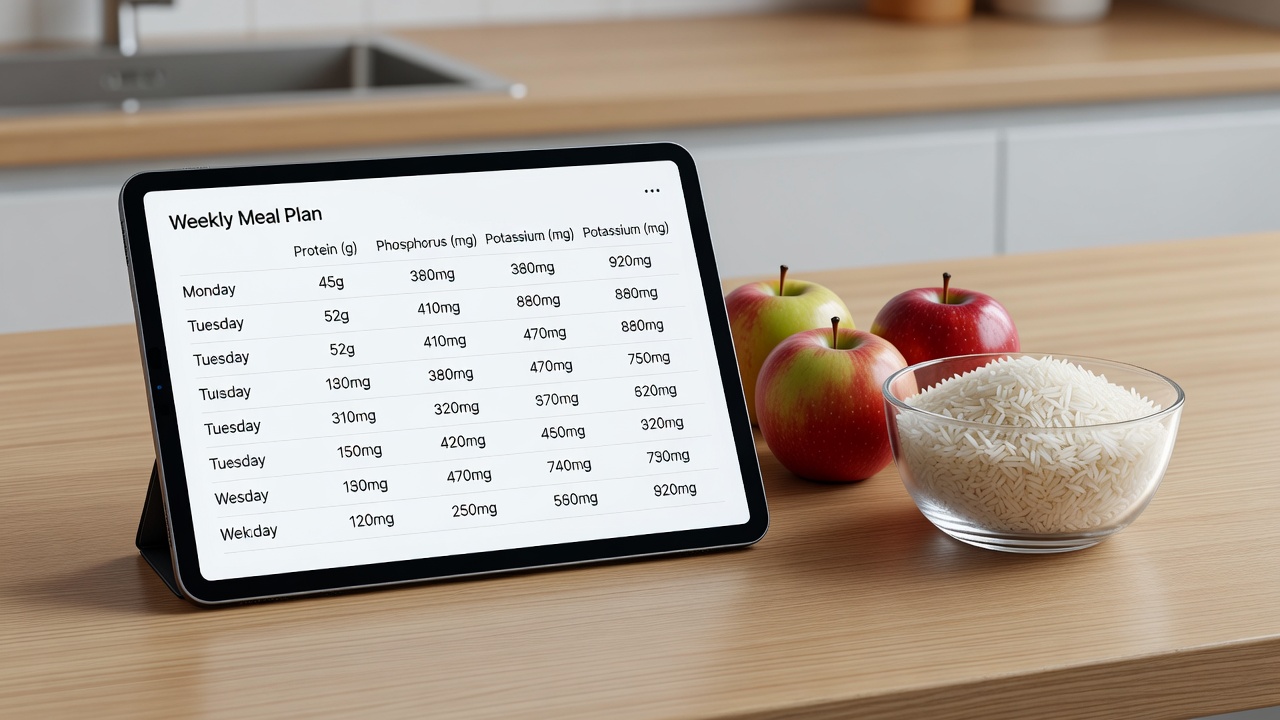
Here is a sample plan for an individual with stage 2 CKD aiming for 1800 calories and controlled phosphorus under 900 mg daily. Each day includes calculated nutrient estimates and variety to prevent boredom.
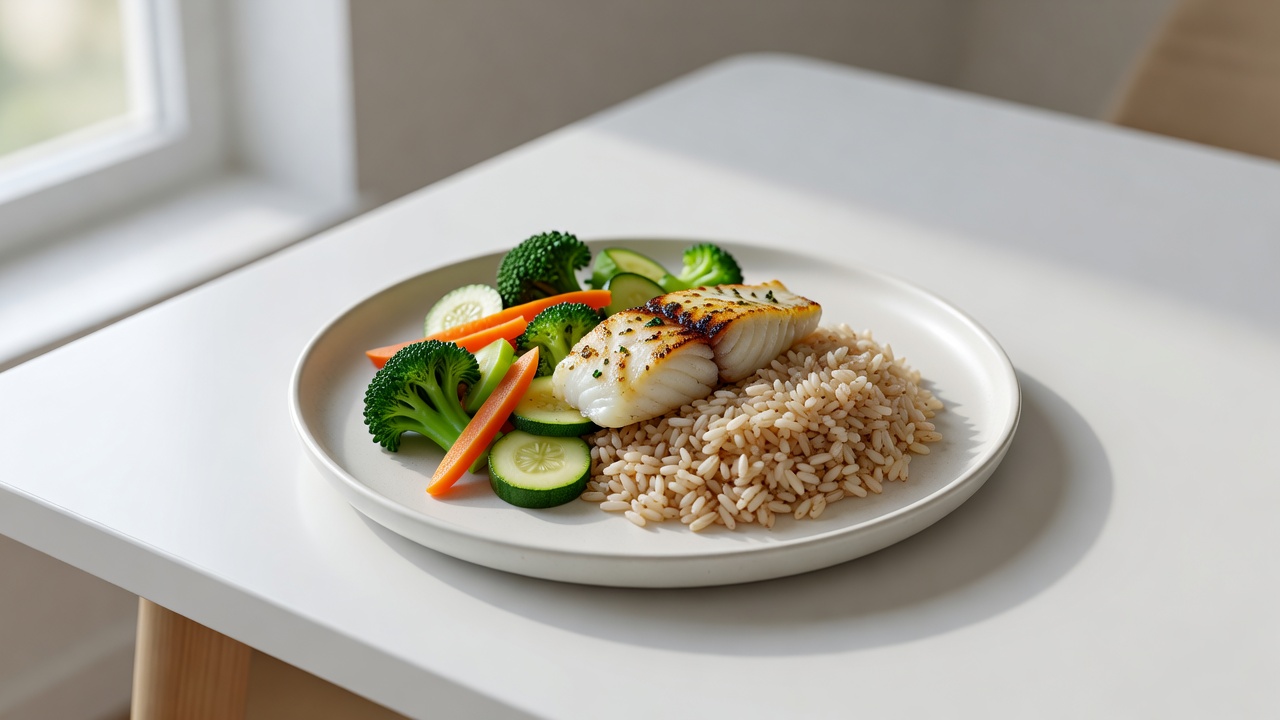
- Day 1: Breakfast – Oatmeal with blueberries and egg whites (protein 18g, phosphorus 220mg); Lunch – Grilled chicken salad with olive oil dressing (protein 32g); Dinner – Baked cod with white rice and green beans (protein 28g); Snacks – Apple slices and unsalted rice cakes.
- Day 2: Breakfast – Greek yogurt parfait with strawberries; Lunch – Turkey wrap on low-sodium tortilla with cucumber; Dinner – Lentil soup with carrots and white bread; Snacks – Pear and unsalted popcorn.
- Day 3: Focus shifts to fish-based meals with added cauliflower rice to keep potassium in check while providing volume.
- Day 4 through Day 7 rotate proteins including tofu stir-fry with bell peppers, lean pork tenderloin with mashed potatoes (leached), and egg white omelets with approved vegetables, always totaling under daily nutrient caps.
Portion sizes should be adjusted based on personal lab trends and energy needs. This framework demonstrates how variety supports long-term compliance.
Practical Tracking Tools and Templates
Downloadable spreadsheets or apps that log daily intake against targets prove invaluable. Include columns for protein, phosphorus, potassium, and sodium plus space for notes on energy levels and symptoms. Weekly review sections help identify patterns and trigger adjustments before issues arise. Printable templates can list common foods with pre-calculated nutrient values for quick reference during grocery shopping or meal assembly.
Expert-Backed FAQs on Pitfalls and Monitoring
Common questions include how to handle dining out, which often requires advance menu research and requests for no-salt preparations. Hidden phosphorus in colas and packaged snacks remains a frequent oversight. Progress monitoring involves quarterly blood tests combined with home blood pressure logs and symptom journals noting fatigue or swelling. Regular consultations with a registered dietitian specializing in renal care provide personalized tweaks that generic plans cannot match.
Mistakes to Avoid in Custom Plans
Over-restricting calories leading to malnutrition, ignoring individual tolerances, and failing to update plans after medication changes are frequent errors. Always verify supplement use with your doctor, as some over-the-counter products contain high levels of restricted minerals.
Conclusion
Custom nutrition plans for kidney health deliver targeted support when built on accurate data and consistent execution. Combine nutrient priorities with structured meal frameworks and regular monitoring for optimal 2026 outcomes. National Kidney Foundation and NIDDK resources offer additional evidence-based guidance for ongoing education and support.
For more guidance on building better habits, explore our Smart Eating Tips.

No comments yet. Be the first!