 Func Eats

Introduction to Metabolic Flexibility in 2026
Metabolic flexibility refers to your body’s ability to efficiently switch between burning carbohydrates and fats for fuel depending on availability, activity level, and nutritional intake. This adaptability supports stable energy, better insulin sensitivity, reduced inflammation, and improved long-term health outcomes. In 2026, goal-based eating plans have become central to personalized nutrition because they move beyond rigid calorie counting and instead focus on aligning food choices with specific objectives such as weight management, athletic performance, cognitive sharpness, or prevention of metabolic disorders.
Readers searching for these strategies typically want concrete, practical methods to optimize fuel switching without extreme restrictions or unsustainable protocols. The key lies in assessing individual metabolic markers, designing custom schedules with macro cycling, and incorporating emerging 2026 trends like timed nutrient intake. When executed thoughtfully, these approaches help the body become more resilient to dietary variations while supporting daily vitality and disease prevention.
Assessing Your Individual Metabolic Markers
Before launching into any structured plan, it is essential to understand your current metabolic baseline. Key markers include fasting glucose, insulin levels, HbA1c, resting metabolic rate, and post-meal glucose response curves. Many people begin with bloodwork ordered through a primary care physician or functional medicine practitioner. Continuous glucose monitors (CGMs) have also become more accessible and provide real-time data on how specific meals affect blood sugar stability.
Additional at-home assessments involve tracking energy patterns, hunger signals, sleep quality, and mood over a seven-day period. Note how you feel two hours after meals, during workouts, and in the late afternoon. This information reveals whether you are currently more carb-dependent or fat-adapted. For example, consistent energy crashes after high-carb meals suggest reduced flexibility. Use free or low-cost apps to log these observations alongside basic body measurements. The data collected forms the foundation for tailoring macro ratios and meal timing to your unique physiology.
Designing Goal-Based Eating Schedules with Macro Cycling
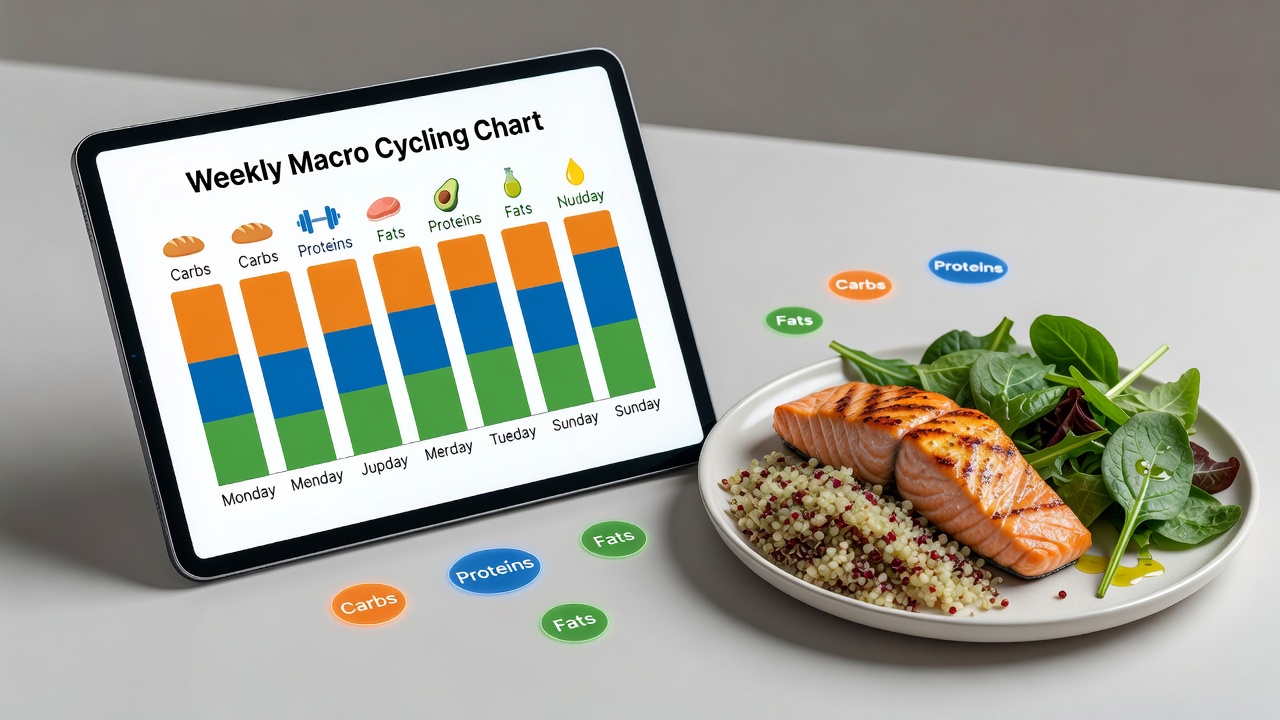
Macro cycling strategically varies carbohydrate, protein, and fat percentages across days or weeks to match activity demands and metabolic goals. This method trains the body to use both fuel sources efficiently. A typical weekly cycle might feature three moderate-carb days for muscle glycogen support, two low-carb days to encourage fat oxidation, and one or two higher-carb days for recovery and hormone health.
Consider these goal-specific examples. For weight loss, a beginner might follow: Monday–Wednesday at 40% carbs, 30% protein, 30% fats; Thursday–Saturday at 20% carbs, 35% protein, 45% fats; Sunday at 50% carbs for metabolic reset. Athletes aiming for performance could shift to higher overall carbs on training days (50–60%) while keeping recovery days lower. Women in perimenopause often benefit from slightly higher protein across all days (35–40%) and strategic carb placement around workouts to support hormone balance.
Sample daily meals for a moderate-carb day include breakfast of Greek yogurt with berries and chia seeds, lunch of grilled chicken quinoa bowl with vegetables, and dinner of lean beef stir-fry with brown rice. On low-carb days, replace grains with extra non-starchy vegetables and add avocado or olive oil for satiety. Always prioritize whole, minimally processed foods to maintain micronutrient density.
Incorporating 2026 Trends: Timed Nutrient Intake
Chrononutrition, or timed nutrient intake, has gained significant attention in 2026 as research continues to demonstrate that when you eat can be as important as what you eat. Consuming protein within two hours after resistance training maximizes muscle protein synthesis, while front-loading carbohydrates earlier in the day may improve insulin sensitivity for some individuals. Fats and fiber-rich meals in the evening often promote better overnight recovery and stable blood sugar.
Many people combine these principles with 12- to 14-hour overnight fasting windows. This approach aligns eating with circadian rhythms and can enhance metabolic switching. Authoritative guidance is available from institutions such as the National Institutes of Health and the World Health Organization, which emphasize personalized timing based on lifestyle and health status. Emerging 2026 tools include AI-driven apps that suggest optimal meal windows using wearable data, making implementation more precise than ever before.
Step-by-Step Examples for Beginners
Follow this structured process to build and refine your plan:
- Obtain baseline bloodwork and track energy patterns for one week.
- Define your primary goal and secondary benefits (for instance, weight loss plus improved mental clarity).
- Calculate estimated daily energy needs and set initial macro targets using a reputable calculator or registered dietitian.
- Plan and prep three to four core meals that can be rotated across cycle days, focusing on protein at every sitting.
- Implement the weekly macro schedule while logging how you feel after each meal type.
- Reassess markers and subjective energy every 14 days, then adjust ratios or timing as needed.
- Incorporate daily movement such as 30-minute walks after dinner to further support glucose disposal and metabolic flexibility.
A practical starter week might begin with moderate-carb days featuring balanced plates, transition into low-carb days emphasizing vegetables and healthy fats, and finish with a higher-carb recovery day that includes sweet potatoes or fruit.
Comparisons of Popular Protocols
Several established protocols can support metabolic flexibility when adapted thoughtfully:
- Ketogenic approaches excel at rapid fat adaptation but may reduce long-term carb tolerance if followed strictly for months.
- Intermittent fasting paired with macro cycling enhances fat-burning windows while preserving muscle through adequate protein.
- The Zone diet provides steady daily macro balance but offers less emphasis on deliberate cycling for metabolic switching practice.
- Carb-cycling frameworks directly train flexibility by alternating fuel sources and are often easiest for beginners to sustain.
- Mediterranean-style eating with added macro variation combines anti-inflammatory benefits with strategic carbohydrate timing.
Selection depends on lifestyle factors. Busy professionals may prefer simpler timed-intake rules, while endurance athletes typically thrive with structured carb cycling. For evidence-based overviews, consult resources from Mayo Clinic on personalized nutrition strategies.
Common Mistakes to Avoid
Many beginners make the error of changing too many variables at once, leading to confusion about what is actually working. Another frequent pitfall is neglecting protein intake on low-carb days, which can result in muscle loss. Inadequate hydration and electrolyte balance during adaptation periods often causes unnecessary fatigue. Finally, ignoring sleep and stress management undermines even the most carefully designed nutrition plan, as both factors heavily influence hormonal responses to food.
Monitoring Progress and Long-Term Sustainability
Track progress through a combination of objective measures (energy levels, workout performance, body composition) and periodic lab work every three to six months. Sustainability improves when plans remain flexible enough to accommodate social events, travel, and seasonal changes. Many people find that maintaining metabolic flexibility becomes easier after the first eight to twelve weeks once the body adapts to regular fuel switching.
FAQ: Addressing Common Challenges
How long does adaptation take?
Most individuals notice initial fatigue or irritability for one to two weeks. Consistent hydration, electrolyte intake, and gradual macro shifts ease this transition.
What if I hit a plateau?
Re-evaluate recent food logs and metabolic markers. Small adjustments such as shifting carb timing or increasing protein by 5–10 grams often restart progress.
Is this suitable for everyone?
Individuals with diabetes, thyroid conditions, or a history of disordered eating should work closely with healthcare providers before beginning. Pregnant or breastfeeding women generally require more stable nutrition patterns.
Can I eat out while following these plans?
Yes. Choose protein-forward entrées, request vegetable substitutions for starches on low-carb days, and save higher-carb meals for planned social occasions.
How do I handle intense cravings during low-carb phases?
Increase non-starchy vegetables and add a small serving of nuts or olives. Ensuring adequate sleep and managing stress also reduces carb cravings significantly.
Conclusion
Goal-based eating plans centered on metabolic flexibility provide a powerful, individualized framework for optimizing energy and health throughout 2026. By thoroughly assessing markers, implementing macro cycling, embracing timed nutrient strategies, and avoiding common pitfalls, you can create sustainable habits that adapt with your life. Begin with small, consistent changes, monitor results diligently, and refine your approach over time. Continued learning is supported by trusted sources such as the Centers for Disease Control and Prevention nutrition guidelines. With patience and personalization, metabolic flexibility becomes an achievable and rewarding foundation for lifelong wellness.


No comments yet. Be the first!