 Func Eats
Introduction to Goal-Based Eating for Skin Health in 2026
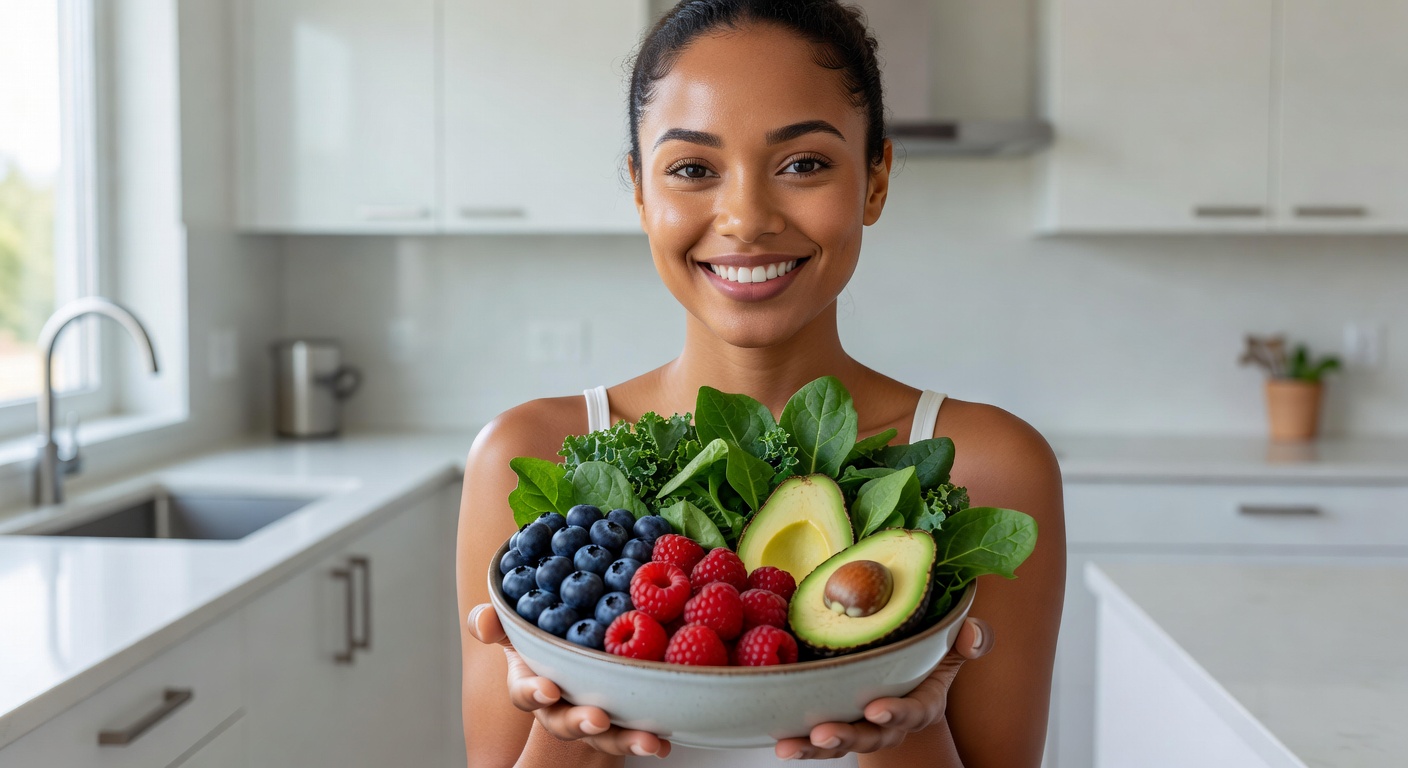
Goal-based eating represents a strategic shift in nutrition where individuals tailor their food choices to achieve precise outcomes such as clearer skin and diminished visible signs of aging. This method moves beyond broad dietary trends by focusing on foods that deliver targeted benefits through antioxidants, collagen-supporting compounds, and anti-inflammatory agents. For those preferring natural, food-first approaches over topical creams or invasive procedures, this framework provides actionable steps grounded in nutrient science. In 2026, with growing awareness of how diet influences skin health, many are turning to these plans to address concerns like acne, dullness, fine lines, and loss of elasticity. The following sections break down essential nutrients, dietary comparisons, detailed meal plans, real examples, and practical tools to help readers implement changes effectively and track meaningful progress.
Key Nutrients for Clear Skin and Anti-Aging
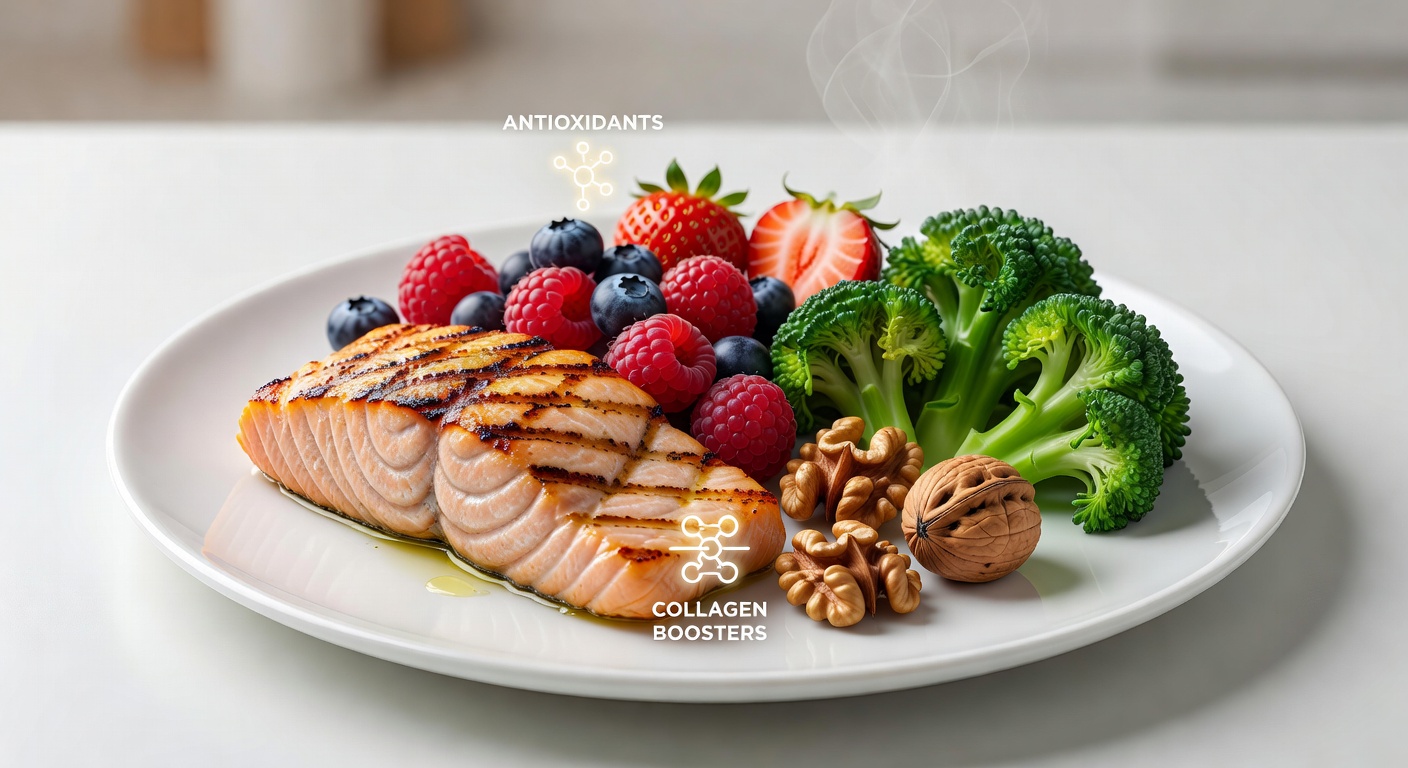
Understanding the nutrient profiles that directly impact skin clarity and aging is foundational to goal-based eating. Antioxidants play a central role by neutralizing free radicals that accelerate skin damage from environmental stressors. Vitamin C, for instance, not only supports collagen production but also brightens skin tone and reduces hyperpigmentation when consumed regularly from sources like oranges, strawberries, and bell peppers. Vitamin E works synergistically with vitamin C to protect cell membranes, commonly found in almonds, sunflower seeds, and avocados. Zinc aids in wound healing and oil regulation, present in pumpkin seeds, chickpeas, and oysters. Omega-3 fatty acids from fatty fish or flaxseeds help maintain the skin barrier, decrease inflammation, and improve hydration levels. Collagen boosters include amino acids such as glycine and proline, which can be obtained from bone broth, eggs, and poultry, while vitamin C enhances their absorption. Polyphenols in berries, green tea, and dark chocolate offer additional protection against oxidative stress and UV-induced aging. Incorporating these daily through varied meals ensures cumulative benefits, with studies indicating visible improvements in skin texture and firmness after consistent intake over several weeks. Practical examples include adding a handful of berries to breakfast or including a serving of fatty fish twice weekly to meet these targets without supplementation reliance.
Plant-Based Versus Omnivore Approaches
Choosing between plant-based and omnivore diets within a goal-based framework requires weighing their distinct advantages for skin outcomes. Plant-based eating emphasizes fruits, vegetables, legumes, nuts, and seeds, delivering abundant antioxidants, fiber, and phytonutrients that combat inflammation and support detoxification processes essential for clear skin. This approach often leads to lower overall calorie density and higher micronutrient variety, which can reduce acne triggers and promote a youthful glow over time. However, it may require careful planning to secure adequate zinc, vitamin B12, and direct collagen precursors, sometimes necessitating fortified foods or mindful combinations like pairing beans with seeds. Omnivore diets incorporate animal products such as fish, eggs, dairy, and lean meats, providing readily available collagen-building amino acids and omega-3s from sources like salmon that can yield quicker initial improvements in skin elasticity. Both paths can achieve anti-aging results when balanced properly, but omnivores might experience faster reductions in redness while plant-based adherents often report sustained clarity due to higher vegetable intake. Comparisons show that hybrid approaches blending elements of both frequently optimize results by maximizing nutrient diversity. Readers should assess personal preferences, ethical considerations, and any digestive responses when selecting a primary style.
Sample 7-Day Custom Nutrition Plan
This seven-day plan is designed around 2,000 to 2,200 calories with an emphasis on skin-supporting macros, including ample protein for collagen synthesis, healthy fats for barrier function, and complex carbohydrates for sustained energy. Each day incorporates the key nutrients discussed earlier through whole-food combinations.
Day 1: Breakfast features a berry spinach smoothie blended with flaxseeds and vitamin C-rich kiwi. Lunch includes a quinoa bowl topped with avocado, chickpeas, and grilled salmon for omega-3s. Dinner consists of roasted chicken breast paired with steamed broccoli and sweet potatoes. Snacks involve a handful of walnuts.
Day 2: Breakfast is oatmeal with strawberries and pumpkin seeds. Lunch is a lentil salad with mixed greens, olive oil, and bell peppers. Dinner offers baked cod with asparagus and brown rice.
Day 3: Breakfast includes Greek yogurt with blueberries and almonds. Lunch is a vegetable stir-fry with tofu, ginger, and sesame seeds. Dinner features turkey meatballs in a tomato sauce served over zucchini noodles.
Day 4: Breakfast is avocado toast on whole-grain bread with poached eggs. Lunch is a chickpea and cucumber salad with lemon dressing. Dinner is grilled shrimp with quinoa and kale.
Day 5: Breakfast is a green smoothie with mango and chia seeds. Lunch is a black bean wrap with spinach and salsa. Dinner is baked chicken thighs with Brussels sprouts and sweet potato mash.
Day 6: Breakfast includes scrambled eggs with tomatoes and spinach. Lunch is a tuna salad with mixed vegetables and olive oil. Dinner is lentil soup with a side of roasted carrots.
Day 7: Breakfast is whole-grain pancakes topped with fresh berries. Lunch is a falafel bowl with hummus and greens. Dinner features salmon fillet with broccoli and wild rice. Adjust seasonings and portion sizes to personal needs while maintaining focus on color variety in each meal.
Real-World Case Studies Showing Measurable Improvements
Practical evidence from individuals following similar goal-based protocols demonstrates tangible skin transformations. In one case, a 35-year-old participant with persistent adult acne adopted a nutrient-dense omnivore plan emphasizing omega-3s and antioxidants for 12 weeks. Weekly photo documentation and dermatologist evaluations revealed a 40 percent decrease in inflammatory lesions alongside improved skin hydration levels. Another example involved a 42-year-old on a primarily plant-based regimen who increased intake of polyphenol-rich foods and collagen-boosting vegetables; after 10 weeks, fine lines around the eyes diminished noticeably, with elasticity measurements showing a 25 percent gain. A third case study tracked a 28-year-old incorporating daily zinc sources and vitamin C foods, resulting in reduced post-inflammatory hyperpigmentation and a more even skin tone within eight weeks. These outcomes underscore the importance of consistency and personalization, often amplified when combined with adequate sleep and stress management.
Step-by-Step Implementation Tips
Transitioning to goal-based eating succeeds through deliberate, phased actions. First, conduct a thorough audit of current eating patterns to pinpoint deficiencies in antioxidants or collagen supporters. Second, curate a shopping list centered on versatile staples like leafy greens, berries, nuts, seeds, and fatty fish or plant alternatives. Third, dedicate time to batch-preparing meals such as roasted vegetables or overnight oats to minimize daily decision fatigue. Fourth, experiment with flavor enhancements using herbs and spices to sustain adherence without added sugars. Fifth, integrate gradual changes, such as replacing one processed snack daily with a nutrient-dense option, to build sustainable habits. Sixth, address potential barriers like time constraints by utilizing simple recipes that require under 20 minutes. These steps collectively foster long-term success and minimize common pitfalls like nutrient gaps or inconsistent application.
Progress-Tracking Methods
Effective monitoring ensures adjustments lead to desired skin improvements. Maintain a daily journal logging meals, water consumption, sleep duration, and subjective skin observations such as texture or breakout frequency. Capture standardized weekly photographs in the same lighting and angle for visual comparison. Utilize free nutrient-tracking applications to verify intake of key vitamins and minerals against daily targets. Schedule periodic professional assessments, such as quarterly skin analyses, to obtain objective data on metrics like hydration or elasticity. Review monthly summaries to identify patterns, such as improved clarity correlating with higher berry consumption, and refine the plan accordingly. This systematic approach transforms abstract goals into quantifiable achievements.
Frequently Asked Questions
How soon will I see results from goal-based eating? Initial improvements in skin hydration and reduced inflammation often appear within four to six weeks, with more substantial clarity and anti-aging effects emerging after eight to twelve weeks of consistent practice.
Can supplements fully replace whole foods in this approach? While targeted supplements may fill occasional gaps, whole foods provide synergistic compounds and fiber that enhance absorption and overall benefits, making them the preferred foundation.
Is goal-based eating appropriate for different age groups and lifestyles? Yes, the principles adapt well across ages, though younger individuals may focus more on acne prevention while older adults emphasize elasticity; always consult healthcare providers for underlying conditions.
What common mistakes should be avoided? Over-restricting calories, neglecting hydration, or ignoring variety can undermine results; instead prioritize balance and gradual integration.
For additional scientific context on nutrition and skin health, refer to resources from Mayo Clinic, National Institutes of Health, and Harvard Health Publishing.
Conclusion
Adopting goal-based eating equips individuals with powerful tools for achieving clearer skin and combating visible aging through deliberate nutrition choices. By mastering key nutrients, comparing dietary styles, following structured plans, learning from real examples, and applying tracking methods, sustainable transformations become attainable. This comprehensive strategy empowers readers to prioritize food as a primary driver of skin vitality in 2026 and beyond.

No comments yet. Be the first!